Your Apple Pie Journey Starts Here
- Why Your Apple Choice Matters More Than You Think
- The Definitive Ranking: Top Contenders for the Best Pie Apples
- The Pro Move: Why Mixing Apples is the Secret to the *Best* Apple Pie
- How to Shop and Store Your Pie Apples Like a Pro
- Your Apple Pie Questions, Answered
- Wrapping It Up: Your Path to Pie Perfection
Let's be honest. We've all been there. You follow a famous apple pie recipe to the letter, your crust is perfect, your spices are measured with the precision of a scientist, but when you pull it out of the oven... it's a soggy, mushy, or just plain bland mess. What went wrong? More often than not, the culprit isn't your technique, but your main ingredient. You didn't start with the best apples for apple pie.
I learned this the hard way. Years ago, I used the beautiful, shiny Red Delicious apples I had in my fruit bowl for a pie. Big mistake. They turned into flavorless, mealy mush. It was a dessert tragedy that sent me on a years-long quest to understand the science and art behind choosing the right apple. It's not just about grabbing any apple; it's about finding the ones that hold their shape, burst with flavor, and create that perfect sweet-tart balance against a buttery, flaky crust.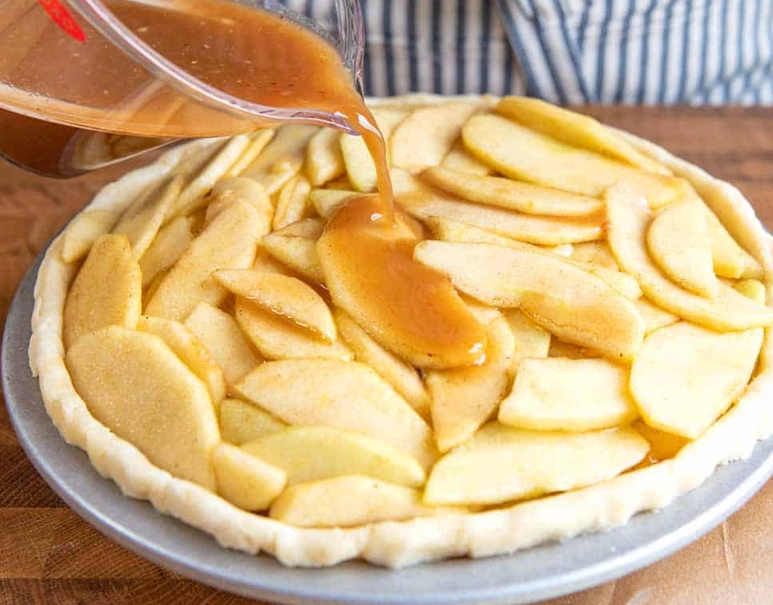
So, what makes an apple great for pie? It boils down to three things: flavor, texture, and moisture content. You want an apple with a robust flavor that won't disappear when baked (goodbye, Red Delicious). You need an apple with a firm flesh that softens nicely but doesn't completely disintegrate into applesauce. And you need to manage moisture—too much juice leads to a soggy bottom crust and a soupy filling; too little can make the pie dry.
Why Your Apple Choice Matters More Than You Think
Think of apples as falling into two broad categories: eating apples and cooking apples. Eating apples, like Gala or Fuji, are bred for crisp, sweet bites right off the tree. Cooking apples, often tarter and firmer, are culinary workhorses. They're built for the heat. When you bake them, their flavors concentrate and transform, their cell walls break down in a controlled way, and their natural pectin helps thicken the filling. Using an eating apple in a pie is like using a sports car to haul lumber—it might look good, but it's not doing the job it was designed for.
Texture is a huge deal. A great pie apple offers what bakers call "structural integrity." It softens but maintains distinct slices or chunks, giving the pie a satisfying mouthfeel. Nobody wants a uniform, homogenous filling. That variation in texture is part of the joy.
And then there's the flavor alchemy. The heat of the oven caramelizes the apple's natural sugars and mellows its acids. A tart apple straight from the tree becomes complex and deeply flavorful in the pie. A one-note sweet apple just becomes... sweeter, and often flat. Finding the best apples for apple pie is about finding varieties that undergo this magical transformation beautifully.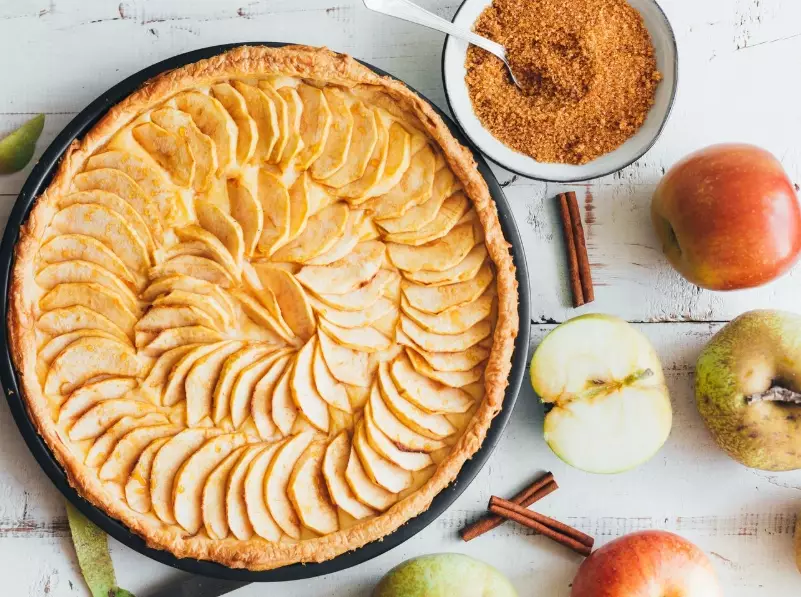
The Definitive Ranking: Top Contenders for the Best Pie Apples
After testing more varieties than I can count, talking to orchardists, and yes, eating a lot of pie, I've settled on a core group of champions. These are the varieties you should be hunting for from late summer through fall.
The Undisputed Champions (The "First Pick" Team)
These are the apples that consistently deliver a perfect pie. If you see these, buy them without hesitation.
- Granny Smith: The classic for a reason. Their bright, lip-puckering tartness and rock-hard firmness make them a baker's best friend. They hold their shape impeccably and their sharp flavor stands up to—and balances—copious amounts of sugar and spice. Purists might call them predictable, but reliability is a virtue in baking. If you're making one pie and want a guaranteed great result, Granny Smiths are a fantastic single-variety choice. You'll often find them year-round, which is a major plus.
- Honeycrisp: The people's champion. Honeycrisp has taken the world by storm, and for pie, it's a superstar. It offers the holy grail: incredible juiciness, a explosive crisp texture (even when baked), and a perfect honeyed sweetness with just a hint of tartness. They are more expensive, I won't lie. And some bakers argue they can be almost *too* juicy, risking a wet filling. My fix? Toss the slices with a bit of flour or cornstarch and let them drain in a colander for 10 minutes before assembling. Worth every extra penny and step for their incredible flavor.
- Braeburn: The underrated workhorse. If Granny Smith and Honeycrisp had a baby, it might be Braeburn. It has a wonderful spicy-tart flavor with a hint of citrus, and a firm, crisp flesh that softens perfectly without turning to mush. It releases a moderate amount of juice, which makes it very forgiving and easy to work with. It's my personal favorite for a balanced, complex-flavored pie.
The Excellent Supporting Cast (Mixing is Key)
These apples are phenomenal, but they often shine brightest when combined with others. They bring unique qualities to a blend.
- Jonagold: A cross between Jonathan and Golden Delicious. It inherits a lovely tartness from Jonathan and a honeyed sweetness from its other parent. It's aromatic, juicy, and holds its shape reasonably well. It's a fantastic mixer, especially with a firmer apple like Granny Smith.
- Northern Spy: This is the old-school, heritage variety that pie connoisseurs swear by. It's tart, finely textured, and holds its shape like a dream. The problem? It's a late-season apple and can be notoriously hard to find outside of specialty orchards or farmers' markets in the Northeast. If you see it, grab it—it's one of the true best apples for apple pie.
- Golden Delicious: Don't let the "Delicious" name fool you. Unlike its Red cousin, Golden Delicious is a superb cooking apple. It's sweet, mellow, and softens into a almost creamy texture while holding its shape. It's low in acid, so it's perfect for mellowing out the punch of a tarter apple. I almost never use it alone, but it's a pillar of my favorite blends.
- Pink Lady (Cripps Pink): Another great sweet-tart option with good firmness. They bake up tender with a lovely, subtle flavor. They're a reliable, widely available choice that performs very well.
The Apples to Approach with Caution (Or Avoid Altogether)
Not all apples are created equal for the pie plate. Some are outright saboteurs.
- McIntosh: This is controversial. Many heritage recipes call for Macs. They have a wonderful, perfumed flavor and break down into a saucy texture. The issue? They break down *completely*. If you use only McIntosh, you'll get applesauce pie. They can be used strategically in a blend (say, 25% Macs to 75% firmer apples) to create a self-saucing filling, but they're a risky solo act.
- Gala & Fuji: These popular eating apples are very sweet and quite soft. They lack the tartness and structural integrity needed for a great pie. They'll often turn mushy and make the pie overly sweet. In a pinch, you can mix a small amount with tarter apples, but they're not ideal.
| Apple Variety | Flavor Profile | Texture When Baked | Best Used As... | Availability |
|---|---|---|---|---|
| Granny Smith | Very tart, crisp, bright | Holds shape very well, softens firmly | Solo or as a tart base in a mix | Year-round, excellent |
| Honeycrisp | Sweet with light tartness, honeyed | Stays distinct, can be very juicy | Solo or mixed (drain first) | Fall-Winter, very good |
| Braeburn | Spicy-tart, complex | Holds shape well, tender | Solo or mixed | Fall-Winter, good |
| Jonagold | Balanced sweet-tart, aromatic | Holds shape reasonably, juicy | Best in a mix | Fall, good |
| Northern Spy | Tart, spicy, nuanced | Excellent shape-holder | Solo or mixed (if you can find it!) | Late Fall, limited/regional |
| Golden Delicious | Sweet, mellow, buttery | Softens to a tender, creamy chunk | Best as a sweet component in a mix | Year-round, excellent |
| Red Delicious | Bland, mildly sweet | Disintegrates into mealy paste | Decoration only | Year-round |
| McIntosh | Floral, perfumed, tart | Breaks down completely into sauce | Use sparingly in a blend for sauciness | Fall, good |
The Pro Move: Why Mixing Apples is the Secret to the *Best* Apple Pie
Here's the insider tip that will elevate your pie from good to unforgettable: use a blend of two or three different apple varieties. Seriously, this is the game-changer. A single variety pie can be wonderful, but a blend creates a symphony of flavor and texture that you just can't get otherwise.
Think of it like building a team. You want a player that brings structure (the firm, tart apple), a player that brings complex flavor and juiciness (the balanced apple), and maybe a player that brings mellow sweetness or a saucy element. This approach gives you depth. Every bite is a little different—a chunk of firm, tart apple here, a softer, sweeter piece there, all bound together in a cohesive, flavorful sauce.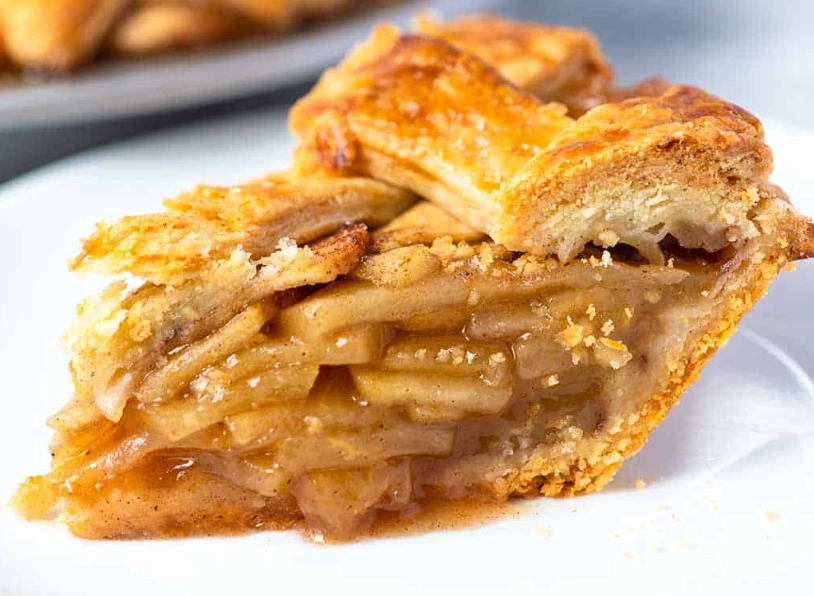
- The Classic Balance: 60% Granny Smith (for structure & tartness) + 40% Honeycrisp or Braeburn (for flavor & juice).
- The Complex & Aromatic: 50% Braeburn + 30% Jonagold + 20% Golden Delicious.
- The Heritage Dream (if you can source them): 50% Northern Spy + 30% Granny Smith + 20% McIntosh (for a touch of sauciness).
Mixing allows you to balance sweetness and tartness perfectly to your taste, and it mitigates risks. If one apple is a bit too juicy, the firmer one soaks it up. If one is a bit bland, the tart one perks it up. Once you start blending, you'll never go back to a single-variety pie. It's the ultimate strategy for creating the best apple pie filling possible.
How to Shop and Store Your Pie Apples Like a Pro
Knowing the varieties is half the battle. The other half is selecting and handling them.
At the Store or Orchard
Look for firm, unbruised fruit with a good aroma. Don't be afraid of apples that look a little rustic or less than perfectly shiny—often, these heirloom varieties have the best flavor. Seek out farmers' markets in the fall; you'll find varieties you never see in supermarkets, like Esopus Spitzenburg or Calville Blanc (another legendary French baking apple). Ask the growers what they recommend for pie—they always know best.
For resources on apple varieties and their uses, organizations like the U.S. Apple Association provide great background. University agricultural extensions, like those from Washington State University (a major apple-growing region), often have detailed, science-based fact sheets on apple characteristics and storage.
Storage for Optimal Flavor
Apples continue to ripen after they're picked. Store them in the coolest part of your refrigerator (the crisper drawer is perfect). The cold dramatically slows down the ripening process and keeps them firm for weeks. Storing them at room temperature on your counter will make them soften and go mealy much faster.
A word of caution: apples release ethylene gas, which can cause other produce (like leafy greens) to wilt or spoil quickly. Keep them in a separate bag or drawer if possible.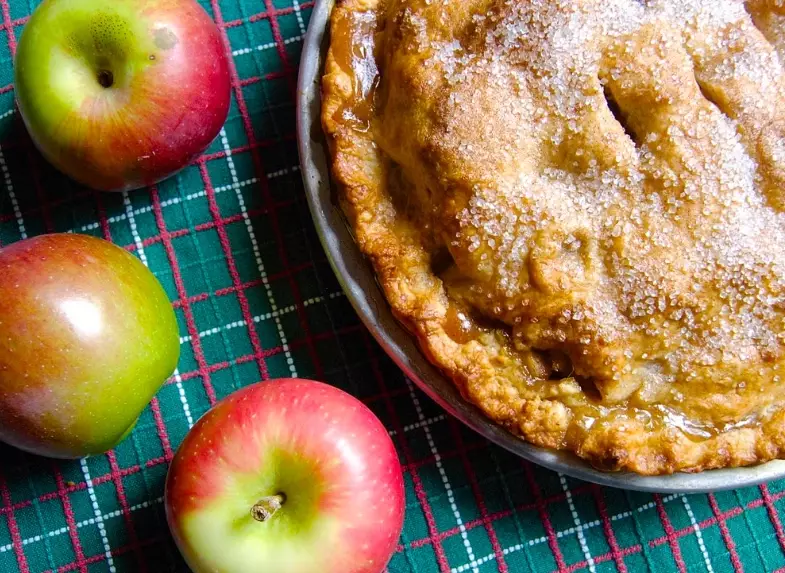
Your Apple Pie Questions, Answered
Let's tackle some of the common questions and hurdles that come up when searching for the best apples for apple pie.
Absolutely, and it's a fantastic way to enjoy pie year-round. Peel, core, and slice your apples, then lay them in a single layer on a parchment-lined baking sheet to freeze solid. Once frozen, transfer to a zip-top bag. There's no need to thaw before using—just toss the frozen slices with your sugar-spice mixture and add a bit more thickener (an extra tablespoon of flour or cornstarch) since freezing breaks down cell walls and releases more juice.
Granny Smith is almost always available and is a rock-solid choice. If not, look for Braeburn, Pink Lady, or Jonagold. In a true emergency, a mix of Gala (for sweetness) and the tartest green apple you can find will work, but expect a softer texture.
This is personal preference, but I like slices about 1/4-inch thick. Thinner slices will cook more quickly and can become uniform; thicker slices (1/2-inch) give you more distinct chunks. A mix of sizes from a manual corer/slicer is actually perfect—it creates textural interest.
Yes, and this is a key skill. Taste your apples! If you're using a very tart blend (all Granny Smith), you may need the full amount of sugar in your recipe. If you're using a sweeter blend (heavy on Honeycrisp or Golden Delicious), you can confidently reduce the sugar by 1/4 to 1/3 cup. Let your taste buds guide you.
You can peel and slice them a few hours ahead. To prevent browning, submerge them in a bowl of water mixed with a tablespoon of lemon juice or vinegar. Drain and pat very dry before using. For longer prep, freeze them as described above.
Wrapping It Up: Your Path to Pie Perfection
Finding the best apples for apple pie isn't about memorizing a single name. It's about understanding the roles that flavor, texture, and moisture play. Start with the champions—Granny Smith for reliability, Honeycrisp for spectacular flavor, Braeburn for the perfect balance. Then, get adventurous. Visit an orchard, try a blend, and see how a mix of Northern Spy and Golden Delicious sings.
Remember, the perfect pie apple is also a matter of taste. Some people adore the saucy texture a McIntosh brings, others want nothing but firm chunks. Use this guide as a starting point, not a rigid rulebook. The most important ingredient, after those carefully chosen apples, is your own curiosity and willingness to experiment. Now go forth, find those apples, and bake a pie that's truly the best.
For further exploration of apple varieties, their histories, and detailed horticultural data, the Orange Pippin website is an incredible, detailed resource for apple enthusiasts. It's like a worldwide encyclopedia for apples.
Reader Comments