Explore This Guide
Let's be honest. Most of the time, when you see a bright orange or yellow nasturtium flower perched on a fancy restaurant dish, it's just there for looks. It gets picked off and left on the side of the plate, a bit of garden confetti that nobody really eats. What a waste.
I used to think that way too. I'd grow these vibrant, sprawling plants in my garden, admiring their cheerful blooms and lily-pad leaves, and maybe toss a flower or two into a salad for color. It felt more like decoration than cooking. Then, one particularly prolific summer, I was overrun with nasturtiums. I had to get creative or watch them go to seed. That's when I discovered their secret: they're not just pretty faces. Those leaves and flowers pack a serious, peppery punch that can transform a dish from bland to brilliant.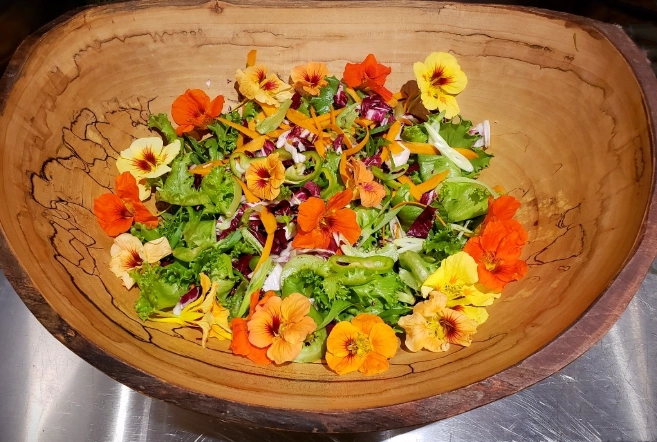
This isn't about one fancy recipe. This is about changing how you see this entire plant. From the root (well, the seed) to the flower, every part of the nasturtium has a place in your kitchen. We're moving way beyond the garnish.
What You're Really Working With: Understanding Your Ingredient
Before we dive into the nasturtium recipes, you need to know your star player. Think of nasturtiums less as a delicate flower and more as a spicy green. The flavor comes from compounds called glucosinolates, the same family that gives mustard, wasabi, and horseradish their heat. The Royal Horticultural Society notes their edible status and peppery taste, which is a good, basic confirmation. But the real magic is in the variation.
The leaves are where the main event is. Younger, smaller leaves are tender and have a sharper, more pronounced pepperiness. The big, older leaves can be a bit tougher and sometimes more bitter—better for wilting into things or blending. The flowers are milder, often with a slight sweetness behind the pepper, and their stunning colors (yellows, oranges, reds, sometimes even mahogany) are pure culinary gold. Then there are the seeds. Pickled while they're still green and soft, they're a fantastic, caper-like condiment often called "poor man's capers."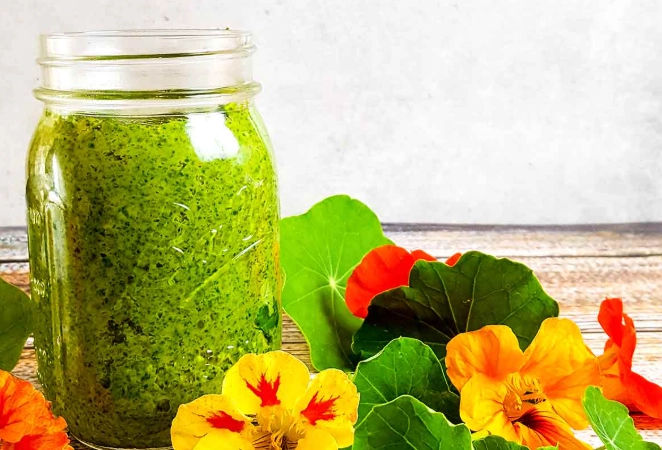
Here’s a quick breakdown of what each part brings to your nasturtium recipes:
| Plant Part | Flavor Profile | Best Uses In Recipes | Texture Note |
|---|---|---|---|
| Young Leaves | Sharp, clean pepper, radish-like | Fresh salads, sandwiches, quick garnishes | Tender, almost delicate |
| Mature Leaves | Stronger pepper, slight bitterness | Pesto, cooked sauces, blended soups | More substantial, can be slightly fibrous |
| Flowers (Petals) | Mild pepper with floral, honey notes | Salad confetti, freezing in ice cubes, finishing dishes | Delicate, slightly crisp |
| Flower Buds / Green Seeds | Intense, mustard-like heat | Pickling ("poor man's capers"), chopping into relishes | Crisp when fresh, briny when pickled |
One critical thing: source matters. Never, ever eat nasturtiums (or any flowers) from a florist, nursery center not explicitly growing for consumption, or the side of a road. They are almost certainly treated with pesticides not meant for food. Grow your own in a pot or a garden patch, or buy them from a trusted source at a farmer's market that labels them as edible. The FDA's guidance on produce safety applies here too—when in doubt, don't eat it.
Your Nasturtium Recipe Toolkit: From Simple to Showstopping
Okay, let's get to the good part. How do you actually use these things? I've sorted this not by meal type, but by how the nasturtium functions in the dish. This way, you can mix and match based on what you have and what you're craving.
The Foundation: Salads & Raw Applications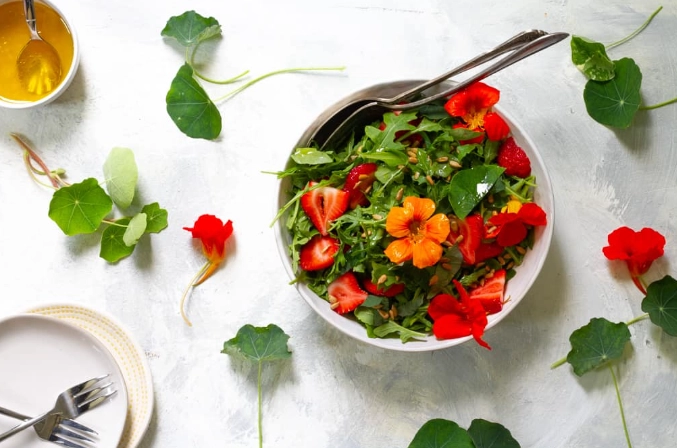
This is the easiest entry point, but let's do it right. The goal is to complement the pepper, not drown it out.
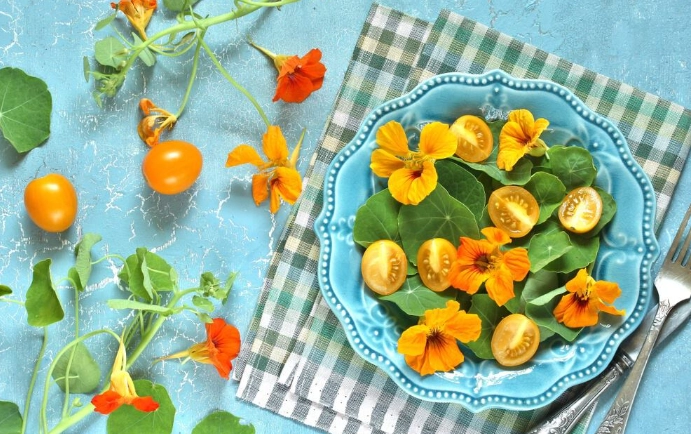
The Ultimate Peppery Green Salad: Forget just adding a flower. Tear a handful of young nasturtium leaves and mix them with milder greens like butter lettuce, romaine, or spinach. The ratio is key—I find one part nasturtium leaves to three parts other greens keeps it lively but not overwhelming. Add some creamy elements to balance the heat: sliced avocado, crumbled goat cheese or feta, or a few toasted walnuts. A simple lemon vinaigrette (lemon juice, good olive oil, a tiny bit of honey, salt) is perfect. Then scatter a few whole flowers on top. You get the pepper from the leaves you actually eat, and the visual pop from the flowers.
Nasturtium "Carpaccio" Style: This is a great trick for a starter. Thinly slice raw zucchini, cucumber, or even watermelon radish using a mandoline. Arrange the slices on a plate slightly overlapping. Drizzle lightly with olive oil and a squeeze of lemon. Now, take a small handful of nasturtium leaves and chop them very finely—almost like an herb. Sprinkle this "pepper dust" over the sliced vegetables. Finish with flaky salt and a few whole petals. It's stunning, fresh, and the flavor is incredible.
The Flavor Bomb: Pestos, Sauces & Compound Butters
This is where nasturtiums truly shine and where you can preserve their flavor. Cooking mellows the heat slightly but brings out a deeper, more complex character.
Classic Nasturtium Pesto: This might be my favorite way to use a large volume of leaves. The basic formula is the same as basil pesto, but the result is a vibrant, spicy green sauce that's fantastic on pasta, grilled fish, or as a sandwich spread.
My Go-To Nasturtium Pesto Recipe:
- 2 packed cups of nasturtium leaves (stems okay, but avoid very thick ones)
- 1/2 cup toasted pine nuts or walnuts (walnuts add a nice bitterness that works well)
- 2 cloves garlic
- 1/2 cup grated Parmesan or Pecorino cheese
- Juice of half a lemon
- About 1/2 cup extra virgin olive oil
- Salt to taste
Pulse the leaves, nuts, and garlic in a food processor until chopped. Add the cheese and lemon juice, pulse again. With the motor running, slowly drizzle in the olive oil until it reaches your desired consistency. Taste! The pepperiness can vary, so you might need more lemon or salt to balance. It will be a gorgeous, speckled green color. Toss with hot pasta and a splash of pasta water. Top with extra flowers for looks.
Compound Butter: This is dead simple and feels fancy. Let a stick of good unsalted butter come to room temperature. Finely chop 3-4 tablespoons of nasturtium leaves and about a tablespoon of petals. Mix thoroughly into the butter with a pinch of sea salt and a tiny squeeze of lemon zest (not juice, to avoid making it watery). Roll into a log in parchment paper and chill. Slice off rounds to melt over steak, fish, roasted vegetables, or corn on the cob. The heat infuses the butter beautifully.
The Main Event Enhancement: Fish, Chicken & Veggie Dishes
Nasturtiums aren't just for sides. Their bold flavor can stand up to and enhance main proteins.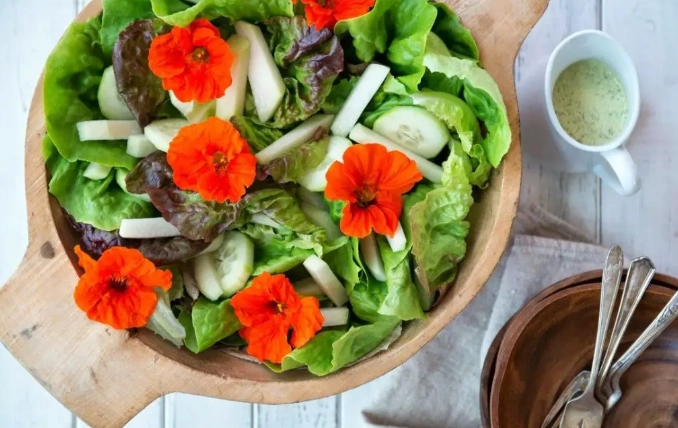
Under-the-Skin Herb Paste for Chicken: Mix chopped nasturtium leaves with some softened butter, garlic, and a touch of lemon zest. Gently loosen the skin on a whole chicken or chicken breasts and spread this paste directly onto the meat. Roast as usual. The butter bastes the chicken from the inside, and the peppery flavor infuses the meat without burning.
Seafood Ceviche Topper: The clean, sharp heat of nasturtiums is a perfect match for the bright acidity of ceviche. Prepare your favorite fish or shrimp ceviche. Just before serving, garnish with a generous sprinkle of finely chopped nasturtium leaves instead of cilantro. It adds a different kind of freshness that's really special.
What about cooking the flowers themselves? It's tricky. Their delicate structure wilts instantly and the color can fade. I find they're best used raw as a final garnish, or one clever trick: fold them gently into a soft omelet or frittata just before it sets. They wilt slightly but retain some shape and color.
The Wild Card: Drinks & Preserves
This is where you can get really playful with your nasturtium recipes.
Nasturtium Vinegar: This is a two-for-one. It gives you a beautifully flavored vinegar and preserves the color of the flowers. Simply fill a clean jar with lightly packed nasturtium flowers (make sure they're completely dry). Heat a mild white wine vinegar or champagne vinegar just until warm, not boiling. Pour it over the flowers to cover. Seal the jar and let it steep in a cool, dark place for 1-2 weeks. The vinegar will turn a stunning pink or gold and take on a subtle peppery flavor. Strain it into a bottle for salads. The spent flowers? They're now pickled and surprisingly tasty on their own!
"Poor Man's Capers" (Pickled Nasturtium Seeds): This is a classic for a reason. When the flowers fall off, they leave behind seed pods. Harvest these while they're still green and soft (before they turn brown and hard). Rinse them. Make a simple brine of equal parts water and vinegar (white wine or apple cider), with a tablespoon of salt and a teaspoon of sugar per cup of liquid. Add some peppercorns, a garlic clove, a mustard seed if you like. Bring to a boil. Pack the green seeds into a small sterilized jar, pour the hot brine over them, and seal. Let them sit for at least a month. The result is a briny, crunchy, peppery condiment that's fantastic on bagels with cream cheese, in potato salad, or anywhere you'd use capers.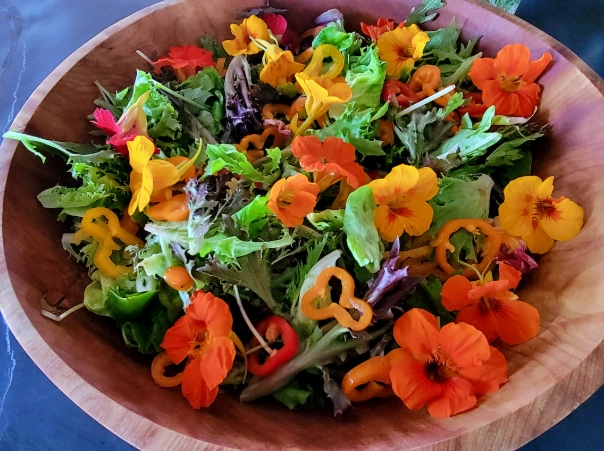
Answering Your Nasturtium Questions (The Stuff You Actually Google)
Making It Last: Preserving Your Bounty
Nasturtiums are prolific, especially in full sun. You might get overwhelmed. Here’s how to handle the glut so you can enjoy that peppery flavor year-round.
- Pesto is your friend. Make large batches of the nasturtium pesto recipe above and freeze it in ice cube trays. Once frozen, pop the cubes into a freezer bag. You'll have instant summer flavor for a winter pasta night.
- Vinegar and Pickles are preservation methods in themselves, as described earlier. They'll keep for months in the fridge.
- Drying? I've tried drying the leaves. The result is... underwhelming. They lose most of their signature pepperiness and become just a generic, faintly bitter green. I don't recommend it. The flowers dry even worse, turning into sad, brown papery bits. Stick to fresh use or preserving in fat (pesto, butter) or acid (vinegar, pickling).
- Infused Oil Caution: Be extremely careful making herb-infused oils with fresh ingredients like nasturtiums at home. Botulism bacteria can grow in the low-acid, anaerobic environment of oil. If you want nasturtium oil, the safest method is to make a pesto (which has acid from lemon and is frozen) or to use the vinegar method instead.
Final Thoughts: Start Simple, Then Experiment
The world of nasturtium recipes is surprisingly vast once you break free from the "garnish only" mindset. The key is to respect their power. That peppery kick is a fantastic tool in your flavor arsenal.
My suggestion? Start with the salad. Just mix a few torn leaves into your next bowl of greens. Notice how it changes. Then, maybe try the pesto when you have a big handful. It's a forgiving recipe. Once you're comfortable, branch out to the compound butter or pickled seeds.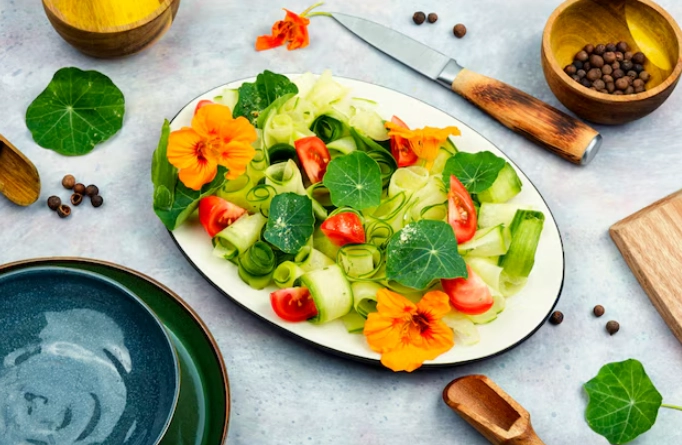
The best part about cooking with nasturtiums is that it forces you to engage with your food differently. You're not just opening a packet of herbs. You're picking something vibrant and alive from just outside your door and turning it into dinner. There's a real satisfaction in that, a connection that makes the food taste even better. And honestly, it's just fun. Those bright orange flowers in a salad never fail to make people smile. Now you can tell them to actually eat them, because they're the best part.
So go on, raid that nasturtium plant. It's waiting to be more than just a pretty face in your garden.
Reader Comments