You know the scene. You go away for a long weekend, come back to your garden, and there it is. A zucchini the size of a small baseball bat, hiding under the leaves. Or maybe you spot a few behemoths at the farmer's market, sold at a discount because people don't know what to do with them. The common reaction? A sigh, maybe a joke about leaving them on a neighbor's porch under cover of darkness.
Here's the truth most recipes won't tell you: that large zucchini is a treasure, not trash. It has more flavor, more flesh to work with, and is perfect for a whole category of dishes where its smaller, more delicate cousins would just disappear. The problem isn't the vegetable—it's that we're trying to use a utility player like a sprinter. I've been growing and cooking zucchini for over a decade, and I've learned that the big ones demand a different playbook. This guide is that playbook.
What's Inside This Guide?
- What Exactly is a Large Zucchini?
- How to Select the Best Large Zucchini
- Prepping Your Large Zucchini: The Foundation of Flavor
- How to Cook Large Zucchini Without Sogginess
- What's the Best Way to Store Large Zucchini?
- Creative Uses for Large Zucchini Beyond Dinner
- Your Large Zucchini Questions, Answered
What Exactly is a Large Zucchini?
Let's define our terms. A "large" zucchini typically means one that's over 8 inches long and more than 2 inches in diameter. We're talking about fruits that have been on the vine past the tender, quick-pick stage. The USDA doesn't have a formal grade for this, but in the produce world, these are often called "oversized" or "field run."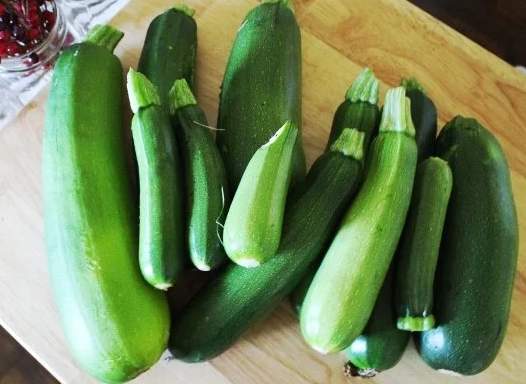
The changes are more than just size.
- The skin toughens up, developing a darker green, sometimes mottled appearance. It's perfectly edible but less tender.
- The seeds mature, becoming larger, harder, and sometimes surrounded by a pithy, spongy core.
- The flesh texture changes. It can become slightly more fibrous and has a much higher water content.
Most people see these as flaws. I see them as characteristics that guide you to the right recipe. That tough skin? It holds up beautifully in a long-simmered ratatouille. The extra water? It's a bonus when you're making a creamy soup.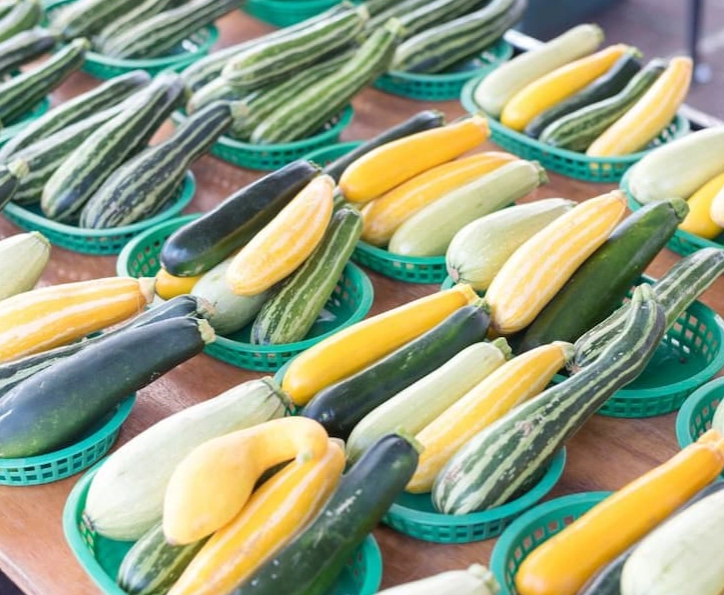
How to Select the Best Large Zucchini at the Store or Market
Even among the giants, there are winners and duds. Here’s what to look for, whether you're shopping or picking from your own garden.
Firmness is non-negotiable. Give it a gentle squeeze. It should feel solid and dense, like a cucumber, not soft or yielding. Any soft spots are a sign of internal rot starting, especially around the stem or blossom end.
Check the skin. Look for a consistent, deep green color. Avoid ones with significant cuts, punctures, or yellowish patches (which can indicate over-maturity or sun scalding). A little scarring is usually fine—it's just character.
Heft it. A good large zucchini should feel heavy for its size. If it feels light, it's likely dried out inside and will be pithy and flavorless.
I once bought a gorgeous, shiny, foot-long zucchini that felt oddly light. When I cut it open, the center was a dry, cottony mesh. The lesson? Weight doesn't lie.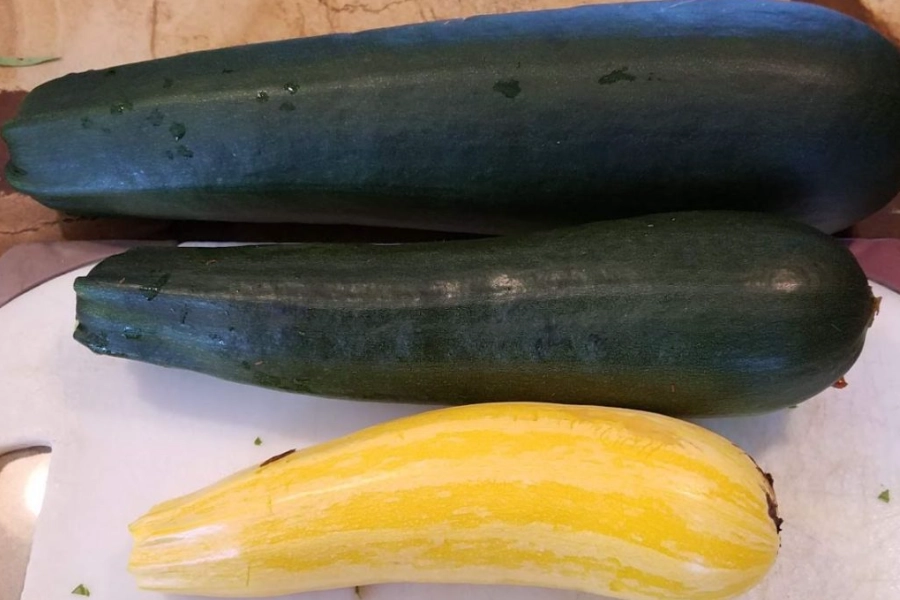
Prepping Your Large Zucchini: The Foundation of Flavor
This is the step most people skip, and it's why their zucchini dishes fail. Proper prep for a large zucchini is about managing moisture and texture.
To Peel or Not to Peel?
Generally, don't. The skin has flavor, color, and nutrients. If it's exceptionally tough or waxed (common on store-bought), use a vegetable peeler to remove thin strips lengthwise, leaving some green for color. For dishes like stuffed zucchini boats, leaving the skin on creates a sturdy container.
Dealing with the Seeds
This is the most important decision. For most applications with zucchini over 10 inches, you'll want to remove the central seed core.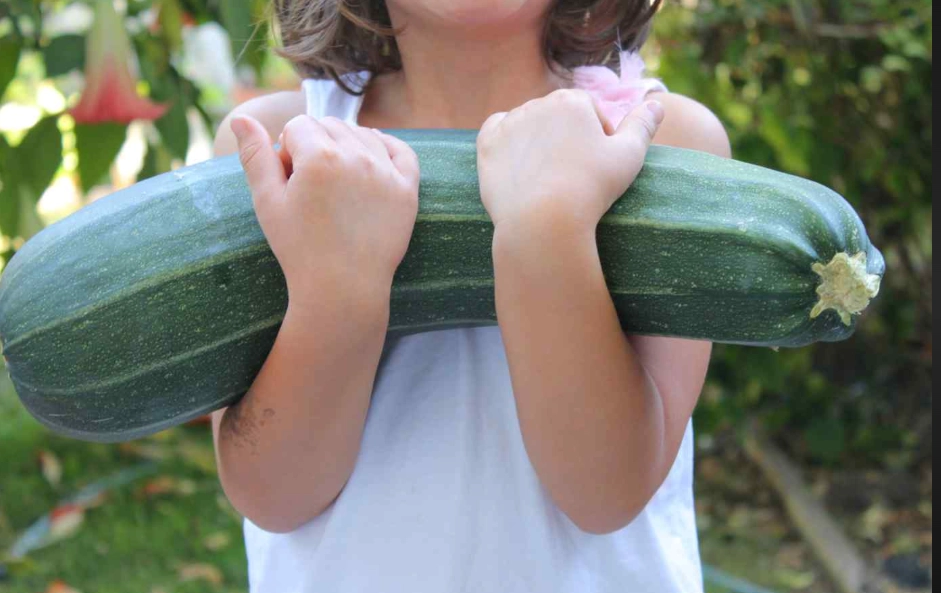
Cut the zucchini in half lengthwise. Use a spoon—a grapefruit spoon works wonders—to scrape out the seedy, pulpy center. You're not removing all the seeds, just the concentrated, often bitter, pithy core. What's left is the firm, usable flesh. For grating, you can often grate around it.
The Salting Step (For Critical Applications)
If you're making fritters, latkes, or planning to sauté slices where a crisp edge is desired, you MUST draw out excess water.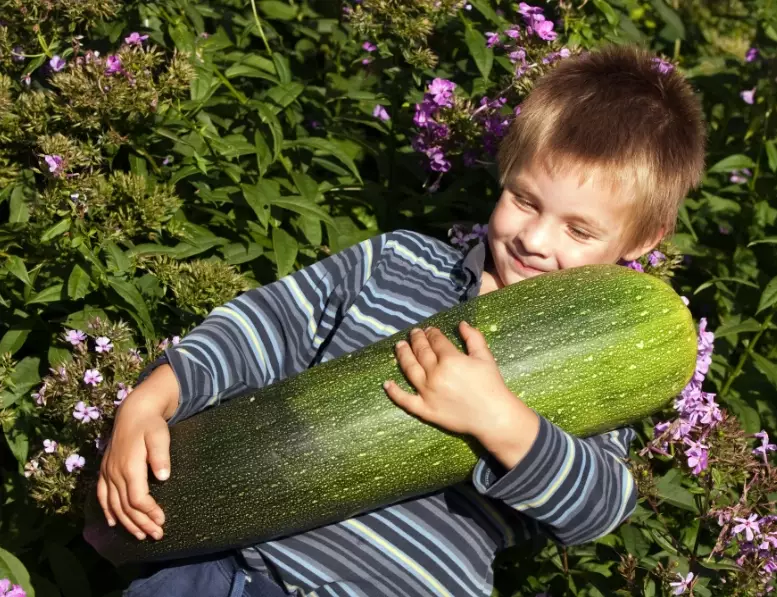
- Shred or slice the prepared zucchini.
- Toss with about 1 teaspoon of kosher salt per pound of zucchini.
- Let it sit in a colander for 20-30 minutes.
- Rinse quickly (if you're concerned about saltiness) and then wring it out in a clean kitchen towel. You'll be shocked at how much water comes out.
This one step transforms the cooking result.
How to Cook Large Zucchini Without Sogginess
Now for the fun part. Here’s a breakdown of the best methods, ranked by suitability for large zucchini.
| Cooking Method | Best For Large Zucchini Because... | Prep Tip |
|---|---|---|
| Roasting & Grilling | High, dry heat evaporates moisture quickly, concentrating flavor and creating caramelization. The sturdy flesh holds its shape. | Cut into 1/2-inch thick planks or large chunks. Toss with oil, salt, and high-heat spices (smoked paprika, cumin). |
| Baking (in breads, cakes) | The moisture is an asset, keeping baked goods incredibly moist. The mild flavor disappears into the batter. | Shred, salt, and drain WELL. Squeeze in a towel until no more water drips. Measure after draining. |
| Soups & Stews | The water content blends right in. The longer cook time breaks down any fibrousness completely. | Rough chop. No need to remove seeds for blended soups. Remove seeds for chunky stews. |
| Sautéing/Stir-frying | Quick, but requires care. Best for smaller pieces where surface area allows rapid evaporation. | Cut into uniform pieces. Use high heat and don't overcrowd the pan. Cook in batches. |
| Frying (fritters, tempura) | The hot oil seals the exterior instantly, preventing sogginess inside. | Shredded, salted, and squeezed dry is mandatory. Mix batter just before frying. |
My personal favorite? Roasting. Toss those big chunks with some onions, bell peppers, and Italian sausage. The zucchini soaks up all the savory juices and gets these fantastic browned edges. It feels substantial, not like a watery afterthought.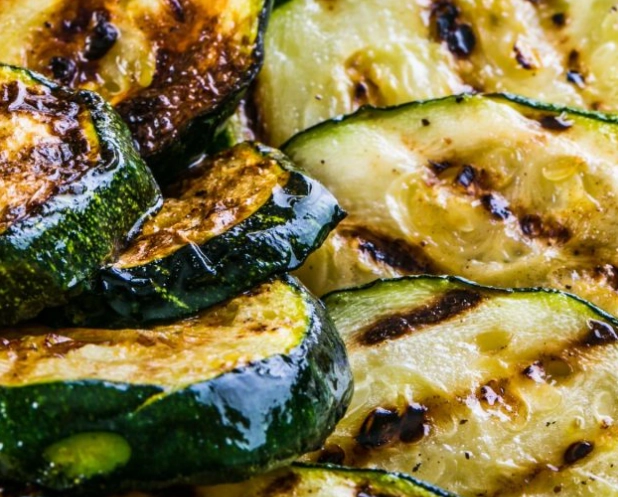
What's the Best Way to Store Large Zucchini?
You can't eat it all at once. Here's how to make it last.
Short-term (up to 5 days): Do NOT wash it. Place the whole zucchini in a perforated plastic bag or a loose plastic bag left slightly open. Store it in the high-humidity drawer of your fridge. The cold and humidity keep it firm.
Long-term - Freezing: This is where large zucchini shines. You're pre-processing it anyway, so freeze it ready-to-use.
- For Soups/Stews: Dice, blanch in boiling water for 2 minutes, cool in ice water, drain, pat dry, freeze on a tray, then bag.
- For Baking: Shred, blanch for 1-2 minutes, cool, drain, and SQUEEZE out as much liquid as humanly possible. Freeze in 1 or 2-cup portions. This blanching step, recommended by the National Center for Home Food Preservation, helps preserve texture and color.
Label everything with the date and amount. Frozen shredded zucchini is a secret weapon for quick breads in January.
Creative Uses for Large Zucchini Beyond Dinner
When you're truly inundated, think outside the dinner plate.
Zucchini "Noodles" or Ribbons: Use a vegetable peeler on a de-seeded half to make wide, sturdy pappardelle-like ribbons. They stand up to a hearty meat sauce better than delicate spiralized noodles.
Fermented Pickles: Large zucchini makes excellent, crunchy refrigerator pickles. Slice into spears or coins and ferment with garlic, dill, and a brine.
Dog Treats: Sounds odd, but it works. Dehydrate thin, unseasoned slices into chewy chips. Many dogs love them as a low-calorie snack. (Always check with your vet).
Compost Booster: If all else fails, chop it up and add it to your compost pile. It's a great "green" material that will break down and feed next year's garden. No waste.
Your Large Zucchini Questions, Answered
Can you eat the skin and seeds of a large zucchini?
Absolutely. The skin is fully edible and packed with fiber and nutrients. The seeds are also edible, but in very large zucchinis, they can be tough and bitter. For most sautéed or baked dishes, scooping out the central seed core with a spoon improves texture and flavor without significant nutrient loss.
Why does my cooked large zucchini turn out watery?
Excess moisture is the main enemy. Large zucchini have a higher water content. The key is to draw out water before cooking. Salting shredded or sliced zucchini and letting it drain in a colander for 20-30 minutes, then squeezing out the liquid with a clean towel, makes a dramatic difference, especially for fritters or casseroles.
Is it safe to eat a large, overgrown zucchini?
Yes, it's perfectly safe. The primary changes are textural and flavor-related, not safety-related. The skin becomes tougher, the flesh more spongy, and the seeds larger and more developed. They are ideal for recipes where texture is less critical, like bread, soup, or where you'll grate and drain them.
What's the best way to freeze large zucchini for later use?
For best results, freeze zucchini prepared for its end use. Blanching is recommended for diced zucchini: boil for 1-2 minutes, then plunge into ice water, drain thoroughly, and freeze on a tray before bagging. For baking, shred it, blanch for 1-2 minutes, drain and squeeze extremely well, then freeze in 1-2 cup portions. Label with the amount and date.
So next time you see that monster zucchini, don't groan. Grab it. With the right approach, it's not a gardening mistake—it's the main ingredient for your next great meal, and maybe some January zucchini bread, too.
Reader Comments