Let's cut to the chase. The single most important decision you'll make for your apple pie isn't the crust recipe or the sprinkle of cinnamon. It's the apples you slice into that filling. Get it wrong, and you're left with a soggy-bottomed, mushy, or bland disappointment. Get it right, and you create a masterpiece with a perfect balance of sweet, tart, tender, and firm. After baking pies for over a decade and testing more varieties than I can count, I've learned that the "best" apple isn't one single type—it's a strategic combination.
Your Pie-Filling Roadmap
Why Your Apple Choice Makes or Breaks the Pie
Think of apples like building materials. Some are soft pine, others are hard oak. For pie, you need a material that holds its structure under heat and moisture. A great pie apple has two key traits:
- Flavor that intensifies: It shouldn't just be sweet. It needs a balancing acidity (malic acid) that shines through after baking. A bland apple stays bland.
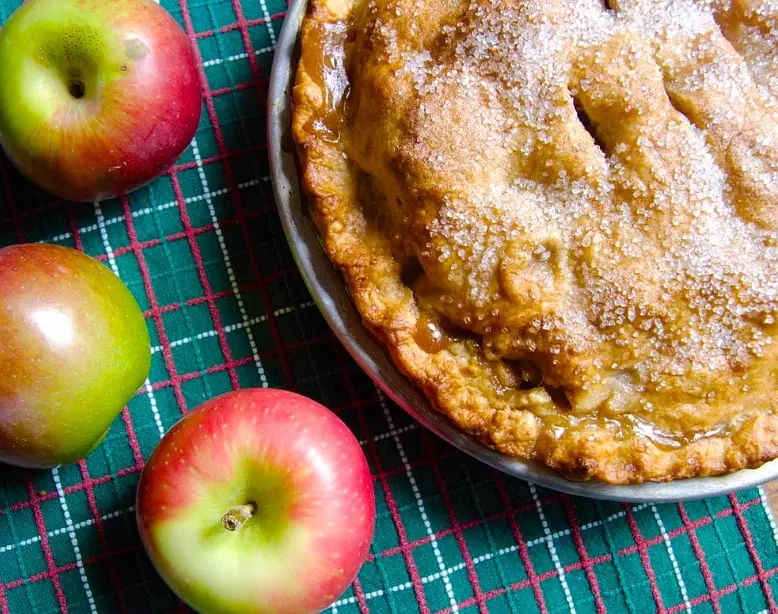
- Texture that holds up: It must soften beautifully but not dissolve into applesauce. The cell structure needs to stay somewhat intact, giving you distinct slices, not a homogenous mush.
I once made a pie using only Fuji apples because they were on sale. Big mistake. They were so high in water content and low in acid that the filling was a weepy, overly sweet pool. The crust turned to leather. Lesson learned the hard way.
The Top Apple Varieties for Pie, Ranked & Explained
Forget the generic "baking apples" label. Here's the real breakdown, based on flavor, texture, and availability. I've ranked them in tiers.
| Apple Variety | Flavor Profile | Texture When Baked | Best For | My Rating |
|---|---|---|---|---|
| Granny Smith | Very tart, bright, tangy | Firm, holds shape exceptionally well | Providing essential acidity and structure. The backbone apple. | 10/10 (for mixing) |
| Honeycrisp | Intensely sweet with mild floral notes | Crisp, becomes tender but not mushy | Adding complex sweetness and juiciness. A modern favorite. | 9/10 |
| Braeburn | Perfect sweet-tart balance, spicy finish | Firm and crisp, softens nicely | A nearly perfect solo pie apple. Reliable and flavorful. | 9/10 |
| Jonagold | Sweet with honeyed tones, mild tartness | Tender, creamy, can soften a lot | Mixing with a firmer apple for creamier texture pockets. | 8/10 |
| Golden Delicious | Mellow, sweet, buttery | Softens significantly, almost melts | Creating a smoother, saucier filling base. Use with caution. | 7/10 (mix only) |
| McIntosh | Tangy, aromatic | Breaks down completely into sauce | Not recommended for classic pie. Makes a great applesauce. | 5/10 (for pie) |
A Non-Consensus View: Many bakers swear against using any crisp, eating apple like Honeycrisp, claiming they're too watery. I disagree. The water content is manageable if you macerate your slices with sugar and drain the excess juice before baking. The flavor payoff is worth the extra step.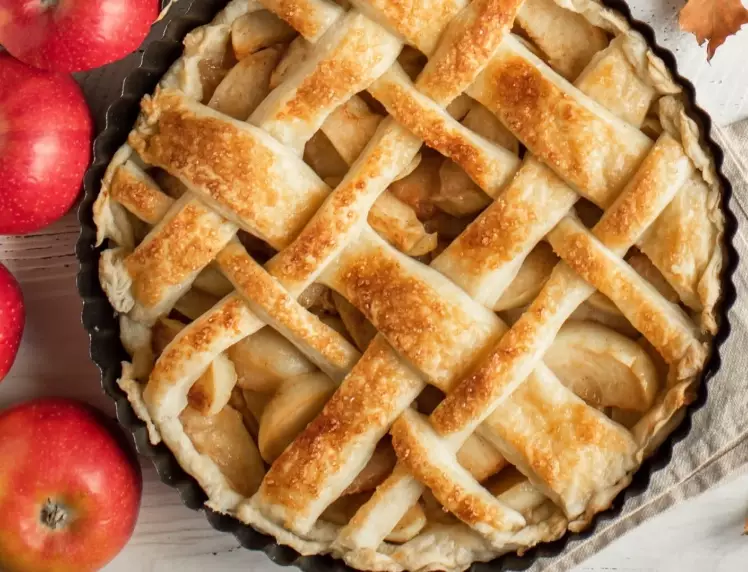
The Underdog Champion: Northern Spy
If you can find it, grab it. Northern Spy is the holy grail for many old-school pie bakers. It's tart, aromatic, and has an incredible ability to hold its slice shape while becoming perfectly tender. It's not always in supermarkets, but check farmer's markets in the fall. It's a revelation.
The Pro Move: How to Mix Apples for Complex Flavor
Using one apple type is fine. Using two or three is how you win pie contests. You're building layers of flavor and texture.
The Classic Balanced Blend: 50% Granny Smith (for tartness and structure) + 50% Honeycrisp or Braeburn (for depth of sweetness and aroma). This is my go-to, never-fail combination.
The "Fancy Farmer's Market" Blend: 1/3 Northern Spy (structure), 1/3 Jonagold (creaminess), 1/3 Mutsu/Crispin (spicy sweetness). This creates a pie with incredible nuance in every bite.
The "What's in My Kitchen" Practical Mix: Got two Granny Smiths and three Fujis? Use them! Just treat the Fujis (a juicier apple) by slicing them a bit thicker and maybe reducing any added liquid in your recipe slightly.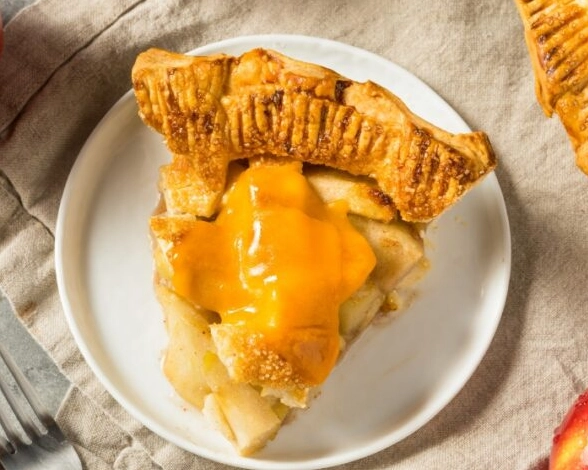
Watch Out: Avoid mixing more than three varieties. The flavors can become muddy and indistinct. Two is often perfect.
3 Common Apple Selection Mistakes (And How to Avoid Them)
1. Choosing Apples Solely by Sweetness
Sweetness alone makes a flat, cloying pie. Acidity is the secret weapon that makes the flavors pop and balances the sugar. A tart apple is non-negotiable in your mix.
2. Assuming All "Firm" Apples are Good
Red Delicious is firm. It's also terrible for pie—mealy, bland, and aromaless. Firmness needs to be paired with good flavor and the right kind of cell structure that softens pleasingly.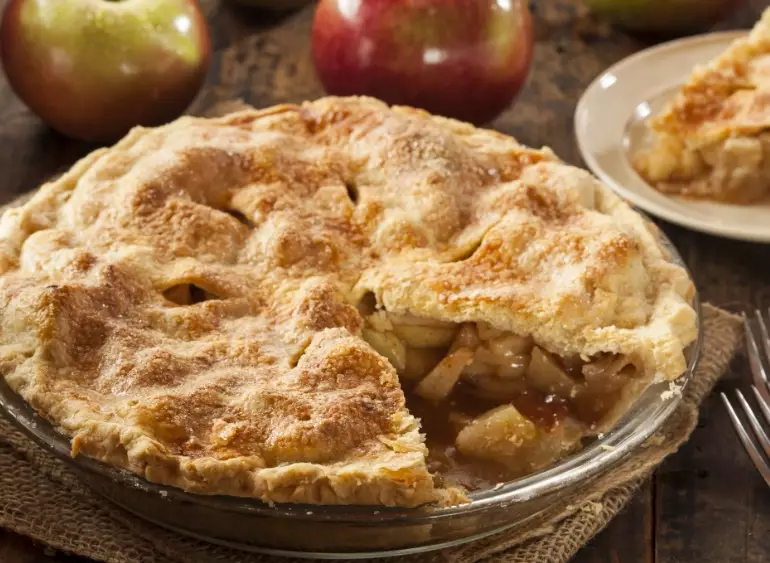
3. Not Adjusting for Moisture
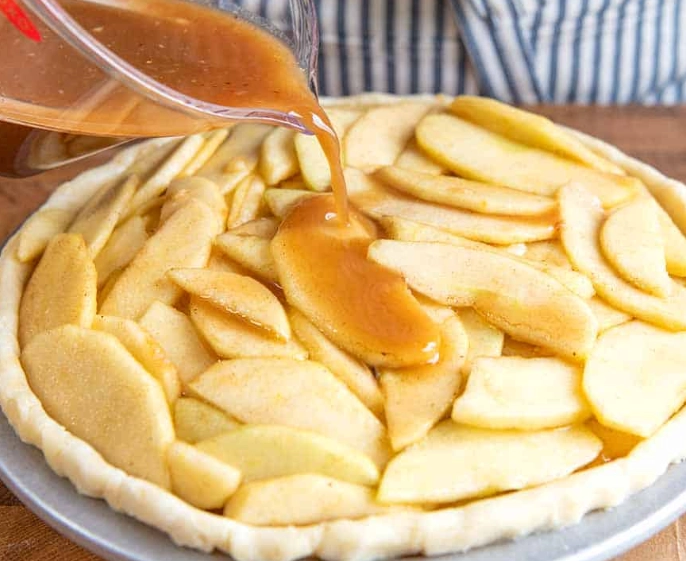
Juicier apples (like McIntosh, Fuji) release a lot of liquid. If your recipe is designed for drier apples, you'll get soup. The fix? After slicing and mixing with sugar/spices, let the bowl sit for 30 minutes. Then, drain off the accumulated liquid and reduce it in a saucepan until syrupy before adding it back to the filling. Game changer.
A Simple Step-by-Step Guide to Choosing at the Store
Standing in the produce aisle feeling overwhelmed? Follow this.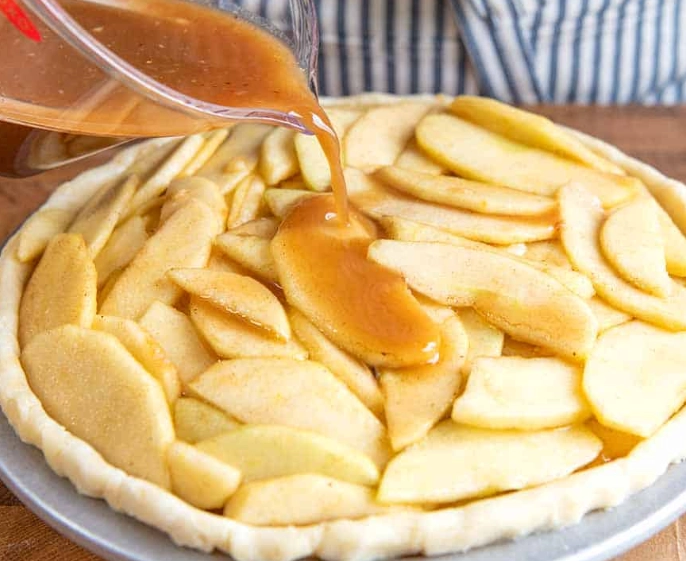
- Look for Variety Names: Ignore the generic "Baking Apples" bin. Read the labels on the bags or signs. You want to see specific names: Granny Smith, Braeburn, Honeycrisp.
- Go for Feel: Pick up an apple. It should feel dense and heavy for its size, not light. This indicates less airy, more solid flesh.
- Check the Calendar: Apples for pie are best in the fall—their peak harvest season. Apples stored for months by spring can be softer and less flavorful. Fall is prime pie time.
- Buy One Extra: Recipes call for “about 3 pounds.” Varieties differ in size. Buy an extra apple or two to ensure you have enough after peeling and coring.
Reader Comments