Quick Guide
- What Are Crimini Mushrooms, Really?
- Nutrition & Health Benefits: More Than Just Flavor
- Crimini vs. White Button vs. Portobello: A Quick Comparison
- How to Pick and Store Crimini Mushrooms
- How to Cook Crimini Mushrooms: Techniques That Work
- Answers to Your Crimini Mushroom Questions (FAQ)
- Simple Recipes & Ideas to Get You Started
- A Few Final Thoughts
You've probably seen them a hundred times at the grocery store. Sitting right there next to the classic white button mushrooms, maybe looking a little more... interesting. A bit darker, a bit firmer, often with a slightly more substantial price tag. Those are crimini mushrooms. I used to walk right by them, honestly. Why pay more when the white ones are right there?
Then, on a whim, I bought a pack. I was making a simple pasta sauce, and I figured, why not? The difference was not subtle. It was like switching from canned tomatoes to sun-dried ones. A deeper, earthier, almost nutty flavor just filled the kitchen. That was it for me and the bland white buttons for anything where flavor actually mattered.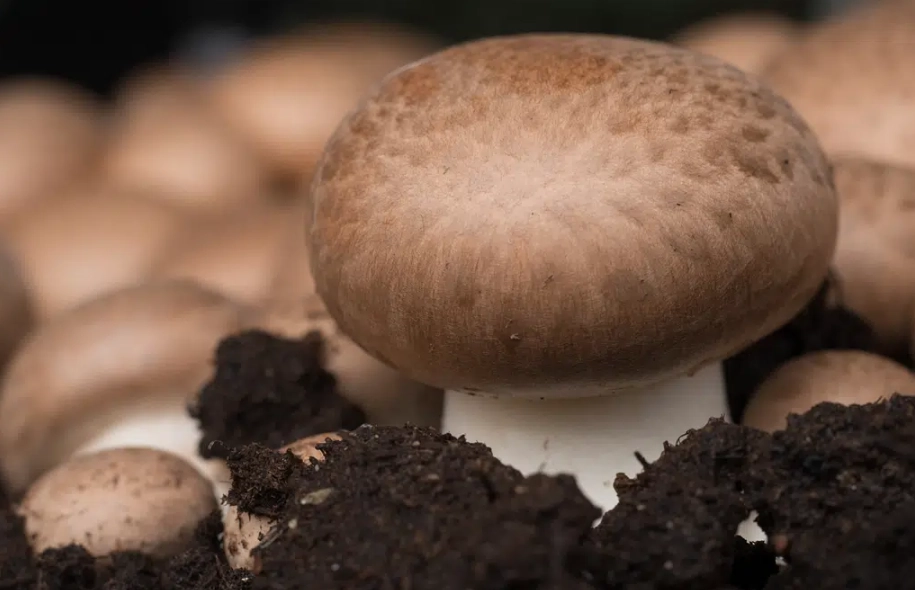
If you're curious about crimini mushrooms but aren't quite sure what to do with them, you're in the right spot. This isn't just a list of facts. It's a deep dive from a home cook who got obsessed. We'll talk about what they really are, why they're worth your money (and when they might not be), exactly how to cook them so they shine, and answer all those little questions that pop up when you're staring at them in the produce aisle.
What Are Crimini Mushrooms, Really?
Let's clear up the confusion first. Crimini mushrooms aren't some exotic, hard-to-find fungi. They're actually the adolescent version of the common white button mushroom (*Agaricus bisporus*). Think of the white button as the teenager, the crimini as the young adult, and the portobello as the full-grown adult. They're all the same species, just harvested at different stages of maturity.
The "cremini" spelling (with an 'e') is also perfectly correct and used interchangeably. The name comes from the Italian word for "cream," referring to their creamy brown color. That color is the first big giveaway. While white buttons are, well, white, crimini mushrooms have a light to dark tan or pale brown cap. The cap is also usually a bit more domed and less perfectly round.
Quick Identity Check: Look for a small to medium mushroom with a smooth, tan to brown cap, pale brown gills underneath (that are still closed, not black and exposed like a portobello), and a short, stout stem. If it looks like a more flavorful, browner version of a white button mushroom, you've got a crimini.
Their flavor is where they truly separate themselves. White buttons can be a bit watery and mild, sometimes even slightly metallic if eaten raw. Crimini mushrooms have a more concentrated, earthy, and umami-rich taste. It's a heartier, more robust flavor that stands up to cooking much better. The texture is meatier too—less prone to turning into mush.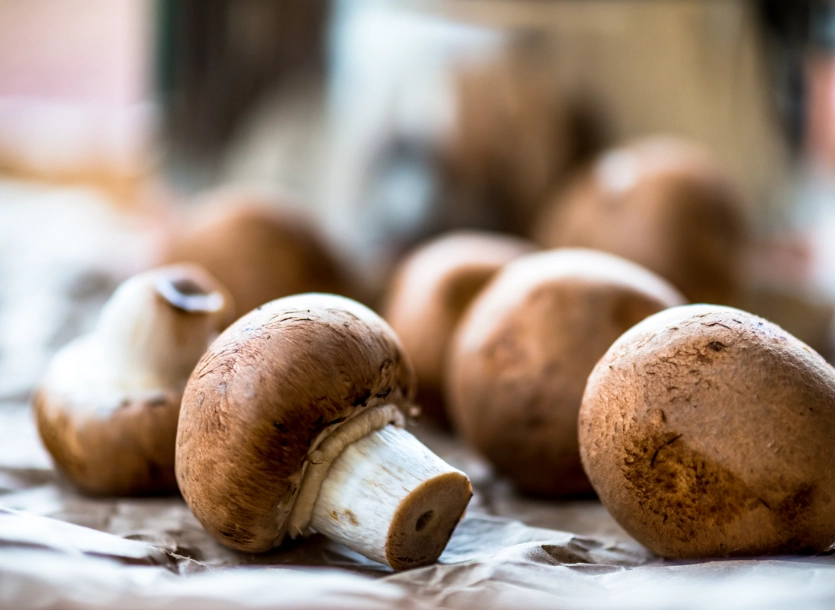
So why aren't all mushrooms just criminis? It's partly a market and cultivation thing. White buttons grow faster and are more uniform, making them cheaper to produce and sell. Crimini mushrooms are left to grow a bit longer, developing that deeper color and flavor profile. It's a simple case of more time equals more taste.
Nutrition & Health Benefits: More Than Just Flavor
Okay, so they taste good. But are they good for you? The short answer is a resounding yes. Crimini mushrooms are a nutritional powerhouse hiding in plain sight. They're low in calories, fat-free, cholesterol-free, and very low in sodium. But the real benefits are in what they *do* contain.
First up: selenium. This is a big one. Selenium is a crucial antioxidant that many people don't get enough of. It helps protect your cells from damage and supports your immune system. A serving of crimini mushrooms provides a significant chunk of your daily needs. They're also a good source of B vitamins, especially riboflavin (B2), niacin (B3), and pantothenic acid (B5), which are essential for energy metabolism and nervous system health.
Then there's the mineral content. Copper for red blood cell formation, potassium for blood pressure regulation, and phosphorus for healthy bones and teeth. They even provide a small amount of dietary fiber.
A Note on "Superfood" Hype: I'm always skeptical of that label. Calling crimini mushrooms a superfood might be a stretch, but they are a superbly dense source of certain nutrients for very few calories. They're a fantastic way to add nutritional value to a meal without adding junk. The USDA FoodData Central database is a great resource if you want to dive into the precise numbers yourself.
One of the most interesting aspects is their potential role in supporting immune function. Some studies, like those referenced by institutions like Memorial Sloan Kettering Cancer Center in their complementary therapy information, have looked into beta-glucans (fibers found in mushrooms) and their immune-modulating effects. It's promising research, though it's always important to view it as part of a overall healthy diet, not a magic bullet.
Personally, I just like knowing that something that makes my stew taste incredible is also quietly doing good things for my body. It's a win-win.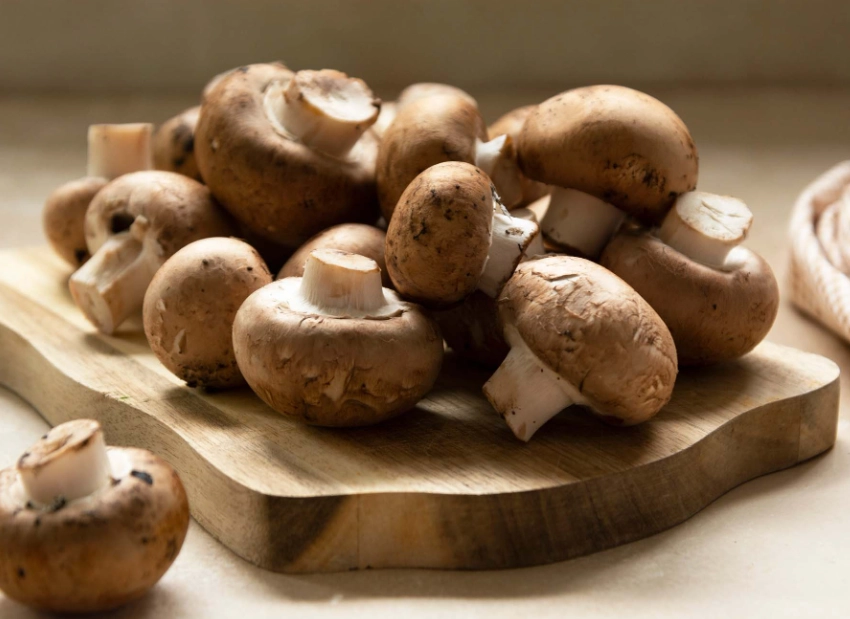
Crimini vs. White Button vs. Portobello: A Quick Comparison
Since they're all family, how do you choose? This table breaks it down. It's not about one being "better," but about which is right for your dish.
| Feature | White Button Mushroom | Crimini Mushroom | Portobello Mushroom |
|---|---|---|---|
| Stage | Young, immature | Adolescent | Fully mature |
| Color | White | Light to dark tan/brown | Dark brown, often with open cap |
| Flavor | Mild, slightly earthy, can be watery | Earthy, robust, nutty, umami-rich | Very earthy, meaty, intense |
| Texture | Softer, can get mushy | Firmer, meatier | Very dense, chewy, steak-like |
| Best Uses | Salads (raw), cream sauces, where a subtle flavor is desired | Sautés, soups, stews, stir-fries, pasta sauces, pizzas | Grilling, roasting, as a meat substitute ("portobello burger") |
| Price Point | Usually cheapest | Mid-range | Usually most expensive |
My rule of thumb? For 90% of my cooked dishes where I want real mushroom flavor, I reach for the crimini. They're the perfect middle ground.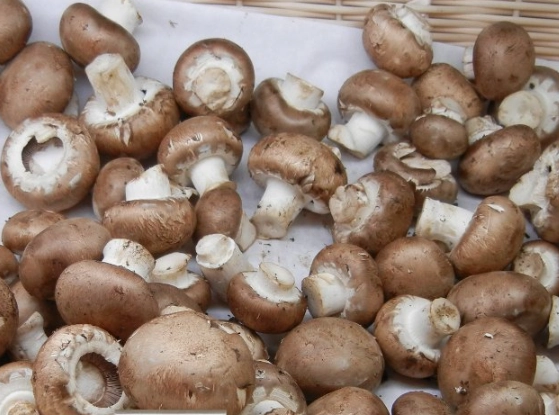
How to Pick and Store Crimini Mushrooms
Buying mushrooms can be a bit of a gamble. Here’s how to stack the odds in your favor.
At the Store: What to Look For
Avoid packages with lots of moisture or condensation inside the plastic. That's a fast track to slime city. The crimini mushrooms themselves should feel firm and dry to the touch, not damp or slippery. The caps should be intact, not broken or badly bruised. A few small blemishes are fine—they're natural products, after all. The gills underneath should be a pale tan or light brown, not black and splayed open (that's a sign of a very mature mushroom, closer to a small portobello).
Sometimes you can find them loose in bulk bins. This is often a great option because you can hand-pick each one and buy exactly the amount you need.
The Great Washing Debate
You'll hear chefs say never to wash mushrooms, just brush them off. The theory is they absorb water like a sponge and won't brown properly. I've tested this a lot. For crimini mushrooms, a quick rinse under cool running water right before you cook them, followed by a gentle pat dry with a paper towel, does not ruin them. They aren't that absorbent, especially if you cook them immediately. Don't soak them, but a rinse to get rid of growing medium is perfectly fine and recommended by food safety experts like the USDA Food Safety and Inspection Service. The key is to dry them well.
Storing Them for Maximum Freshness
This is crucial. Do NOT store them in the sealed plastic clamshell they came in. That traps moisture and speeds up decay. As soon as you get home, transfer them to a paper bag, or place them in a bowl covered loosely with a dry paper towel. Then put that in your refrigerator's main compartment (not the crisper drawer, which is often more humid). Stored this way, fresh crimini mushrooms can last 5-7 days, sometimes longer.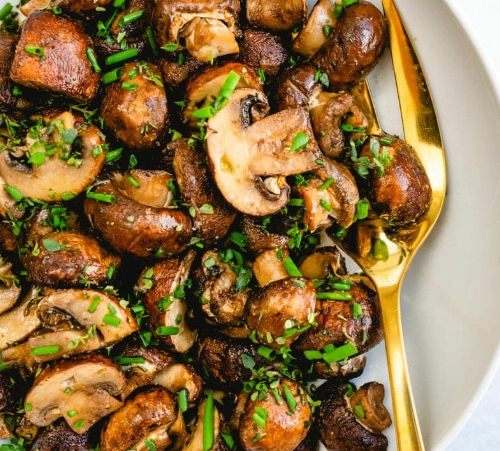
If they start to get a little wrinkly but aren't slimy, they're still perfectly good for cooking—the flavor might even be more concentrated.
How to Cook Crimini Mushrooms: Techniques That Work
This is where the magic happens. Cooking crimini mushrooms properly transforms them. The goal is to drive off their inherent moisture and concentrate their flavors through browning (the Maillard reaction).
The Golden Rule: Don't Crowd the Pan
This is the single most important tip. If you dump a whole pound of sliced criminis into a small skillet, they'll steam in their own liquid and turn into a soggy, gray mess. You want them to sauté, not boil. Use a large pan (a 12-inch skillet is ideal for a typical 8-oz package) and cook in batches if necessary. Give them space to breathe.
Step-by-Step Perfect Sauté
- Prep: Wipe or quickly rinse your crimini mushrooms. Slice them evenly, about 1/4-inch thick. Slicing exposes more surface area for browning.
- Heat the Pan: Use a heavy-bottomed skillet (stainless steel or cast iron are great for browning). Get it hot over medium-high heat.
- Fat is Flavor: Add a good tablespoon or two of oil with a high smoke point—avocado oil, grapeseed oil, or even a neutral olive oil. Butter is delicious but burns easily; use a mix of oil and butter if you want that buttery flavor.
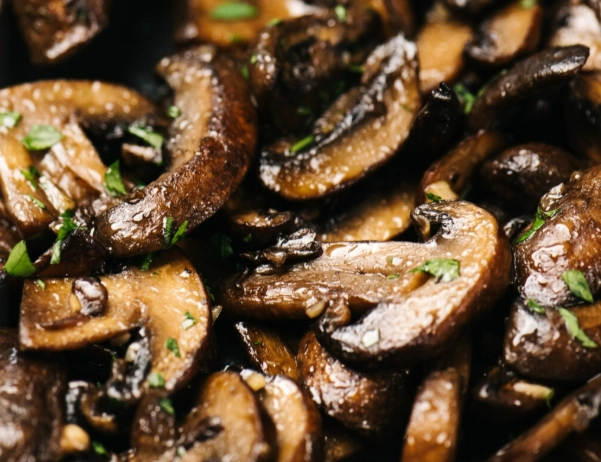
- Sear and Resist: Add the mushrooms in a single layer. You should hear a good sizzle. Now, leave them alone! Don't stir for a good 2-3 minutes. Let them develop a deep golden-brown crust on one side.
- Season and Finish: Once browned on one side, give them a stir. They'll release their water. Cook, stirring occasionally, until all the liquid evaporates and they're browned all over and tender. Season with salt and pepper towards the end of cooking—salting too early can draw out more water.
That's it. Perfectly cooked, meaty, flavorful crimini mushrooms. From here, you can add garlic, herbs (thyme is a classic), a splash of wine to deglaze the pan, or a bit of cream.
Other Fantastic Cooking Methods
- Roasting: Toss whole or halved crimini mushrooms with oil, salt, and pepper. Spread on a parchment-lined sheet pan and roast at 400°F (200°C) for 20-25 minutes, until shriveled and caramelized. The dry heat intensifies their flavor amazingly.
- Grilling: Skewer whole criminis or use a grill basket. Brush with oil and grill over medium heat until tender and charred in spots. Fantastic for adding smoky notes.
- Braising/Stewing: Add them early to soups, stews, and braises. They'll absorb the surrounding flavors and contribute their own umami depth to the entire dish.
Answers to Your Crimini Mushroom Questions (FAQ)
Are crimini mushrooms the same as baby bellas?
Yes, absolutely. "Baby bella" is just a marketing name created to make them sound cuter and more appealing. It refers to the fact that they are essentially small, immature portobellos (which are sometimes called "portabellas" or "portobellas"). If you see "baby bella" on a package, you're buying crimini mushrooms.
Can you eat crimini mushrooms raw?
Technically, yes, they are edible raw. However, I don't really recommend it. Unlike white buttons which are commonly used raw in salads, crimini mushrooms have a tougher cell wall made of chitin. Eating them raw can be hard to digest for some people and may cause mild stomach upset. More importantly, their flavor is very muted and earthy when raw. Cooking unlocks their true potential, making them more digestible and exponentially more flavorful. If you must use them raw, slice them very thinly.
Do you need to peel crimini mushrooms?
No, that's completely unnecessary and a waste of time. The skin is perfectly edible and contains flavor. Just give them a quick clean as described above.
Why are my cooked mushrooms rubbery?
This usually happens from undercooking. If you stop cooking crimini mushrooms while they're still releasing a lot of liquid, the texture can be rubbery. You need to cook them long enough for that liquid to fully evaporate and for the mushrooms themselves to soften and brown. Keep going! Low and slow cooking in a stew also prevents rubberiness.
Can I substitute crimini mushrooms for white mushrooms in a recipe?
In almost all cooked applications, yes, and it will be an upgrade. The flavor will be deeper and richer. The only time I might hesitate is in a very delicate dish where a strong mushroom flavor might overpower other ingredients, or in a application where they are meant to be eaten raw. In a cooked soup, sauce, or sauté, swap them 1:1 with confidence.
Simple Recipes & Ideas to Get You Started
You don't need a fancy recipe. Start by simply swapping them into your usual dishes. But here are a few dead-simple ideas that highlight their qualities.
Crimini Mushroom "Umami Bomb" Pasta
Sauté a sliced package of crimini mushrooms as described above. When they're nearly done, add 2-3 minced garlic cloves for 30 seconds, then a big handful of chopped fresh parsley. Toss this with hot cooked pasta (like fettuccine or rigatoni), a glug of good olive oil, a handful of grated Parmesan, and a splash of the pasta cooking water to make a silky sauce. Salt and pepper to taste. It's shockingly good for how simple it is.
The Ultimate Breakfast Side
Chop crimini mushrooms roughly. Sauté them in the same pan you just cooked bacon or sausage in (talk about flavor). Cook until deeply browned and crispy at the edges. Serve alongside your eggs. It beats hash browns any day, in my opinion.
Simple Roasted Side Dish
Toss halved crimini mushrooms with olive oil, salt, pepper, and a few sprigs of fresh thyme. Roast at 425°F (220°C) for 20-25 minutes until caramelized. Finish with a squeeze of lemon juice. This works with almost any main course, from chicken to steak.
A Few Final Thoughts
Crimini mushrooms went from being an ingredient I ignored to a staple I almost always have in my fridge. They're reliable, packed with flavor, and versatile enough for a quick weeknight dinner or a more involved weekend meal.
Are they perfect? Well, no. They can be a bit more expensive than white mushrooms, and if you overcook them into oblivion, they can get tough. Sometimes you get a batch that's just a bit too sandy. But the pros far, far outweigh the cons.
The next time you're at the store, skip past the white buttons and grab the brown ones. Give them a try in your next sauce, stir-fry, or roast. Start with a simple sauté with just a little garlic and butter. I think you'll notice the difference immediately. Once you get a taste for that deeper, earthier flavor, it's hard to go back.
Honestly, my biggest regret is not trying them sooner.
Reader Comments