Fig Explorer's Quick Guide
- So, What Exactly is a Fig? A Quick Botanical Reality Check
- How to Make Sense of the Fig Variety Jungle
- A Handy Guide to Common (and Not-So-Common) Fig Varieties
- How Do You Choose the Right Fig Type For YOU?
- Beyond the Label: What Nobody Tells You About Growing Different Fig Types
- Answers to the Questions You're Actually Asking (FAQ)
Let's talk about figs. You know, those lumpy, sometimes intimidating fruits you see at the fancy grocery store or maybe growing wild in a neighbor's yard. For years, I thought there was just one kind – the dried one in a Newton cookie. Boy, was I wrong. The universe of types of figs is vast, colorful, and packed with flavors that range from honey-sweet to rich and berry-like. Whether you're a gardener trying to pick a tree, a foodie looking to explore, or just someone who's curious, understanding the different varieties is the key to unlocking a whole new level of appreciation.
It's more than just brown or purple. The differences can affect everything: when they fruit, how sweet they are, whether you need two trees, and most importantly, what they taste like straight off the branch. I remember my first real fig, a ripe 'Brown Turkey' plucked warm from the sun. The skin gave way with a slight tear, revealing a jeweled, crimson interior that tasted like jam. It was nothing like the dried version. That moment sent me down a rabbit hole, and I've been growing and tasting different fig varieties ever since.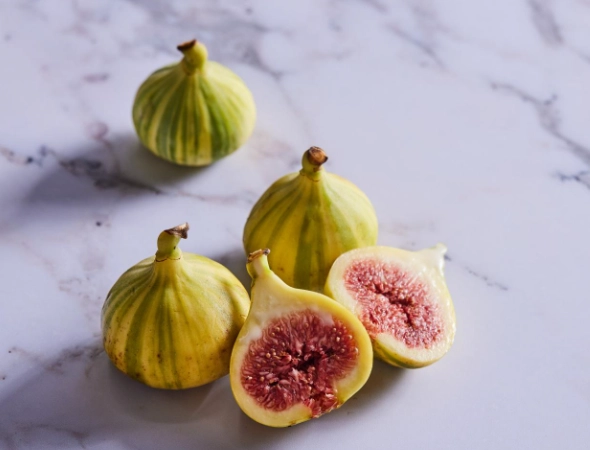
So, What Exactly is a Fig? A Quick Botanical Reality Check
Before we dive into the list, let's clear something up. A fig isn't a regular fruit. It's technically a syconium – a fleshy, inverted flower cluster. All those tiny seeds inside? Each one comes from its own tiny flower. This weird structure is why figs have such a unique relationship with specific wasps for pollination in their native lands. But don't worry, most common types of figs grown in home gardens are what we call "common figs" and don't need pollination at all to produce edible fruit. That's a relief for most of us who aren't trying to cultivate wasp colonies.
Figs have been cultivated for thousands of years, and over that time, hundreds of cultivars have emerged. They've been bred for taste, hardiness, skin color, ripening time, and suitability for drying or fresh eating. The University of California's Division of Agriculture and Natural Resources has some fantastic, detailed resources on fig tree care and varieties suited to different climates, which is a great place to start for serious growers.
How to Make Sense of the Fig Variety Jungle
You can't just walk into a nursery and say "I want a fig tree." Well, you can, but you might get something that doesn't suit your needs. Classifying fig varieties helps us make sense of the options. Here are the main ways to slice the pie.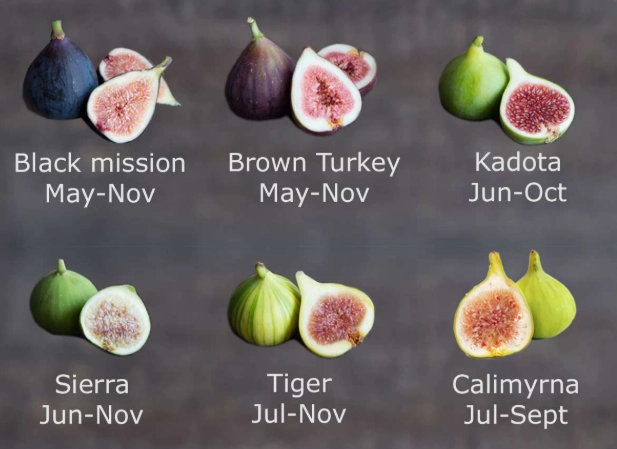
The Big Three: Common, Smyrna, and San Pedro
This is the most crucial classification for gardeners, based on their fruiting habits and pollination needs.
- Common Figs: The heroes of the home garden. These are parthenocarpic, meaning they set fruit without any pollination whatsoever. They produce one main crop (called the breba crop) on old wood in early summer, and a larger, primary crop on new growth in late summer/fall. This is the category where 99% of popular home garden varieties fall, like 'Brown Turkey', 'Celeste', and 'Chicago Hardy'. If you're planting one tree, it's almost certainly a common fig.
- Smyrna Figs: These require cross-pollination by a specific fig wasp to develop edible fruit. No wasp, no fruit. They produce only the late-season primary crop. Smyrna types like 'Calimyrna' (the golden dried fig you know) are grown commercially in regions where the wasp is present, like parts of California, but are impractical for most backyard growers.
- San Pedro Figs: A bit of a hybrid. They reliably produce a breba crop without pollination, but the main crop requires pollination like a Smyrna fig. 'King' is a classic example. They're less common for the average gardener for the same reason as Smyrna types.
Skin Deep: Color-Based Groups
This is the easiest way to visually categorize types of figs. Skin color is a quick identifier, though it doesn't always predict flavor perfectly.
- Green/Yellow Figs: Varieties like 'Kadota', 'Lattarula', and 'Janice Seedless Kadota'. Their skin stays greenish or yellow even when ripe. They often have a milder, lighter, honey-like flavor and amber to strawberry-colored interiors. They can be less attractive to birds because they don't "look" ripe.
- Brown/Tan Figs: This is a huge group, including classics like 'Brown Turkey', 'Texas Everbearing', and 'Celeste'. The skin ranges from copper-brown to a dusky tan. They're often very reliable and productive, with flavors ranging from rich and sweet to more subtle.
- Purple/Black Figs: The dramatic ones. 'Black Mission', 'Violette de Bordeaux', 'Negronne'. Their skin turns a deep purple, almost black, when fully ripe. These often have a robust, intensely sweet, and sometimes berry-like flavor, with stunning deep red interiors. They're my personal favorites for fresh eating.
Heirloom vs. Commercial: A Flavor vs. Shipping Debate
Here's where things get interesting for food lovers. Many commercial fig varieties are chosen because they have a tough skin, dry down well, and can handle long-distance shipping. Think 'Calimyrna' for drying or a firm 'Brown Turkey' for supermarkets.
Heirloom figs, on the other hand, are often chosen for one thing above all else: sublime, complex, melt-in-your-mouth flavor and texture. They might have thinner skins, be more prone to splitting in rain, or have a shorter shelf life. But oh, the taste. Varieties like 'LSU Purple', 'Improved Celeste', or 'Violette de Bordeaux' are legendary among fig enthusiasts for their concentrated sweetness and jammy interiors. They're the ones you grow yourself or seek out at a farmer's market, because you'll rarely see them in a store.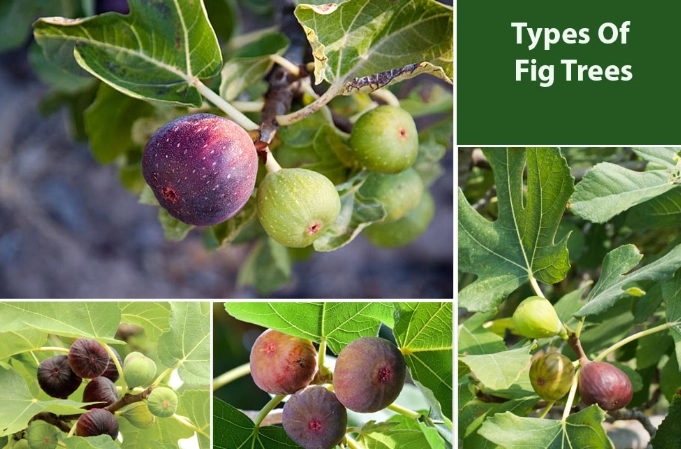
A Handy Guide to Common (and Not-So-Common) Fig Varieties
Let's get into the nitty-gritty. Here's a breakdown of some of the most popular and noteworthy types of figs you're likely to encounter or consider planting. I've grown or tasted most of these, so I'll give you my honest, from-the-dirt perspective.
| Variety Name | Skin Color | Interior Color & Flavor Profile | Best Uses & Key Traits |
|---|---|---|---|
| Black Mission | Deep purple to black | Strawberry red. Very sweet, rich, berry-like. Classic fig flavor. | Excellent fresh, drying, or jam. Very productive, two crops. A bit fussy about overwatering. |
| Brown Turkey (a.k.a. Texas Everbearing) | Copper-brown to purple-brown | Amber to light pink. Mild, sweet, not overly complex. A crowd-pleaser. | Super reliable, hardy, great for beginners. Good fresh or in recipes. Flavor can be a bit bland in wet years. |
| Celeste (Sugar Fig) | Light brown to violet | Light strawberry. Intensely sweet, honey-like. Small but mighty. | Fresh eating champion. Highly disease resistant, cold hardy. Fruit is small and skin is tender—eats like candy. |
| Kadota | Greenish-yellow | Amber. Delicate, mild, sweet, less "figgy." Almost floral. | Canning, preserving, eating fresh. Thick skin, few seeds. The classic "fig newton" fig. Less cold hardy. |
| Chicago Hardy | Purple-brown when ripe | Rich strawberry red. Surprisingly sweet and tasty for its hardiness. | THE go-to for cold climates (down to Zone 5/6 with protection). Dies back, regrows, and still fruits. A true survivor. |
| LSU Purple (an heirloom gem) | Dark purple | Deep red. Exceptionally sweet, rich, and complex. Top-tier flavor. | Pure fresh eating delight. Prolific, early ripening. A favorite among fig geeks. Can split in heavy rain. |
| Panache (Tiger Fig) | Green with distinctive dark green stripes | Strawberry red. Sweet, rich, and flavorful. A real show-stopper. | Conversation piece. Excellent fresh flavor. Striking appearance. Slower grower, needs hot summer to ripen well. |
| Violette de Bordeaux (Negronne) | Very dark purple, almost black | Deep crimson to blood red. Intense, sugary, berry-jam flavor. | Container superstar. Small tree, huge flavor. Perfect for patios. Considered one of the best-tasting varieties, period. |
That table covers the heavy hitters, but there are literally hundreds more. Once you start looking, you'll find names like 'Peter's Honey', 'Desert King', 'Olympian', and 'White Genoa'. Part of the fun is discovering a variety that thrives in your particular microclimate.
How Do You Choose the Right Fig Type For YOU?
This is the million-dollar question. With so many types of figs, picking one can feel overwhelming. Let's break it down by your primary goal.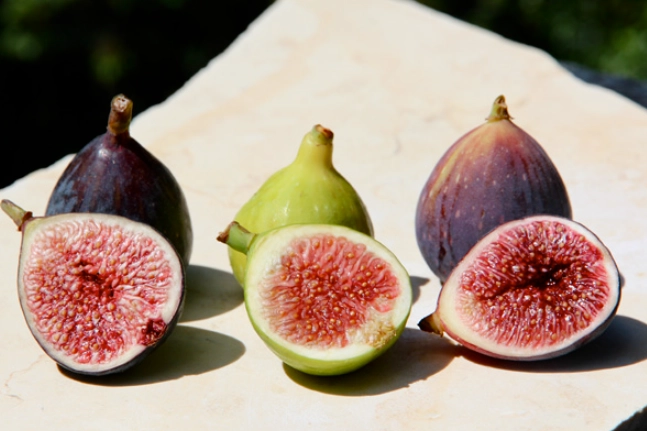
For the Absolute Beginner Gardener
You want success, above all. Look for proven, tough, and adaptable varieties.
- Top Pick: Celeste. It's small, hardy, pest-resistant, and produces incredibly sweet fruit. It rarely gets huge, making it manageable.
- Runner-Up: Chicago Hardy. If you live where winters are cold, this is your champion. It will freeze to the ground and come back fruiting.
- Also Great: Brown Turkey/Texas Everbearing. The name says it all. It's hard to kill and will give you a steady supply of decent figs.
Start with one. See how it goes. You can always add more later (and you probably will).
For the Foodie & Fresh-Eating Fanatic
You care less about volume and more about that transcendent, life-changing flavor moment.
- Top Pick: Violette de Bordeaux (Negronne). The flavor concentration is unreal for its size. Perfect for a pot on a sunny deck.
- Runner-Up: LSU Purple. Bigger fruit than VdB, same incredible, rich, berry-jam intensity. A must-try.
- Wild Card: Panache (Tiger Fig). The flavor is excellent, and the striped fruit is a work of art. Impress your friends.
These heirloom figs are worth the extra care (like protecting from heavy rain to prevent splitting).
For the Preserver & Cook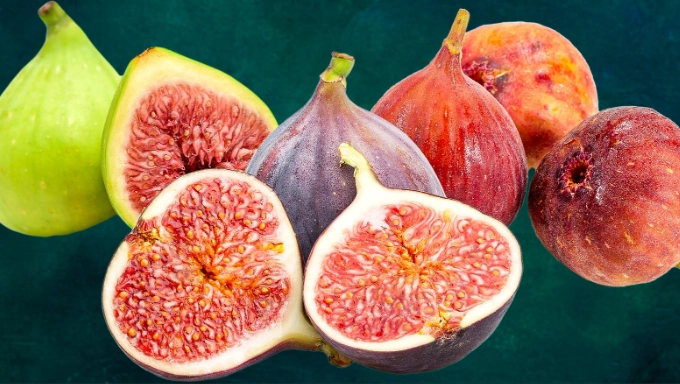
You want figs for jam, drying, baking, or canning. You need good yield and fruit that holds up.
- Top Pick: Kadota. Thick skin, fewer seeds, mild flavor that takes well to spices and canning syrup. The classic preserving fig.
- Runner-Up: Black Mission. Dries beautifully into those chewy, sweet dried figs. Also makes a gorgeous, deep-colored jam.
- Also Great: Brown Turkey. A reliable workhorse that produces plenty of fruit for all your kitchen experiments.
Beyond the Label: What Nobody Tells You About Growing Different Fig Types
Okay, you've picked a variety. Now what? Here's the real-world stuff that catalogue descriptions gloss over.
Ripening Time is Everything. In cooler climates, early-ripening varieties are crucial. 'Celeste' and 'LSU Purple' ripen their main crop earlier than, say, 'Panache', which needs a long, hot summer. If you have short seasons, choose an early fig. The University of California's Fig Research and Information site has regional guides that can help match varieties to your climate's heat units.
The Container Life. Almost all fig varieties can be grown in large containers, which is perfect for controlling size and moving them for winter protection. Some, like 'Violette de Bordeaux' and 'Little Ruby', are naturally dwarf and excel in pots. The key is a big pot (15+ gallons), well-draining soil, and consistent summer watering and feeding.
The Splitting Dilemma. This is the heartbreak of fig growing. A perfect, nearly ripe fruit cracks open after a summer rain. Thin-skinned, super-sweet varieties (like many heirlooms) are most prone. There's no perfect fix, but consistent watering (not letting the soil dry out completely and then get soaked) helps reduce the pressure change that causes splits. Sometimes, you just shake your fist at the sky.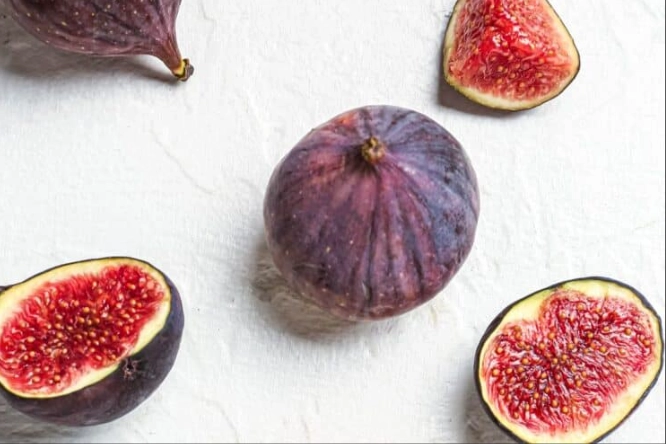
Answers to the Questions You're Actually Asking (FAQ)
- Too young: Most figs need 2-4 years to mature enough to fruit heavily.
- Too much nitrogen: You're growing a jungle of leaves, not fruit. Go easy on fertilizer.
- Too little sun: Figs need at least 8 hours of direct sun. Less equals fewer or no figs.
- Over-pruning: You might have cut off the wood that would have produced the breba crop.
- Winter kill: In cold areas, the fruiting wood may have died back. That's where a variety like 'Chicago Hardy' shines.
- Wrong type: Did you accidentally get a Smyrna or San Pedro fig that needs pollination? Unlikely from a nursery, but possible.
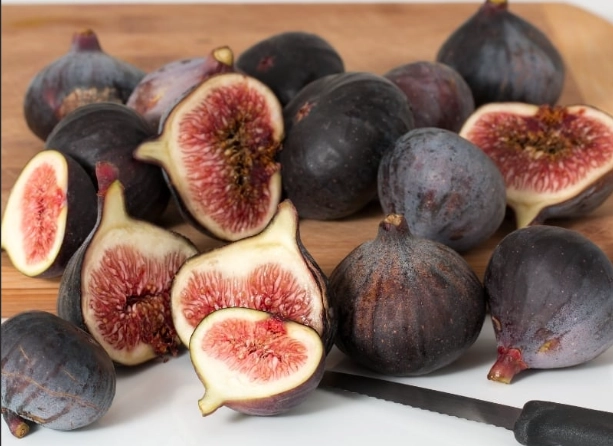
Look, at the end of the day, exploring different types of figs is a journey. It's about taste, patience, and a little bit of dirt under your nails. Don't stress about finding the "perfect" one. Find one that suits your climate and your taste buds, plant it, and pay attention. The tree will tell you what it needs. And when you bite into that first warm, sun-ripened fig from your own tree, you'll realize all the varieties and details were just leading up to that perfect, simple moment. Happy growing—and eating.
Reader Comments