In This Article: Your Baking Guide
- Why Apple Choice Makes or Breaks Your Pie
- The Usual Suspects: Apples That Belong in a Lunchbox, Not a Pie Dish
- Beyond the Big Names: Other Poor Performers
- The Texture & Flavor Breakdown: A Quick Guide
- The "It Depends" Zone: Controversial Apples
- So, What SHOULD You Use? (The Antidote)
- Answering Your Apple Pie Apple Questions
- The Final Slice: How to Never Choose a Bad Apple Again
Let's be honest. We've all been there. You follow a recipe to the letter, you spend ages on that lattice crust, you're filled with anticipation as the smell of cinnamon fills your kitchen... only to cut into a pie that's a soggy, mushy, flavorless mess. The crust is wet, the filling has the texture of baby food, and the taste is just... blah. After my third such disaster in a row a few years back, I almost swore off baking altogether. Then it hit me. It wasn't my technique, my oven, or my recipe. It was the apples.
I'd been using whatever was cheap and abundant at the grocery store, thinking an apple was an apple. I was wrong. Choosing the wrong apple for apple pie is the single biggest mistake a home baker can make, and it's a lesson learned the hard way. So, let's talk about the worst apples for apple pie. This isn't just about naming names; it's about understanding why they fail, so you can make informed choices and never suffer a pie fail again.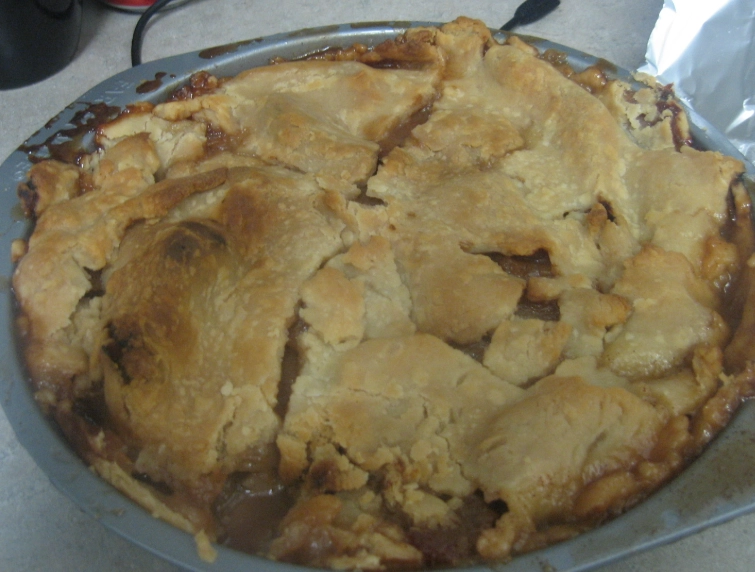
Why Apple Choice Makes or Breaks Your Pie
Before we get to the hall of shame, you need to know what you're looking for. A great pie apple needs to walk a tightrope. It needs to hold its shape when baked, not dissolve into applesauce. It needs to release some juice to create a luscious syrup with the sugar and spices, but not so much that it floods the crust. And crucially, it needs a vibrant balance of sweetness and acidity to cut through the butter and sugar, giving the pie depth and character.
The main culprits of a bad pie are apples that are too watery, too low in acid, too soft, or simply too bland. The texture issue is huge. Imagine the difference between a tender but distinct piece of apple and a vague, mushy puree. That difference is everything.
So, which apples create that mushy puree?
The Usual Suspects: Apples That Belong in a Lunchbox, Not a Pie Dish
These are the varieties that, in my experience and according to pretty much every seasoned baker, consistently deliver disappointing results. They are the definitive worst apples for apple pie.
Red Delicious
Oh, Red Delicious. The poster child for beautiful looks and profoundly mediocre eating. This is arguably the number one worst apple for apple pie. Its flesh is mild, sweet, and very low in acidity, which translates to zero flavor punch in a baked dish. Worse, its texture is mealy and soft. When baked, it doesn't hold its shape; it collapses into a grainy, mushy paste that offers no pleasant bite. All that beautiful red skin? It turns a dull, unappetizing color. The U.S. Apple Association even classifies it primarily as a snacking apple, not a cooking one. Save these for decoration or a quick snack.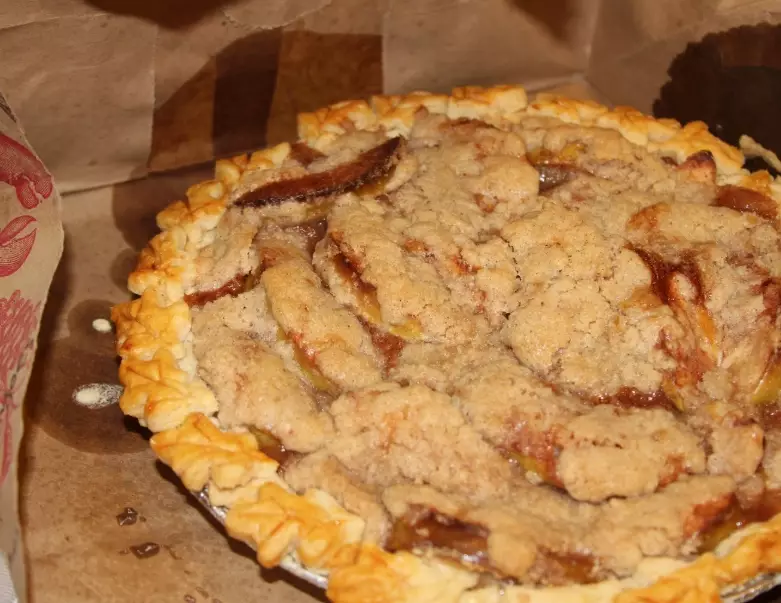
Golden Delicious
Don't let the name fool you. While slightly better than its red cousin, Golden Delicious is still a poor choice for a standalone pie. It's very sweet with very low acid, leading to a one-dimensional, cloying sweetness that lacks balance. Its flesh is tender and can turn mushy if overcooked even slightly. Some bakers use it as a small component in a blend to add sweetness, but on its own, it makes for a flat, overly soft filling. It's the apple that makes you think, "Is that all there is?"
McIntosh
This one is a classic heartbreaker and the source of many a mushy pie. People love McIntosh for its juicy, tangy snap when eaten fresh. That's the problem. That tender, juicy flesh breaks down completely with heat. McIntosh apples practically melt into applesauce the moment they hit a hot oven. You'll be left with a delicious-tasting applesauce pie, but not one with defined apple slices. If you're aiming for texture, McIntosh is a surefire path to disappointment. The Epicurious cooking guides often warn against using McIntosh for pies for precisely this reason.
Beyond the Big Names: Other Poor Performers
It's not just the Delicious family and McIntosh. Several other varieties will let you down.
- Cortland: Very similar to McIntosh (it's a child of McIntosh, actually). It's juicy, tender, and breaks down too easily. It oxidizes slowly (stays white), which is nice for fruit salads, but its texture is too soft for a good pie.
- Empire: Another McIntosh descendant. Crisp when fresh, but its fine-grained flesh turns soft and mushy when baked. It loses all structural integrity.
- Gala: A fantastic snacking apple, but for pie? It's too mild and sweet. Like Golden Delicious, it lacks the necessary acidity and its texture can become too soft, leading to a bland, mushy filling. It just doesn't have the backbone.
- Fuji: Incredibly sweet and crisp for eating, but that high sugar content and low acid make for an overly sweet, flat-tasting pie. They also hold a lot of water and can release too much juice, risking a soggy bottom crust.
See what I mean? Choosing the wrong apple isn't a minor detail; it's the core of the problem.
The Texture & Flavor Breakdown: A Quick Guide
This table sums up why these apples are the worst apples for apple pie. It's all about their inherent properties.
| Apple Variety | Primary Flaw for Pie | Result in the Filling | Better Used For |
|---|---|---|---|
| Red Delicious | Mealy texture, low acid, bland flavor | Grainy mush, no flavor definition | Snacking, decoration |
| Golden Delicious | Very low acid, tender flesh | Overly sweet, soft, one-dimensional | Snacking, blending (small amounts) |
| McIntosh | Extremely tender, juicy flesh | Complete breakdown into applesauce | Eating fresh, applesauce |
| Gala | Mild flavor, soft texture when baked | Bland, mushy filling | Snacking, salads |
| Fuji | Very high sugar, low acid, watery | Cloyingly sweet, soggy risk | Snacking, eating fresh |
Looking at that, it becomes pretty clear, doesn't it?
The "It Depends" Zone: Controversial Apples
Now, the baking world has some debates. Some apples are controversial. They're not universally agreed upon as the worst apples for apple pie, but they come with big caveats.
Braeburn
Some people swear by Braeburn for its sweet-tart flavor. I've had mixed results. While it holds its shape decently, I find it can sometimes be a bit dry and not release enough juice, leading to a filling that's a tad too firm and not saucy enough. Its flavor can also be a bit one-note. It's not a disaster, but it's not my first, second, or third choice.
Jonagold
A cross between Jonathan and Golden Delicious. It inherits the sweet, low-acid nature of Golden Delicious. While it has better texture than its parent, it can still lack the bright acidity a great pie needs. It often ends up in the "just okay" category for me—not terrible, but not great. Why settle for okay?
So, What SHOULD You Use? (The Antidote)
Knowing the worst apples for apple pie is only half the battle. The real win is knowing the champions. I always use a blend. A mix of two or three different types gives you complex flavor and guaranteed texture.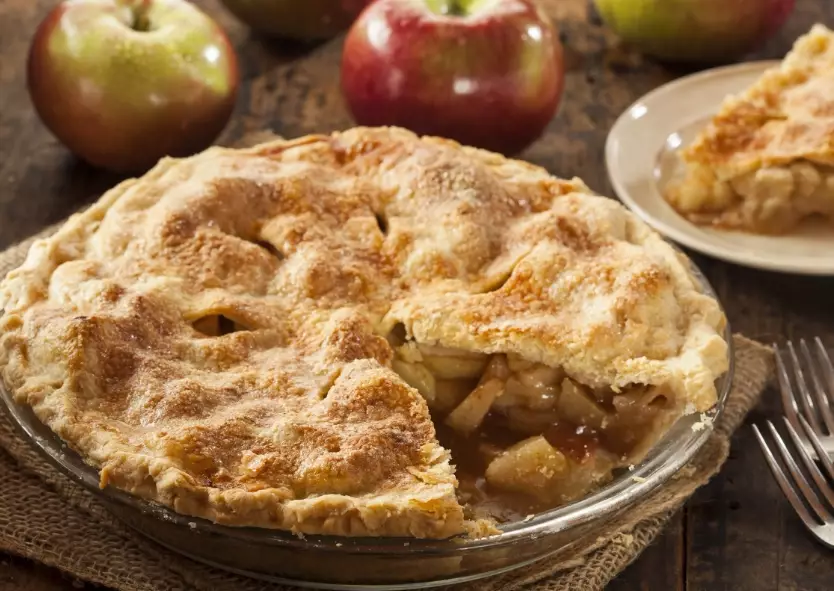
My go-to blend for a perfect, balanced pie:
- Granny Smith (60%): The backbone. High acid, tart flavor, and it holds its shape like a champion. It provides the necessary tang and structure.
- Honeycrisp (30%): Adds explosive sweetness, juiciness, and a fantastic floral aroma. It softens nicely but still maintains some integrity.
- Northern Spy or Pink Lady (10%): For depth. Northern Spy is a classic pie apple with great flavor and firmness. Pink Lady adds a lovely tart-sweet balance.
Other top-tier pie apples include: Rome Beauty (specifically for baking, holds shape beautifully), Jonathan (tart and juicy), Mutsu/Crispin (firm and sweet-tart), and Winesap (complex, spicy flavor).
Answering Your Apple Pie Apple Questions
Texture. Flavor. Juice. Get these three things right, and you're golden.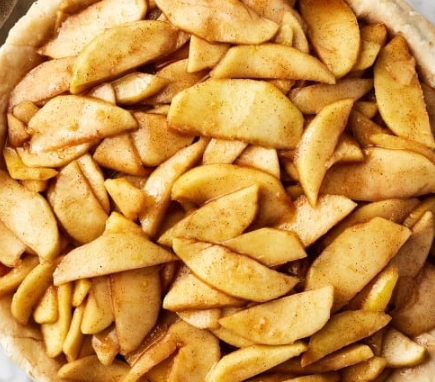
The Final Slice: How to Never Choose a Bad Apple Again
Forget memorizing lists. Here's a simple, foolproof framework to evaluate any apple for pie potential:
- The Squeeze Test (for firmness): A good pie apple should feel very firm and dense when you give it a gentle squeeze. If it gives easily, it's too soft and will bake into mush.
- The Flavor Profile Question: When you bite it raw, is the flavor vibrant and interesting? Does it have a noticeable tang or acidity behind the sweetness? If it tastes bland and simple raw, it will taste bland and simple baked.
- The Common Sense Check: Is it marketed everywhere as the perfect snacking apple? (Looking at you, Gala, Fuji, Red Delicious). If yes, it's probably a bad choice for pie. Seek out varieties specifically mentioned for baking or cooking.
Baking a great apple pie is incredibly satisfying. That flaky crust cradling a filling of tender, distinct slices in a glossy, spiced syrup—it's worth the effort. And the effort starts at the very beginning: in the produce aisle. Avoiding the worst apples for apple pie is the most important first step you can take.
My advice? Start with a reliable blend like Granny Smith and Honeycrisp. Taste your apples raw. Notice the textures. Bake, observe, and take notes. Your perfect pie is out there, and it starts by leaving those worst apples for apple pie right there on the grocery store shelf.
Happy baking!
Reader Comments