You walk into the grocery store, and it's all there: strawberries in December, asparagus in October, grapes year-round. It's a modern miracle, sure. But have you ever bitten into a bland, mealy tomato in January and wondered what the point was? That's the hidden cost of our global food system. Knowing what produce is actually in season where you live isn't just a quaint idea for foodies—it's the single biggest hack for better flavor, more nutrients, and often, a lower grocery bill. Let's cut through the noise and get straight to the good stuff.
Your Seasonal Produce Cheat Sheet
Why Bother with Seasonal Eating?
Look, I get it. Convenience wins. But after a decade of shopping at farmers markets and even growing some of my own food, the difference is night and day. It's not just about virtue signaling.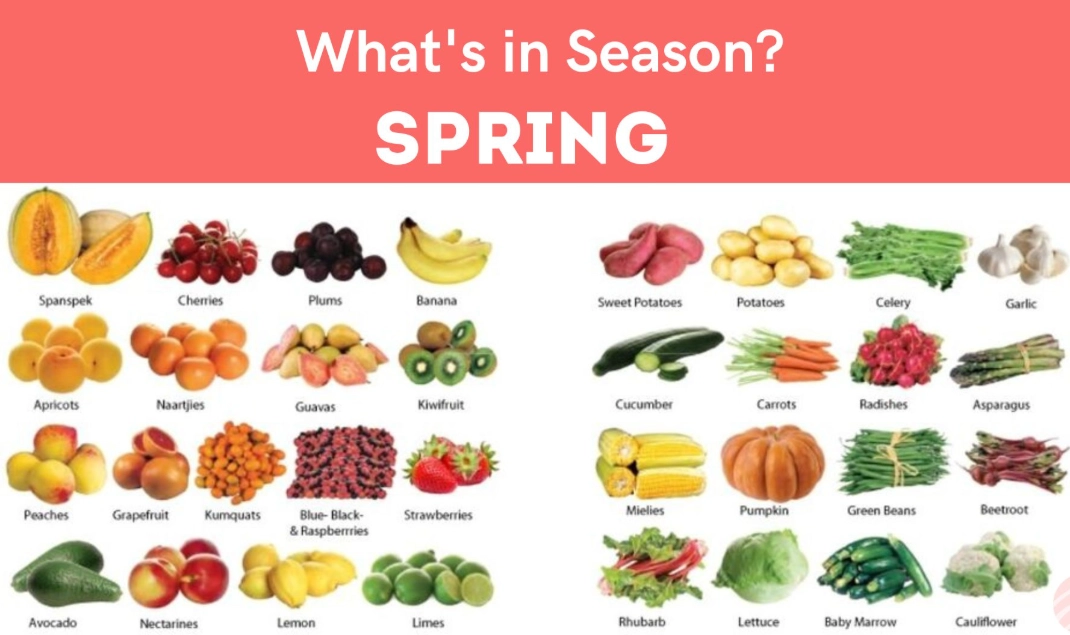
Flavor is the obvious one. A peach picked ripe in July, still warm from the sun, tastes like a completely different fruit than its hard, refrigerated cousin shipped from across the world. The sugar content, the aroma—it's transformative.
Nutrition follows closely. Produce harvested at its peak and consumed soon after has higher levels of vitamins, minerals, and antioxidants. A study in the Journal of Agricultural and Food Chemistry found that spinach grown in season had higher vitamin C levels. It makes sense—plants develop their full nutritional profile when they complete their natural growth cycle.
Then there's cost and community. When there's a glut of zucchini in August, prices drop. Buying directly from a farmer means your money stays local. You also get to ask questions: "When was this picked?" "What variety is this?" That connection changes how you think about food.
The environmental angle is real, too. The EPA has resources on the impact of food transportation. Shorter travel distances mean a smaller carbon footprint.
But the biggest perk no one talks about? It simplifies cooking. When you start with something that already tastes incredible, you don't need to do much. A drizzle of olive oil, a pinch of salt. Done.
Spring's Fresh Start (March-May)
Spring is all about tender, green, and crisp. After a winter of storage crops, these are the first fresh arrivals that signal warmer days.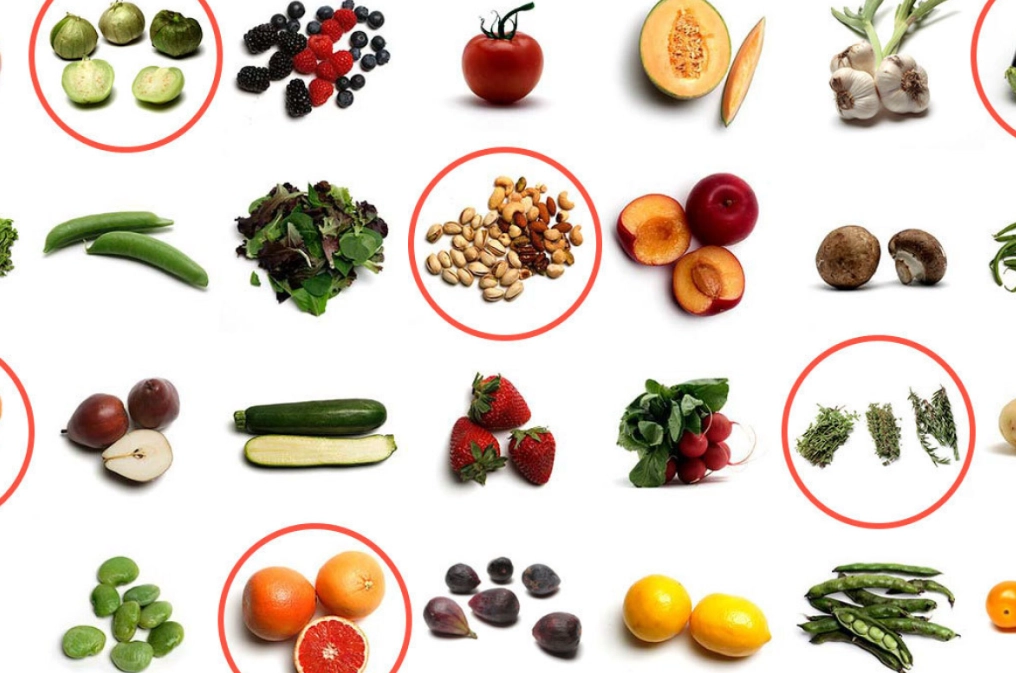
Look for these stars:
| Produce | Peak Notes & Tips |
|---|---|
| Asparagus | Early to mid-spring. Choose firm, bright green spears with tight tips. Snap off the woody ends—they'll break naturally where the tenderness starts. |
| Strawberries | Late spring into summer. True peak flavor hits when they're fully red, fragrant, and local. Avoid the giant, white-shouldered ones. |
| Peas (Sugar Snap, Snow) | The quintessential spring veg. They lose sweetness fast after picking, so buy from a farm stand if you can. Eat pods and all. |
| Radishes | Fast-growing and peppery. The greens are edible too! Sauté them like spinach. |
| Artichokes | Peak in April-May. Heavier globes feel denser and meatier. A little brown on the outer leaves is fine. |
| Rhubarb | Technically a vegetable, treated like a fruit. Needs sweetening. Look for crisp, brightly colored stalks. |
Spring is tricky because weather varies wildly. A late frost can delay strawberries. My rule: if it's at the farmers market, it's truly in season for your area. Supermarket "spring" labels can be misleading, often sourcing from warmer climates.
Summer's Sweet Peak (June-August)
This is the abundance you dream about. Colors explode, flavors are intense and sugary, and you can practically live on produce alone.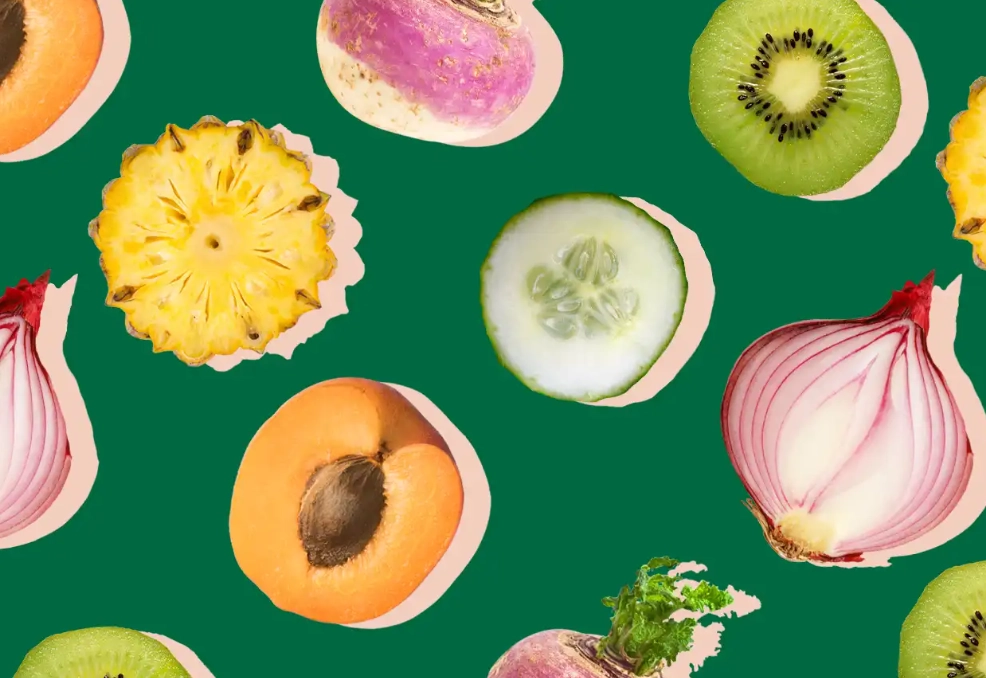
This is when you go big:
Stone Fruits: Peaches, nectarines, plums, apricots, cherries. They should yield slightly to gentle pressure and smell heavenly. Don't refrigerate them until fully ripe, or you'll kill the flavor.
Berries Galore: Blueberries, raspberries, blackberries. Check the bottom of the container for stains or mold. Berries are fragile; plan to use them within a day or two, or freeze them on a baking sheet.
The Tomato Triumph: Heirlooms, cherries, beefsteaks. This is their time. A summer tomato needs nothing more than salt. Anything less is a salad crime.
Corn: The "knee-high by July" saying is cute, but peak eating is late summer. Look for green, snug husks and moist stems. Eat it the day you buy it—sugars start converting to starch immediately.
Zucchini & Summer Squash: They grow so fast you might find them free on a neighbor's porch. Small to medium are most tender.
Melons: Watermelon, cantaloupe, honeydew. A good melon feels heavy for its size and has a sweet, fragrant smell at the stem end (for muskmelons).
Fall's Hearty Harvest (September-November)
The flavors deepen, the colors turn earthy, and the produce gets sturdier, perfect for storage and comforting meals.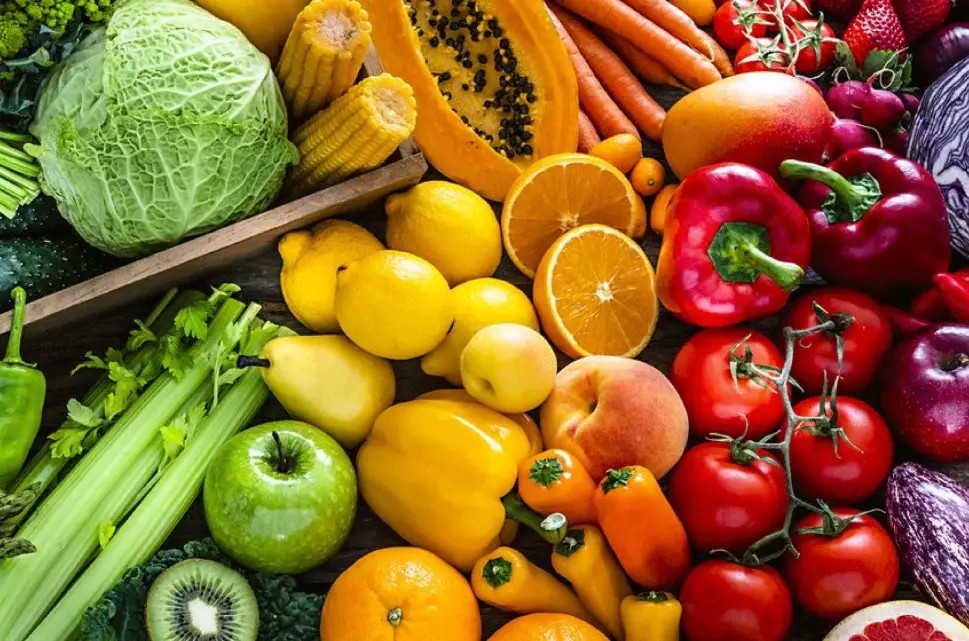
Roots and robust flavors take over:
| Produce | Peak Notes & Tips |
|---|---|
| Apples | Hundreds of varieties! Go beyond Red Delicious. Try Honeycrisp (sweet/crisp) for eating, Granny Smith (tart) for baking, or a local heirloom. |
| Pears | They ripen off the tree. Buy firm and let them soften at room temperature. Check the neck for ripeness. |
| Winter Squash | Butternut, acorn, delicata, spaghetti squash. Hard rinds mean they store for months in a cool, dark place. |
| Sweet Potatoes & Yams | Different plants, both delicious. Choose firm tubers without soft spots. |
| Brussels Sprouts | Best after a frost, which sweetens them. Look for small, firm, bright green sprouts on the stalk. |
| Cauliflower & Broccoli | Tight, compact florets with no yellowing. The leaves are edible and nutritious. |
| Cranberries | A true North American native. Peak harvest is in the fall. Buy extra bags to freeze. |
Winter's Sturdy Staples (December-February)
Don't let the quiet fields fool you. Winter is about storage crops, hearty greens, and citrus that brightens the gray days.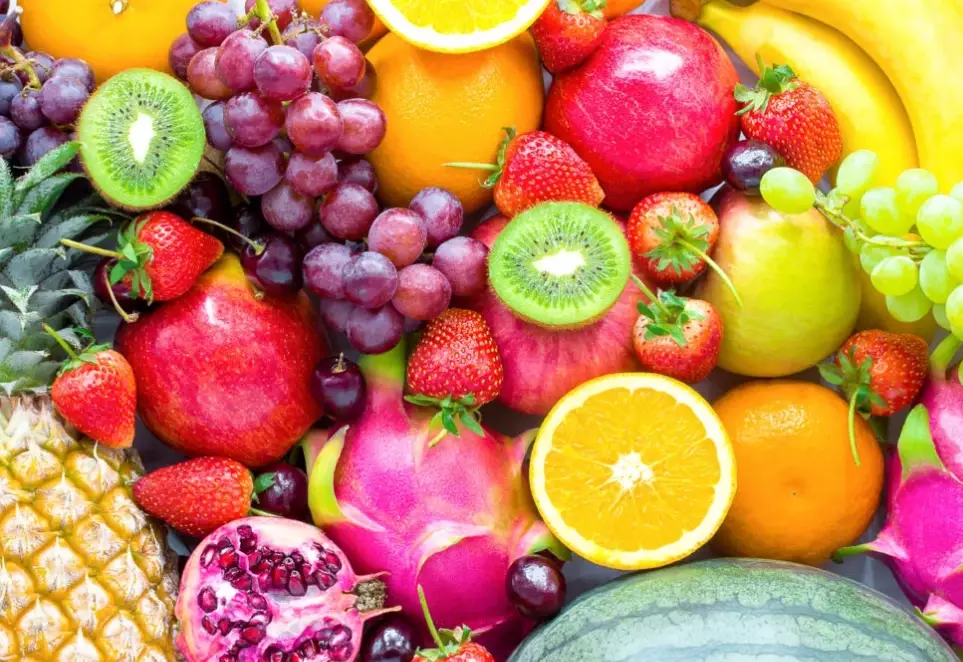
Citrus is the superstar: Oranges (navels, blood oranges), grapefruits, mandarins, lemons, and limes hit their peak. They ship well, so even non-local citrus is good now.
Hardy Greens: Kale, collards, Swiss chard. They can survive frost, which often makes them taste sweeter.
Root Vegetables: Carrots, beets, parsnips, turnips, rutabagas. They're sweet, earthy, and perfect for roasting. They'll last for weeks in the fridge's crisper.
Leeks & Onions: Alliums store beautifully and form the base of so many winter soups and stews.
Potatoes: The ultimate storage crop. Keep them in a cool, dark, well-ventilated place (not the fridge).
Winter is when your summer and fall preservation efforts pay off. That frozen pesto or canned peaches brings a taste of sunshine to the coldest day.
How to Find & Buy Local Seasonal Produce
Knowing what's in season is one thing. Finding it is another. Here’s your action plan.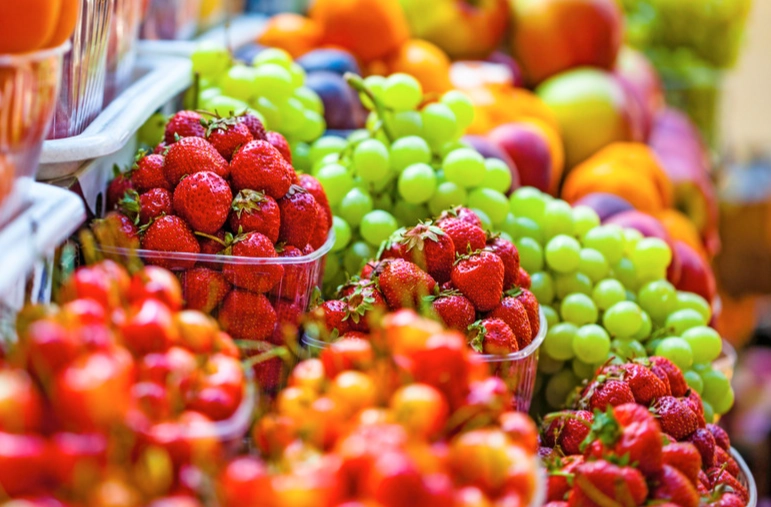
1. The Farmers Market is Your Best Teacher
This is non-negotiable for learning. Go regularly. You'll see the progression from spring peas to summer corn to fall squash. Talk to vendors. Ask "What did you just harvest?" or "What's going to be amazing next week?" They're the experts. Find markets near you via USDA's National Farmers Market Directory.
2. Decode the Grocery Store
Not everyone has market access. At the supermarket, look for origin labels. "Product of USA" is vague. "Product of California" or "Product of Michigan" gives you a clue. If it's coming from the other side of the country or world, it's likely not in season *for you*. Also, price and display size are hints. A huge, cheap display of bell peppers in August? Likely in season somewhere in the US.
3. Consider a CSA (Community Supported Agriculture)
You buy a "share" of a farm's harvest upfront and get a weekly box of whatever is peaking. It's the ultimate in seasonal eating—and it forces you to get creative with vegetables you might not normally buy. It supports a specific farm directly.
4. Grow Something, Anything
Even a pot of herbs or a tomato plant on a balcony teaches you about seasons, ripeness, and the work involved. You'll never take a tomato for granted again.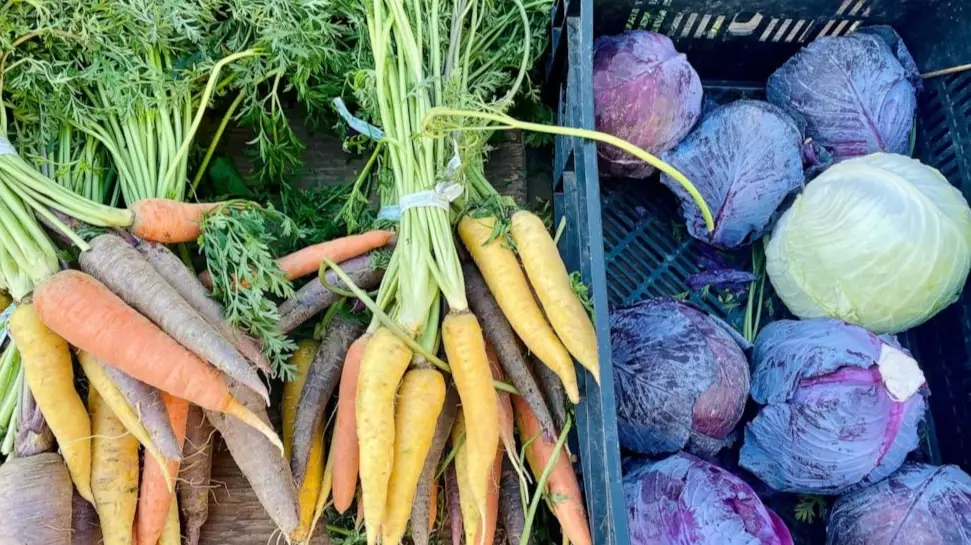
Your Seasonal Eating Questions, Answered
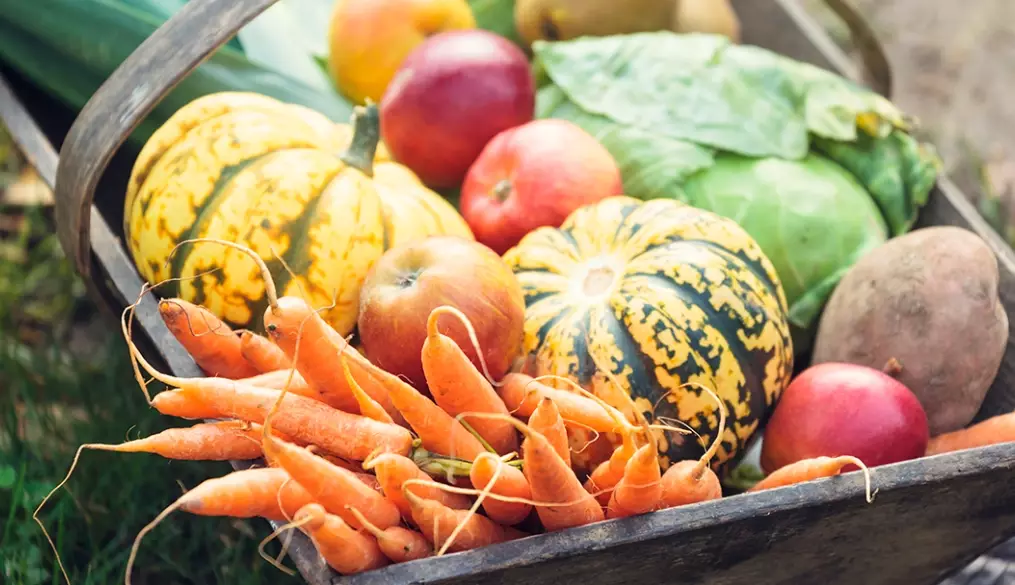 Start with one thing. Next time you're shopping, ask yourself: "What month is it?" Then, seek out those flavors. Grab the asparagus in May, the tomatoes in August, the apples in October. Your meals will taste more alive, and you'll feel a connection to the rhythm of the year that a globalized food chain can't provide. It's the oldest way of eating, and it just might be the best.
Reader Comments