Picking butternut squash at the wrong time is a kitchen tragedy waiting to happen. Too early, and you get a bland, watery vegetable that rots in a week. Too late, and you might find a mushy, frost-bitten mess. After growing them for over a decade, I can tell you the difference between a good squash and a great one comes down to timing. This isn't just about a date on the calendar; it's about reading the subtle signs the plant gives you.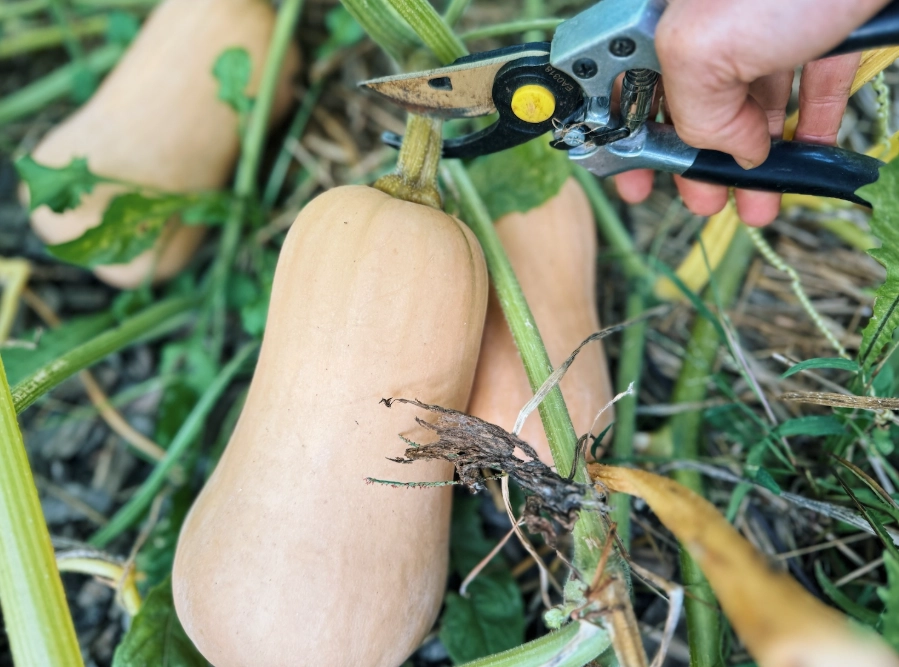
Let's cut through the guesswork. Here’s everything I’ve learned about pinpointing the perfect butternut squash harvesting time.
What You'll Find in This Guide
How to Tell If a Butternut Squash Is Ripe: The 3 Key Signs
Forget the days-to-maturity on the seed packet. Plants don't read calendars. You need to look for these physical cues. All three should be present before you even think about harvesting.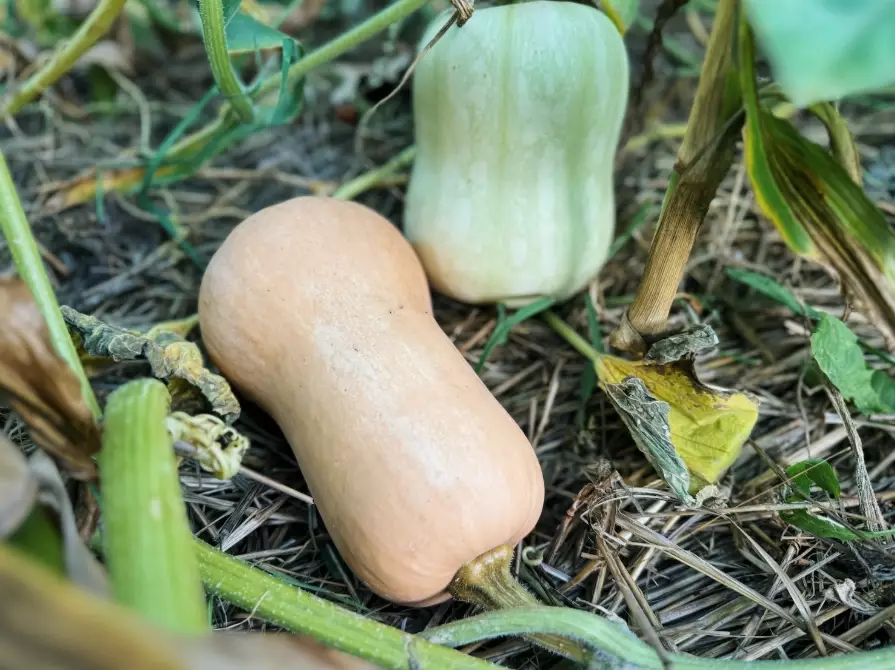
1. The Skin Test (The Fingernail Check)
This is the most reliable method. Take your fingernail and try to press it into the skin of the squash. If the skin punctures easily or leaves a mark, it's not ready. The skin of a mature butternut squash hardens and becomes dull, developing a tough, matte finish that strongly resists puncture.
I’ve seen people mistake a deep tan color for ripeness, only to have their nail sink right in. Color is a partner to this test, not a replacement.
2. The Stem Test
Look at the stem where the squash connects to the vine. A green, flexible, juicy stem means the squash is still actively growing and receiving nutrients. You want the opposite.
A ripe squash will have a stem that has turned brown, hard, and corky. It starts to look dry and woody. Sometimes it even begins to crack. This is the plant's way of starting to sever the connection, a natural signal that the fruit is mature.
3. The Color and Sound Test
The skin color should be a deep, uniform beige or tan. Any significant green streaks, especially near the top, indicate immaturity. The bottom (where it rested on the ground) may have a darker, creamy orange spot, which is fine.
Give the squash a gentle tap with your knuckle. An immature squash sounds solid and dull. A mature one often has a slightly hollow, resonant sound. This one is a bit subjective, so use it to confirm the other two signs.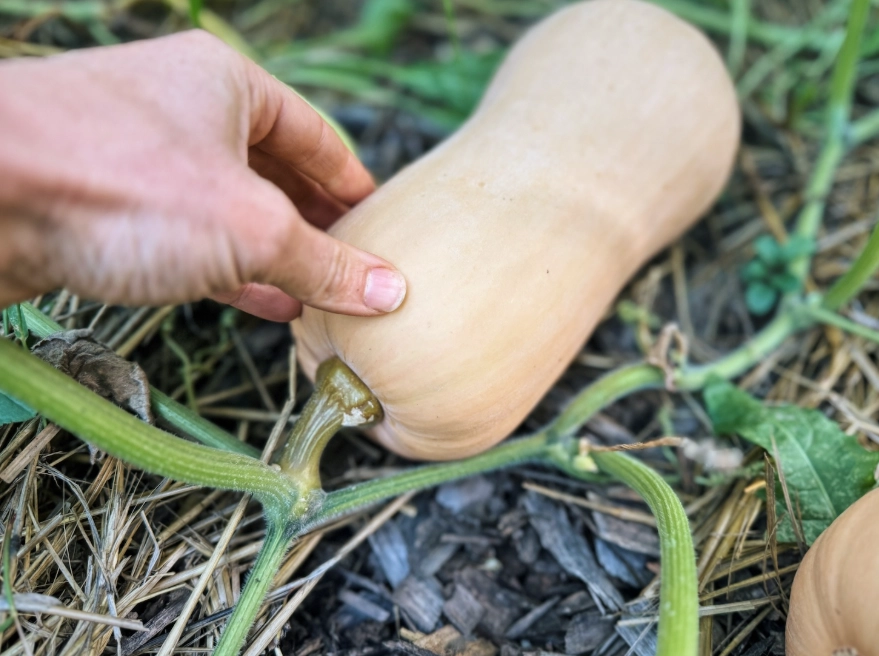
When Is the Best Time to Harvest Butternut Squash?
Timing depends heavily on your climate, but the framework is universal.
For most gardeners in temperate zones (like USDA zones 5-7), the primary butternut squash harvesting time falls in late September through October. The goal is to get them off the vine after they are fully mature but before the first hard frost hits.
A light frost (temps just dipping to 32°F / 0°C) might not kill the plant immediately, but it damages the leaves and signals the end is near. A hard frost (below 28°F / -2°C) is the real enemy. It can damage the squash itself, causing cell walls to break down and leading to rapid rot in storage.
| Your Climate Signal | What It Means for Harvest |
|---|---|
| Vines are brown & dying back | Start checking for the 3 ripeness signs daily. |
| First light frost forecast | If squash are ripe, harvest them. If not, cover plants with a row cover overnight. |
| Sustained cool, dry fall weather | Perfect curing conditions on the vine. No rush if squash are mature. |
| Forecast for heavy rain or hard frost | Harvest all mature squash, even if slightly early, to prevent rot and damage. |
I learned the hard way one year. A beautiful, dry October lulled me into leaving perfect squash on the vine. Then we got an early November ice storm I didn't see coming. I lost half my harvest to frost damage. Now, if the long-term forecast looks risky, I harvest.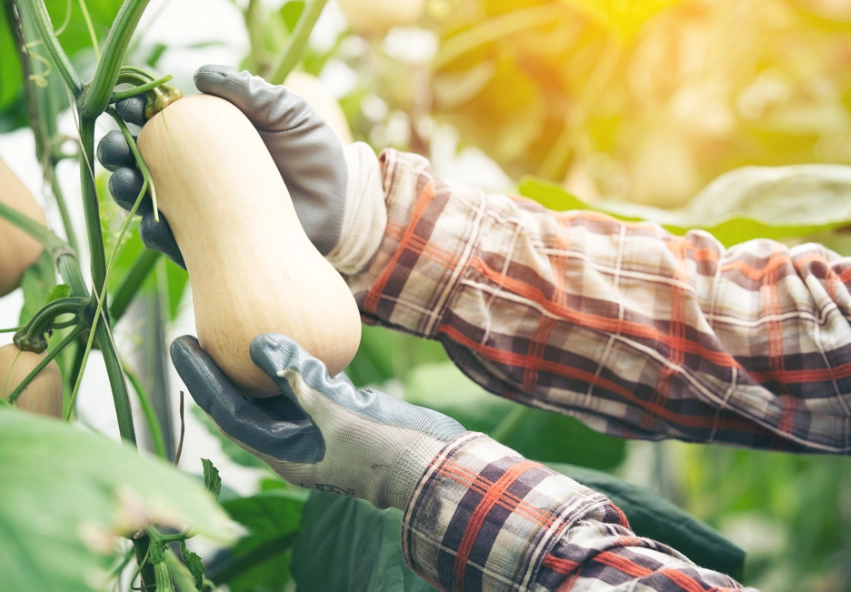
How to Pick Butternut Squash: A Step-by-Step Guide
Harvesting isn't just yanking it off the vine. Doing it wrong can create a wound that invites decay.
Step 1: Choose a dry day. Harvest when the squash and vines are dry to minimize the spread of fungal diseases.
Step 2: Get the right tool. Use a sharp pair of pruning shears, a sturdy knife, or a garden lopper. Don't twist or pull the squash off; you'll likely tear the stem, creating a large, jagged wound.
Step 3: Make the cut. Cut the stem, leaving a minimum of 2-3 inches attached to the squash. This “handle” is crucial. When the stem is cut short or flush, it creates a direct entry point for bacteria and fungi right into the flesh of the squash. The longer stem dries and seals over, acting as a natural cork.
Step 4: Handle with care. Treat them like eggs. Avoid bruising, scratching, or dropping them. Even a small puncture from a fingernail (now that it's hard!) can become a rot spot in storage. Don't carry them by the stem either—it can break off.
Step 5: Clean them up. Gently brush off any loose soil. Do not wash them. Washing removes the natural protective coating on the skin and adds moisture, both of which drastically shorten storage life. Damp cloth wipe only if absolutely necessary.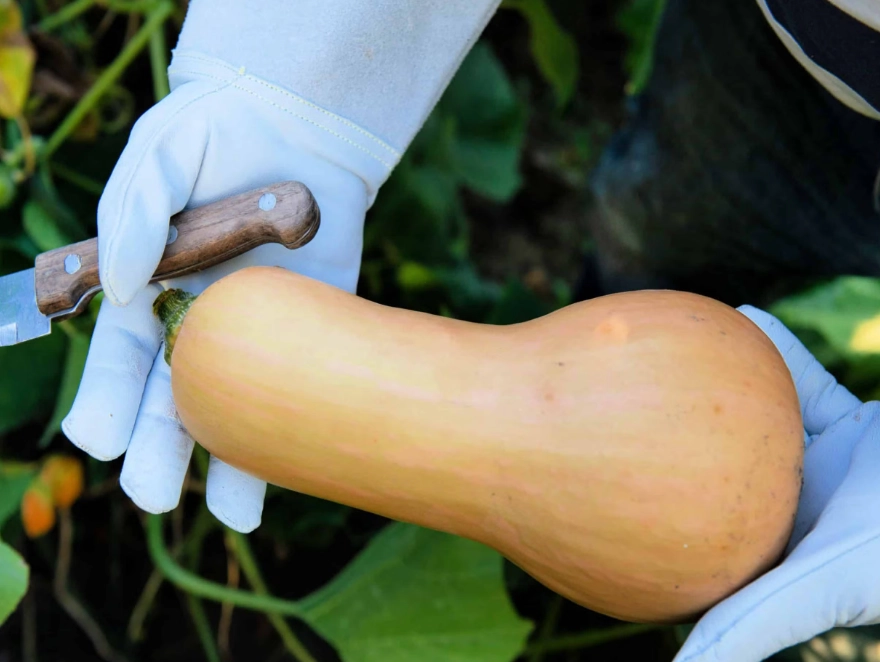
Curing and Storing Your Harvest for Months of Use
Harvesting is only half the battle. Proper curing is what transforms a mature squash into a sweet, storable winter squash.
Curing is a 10-14 day process where the squash sits in a warm, dry, well-ventilated place (ideally 80-85°F / 27-29°C). A sunny porch, a greenhouse, or even the top of a warm pantry works. This process does two critical things: it fully hardens the skin, sealing any minor scratches, and it converts starches into sugars, enhancing the flavor.
After curing, move them to long-term storage in a cool, dark, and dry place. Ideal conditions are 50-55°F (10-13°C) with moderate humidity. A basement, unheated garage (if it doesn't freeze), or a cool closet is perfect.
Arrange them in a single layer so they aren't touching. Check them every few weeks for any soft spots. One rotting squash can spoil its neighbors.
Properly cured and stored butternut squash can easily last 3 to 6 months, sometimes longer. I’ve eaten squash from my harvest well into March.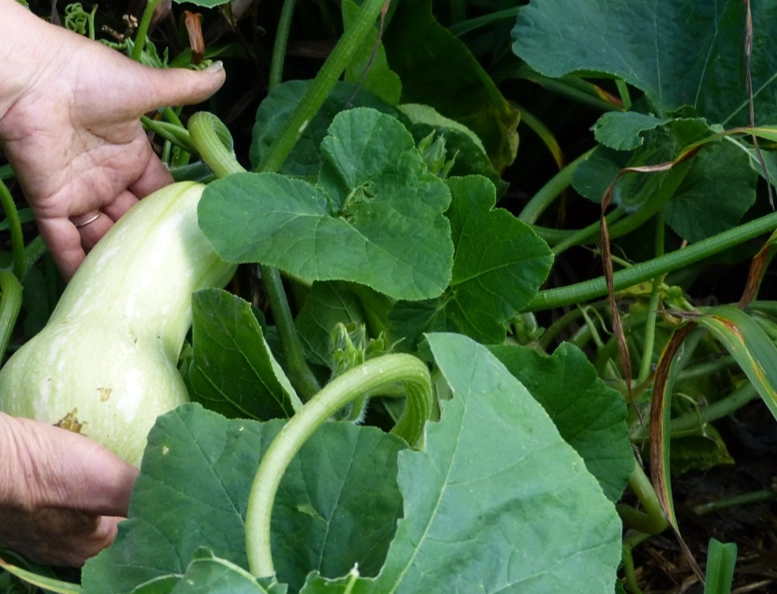
Common Mistakes to Avoid (From My Experience)
Let's talk about where things go wrong. I've made most of these errors so you don't have to.
Harvesting by the calendar alone. “It’s October 1st, time to pick!” Nope. Check the signs every time.
Cutting the stem too short. That inviting little nub is a beacon for rot. Leave a good handle.
Skipping the cure. You’ll miss out on peak sweetness and the squash won’t store nearly as long. It’s a mandatory step, not an optional one.
Storing in the fridge right away. The fridge is too cold and humid for whole, uncured winter squash. It causes chilling injury and accelerates decay. The fridge is for cut squash only.
Washing before storage. It seems like the clean thing to do, but it’s the fastest way to ruin your hard work.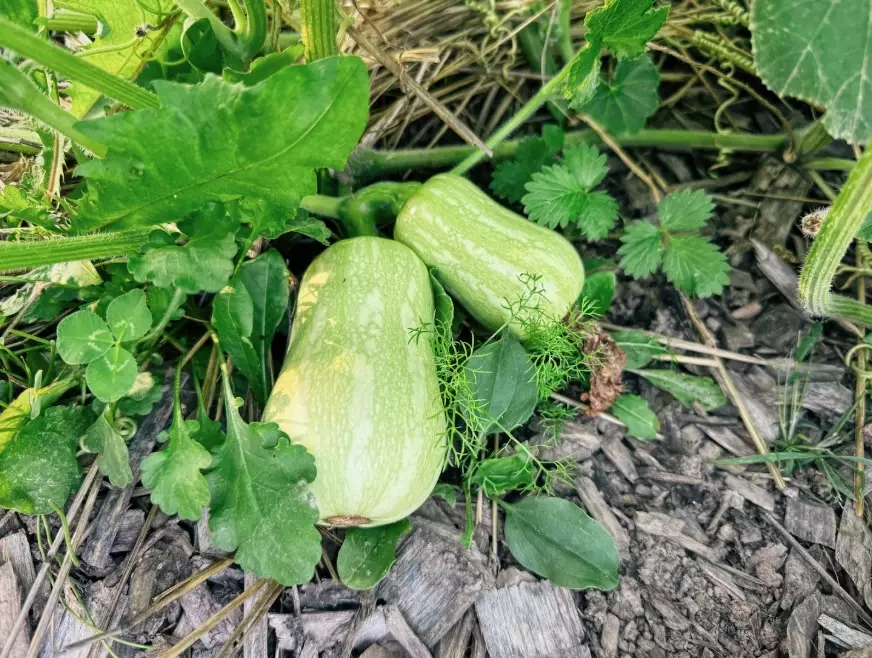
Your Butternut Harvest Questions Answered
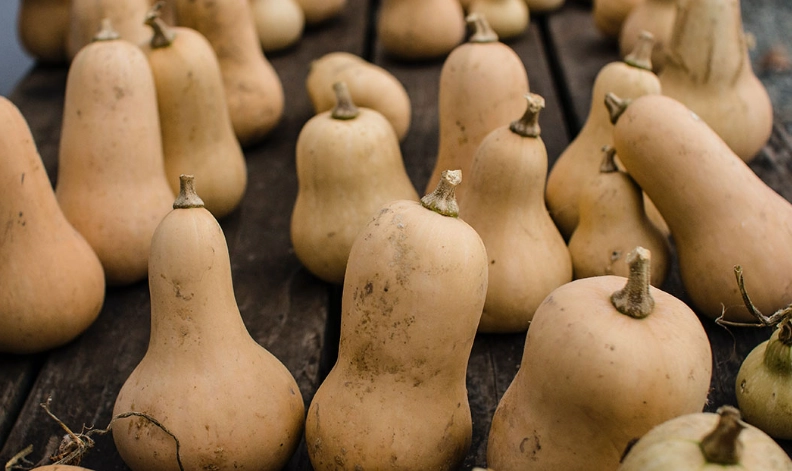 Getting the butternut squash harvesting time right is a simple skill that pays off all winter long. It’s the difference between a mediocre vegetable and the star of your soups, roasts, and pies. Use the signs, not the calendar. Give them a proper cure. Then enjoy the fruits (well, vegetables) of your patience.
Reader Comments