If you're asking when kumquats are in season, the short answer is winter—typically from November through March. But that's just the start. I've spent years growing and foraging for these tiny citrus gems, and the real story involves regional quirks, ripening tricks, and how to avoid the bland, overpriced fruit that shows up off-season. Let's dive in.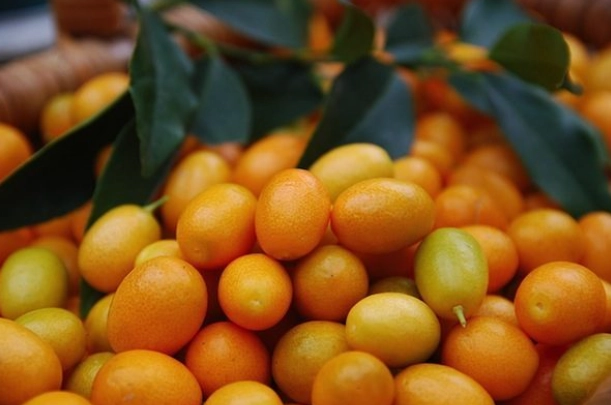
What's Inside This Guide
What Kumquats Are and Why Season Matters
Kumquats are small, oval citrus fruits you eat whole—skin and all. The skin is sweet, the flesh tart, and together they pack a punch. Unlike oranges, they're not juiced; they're nibbled, candied, or tossed into dishes. Season matters because a peak-season kumquat is sweeter, juicier, and more aromatic. Off-season ones, often shipped from afar, taste like cardboard with a hint of citrus.
I remember picking kumquats in a Florida grove last January. The air was cool, and the fruit practically glowed. That's when they're best. Out of season, you might find them in stores, but they lack that vibrancy. The University of Florida's citrus research notes that kumquats thrive in subtropical climates, which shapes their harvest window.
The Peak Kumquat Season: Timing and Variations
Kumquat season centers on winter, but it's not uniform. Here's a breakdown based on climate and location.
Regional Variations in Kumquat Harvest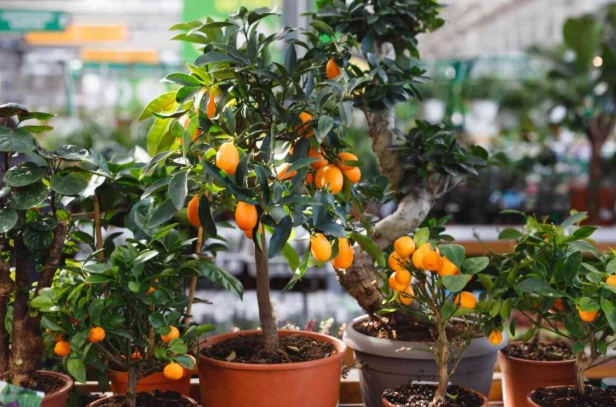
In the U.S., California and Florida are the big producers. In California, kumquats ripen from November to March, with December and January being prime months. Florida sees a similar window, but it can start in late October and stretch into February due to warmer winters. I've noticed coastal areas like Southern California have a longer season because frost is rare.
Elsewhere, in Mediterranean climates, seasons align. Australia's harvest runs from June to August (their winter). If you're in a temperate zone, local farms might have shorter bursts.
Pro tip: Check with local farmers' markets or U-pick farms. They often post harvest updates online. I once missed the peak by a week because I assumed all winter was equal—lesson learned.
How Climate Affects Kumquat Ripening
Kumquats need cool nights and mild days to sweeten up. A sudden frost can damage them, but they're hardier than lemons. In hotter regions, the fruit might ripen faster but be less sweet. Rainfall matters too; too much water dilutes flavor. That's why drought years sometimes produce intense, concentrated kumquats.
Here's a quick table to summarize peak seasons by region:
| Region | Typical Peak Season | Notes |
|---|---|---|
| California, USA | November - March | Best in December-January; coastal areas extend |
| Florida, USA | October - February | Warmer winters can shift timing |
| Mediterranean (e.g., Spain) | December - February | Shorter, intense season |
| Australia | June - August | Southern hemisphere winter |
How to Identify a Ripe Kumquat (Without Squeezing It to Death)
Picking a good kumquat is an art. Many people mess it up by handling them too roughly. Here's what to look for.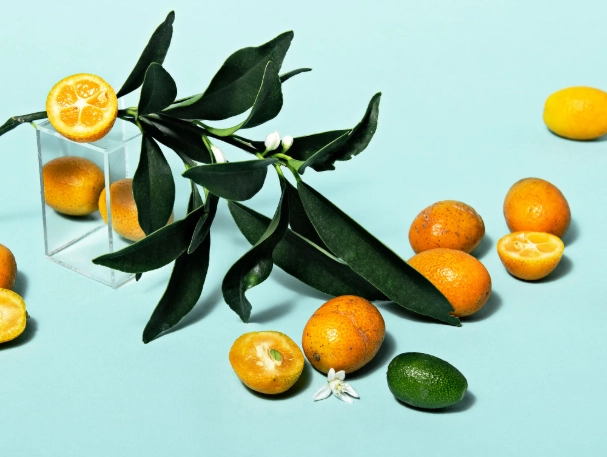
- Color: Go for a uniform orange-yellow hue. Green patches mean underripe; dark orange might be overripe.
- Texture: The skin should be firm but give slightly under gentle pressure. If it's rock-hard, it's not ready. Mushy? Past its prime.
- Smell: A ripe kumquat has a fresh, sweet citrus scent. No smell often means no flavor.
- Appearance: Look for a glossy sheen and avoid wrinkles or blemishes.
I've seen shoppers poke and prod every fruit. Don't do that. Just roll one between your fingers; if it feels plump and smooth, it's good. At a market in San Francisco, the vendor taught me to check the stem end—it should be intact, not dried out.
Buying and Storing Kumquats: Practical Tips
Once you know when and how to pick, buying and storing is next. This is where people lose freshness fast.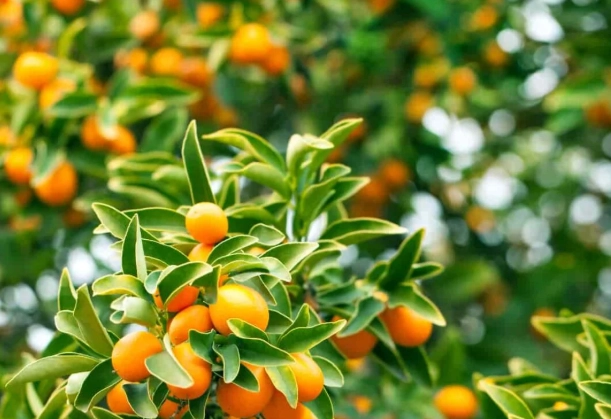
Where to Buy Fresh Kumquats
During peak season, hit farmers' markets or specialty grocers. Supermarkets might carry them, but quality varies. I prefer buying directly from farms; you often get better prices and riper fruit. Online retailers like Melissa's Produce sometimes ship in season, but check reviews—shipment can bruise them.
If you're lucky, find a U-pick farm. It's fun and ensures freshness. In Florida, I paid $5 for a basket and ate half on the drive home.
Storing Kumquats to Extend Freshness
Store unwashed kumquats in a perforated plastic bag in the fridge's crisper. They'll keep for up to two weeks. For longer storage, freeze them: wash, dry, spread on a tray to freeze individually, then bag them. Frozen kumquats are great for cooking later.
Avoid leaving them at room temperature for more than a few days; they'll soften and lose flavor. I once left a bowl out for a week—ended up with sticky, fermented mush. Not recommended.
Using Kumquats in Recipes and More
Kumquats aren't just for snacking. Their sweet-tart profile shines in winter recipes. Here are some ideas.
- Eat fresh: Rinse and pop them whole. The skin is the sweet part.
- Salads: Slice thinly and toss with greens, nuts, and a vinaigrette.
- Preserves: Make marmalade or candied kumquats. They pair well with spices like cinnamon.
- Cooked dishes: Add to roasted meats or sauces for a citrusy kick.
I love making a simple kumquat compote: simmer sliced kumquats with a bit of sugar and water until syrupy. Serve over yogurt or ice cream. It's a winter staple in my kitchen.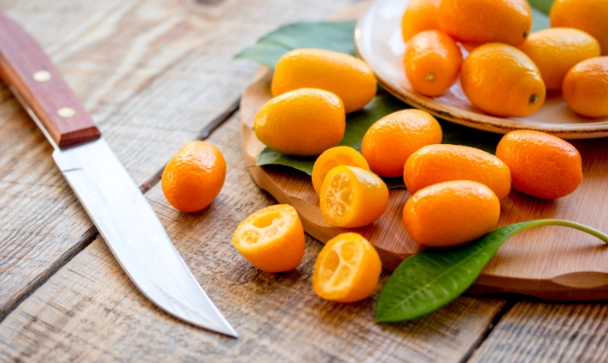
For more recipe ideas, the USDA's seasonal produce guides suggest pairing kumquats with hearty winter ingredients like squash or poultry.
Kumquat FAQs Answered
So, when are kumquats in season? Winter is your go-to, but always consider your local climate. Hunt them down at peak times, handle with care, and enjoy that burst of citrus goodness. Whether you're snacking or cooking, fresh kumquats beat the imported stuff any day. Happy harvesting!
Reader Comments