What's Inside This Guide
Let's be honest. Most store-bought fig bars are disappointing. They're often too sweet, have a gummy texture, and the "fig" part is a mystery paste. If you've got a basket of fresh figs from the market or your own tree, you have the golden ticket to something far superior. Making fig bars from scratch with fresh fruit isn't just baking; it's a transformation. The flavor is brighter, jammy but not cloying, with a subtle honey-like sweetness that dried figs can't quite replicate. I've been perfecting this recipe for years, and it solves the two biggest problems home bakers face: a runny filling and a dry crust. This guide will walk you through the entire process, including the little tricks most recipes don't mention.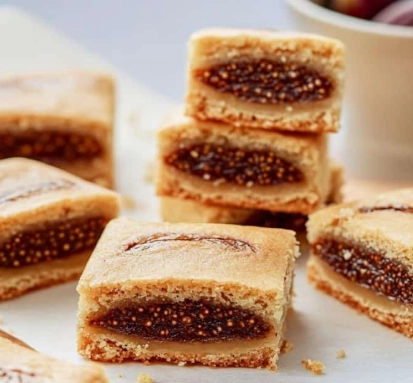
Why Make Fig Bars with Fresh Figs?
You might wonder why bother with fresh figs when dried ones are available year-round. The difference is in the details. Fresh figs have a higher water content, which means your filling cooks down to a vibrant, soft jam with a more nuanced flavor profile—hints of berry and melon alongside the classic fig taste. According to the California Fig Advisory Board, fresh figs are in peak season from late summer through early fall, making this a perfect seasonal baking project. The moisture also helps keep the final bars incredibly moist. The first time I made these, I was skeptical. The filling looked too loose. But after baking, it set into the most perfect, tender pocket inside a buttery, shortbread-like crust. It was a revelation.
How to Choose and Prepare Fresh Figs for Baking
Not all figs are created equal for this recipe. Here’s what to look for and do.
Selecting the Best Figs
Aim for ripe but firm figs. They should give slightly to gentle pressure but not be mushy or leaking. Color doesn't always indicate ripeness for eating raw, but for baking, Black Mission or Brown Turkey figs are fantastic. They have a richer flavor and deeper color that makes a beautiful filling. Avoid figs with broken skin.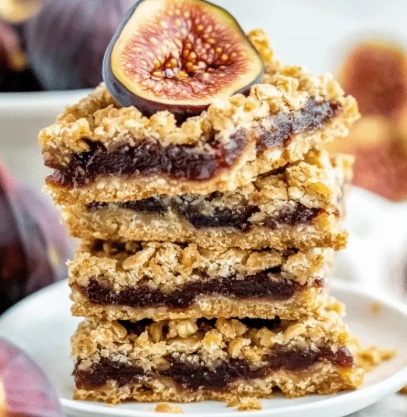
The Crucial Prep Step Everyone Skips
Wash them gently and pat dry. Now, here's the non-consensus part: you don't need to peel them. The skin softens completely during cooking and adds valuable fiber and color. Just trim off the very tough stem. Chop them roughly—you want pieces about the size of a blueberry. This gives the filling texture without being chunky.
Pro Tip: If your figs are super ripe and juicy, you might need to add an extra tablespoon of cornstarch to the filling mixture to help it set. Judge by the consistency after the initial cook—it should coat the back of a spoon thickly.
My Go-To Fresh Fig Bars Recipe: Ingredients & Tools
This recipe is forgiving. You don't need any special equipment beyond a saucepan, a bowl, and a baking dish.
For the Fig Filling:
- 1.5 pounds (about 4 cups chopped) fresh figs – The star.
- 1/3 cup honey or maple syrup – I prefer honey for its floral notes. Start here; you can add more after tasting.
- Zest and juice of 1 medium lemon – The acid is non-negotiable. It cuts the sweetness and brightens the whole flavor.
- 1 teaspoon vanilla extract
- 1/4 teaspoon fine sea salt
- 1.5 tablespoons cornstarch – The key to a set, non-leaky filling.
For the Oat Crust & Topping:
- 1.5 cups old-fashioned rolled oats – Not quick oats. The texture matters.
- 1 cup whole wheat pastry flour or all-purpose flour – Pastry flour gives a more tender crumb.
- 1/2 cup coconut sugar or light brown sugar
- 1/2 teaspoon baking soda
- 1/2 teaspoon fine sea salt
- 1/2 cup (1 stick) cold unsalted butter, cubed – Cold is crucial for a flaky texture.
- 1 large egg – Binds the crust.
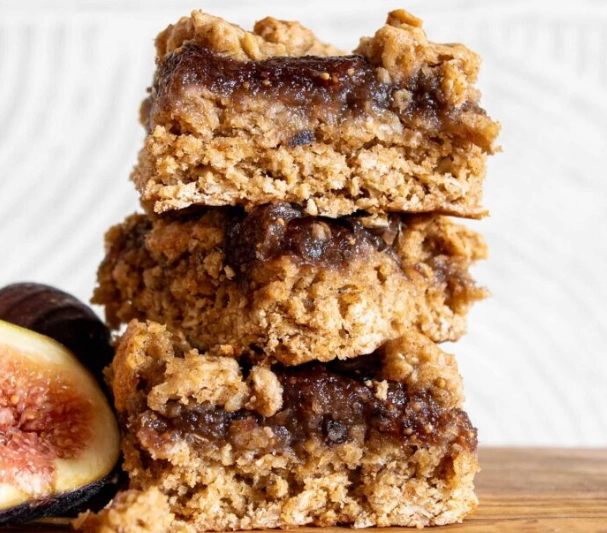
The Step-by-Step Process: From Fruit to Finished Bar
This is where we put it all together. Don't rush the filling.
1. Make the Fig Jam Filling
Combine the chopped figs, honey, lemon zest and juice, vanilla, and salt in a medium saucepan. Cook over medium heat, stirring frequently, until the figs break down and release their juices, about 10-12 minutes. Use a potato masher or the back of a fork to help mash them to your desired consistency—I like a few small chunks.
In a small bowl, mix the cornstarch with a tablespoon of water to create a slurry. Stir this into the bubbling fig mixture. Cook for another 2-3 minutes until the filling thickens noticeably. It will thicken more as it cools. Remove from heat and let it cool completely. This is important; a hot filling will melt the crust.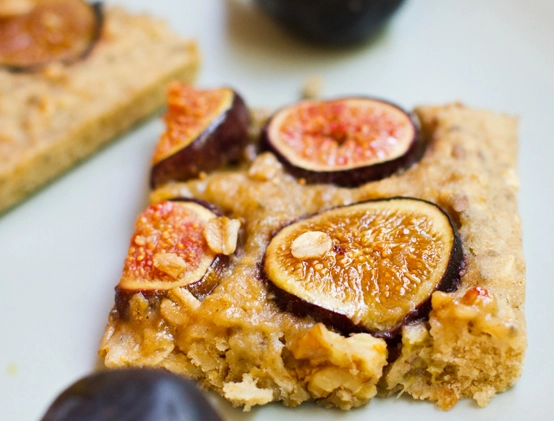
2. Prepare the Crust and Crumble
Preheat your oven to 350°F (175°C). Line an 8x8 inch baking pan with parchment paper, leaving an overhang on two sides for easy removal.
In a food processor or large bowl, pulse or whisk together the oats, flour, sugar, baking soda, and salt. Add the cold, cubed butter. If using a processor, pulse until the mixture resembles coarse crumbs. If doing by hand, use a pastry cutter or your fingertips to work the butter in quickly. You want pea-sized bits of butter remaining.
Add the egg and pulse or mix with a fork just until the dough starts to clump together. It will be crumbly but should hold together when pressed.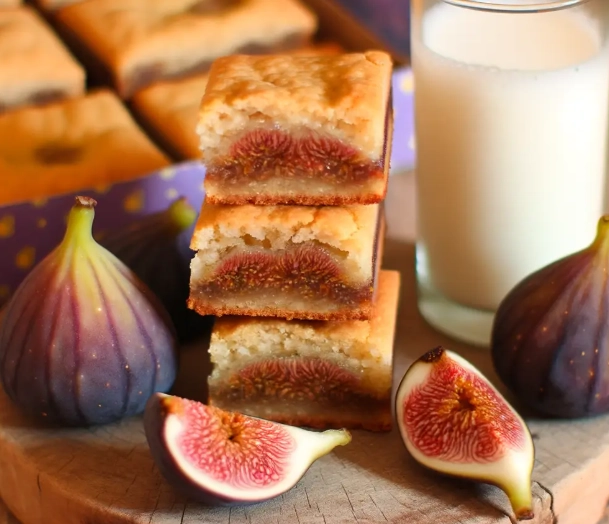
3. Assemble and Bake
Press about two-thirds of the oat mixture firmly and evenly into the bottom of the prepared pan. Spread the cooled fig filling over the crust, leaving a tiny border. Sprinkle the remaining oat crumble evenly over the top—don't press it down.
Bake for 30-35 minutes, until the top is golden brown and the filling is bubbly at the edges. The smell will be incredible.
Let the pan cool completely on a wire rack. This is the hardest part, but cutting into warm bars will result in a mess. Once cool, use the parchment paper to lift the whole slab out onto a cutting board. Slice into 12 or 16 bars.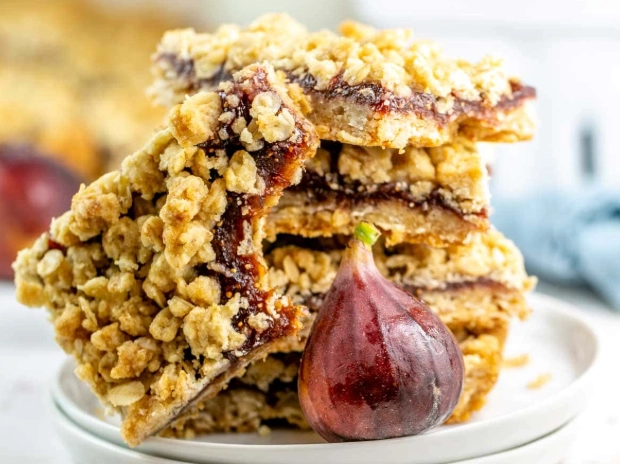
How to Store and Freeze Homemade Fig Bars?
These bars keep well. At room temperature in an airtight container, they're good for 2-3 days. For longer storage, I refrigerate them for up to a week. The chill firms them up nicely.
For freezing, place the cooled, uncut slab or individual bars on a parchment-lined baking sheet and freeze until solid (about 2 hours). Then wrap tightly in plastic wrap and place in a freezer bag. They'll keep for up to 3 months. Thaw overnight in the fridge or for a few hours at room temperature.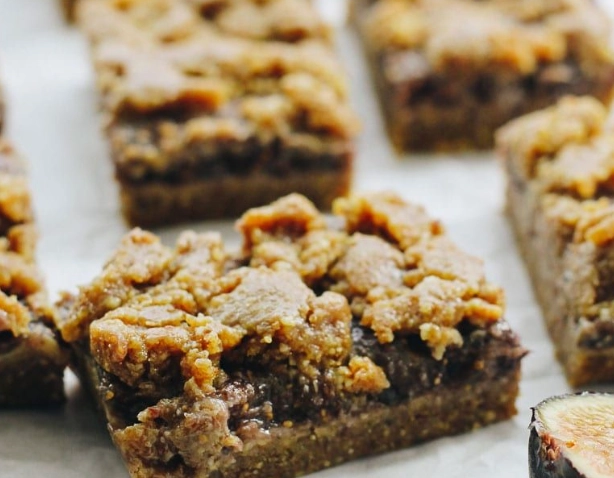
Reader Comments