You've nurtured your cucumber vines from seeds, watched the yellow flowers appear, and now there are little green fruits forming. The excitement is real. But here's the thing most gardening blogs gloss over: picking them at the wrong moment is the single biggest reason home pickles turn out hollow, mushy, or disappointingly bland. It's not your brine recipe. It's the harvest. Get the timing right, and you're 90% of the way to a crisp, flavorful jar of pickles. Miss it, and you're just preserving cucumber-shaped water.
I learned this the hard way. My first batch of homemade pickles was a sad, soft affair. The cucumbers looked fine to me! But they were already past their prime for the jar. After years of trial, error, and conversations with old-school gardeners, I've nailed down the exact signals a cucumber gives when it's ready for its pickling destiny. Let's break it down so you can skip the mistakes.
What's Inside: Your Quick Harvest Guide
The Goldilocks Zone: Size Matters Most for Pickling Cucumbers
Forget the giant, glossy cucumbers you see at the supermarket. Those are for salads. Pickling cukes need to be small and dense.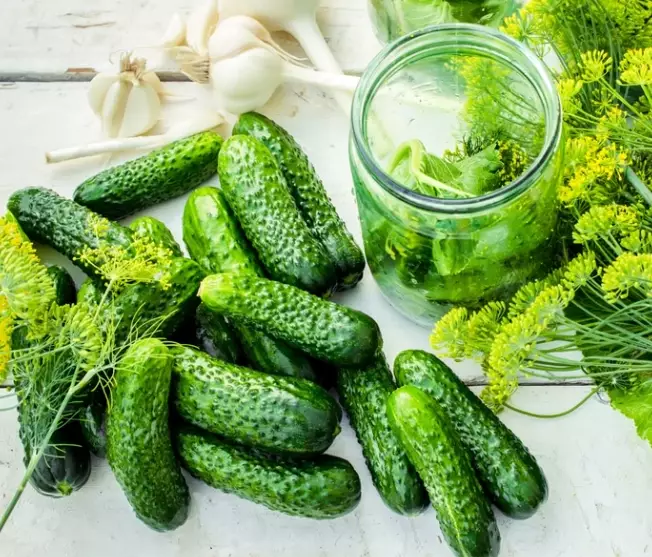
The magic window is 2 to 6 inches long. That's it. Within that range, different sizes give slightly different results:
| Cucumber Size | Best For | Notes & Texture |
|---|---|---|
| 2-4 inches | Cornichons, gherkins, whole pickles | Extremely crisp, dense, minimal seeds. The prime pickling size. Harvest every other day to catch them this small. |
| 4-6 inches | Spears, chips, bread and butter slices | Still very firm, seeds are small and soft. A forgiving and excellent size for most pickle styles. |
| 6+ inches | Salads, not recommended for pickling | Seeds are large and hard, flesh is more watery, central cavity forms. High risk of hollow or soft pickles. |
Here's a pro tip most miss: the ideal size depends on the variety. A 'Boston Pickling' cucumber at 6 inches might still be okay, but a 'National Pickling' cuke is best at 3-5 inches. Check your seed packet. If it says "for pickling," trust its recommended harvest size.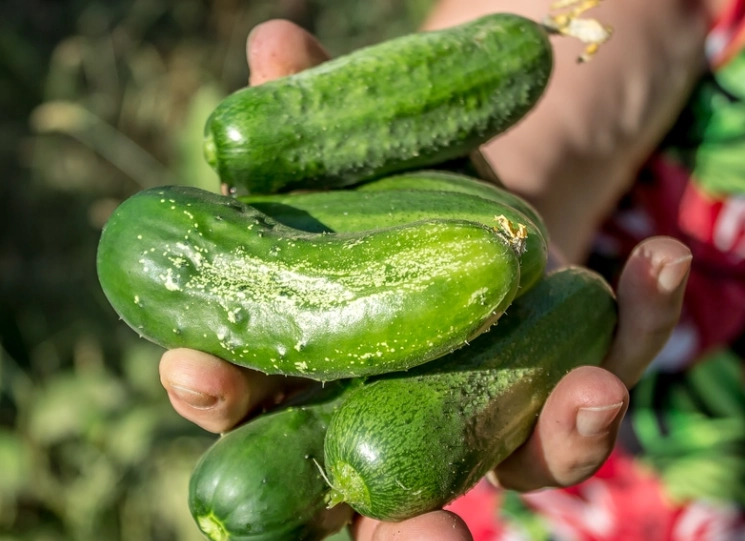
My Go-To Move: I keep a cheap plastic ruler in my garden apron. When in doubt, I measure. It removes all the guesswork. A 4-inch cuke goes in the pickling basket. A 7-inch cuke goes to the kitchen for that night's salad.
Beyond Size: Color & Feel Are Your Best Guides
Size is your first filter, but your eyes and hands make the final call. A cucumber can be 4 inches long but still not ready.
The Color Test
A perfect pickling cucumber should be a uniform, medium to dark green. No pale yellow streaks, especially at the blossom end (the end opposite the stem). That yellowing is the first sign of maturity turning into over-ripeness. The skin should look vibrant, not dull.
Some varieties have tiny white spines. When those spines are easily rubbed off, it's a good sign of readiness. If the spines are hard and prickly, the cuke might be a tad too young and the skin a bit tougher.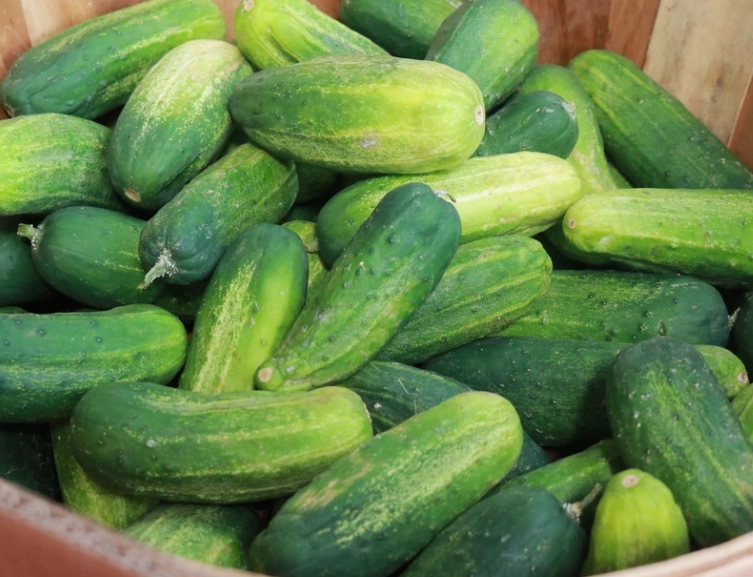
The Feel Test (The Most Important One)
This is where you become a cucumber whisperer. Gently squeeze the cucumber.
Ready to Pick: It should feel firm and solid all the way through, like a fresh zucchini. No give. No sponginess.
Not Ready: If it feels at all soft or has any give, leave it. It might just need more water. Check again tomorrow.
Too Late: If it feels slightly puffy or you can feel a distinct softness in the middle, it's likely developing a seed cavity. It's past prime for pickling.
Lift it. A good pickling cuke feels dense for its size. If it feels light, that's a red flag for hollow interior.
When to Pick: Time of Day & Plant Health
You've found the perfect 4-inch, firm, dark green cuke. When do you actually pluck it?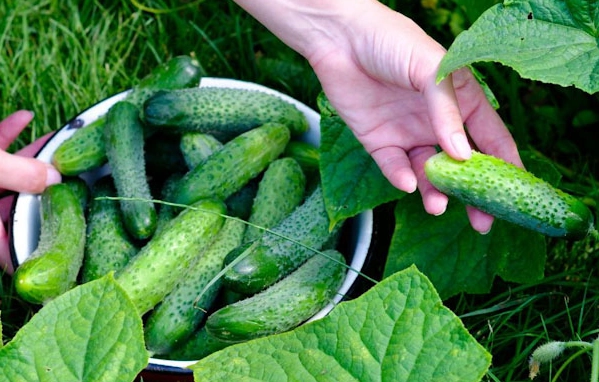
Time of Day: Early morning is absolute gold standard. The cucumbers are fully hydrated from the cool night, crisp as can be. This maximizes crispness. Evening is second best. Never harvest in the hot, midday sun. The plants are stressed, the fruits are warmer and more limp, and they'll deteriorate faster after picking.
How Often: This shocks new gardeners. During peak season, you need to check every day, or at least every other day. Cucumbers hiding under leaves can go from perfect to overgrown in 48 hours. A daily 5-minute walk through the patch is non-negotiable for a serious pickler.
The Plant's Health: Keep picking! Regularly harvesting signals to the plant to produce more fruit. If you leave one giant, yellowing cucumber on the vine, the plant will think its job is done and slow down production dramatically. For a continuous harvest, be ruthless.
Common Mistake: "I'll just let this one get a little bigger." Nope. That's how you end up with one monster cuke and a plant that stops trying. Pick promptly to keep the bounty coming.
What Happens If You Pick Too Early or Too Late?
Let's be clear about the consequences, so you understand the "why" behind these rules.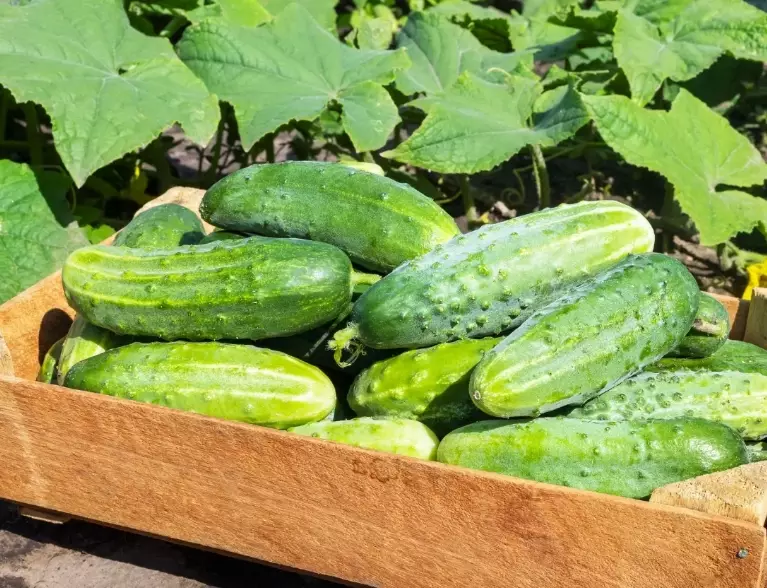
Picking Too Small (under 2 inches): The flavor might be underdeveloped, sometimes slightly bitter. The texture can be too hard, almost woody. It's not a disaster, but you're missing the peak.
Picking Too Late (over 6 inches, yellowing, soft): This is the real pickle-killer.
Hollow Pickles: The large, mature seeds and the expanding central cavity create an air pocket. When brined, this leads to hollow, floating pickles with poor texture.
Mushy Pickles: As cukes age, enzymes break down pectin (the substance that keeps them firm). These enzymes are extra active in overripe fruit, leading to soft, unappealing pickles no matter how much alum or grape leaves you add.
Bitter Skin: The skin thickens and can develop more cucurbitacin, the compound that causes bitterness.
The goal is to capture the cucumber at its peak of seed development just before that seed cavity expands.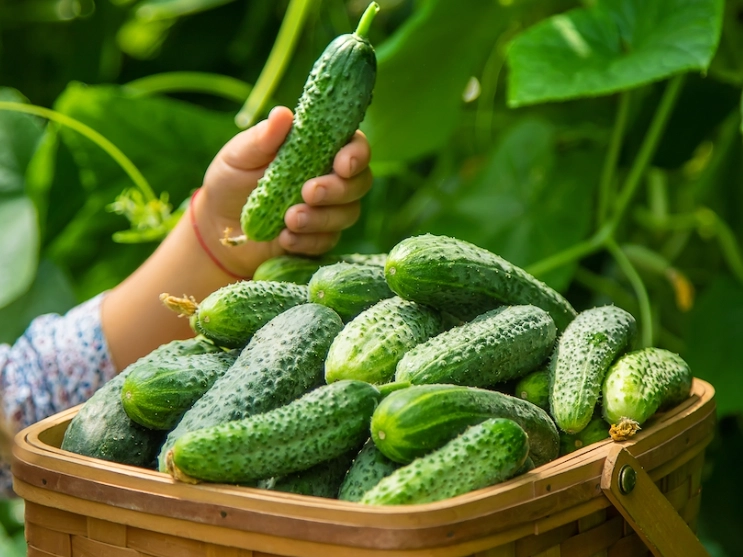
Your Step-by-Step Harvest Routine for Pickling
Let's put it all together into an action plan. Here's what I do on a perfect harvest morning:
1. Gear Up: Sharp garden scissors or pruners (never tear or twist, you can damage the vine), a basket or shallow container (don't pile them deep, they can bruise), and my ruler.
2. The Scan: I start at one end of the row and gently lift leaves, looking for that classic cylindrical shape. I look for the color first—nice dark green.
3. The Measure & Squeeze: I see a candidate. I measure it. 4.5 inches. Good. I give it a gentle but firm squeeze from end to end. Solid as a rock. Perfect.
4. The Cut: I use my pruners to cut the stem about 1/4 to 1/2 inch above the cucumber. Leaving a small piece of stem is fine; it minimizes water loss. Cutting prevents vine damage.
5. The Tote: I place it gently in the basket, not throwing it. Bruising leads to soft spots later in the jar.
6. The Post-Harvest Rule: This is critical. Pickle them within 24 hours, ideally the same day. Cucumbers start losing moisture and crispness the moment they're picked. If you must wait, refrigerate them unwashed, but don't let them sit for days. The clock is ticking.
That's the rhythm. It becomes second nature.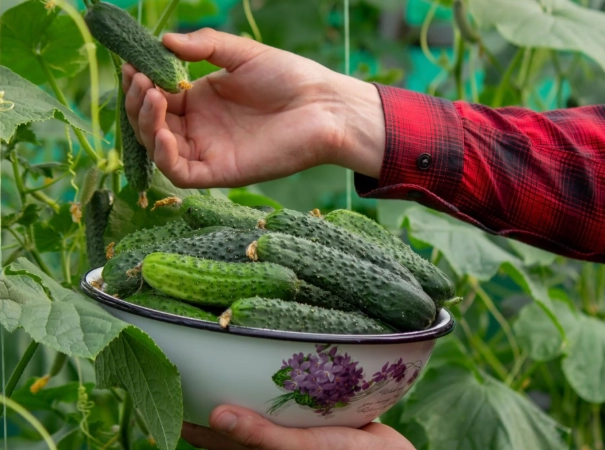
Your Pickling Harvest Questions, Answered
Harvesting for pickling isn't just a chore; it's the first and most important step in the recipe. Get it right, and you give your brine, spices, and processing method the best possible raw ingredient to work with. Pay attention to that 2-6 inch window, get hands-on with the firmness test, and make those daily garden walks a habit. Your taste buds—and your crunchy, perfect pickles—will thank you.
Now, go check your vines. There's probably a perfect one hiding right now.
Reader Comments