What You'll Find in This Guide
I used to buy fruits based on cravings, not seasons. Then I noticed my grocery bills soaring in winter for tasteless strawberries. That changed when I switched to seasonal eating. Fruits in season aren't just fresher—they're cheaper, more nutritious, and better for the planet. Let's dive into why this matters and how you can master it.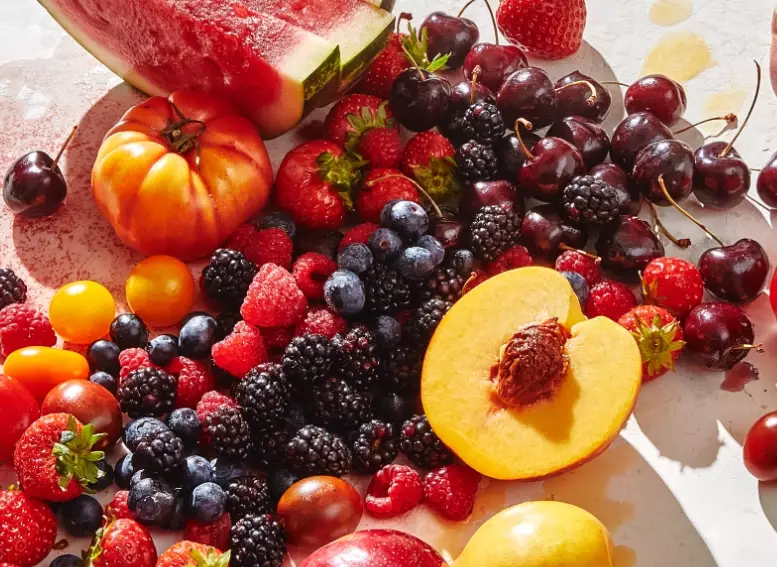
Why Seasonal Fruits Matter More Than You Think
When fruits are in season, they're harvested at peak ripeness. That means more flavor, more vitamins, and less environmental impact. Out-of-season fruits often travel thousands of miles, losing nutrients along the way. A study from the University of California, Davis, highlights that locally grown seasonal produce retains higher antioxidant levels compared to imported counterparts.
The Environmental and Economic Impact
Buying seasonal reduces carbon footprint. Think about it: winter blueberries from South America require planes and refrigerated trucks. Summer blueberries from a nearby farm? Maybe a short drive. Economically, seasonal fruits flood the market, driving prices down. I've saved up to 40% on my fruit budget by sticking to what's in season.
Health Benefits You Can't Ignore
Seasonal fruits align with your body's needs. Summer fruits like watermelon hydrate you, while winter citrus boosts immunity with vitamin C. They're also free from excessive preservatives used in long-haul shipping.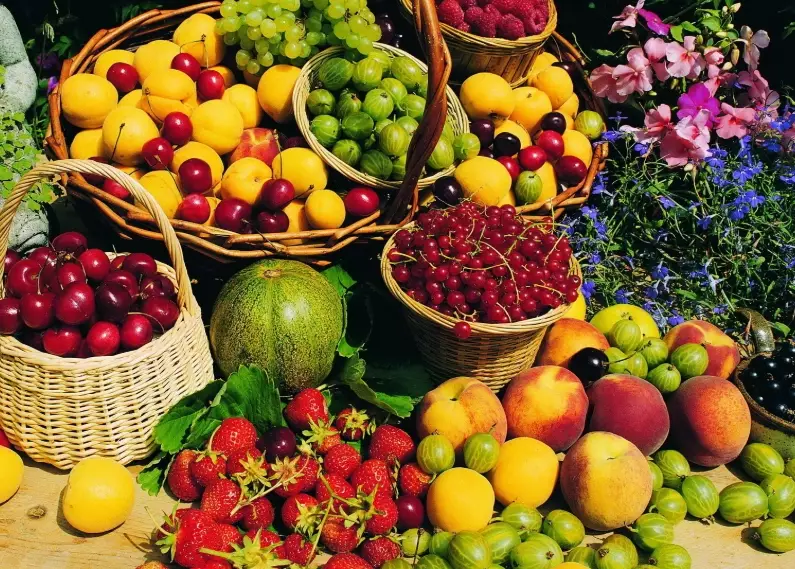
A Handy Month-by-Month Chart of Fruits in Season
This table breaks down common fruits by their peak seasons in temperate regions like North America and Europe. Adjust based on your location—tropical areas have different cycles.
| Season | Months | Top Fruits in Season | Notes |
|---|---|---|---|
| Spring | March - May | Strawberries, Apricots, Cherries, Pineapple | Early spring might still have citrus from winter. |
| Summer | June - August | Berries (blueberries, raspberries), Peaches, Melons, Plums | Peak abundance—prices drop significantly. |
| Fall | September - November | Apples, Pears, Grapes, Cranberries, Figs | Great for baking and preserves. |
| Winter | December - February | Citrus (oranges, grapefruit), Pomegranates, Kiwi, Persimmons | Bright flavors to combat winter blues. |
Remember, this is a general guide. For accurate local info, check with your state's agricultural extension office or visit farmers' markets. For example, in Florida, mango season peaks in summer, while in California, avocados have a longer window.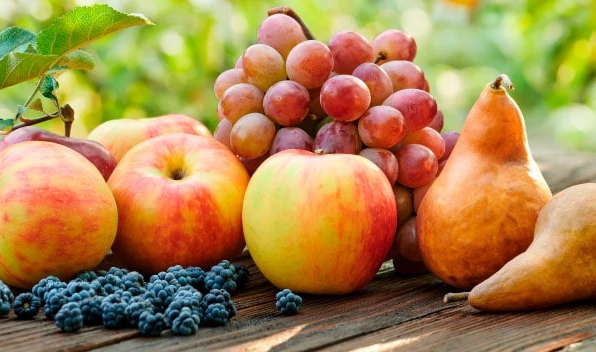
Pro Tips for Choosing the Best Seasonal Produce
Picking ripe fruit is an art. Here's what I've learned from a decade of shopping:
- Smell it: Fruits like peaches and melons should have a sweet, fragrant aroma at the stem end. If it smells like nothing, it'll taste like nothing.
- Check weight: Heavier fruits for their size are juicier. A lightweight watermelon? Probably dry inside.
- Look for color consistency: Avoid green patches on berries or dull skin on citrus. But don't be fooled by perfect looks—organic fruits might have blemishes but better flavor.
I once bought apples in spring that were mushy—turned out they'd been in storage since fall. Now I only buy apples in fall when they're freshly harvested. A pro trick: gently press near the stem; it should give slightly without being soft.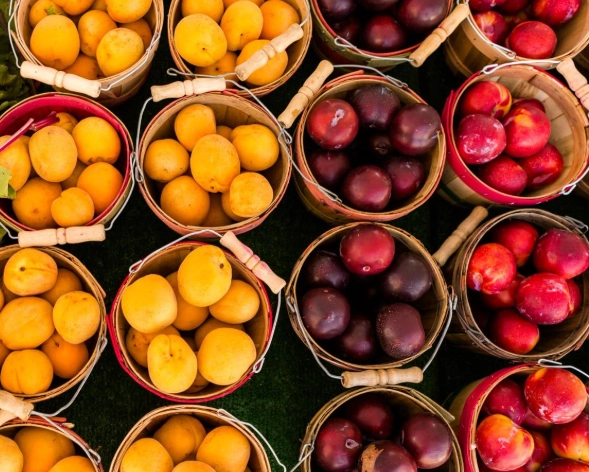
How to Store Seasonal Fruits to Extend Freshness
Nothing's worse than watching ripe fruit spoil quickly. Storage varies by type:
Key rule: Most fruits release ethylene gas, which speeds ripening. Keep them separate from vegetables like lettuce to avoid wilting.
- Berries: Don't wash until ready to eat. Store in a single layer in a paper towel-lined container in the fridge. They last 3-5 days.
- Stone fruits (peaches, plums): Ripen on the counter in a paper bag. Once ripe, refrigerate to slow down. They can last a week.
- Apples and pears: Keep in a cool, dark place or fridge crisper. They stay fresh for weeks.
- Citrus: Room temperature for short-term, fridge for longer storage. Don't pile them—air circulation prevents mold.
I learned the hard way that storing tomatoes in the fridge makes them mealy. Now I keep them on the counter until they're perfectly ripe, then use them within a day or two.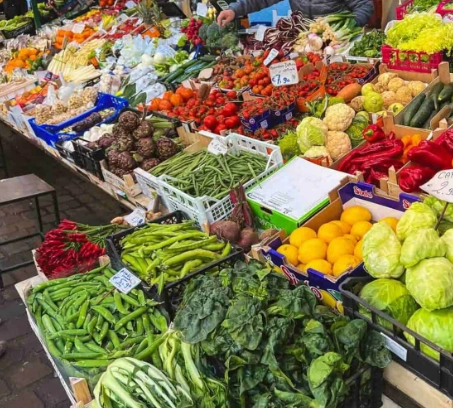
Simple and Delicious Recipes for Seasonal Fruits
Since this guide falls under summer recipes, let's focus on easy summer dishes. But these ideas adapt to any season.
Summer Berry Salad
Mix fresh strawberries, blueberries, and raspberries with a handful of mint leaves. Drizzle with honey and a squeeze of lime. Serve chilled—it's a refreshing side that takes 5 minutes.
Grilled Peaches with Honey and Yogurt
Cut peaches in half, remove pits. Grill on medium heat for 3-4 minutes per side until caramelized. Top with Greek yogurt and a drizzle of honey. Perfect for a BBQ dessert.
Winter Citrus Smoothie
Blend oranges, grapefruit segments, a banana, and a cup of almond milk. Add a pinch of ginger for zing. It's a vitamin C boost on cold mornings.
These recipes highlight natural flavors without fuss. For more inspiration, resources like the USDA's Seasonal Produce Guide offer recipe ideas based on availability.
Reader Comments