June is a hinge month. Spring's delicate offerings start to give way to summer's robust, sun-soaked flavors. This is the time when your local farmers market truly comes alive, bursting with color and aroma. Knowing your June seasonal produce isn't just about eating fresher; it's about getting the best flavor, the highest nutrients, and often, the best price. I've spent over a decade working with chefs and local farms, and the mistake I see most often? People grabbing the first thing they see without knowing what peak really looks and feels like for each item. Let's fix that.
Your Quick Guide to June's Best
Top June Seasonal Fruits and How to Pick Them
June fruit is about juiciness. The sugar content is climbing, and the textures are perfect. Here’s what to look for.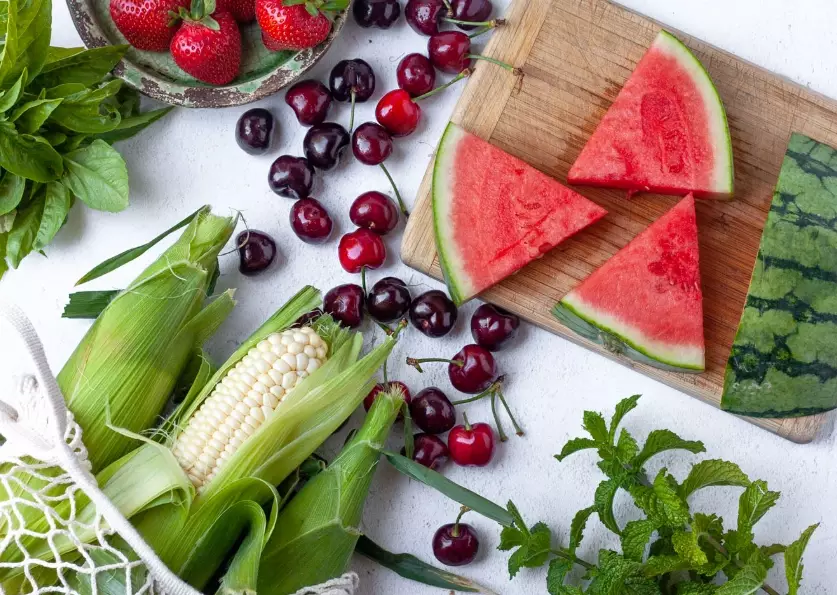
Strawberries
Forget those giant, white-cored, flavorless berries from the supermarket winter. True June strawberries are a different species. The key is a deep, uniform red color all the way to the stem. If you see white or green shoulders, they were picked too early. They should smell intensely sweet and fruity—if there's no scent, there's no flavor. A pro tip: smaller, slightly irregular berries from a local farm often pack more punch than the picture-perfect ones. The hull (green cap) should be fresh and green, not wilted.
Cherries
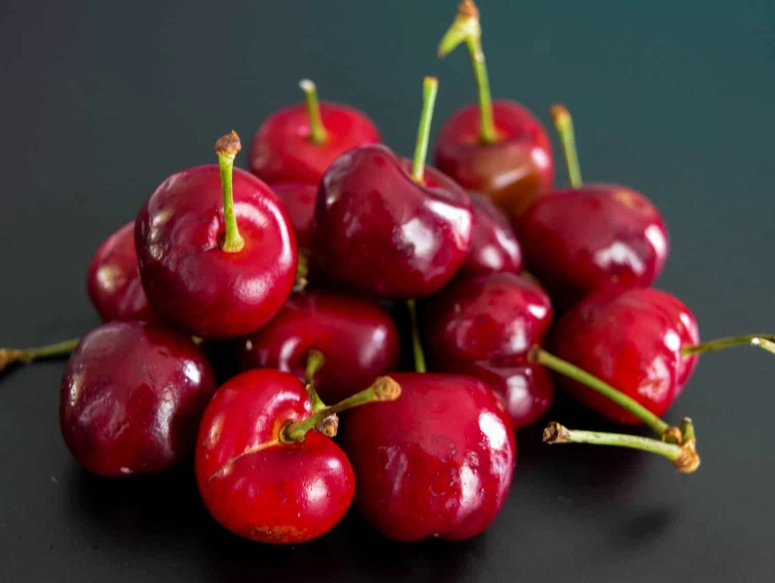
June is prime cherry season. You have two main players: sweet (like Bing, Rainier) and sour (Montmorency, for pies). For sweet cherries, look for plump, firm fruit with glossy skin and flexible green stems. A dull color or dry, brittle stems mean they're past their prime. Don't wash them until you're ready to eat, as moisture speeds up decay.
Blueberries & Raspberries
The season kicks off in June. Blueberries should be firm, dusty blue (not reddish), and roll freely in the container. Avoid containers with juice stains at the bottom—it means some berries are already crushed and mold will spread fast. Raspberries are more delicate. They should hold their shape, be evenly colored, and have a hollow core. If they're mushy or leaking, skip them.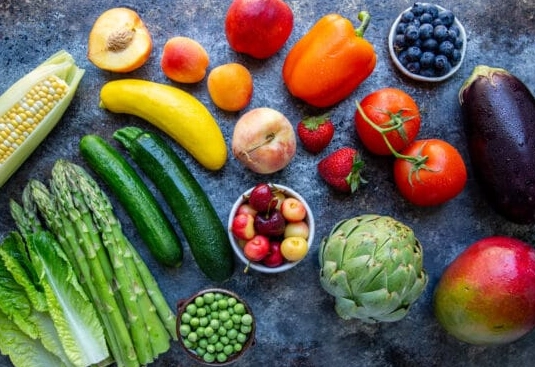
June's Vegetable Stars: From Leafy Greens to Summer Squash
This is where gardens and markets explode. The greens are still tender before the summer heat bolts them, and the first summer squashes arrive.
| Vegetable | Peak Indicators | Common Mistake to Avoid |
|---|---|---|
| Zucchini & Summer Squash | Small to medium size (6-8 inches), firm skin that glistens slightly, bright color. The smaller, the more tender and less seedy. | Letting them grow into baseball bats. They become watery, seedy, and bland. |
| Leafy Greens (Kale, Chard, Spinach) | Crisp, perky leaves with vibrant color. No yellowing, wilting, or slimy spots. | Storing them wet in a sealed bag. They'll turn to slime in a day. |
| Peas (Sugar Snap, Snow) | Pods that are bright green, plump, and snap crisply when bent. They should feel heavy for their size. | Overcooking. They need just a minute or two to stay crisp and sweet. |
| Radishes | Firm, smooth globes with crisp, green tops. The tops are edible and great for pesto! | Throwing away the greens. They're a bonus ingredient. |
| Beets | Smooth skin, firm to the touch. Attached greens should look fresh—another two-for-one deal. | Peeling them before roasting. Just scrub well; the skin holds nutrients and gets nice and crisp. |
I can't stress the zucchini point enough. That massive one your neighbor tries to give you? It's good for maybe one thing: zucchini bread where you need bulk and moisture. For sautés, grilling, or noodles, stick to the small, firm ones. The flavor is concentrated and nutty, not watery.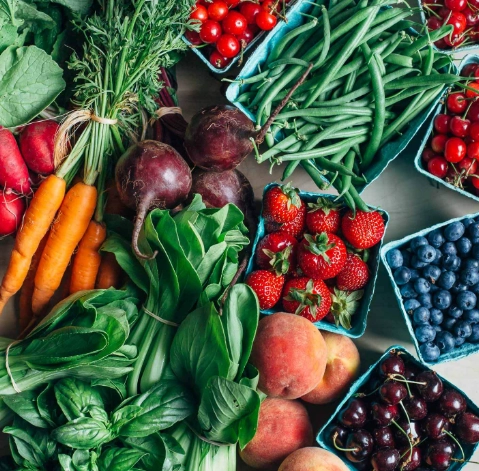
How to Store June Produce to Make It Last
You brought home this beautiful, fragile haul. Now what? Improper storage is the fastest way to waste money and flavor.
- Berries: Don't wash them. Place them in a single layer on a paper towel-lined container in the fridge. The paper towel absorbs excess moisture that causes mold.
- Leafy Greens: Wash and spin them dry. I mean really dry. Then wrap them loosely in a dry paper towel and store in a partially open or perforated bag in the crisper drawer. The towel acts as a moisture buffer.
- Zucchini/Squash: Keep them dry and loose in the crisper drawer. Don't cram them into a sealed plastic bag—they'll sweat and rot.
- Cherries: Keep them cold and unwashed in a breathable bag or container.
The "Don't Refrigerate" Club
This is a big one. Tomatoes (which start appearing in warmer June climates) lose their flavor and develop a mealy texture in the fridge. Keep them on the counter, stem-side down, out of direct sun. Same goes for stone fruits like peaches or early plums—if they're not ripe, the cold will halt the process. Let them ripen on the counter first, then eat or refrigerate for a day or two.
Simple, Brilliant Ways to Cook Your June Haul
You don't need complicated recipes. June produce shines with minimal intervention.
The 10-Minute Sauté: Slice zucchini and yellow squash. Heat olive oil, add a minced garlic clove for 30 seconds, then toss in the squash. Sauté over medium-high until just tender and getting golden spots. Finish with lemon zest, salt, and a handful of chopped fresh herbs (basil, mint, chives).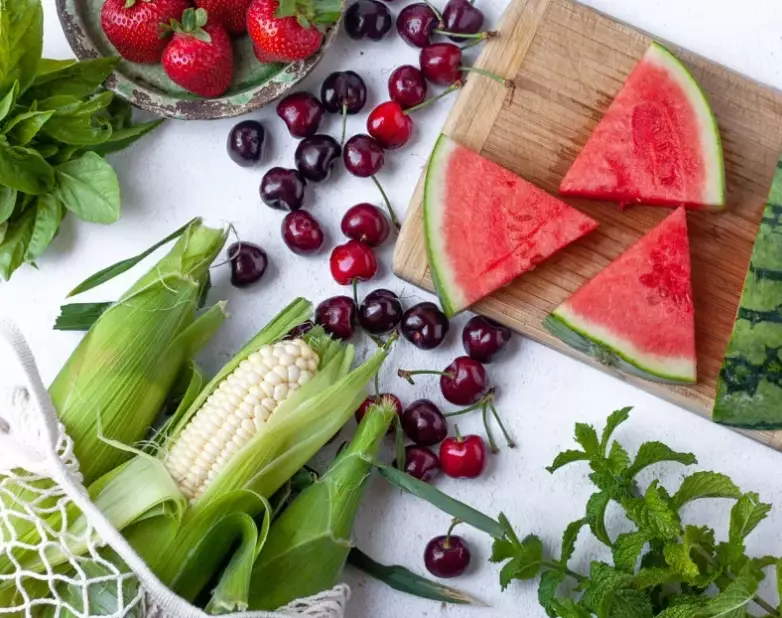
The No-Cook Salad: Thinly slice radishes and sugar snap peas. Toss with baby spinach or torn lettuce, chopped strawberries, and a simple vinaigrette (olive oil, lemon juice, a touch of honey, salt). The sweet, peppery, and crisp textures are pure June.
Grill Everything: Halve zucchini lengthwise, brush with oil, and grill until charred and tender. Toss whole snap peas in a grill basket. Even sturdy lettuce like romaine can be grilled briefly for a smoky flavor. Serve with a dollop of herby yogurt.
My personal favorite? A quick strawberry "jam". Mash a pint of strawberries with a tablespoon of sugar or honey and a squeeze of lemon. Let it sit for 30 minutes. It's not a preserve, but it's an incredible topping for yogurt, toast, or ice cream that tastes like pure strawberry essence. It beats any store-bought jar.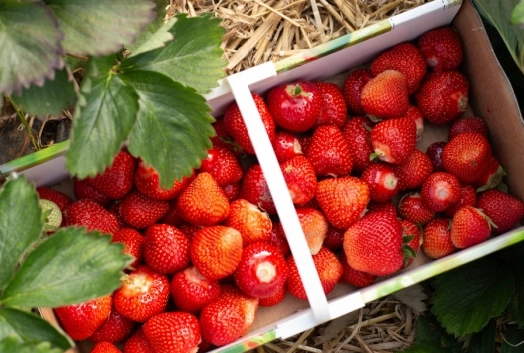
Reader Comments