You can have the most perfect brine recipe, the ideal spices, and follow every step to the letter, but if you start with the wrong cucumber, your pickles will never achieve that satisfying, crisp snap. It’s the single most important ingredient, and the choice isn't as simple as grabbing any green tube from the grocery shelf. I learned this the hard way years ago with a batch of mushy, disappointing spears that turned me off pickling for a season. Let's make sure that doesn't happen to you.
What's Inside This Guide
Why the Right Cucumber Variety is Everything
Think of it like tomatoes. You wouldn't use a beefsteak tomato for a smooth, thick sauce meant for romas. Cucumbers are the same. Pickling varieties are bred for specific traits that slicing or salad cucumbers lack.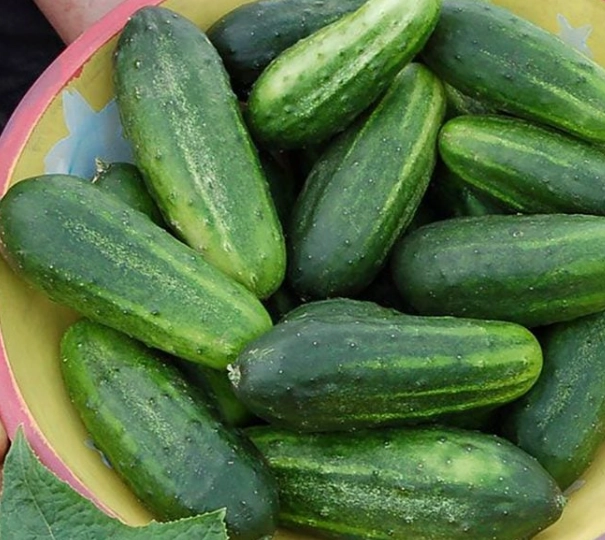
First, they have thinner skin. This allows the brine to penetrate quickly and evenly, leading to better flavor infusion and a more uniform texture throughout. Thick skin acts like a barrier.
Second, they're firmer and denser. Their flesh has less water content and smaller seed cavities compared to the watery, seedy interiors of many slicers. This structural integrity is what gives you that classic pickle crunch. A watery cucumber turns to mush under the acidity and heat of processing.
Finally, they're often smaller and more uniform in size. This is practical for fitting into jars and ensuring consistent processing times. A giant, irregular cucumber is a pain to pack and will pickle unevenly.
The Top 5 Cucumber Varieties for Pickling (Ranked)
Based on availability, reliability, and final texture, here’s my breakdown of the best cucumbers for the job. This isn't just theory; I've put jars of each of these to the test over dozens of batches.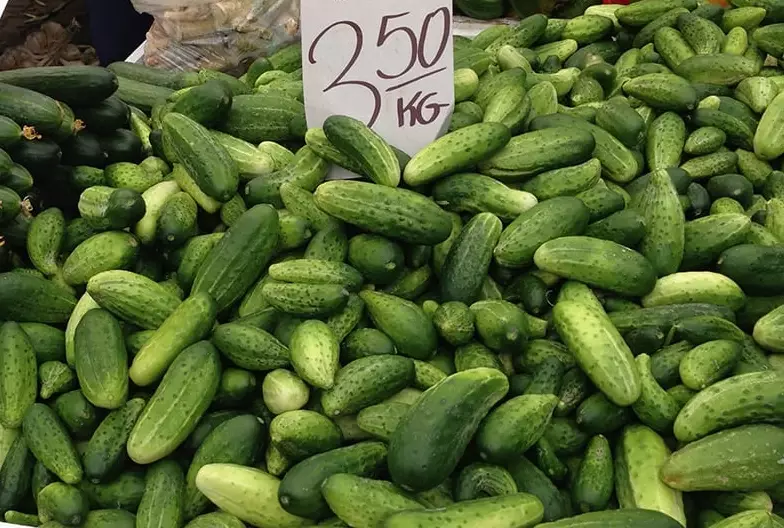
| Variety | Best For | Key Characteristics | Where to Find Them |
|---|---|---|---|
| 1. Kirby | Classic Dill Pickles, Bread & Butter Chips | Bumpy skin, incredibly dense flesh, minimal seeds. The gold standard for crispness. | Farmers' markets, well-stocked grocers (look for "pickling cucumbers"), garden grown. |
| 2. Boston Pickling | Whole Gherkins, Sweet Pickles | Slightly smaller than Kirby, very uniform, tender yet crisp skin. Heirloom favorite. | Farmers' markets, specialty grocers, seed catalogs for gardeners. |
| 3. National Pickling | All-purpose, especially spears and chunks | Smooth, blocky shape, vigorous grower. Excellent crunch and holds shape well. | Very common at farmers' markets, some supermarkets, easy to grow. |
| 4. Persian Cucumbers | Quick Refrigerator Pickles, Snacking | Thin, nearly seedless, sweet flavor. Pickles fast but best for non-canned methods. | Almost any supermarket, year-round. |
| 5. Gherkin (True) | Cornichons, Tiny Pickled Gherkins | Very small (1-3 inches), prickly, intense flavor. A specialty item for a specific pickle. | Specialty food stores, online retailers, garden from seed. |
Kirby: The Undisputed Champion
If you see a bin labeled simply "pickling cucumbers" at the store, they're almost always Kirbys. Their bumpy, dark green skin is a dead giveaway. What makes them win is their near-perfect flesh-to-seed ratio and that legendary density. They resist sogginess like no other. For your first-ever batch of canned dills, seek out Kirbys. You'll pay a premium—often $2.50 to $4.00 per pound—but it's insurance for a great result.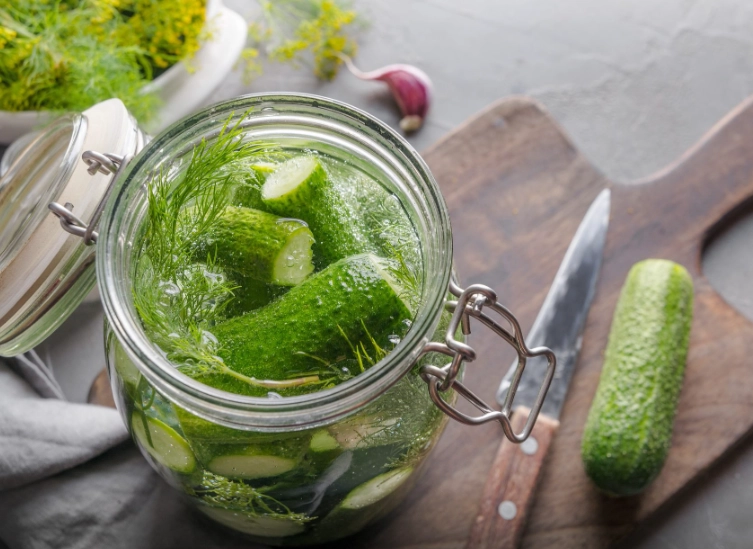
Boston Pickling & National Pickling: The Heirloom Workhorses
These are the varieties your grandmother likely used. Boston Pickling cucumbers are a bit more delicate and perfect for picking very small. National Pickling is the reliable, high-yielding choice for gardeners; its blocky shape means less waste when you're cutting spears. You'll find these more at dedicated farm stands than big-chain stores.
Persian Cucumbers: The Modern Convenience Pickler
Here’s a non-consensus take: Persian cucumbers make fantastic refrigerator pickles. Their thin skin and lack of seeds mean they absorb flavors in hours, not weeks. They stay remarkably crisp in the fridge for a month. However, I don't recommend them for traditional water-bath canning. Their delicate structure can break down under sustained high heat. Use them for quick, fresh pickles you'll eat within a few weeks.
True Gherkins: For the Connoisseur
Don't confuse these with the small pickles called "gherkins" in jars. True gherkin plants produce tiny, spiny fruits with a unique, almost bitter flavor that mellows into complexity when pickled as cornichons. They're a project, but an rewarding one for pickle enthusiasts.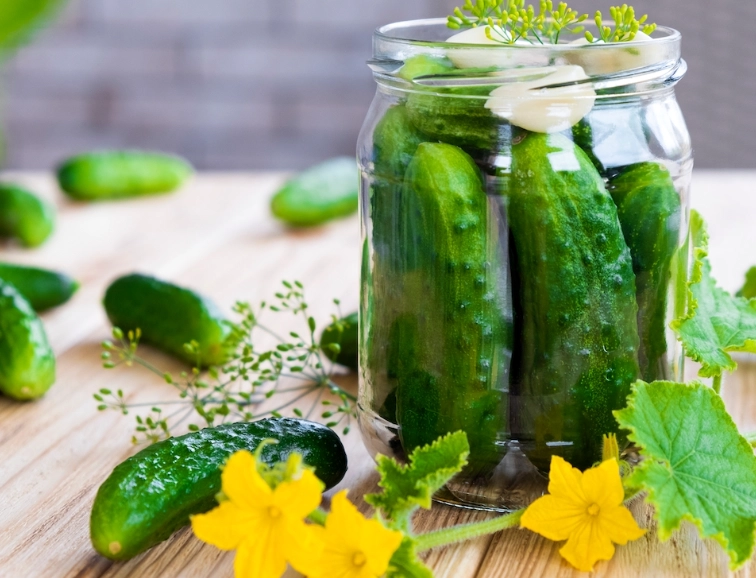
Pro Tip from a Failed Batch: Size matters more than you think. For the crispiest results, pick or buy cucumbers that are 4 to 6 inches long. Any larger, and the seeds are more developed, creating a watery core that leads to hollow, soft pickles. If you only have large ones, scoop out the seedy center before packing.
The One Type of Cucumber You Must Avoid
This is non-negotiable: Do not use standard American slicing cucumbers for pickling. I'm talking about the long, smooth, dark green cucumbers often sold wrapped in plastic. Varieties like 'Marketmore' or 'Straight Eight'.
Why are they so bad for pickling? They are bred to hold water, making them juicy for salads. This excess moisture is the enemy of crisp pickles. Even worse, most commercially grown slicers are coated with a food-grade wax to extend shelf life. This wax seals the skin, preventing brine penetration. You'll end up with a soggy, bland, unevenly pickled mess. The wax also makes it difficult to get a good seal if you're canning.
If it's shiny, smooth, and over 8 inches long, put it back. It's for your salad, not your pickle jar.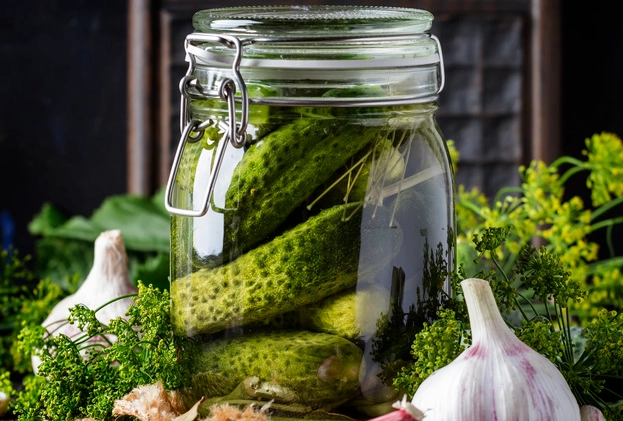
Where to Buy and How to Prepare Your Cucumbers
Knowing the types is half the battle. The other half is getting them from source to jar correctly.
Where to Find the Best Pickling Cucumbers
Farmers' Markets are King: This is your best source from mid-summer to early fall. You can talk to the grower, often find heirloom varieties like Boston Pickling, and get cucumbers picked that morning—unbeatable for freshness. Expect to pay $2-$4 per pound.
Supermarkets with a Good Produce Section: Look for the word "pickling" on the label. They are often in a separate bin from the slicers. Chains like Whole Foods, Wegmans, or local co-ops usually carry them in season. Persian cucumbers are almost always available.
Grow Your Own: The ultimate control. Seeds for 'Boston Pickling', 'National Pickling', and 'Kirby' are widely available. You pick at the perfect size, and the time from vine to brine is minutes.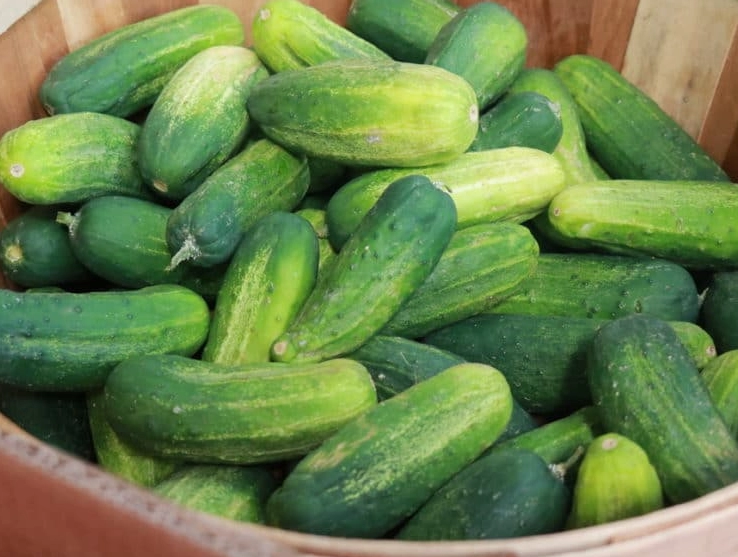
Critical Preparation Steps (Don't Skip These)
1. Wash Thoroughly, But Gently: Use cool water and a soft brush to remove any dirt, especially from the bumps of a Kirby. Never use soap.
2. The Bloom-End Trim: This is the subtle mistake most tutorials gloss over. The blossom end (opposite the stem) of a cucumber contains enzymes that can lead to soft pickles. Slice off at least 1/16th of an inch from that end. When in doubt, trim both ends—it's safe.
3. The Ice Bath Shock (For Ultimate Crispness): Before pickling, soak your trimmed cucumbers in a bowl of ice water for 1-2 hours. This plumps the cells with cold water, making them firmer and more resistant to the heat of processing. It's a game-changer.
4. Pack Them Tight: When loading your jars, pack the cucumbers as snugly as possible without crushing them. They will shrink slightly during processing, and a tight pack prevents them from floating and ensures even brine coverage.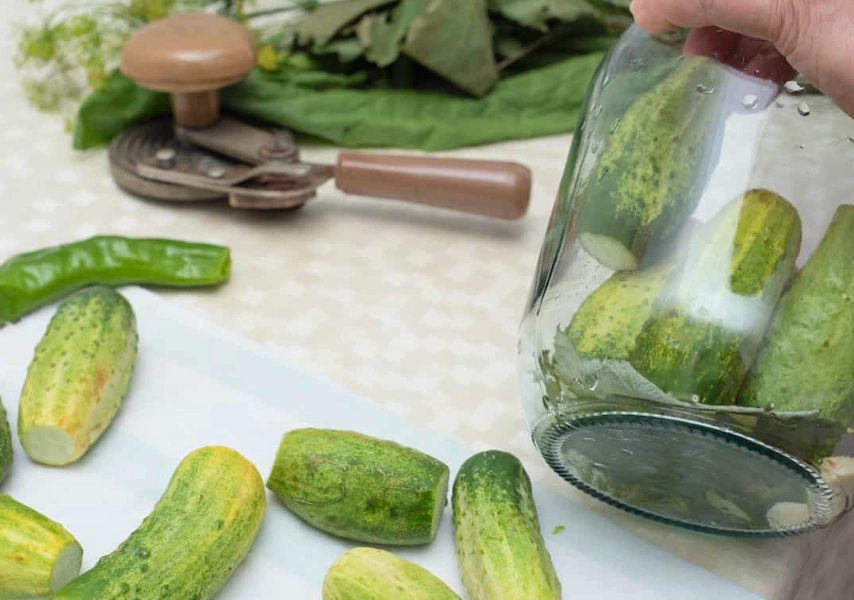
Reader Comments