No, pickling cucumbers are not the same as regular cucumbers. If you've ever grabbed a cucumber from the store and ended up with mushy pickles, you've probably used the wrong type. I learned this the hard way when my first batch of homemade pickles turned out soggy—turns out, I used a regular salad cucumber instead of a pickling variety. The differences boil down to skin texture, seed size, water content, and best uses. Pickling cucumbers have thin, bumpy skin and smaller seeds, making them ideal for preserving, while regular cucumbers are thicker-skinned and better for fresh eating. Let's dive into the details so you never make that mistake again.
What You'll Find Inside
What Are Pickling Cucumbers?
Pickling cucumbers are a specific type bred for preservation, not for eating fresh. They're shorter, usually 3 to 6 inches long, with a firm texture and distinctive bumpy skin. The bumps aren't just for looks—they help brine penetrate during pickling, ensuring even flavor and crunch. Common varieties include Kirby, Boston Pickling, and National Pickling. According to agricultural sources like the USDA, these cucumbers have been cultivated for centuries to resist softening in acidic solutions.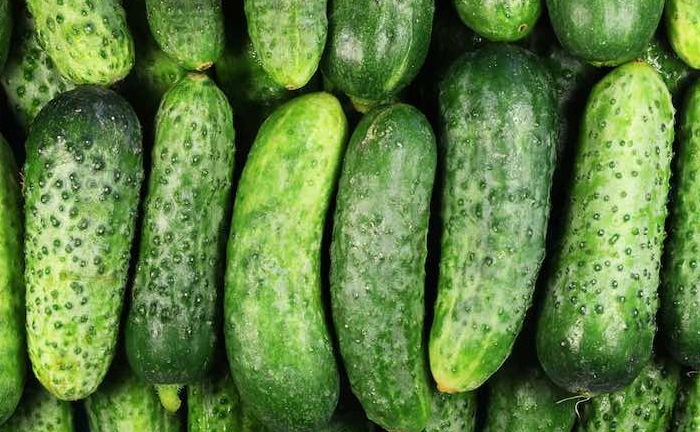
Key Characteristics of Pickling Cucumbers
Thin skin: It's easily pierced, allowing vinegar or brine to seep in. Small seeds: Less watery interior, so pickles stay crisp. Dense flesh: More solid, less prone to sogginess. Bumpy texture: Those warts trap spices and brine. I once grew Kirbys in my garden—they thrived in summer heat and produced loads of fruit perfect for canning. If you're into home gardening, they're a rewarding choice.
What Are Regular Cucumbers?
Regular cucumbers, often called slicing or salad cucumbers, are meant for fresh consumption. They're longer, smoother, and have a higher water content. You'll find them in supermarkets year-round, typically wrapped in plastic to retain moisture. Varieties include American Slicing, English (or hothouse), and Persian cucumbers. English cucumbers are seedless and have thin skin, but they're still classified as regular cucumbers because they're not optimized for pickling.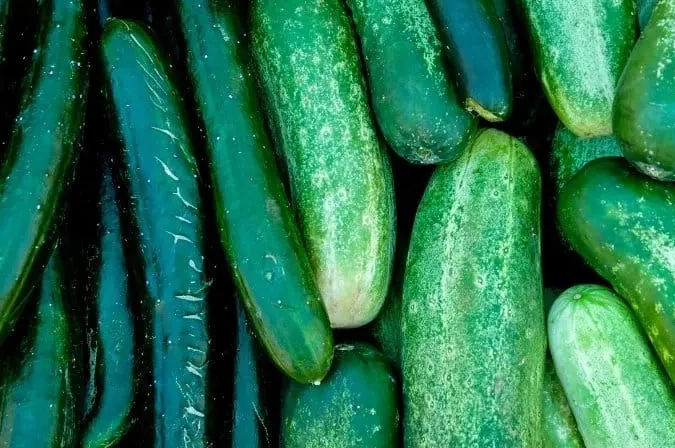
Key Characteristics of Regular Cucumbers
Thicker skin: Often waxed to prevent moisture loss, which can hinder pickling. Larger seeds: More watery, leading to softer texture when preserved. Smooth surface: Easier to slice for salads. Mild flavor: Less bitter, ideal for raw dishes. I prefer Persian cucumbers for snacking—they're crisp and sweet, but I'd never use them for pickling after a failed experiment that yielded limp pickles.
Side-by-Side Comparison
Here's a quick table to visualize the differences. This isn't just academic; it affects your recipes directly.
| Feature | Pickling Cucumbers | Regular Cucumbers |
|---|---|---|
| Skin Texture | Thin, bumpy (often called "warty") | Thicker, smoother (sometimes waxed) |
| Seed Size | Smaller seeds, less watery | Larger seeds, more watery |
| Length | Typically 3-6 inches | 6-12 inches or more |
| Best Use | Pickling, fermenting, canning | Salads, sandwiches, fresh eating |
| Common Varieties | Kirby, Boston Pickling | American Slicing, English, Persian |
| Crunch Factor After Pickling | High—stays firm | Low—can turn mushy |
Notice how pickling cucumbers are built for durability in brine. Regular cucumbers? They're hydration machines for summer salads.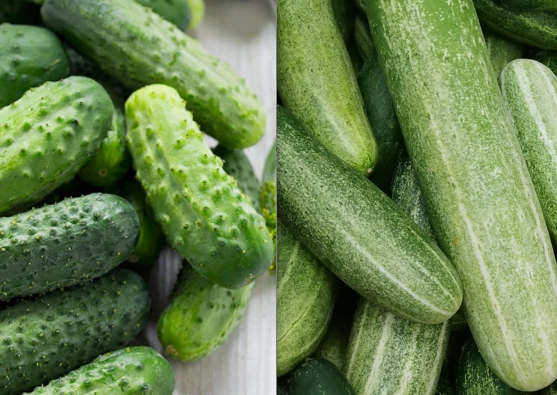
Can You Use Regular Cucumbers for Pickling?
Technically, yes, but you'll likely be disappointed. I've seen many home cooks try this to save a trip to the store, and the results are often subpar. The high water content and thick skin mean regular cucumbers absorb brine unevenly, leading to soft, soggy pickles. However, in a pinch, you can use English or Persian cucumbers if you adjust the method—slice them thinly and use a quick-pickle recipe with less soaking time.
Pros and Cons
Pros: Readily available, can work for quick pickles (like refrigerator pickles), and might be cheaper if on sale. Cons: Poor texture retention, risk of mushiness, and may require peeling to help brine penetration. A friend once used regular cucumbers for a fermented pickle project; after two weeks, they were almost liquid. Stick to pickling varieties for serious preserving.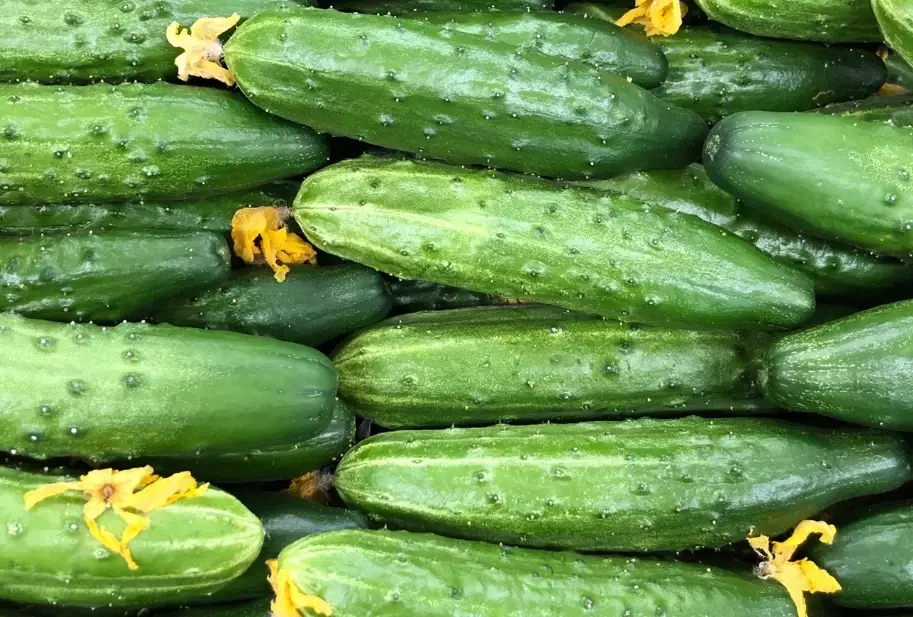
How to Choose the Right Cucumber
This isn't about grabbing any green cylinder. Think about your end goal. Are you making crunchy dill pickles for winter? Or a fresh Greek salad? Here's a breakdown.
For Pickling
Look for pickling cucumbers at farmers' markets or garden centers in summer. They're seasonal, peaking from June to August. Key signs: small size (about the length of your palm), firm to the touch, and bumpy skin. Avoid any with soft spots or yellowing—they're overripe. If growing your own, plant Kirby seeds in full sun; they mature fast and yield heavily. I recall a batch where I picked them too early; they were bitter. Wait until they're 4 inches long for best flavor.
For Salads and Fresh Eating
Regular cucumbers are your go-to. English cucumbers are great for no-peel salads—they're seedless and mild. Persian cucumbers are sweet and crisp, perfect for snacking. At the store, check for firmness and vibrant green color. If waxed, peel them for better texture. Price-wise, regular cucumbers are often cheaper per pound, but specialty types like English can be pricier. For a summer BBQ, I always slice up a mix: Persian for crunch, English for elegance.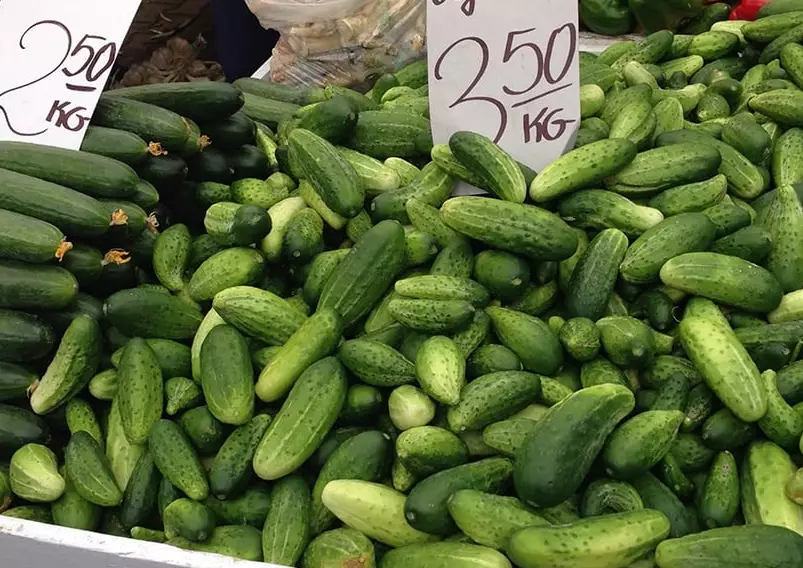
Common Mistakes and Expert Tips
After years of gardening and pickling, I've seen it all. Here are pitfalls to avoid and insider advice.
- Mistake 1: Using overripe cucumbers. They have large seeds and soft flesh, ruining crunch. Tip: Harvest or buy when firm and green.
- Mistake 2: Not removing blossom ends. The blossom end contains enzymes that can cause pickles to soften. Tip: Trim about 1/16 inch off the blossom end (the non-stem end).
- Mistake 3: Skipping the brine soak. For extra crunch, soak cucumbers in ice water or a salt brine before pickling. This firms them up. I do this for an hour—makes a world of difference.
- Mistake 4: Assuming all pickling cucumbers are equal. Kirby varieties vary; some are bred for disease resistance, which can affect flavor. Tip: Taste a slice raw—if it's bitter, adjust your pickling spices.
One more thing: storage. Pickling cucumbers lose quality fast. Keep them refrigerated and use within a few days. Regular cucumbers can last longer but still benefit from cool, humid conditions.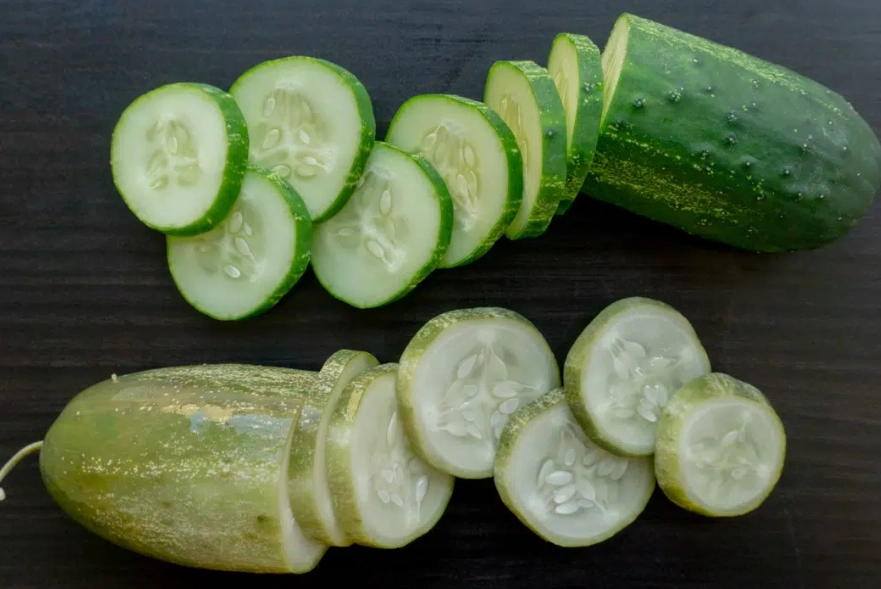
Frequently Asked Questions
Remember, the right cucumber makes or breaks your dish. Whether you're preserving summer's bounty or whipping up a quick salad, choose wisely based on texture and use. Happy cooking!
Reader Comments