You pick a fresh cucumber from your garden or the store, slice it up for a salad, and take a bite—only to be met with a harsh, bitter taste that ruins the whole dish. It's frustrating, right? I've been there, tossing out what looked like perfect cucumbers. The bitterness isn't random; it's usually a sign that something went wrong during growing or handling. In most cases, it boils down to plant stress compounds called cucurbitacins. Let's dive into the specifics so you can avoid this common pitfall.
What You'll Learn in This Guide
The Main Causes of Bitter Cucumbers
Cucumber bitterness isn't just bad luck—it's science. The compounds responsible are cucurbitacins, which plants produce as a natural defense against pests. When cucumbers are stressed, they ramp up production, leading to that off-putting taste. Here's what triggers it.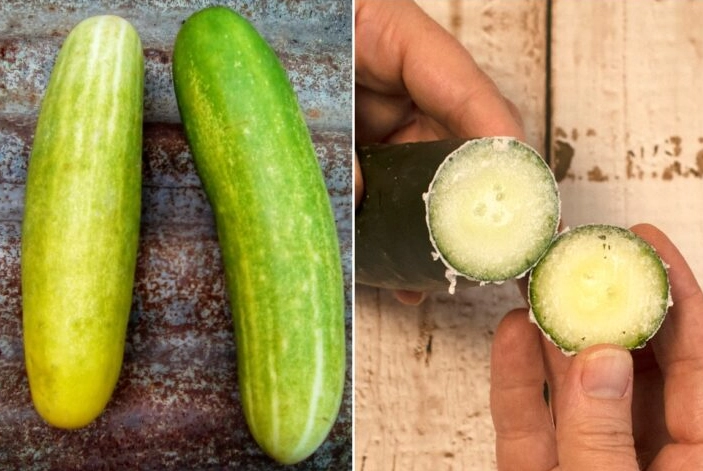
Plant Stress and Environmental Factors
Think of cucumbers as drama queens of the vegetable world. They hate inconsistency. If they don't get enough water, or if temperatures swing wildly, they react by turning bitter. I learned this the hard way during a heatwave last summer; my cucumbers went from sweet to bitter in days because I skipped a watering.
Key stressors include:
- Drought or irregular watering: Cucumbers are about 95% water, so dry spells force them to produce more cucurbitacins. Aim for 1-2 inches of water per week, deeply and evenly.
- Extreme temperatures: Hot days above 90°F (32°C) or cold snaps below 50°F (10°C) can shock the plants. According to the University of California Agriculture and Natural Resources, temperature fluctuations during fruit set are a common culprit.
- Poor soil conditions: Soil that's too acidic or lacks nutrients like nitrogen can stress plants. A pH of 6.0-6.8 is ideal.
Genetic Factors and Cucumber Varieties
Not all cucumbers are created equal. Some varieties are naturally more prone to bitterness due to their genetics. Older heirloom types, like 'Lemon Cucumber', often have higher cucurbitacin levels. Modern hybrids, such as 'Marketmore 76' or 'Diva', are bred for low bitterness and better stress tolerance.
If you're growing cucumbers, check the seed packet for terms like "bitter-free" or "burpless"—these are usually safer bets. I switched to 'Sweet Success' a few years ago and rarely deal with bitterness now.
Harvesting and Storage Mistakes
Timing is everything. Harvest cucumbers too late, and they accumulate bitterness as they overripen. Pick them when they're firm, green, and at their mature size—usually 6-8 inches for slicing types. Also, store them properly: keep cucumbers in the fridge, but not below 40°F (4°C), as cold damage can induce bitterness.
A friend once left cucumbers on the vine until they turned yellow; they were so bitter, even the compost pile seemed hesitant.
How to Prevent Bitter Cucumbers in Your Garden
Prevention is better than cure. Here's a step-by-step approach to growing sweet cucumbers, based on my own trial and error.
Start with the right variety: Choose hybrids known for low bitterness. 'Straight Eight' is a classic, but 'Corinto' has worked well for me in hot climates.
Water consistently: Use drip irrigation or soaker hoses to deliver water directly to the roots, avoiding wet leaves that can cause disease. Water in the morning to reduce evaporation stress.
Mulch like a pro: Apply 2-3 inches of organic mulch, like straw or compost, around plants. This keeps soil moisture even and temperatures stable. I use grass clippings—it's cheap and effective.
Fertilize wisely: Too much nitrogen can lead to lush leaves but bitter fruit. Use a balanced fertilizer, like a 10-10-10 blend, and follow package instructions. A soil test from your local extension office can help tailor nutrients.
Monitor pests and diseases: Stressed plants are more susceptible. Keep an eye out for cucumber beetles or powdery mildew, which can trigger bitterness. Natural remedies, like neem oil, can help without harsh chemicals.
Here's a quick table summarizing prevention tips:
| Factor | What to Do | Why It Matters |
|---|---|---|
| Watering | Deep, consistent 1-2 inches/week | Prevents drought stress and cucurbitacin spikes |
| Variety | Choose bitter-resistant hybrids | Genetic low bitterness reduces risk |
| Harvest Time | Pick in morning at mature size | Avoids overripening and heat stress |
| Soil Health | Maintain pH 6.0-6.8, add compost | Provides steady nutrients and reduces stress |
What to Do If You Have a Bitter Cucumber
So you've got a bitter cucumber—don't despair. You can often salvage it with a few tricks.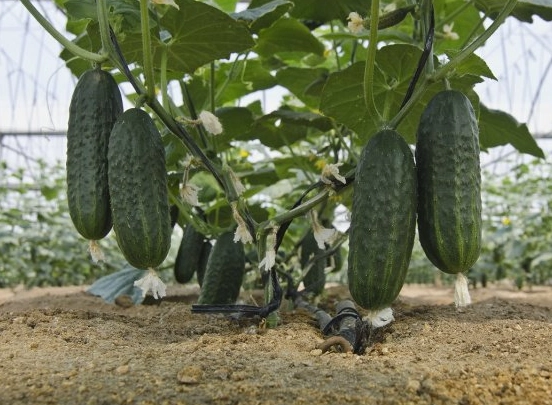
First, identify where the bitterness is concentrated. It's usually strongest near the stem end and in the skin. Try peeling the cucumber thoroughly and cutting off the last inch at the stem end. Sometimes, that's enough to make it edible.
For cooking, bitter cucumbers can work in dishes where other flavors mask the taste. Think pickling with plenty of vinegar and spices, or blending into a gazpacho with sweet tomatoes. I once used slightly bitter cucumbers in a relish with onions and sugar, and no one noticed.
If the bitterness is too intense, though, it's okay to compost it. Eating highly bitter cucumbers might cause stomach upset for some people, as cucurbitacins can be irritating in large amounts.
Pro tip: Taste a small piece from the blossom end (opposite the stem) before using the whole cucumber. That end tends to be sweeter, so if it's bitter there, the whole thing likely is.
Common Myths About Bitter Cucumbers Debunked
There's a lot of misinformation out there. Let's clear things up.
Myth 1: Bitter cucumbers are always poisonous. Not true. While high levels of cucurbitacins can cause digestive issues, most bitter cucumbers are safe in moderation. However, if they taste extremely bitter or you experience discomfort, it's best to avoid them.
Myth 2: Organic cucumbers are never bitter. Actually, organic growing methods don't guarantee sweetness. Stress factors like water or temperature affect all plants, regardless of farming practices. I've grown organic cucumbers that turned bitter due to poor watering.
Myth 3: You can't fix bitterness once it's there. Wrong—as mentioned, peeling and trimming can help. Also, soaking sliced cucumbers in salt water for 30 minutes can draw out some bitterness, though it might affect texture.
Myth 4: All store-bought cucumbers are safe from bitterness. Commercial varieties are often bred for low bitterness, but mishandling during transport or storage can still cause issues. Check for firmness and avoid any with soft spots.
Your Questions Answered
Bitterness in cucumbers doesn't have to ruin your harvest or meals. By understanding the causes—like stress, genetics, and handling—you can take control. Start with resistant varieties, keep watering consistent, and harvest smartly. If you do end up with a bitter one, try peeling or using it in cooked dishes. Gardening is all about learning; I still mess up sometimes, but now I know how to fix it. Happy growing!
Reader Comments