Let's get straight to the point. The single biggest mistake you can make with apple pie filling is using just one type of apple. I learned this the hard way after years of baking pies that were either a mushy mess or too firm. The secret to a truly great apple pie isn't a secret at all—it's about choosing and mixing the right apple varieties. Forget what you've heard about one "perfect" apple. We're building a flavor and texture symphony here.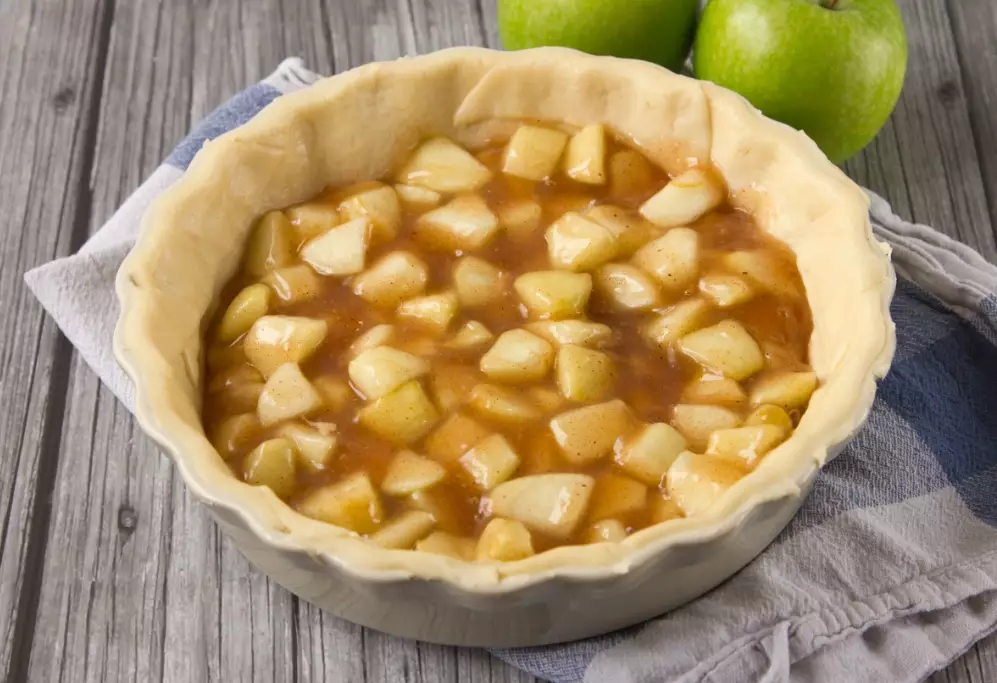
Your Quick Guide to Pie Perfection
Why Mixing Apples is Non-Negotiable
Think of your pie filling like a team. You need players with different strengths. Some apples break down easily, creating that saucy, jammy base that holds everything together. Others hold their shape, giving you distinct, tender-crisp bites that define a great pie's texture. Using only a firm apple (like Granny Smith) can leave your filling dry and lacking depth. Using only a soft apple (like McIntosh) gives you applesauce in a crust. The goal is balance. You want a filling that's cohesive but not homogenous, sweet but tangy, spiced but still tasting like apple.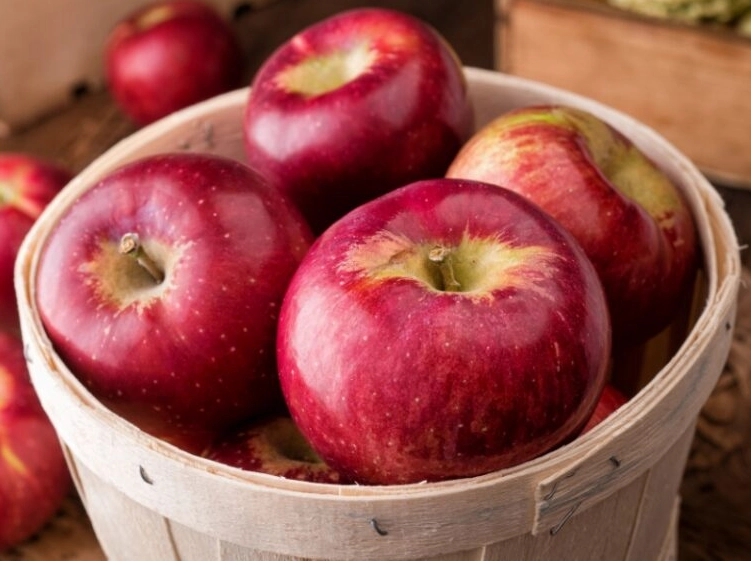
The Best Apple Varieties for Pie, Decoded
Here’s where we get specific. Don't just grab what's on sale. Look for these names. I've categorized them by their primary role in the filling based on texture and flavor profile.
| Apple Variety | Texture Category | Flavor Profile | Best Role in the Mix | My Personal Take |
|---|---|---|---|---|
| Granny Smith | Firm/Holds Shape | Very tart, bright, clean | The structural backbone. Provides necessary acidity. | Essential, but never use it alone. Its tartness needs sweet company. |
| Honeycrisp | Firm-Crisp/Holds Shape | Intensely sweet, juicy, mild honey flavor | Sweetness provider and texture star. Adds juicy bites. | My favorite for eating, but pricey for pies. Worth it for a special occasion. |
| Braeburn | Firm/Holds Shape | Balanced sweet-tart, spicy, aromatic | A fantastic all-rounder. Great for both structure and flavor. | Underrated. Often easier to find than Jonagold and just as good. |
| Jonagold | Firm-Soft/Partially Breaks Down | Sweet with honey notes, mild tang | The perfect bridge apple. Sweetens and saucifies slightly. | A top-tier mixing apple. If you see it, buy it. |
| Golden Delicious | Soft/Breaks Down | Mellow, sweet, buttery | Sauce-maker. Creates the binding "glue" for the filling. | Don't snub it. It's bland for eating, but magic for pie texture. |
| McIntosh | Very Soft/Breaks Down Fully | Tangy, aromatic, wine-like | Use sparingly for intense flavor and sauce. Too much turns to mush. | A little goes a long way. I use a single McIntosh for flavor punch. |
| Pink Lady (Cripps Pink) | Very Firm/Holds Shape Excellently | Tart-sweet, crisp, refreshing | Guarantees perfect, distinct slices. Adds a lively crunch. | If you hate a soggy apple bite, this is your go-to firm apple. |
Pro Shopping Tip: Don't get hung up on finding the exact varieties. Assess what's available. Poke the apple gently near the stem. If it feels rock hard, it's a firm keeper (good for structure). If it gives a little, it's a softer variety (good for sauce). Mix based on that simple test.
How to Mix Apples Like a Pro Baker
This is the fun part. There's no one formula, but there are guiding principles. After baking pies for over a decade, I've settled on a reliable framework.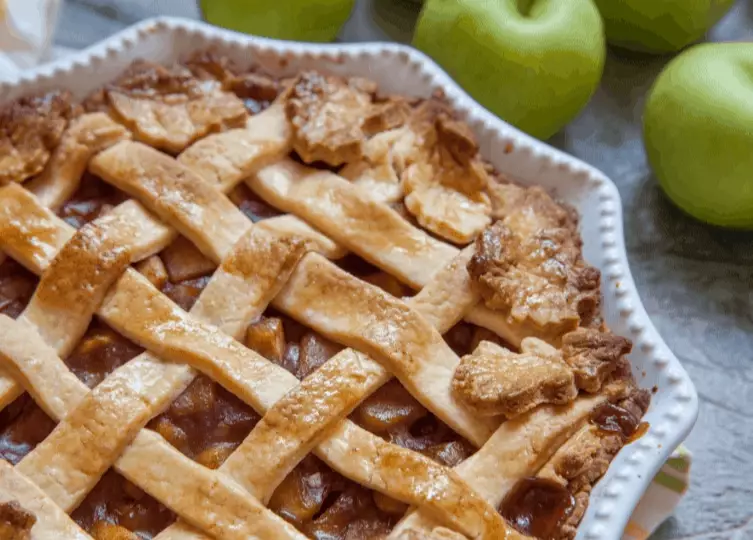
My go-to ratio is a 70/30 split: 70% firm apples (for structure) and 30% soft apples (for sauce and flavor depth). This gives you a filling that slices neatly but isn't dry.
Two Winning Combinations to Try
Here are my personal favorite blends, tested across countless Thanksgivings.
- The Classic Crowd-Pleaser: Granny Smith (50%) + Honeycrisp (30%) + Golden Delicious (20%). The Grannies give structure and tang, Honeycrisp brings explosive sweetness and juice, and Golden Delicious melts into a perfect binder. It's balanced and universally loved.
- The Complex Flavor Bomb: Braeburn (40%) + Jonagold (40%) + one single McIntosh (20%). This is my personal favorite. The Braeburn and Jonagold create a rich, spicy-sweet base with fantastic texture, and that one McIntosh infuses the whole filling with its unique aromatic flavor without making it mushy.
What if your store only has two types? No problem. Pair one firm-tart (Granny Smith, Pink Lady) with one firm-sweet (Honeycrisp, Braeburn). You'll still get a far better result than a single variety.
A Common Pitfall: Avoid using more than 50% of any single ultra-juicy apple (like Honeycrisp or Fuji) without adjusting. Their excess moisture can make your bottom crust soggy. If you love them, try a trick from the King Arthur Baking experts: toss your slices and let them drain in a colander for 15-20 minutes before mixing with sugar and spices. You'll be shocked how much liquid comes out.
Preparing Your Apple Pie Filling: A Step-by-Step Guide
Choosing the apples is 80% of the battle. The other 20% is in the prep. Here's exactly what I do, from cutting to filling the pie.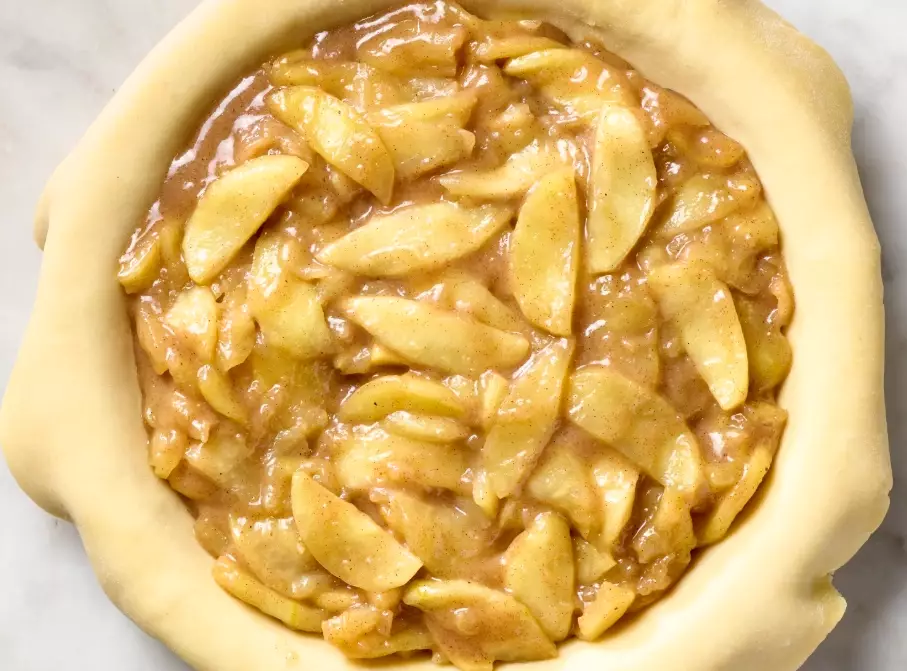
Step 1: Peel and Slice Consistently
Yes, you must peel. Apple skins turn tough and separate from the flesh during baking—not a pleasant texture. Slice them evenly, about 1/4-inch thick. Uniform slices cook at the same rate. I'm not a fan of super-thin slices; they lose all individuality.
Step 2: The Sugar and Spice Balance
For every 6 cups of sliced apples (about 2-2.5 pounds), I use 3/4 cup of granulated sugar. If my mix is very tart, I might go to 1 cup. For spices: 1.5 teaspoons of cinnamon, 1/4 teaspoon of nutmeg (freshly grated if possible), a pinch of cloves, and a big pinch of salt to elevate all flavors. A teaspoon of lemon juice is mandatory to brighten everything up.
Step 3: To Pre-Cook or Not?
This is the big debate. I almost always pre-cook my filling slightly. Here's why: raw apples shrink dramatically, leaving a huge gap between the filling and the top crust. By cooking the apples with half the sugar and spices in a large skillet for 8-10 minutes until just beginning to soften, you drive off excess moisture, concentrate the flavor, and prevent the dreaded "pie dome collapse." Let it cool completely before filling your crust. It's a game-changer.
Step 4: Thickeners are Your Friend
Even with pre-cooking, you need a thickener. I've moved away from flour (it can be cloudy). Tapioca starch (instant/minute tapioca ground into a powder) gives the clearest, glossiest set. Cornstarch works well but can set a bit too firmly if overdone. For that 6-cup apple batch, use 2-3 tablespoons of tapioca starch or cornstarch. Toss it with the cooled apples right before assembling.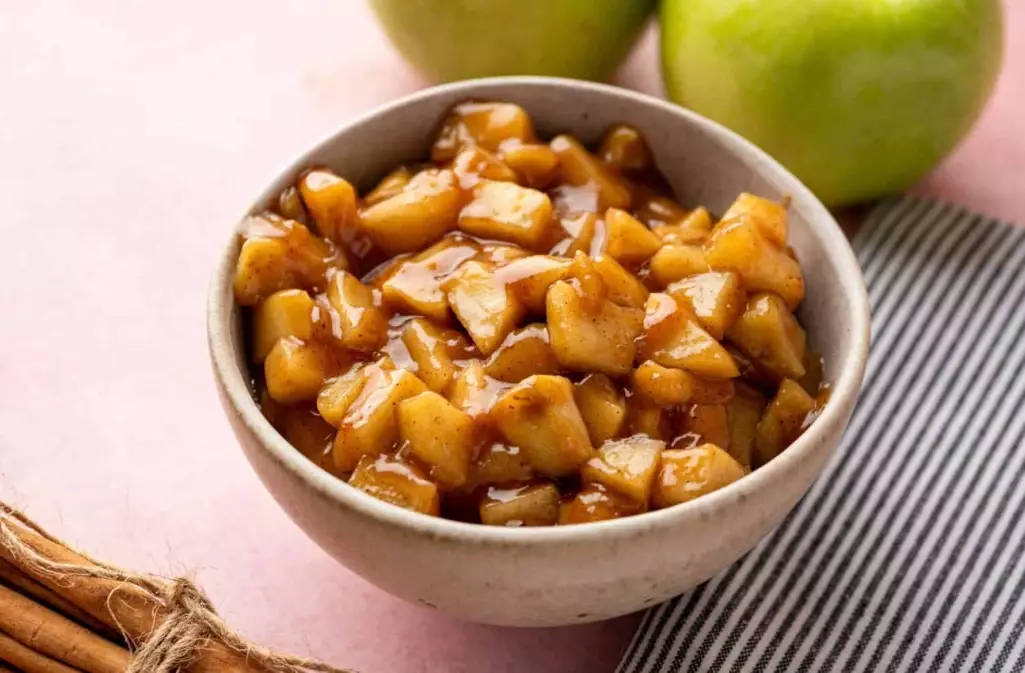
Your Apple Pie Filling Questions, Answered
Can I use only Granny Smith apples for my pie filling?
You can, but I wouldn't recommend it for the best pie. A solo Granny Smith pie will be very tart and the texture can be uniformly firm, almost starchy, without the saucy component that makes a filling cohesive. It often lacks the aromatic depth you get from mixing varieties. If you're determined to use one type, balance the sharp tartness with a bit more sugar and consider adding a tablespoon of apple cider vinegar to the filling to mimic the complexity of a mixed batch.
My apple pie filling always turns out too watery. What am I doing wrong?
Watery filling usually stems from three issues. First, using apples that are too juicy (like Gala or Fuji) without draining or pre-cooking. Second, not using enough thickener, or adding the thickener to hot filling where it activates too early and breaks down. Third, cutting the pie while it's still piping hot. The filling needs a full 4-6 hours to cool and set properly. Focus on the pre-cook method and ensure your pie cools completely on a wire rack—it's the most reliable fix.
 What's the best way to store uncooked apple pie filling for later use?
For long-term storage, freezing is key. Prepare your sliced apples, but omit the thickener (it breaks down when frozen). Toss them with lemon juice to prevent browning, then with the sugar and spices. Pack them tightly into a freezer bag, press out all the air, and freeze flat. The sugar acts as a preservative. When ready to use, thaw in the fridge, drain any excess liquid, then mix in your thickener (tapioca or cornstarch) right before baking. The texture will be slightly softer than fresh, but the flavor remains excellent.
Are "pie apples" or "baking apples" sold in bags a good choice?
It depends. Those bags are convenient, but they're often a single, unnamed variety that's just firm and tart. Check the label—sometimes they actually specify. If you're in a pinch, they're fine, but you're back to the single-variety problem. I treat them as my "firm" base and buy one or two different, sweeter apples (like a Golden Delicious or Jonagold) to mix in. This small extra step dramatically improves the result over using the bag alone.
Reader Comments