I've baked apple pies for years, and here's the straight answer: Empire apples can make a stellar pie, but they're not a foolproof choice. If you just slice and bake, you might end up with a soggy mess. I learned this the hard way when my first Empire apple pie turned into soup. Let's dive into why that happens and how to avoid it.
What You'll Learn in This Guide
What Are Empire Apples?
Empire apples are a cross between McIntosh and Red Delicious, developed in the 1960s at the Cornell University Agricultural Experiment Station. They're widely available in the U.S., especially in the Northeast during fall harvest season. You'll find them at most grocery stores from September to November, with prices around $2 to $4 per pound.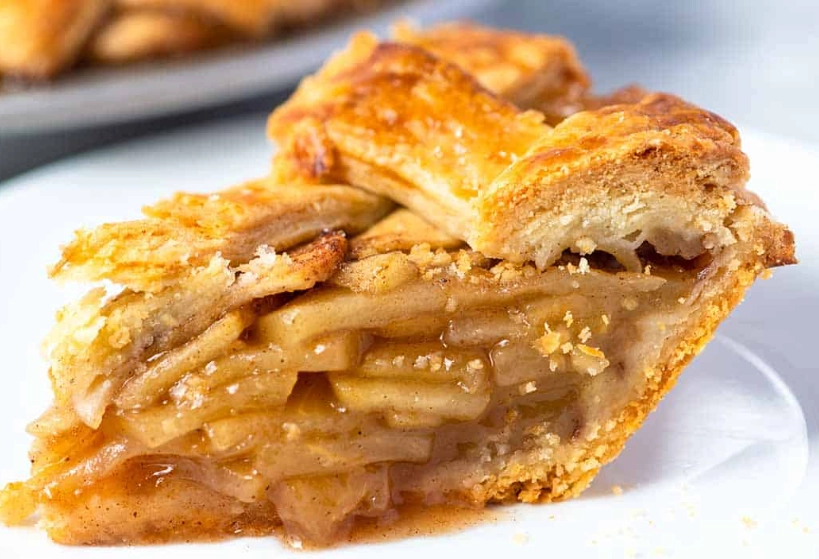
Their flavor is a balanced sweet-tart—think less acidic than Granny Smith but not as sugary as Fuji. The texture is crisp when raw, but that changes when baked.
Flavor Profile: Sweet with a Hint of Tart
Bite into a raw Empire apple, and you'll get a juicy sweetness followed by a mild tang. This makes them pleasant for eating fresh, but for pie, the tartness helps cut through the richness of butter and sugar. However, the sweetness means you might need to adjust your recipe's sugar content. I often reduce sugar by 10% when using Empires to avoid an overly sweet pie.
Texture: How They Hold Up When Baked
Here's where things get tricky. Empire apples have a moderately firm flesh that softens significantly when cooked. Unlike Granny Smiths, which hold their shape, Empires tend to break down into a softer, almost applesauce-like consistency if overbaked. This isn't necessarily bad—it can create a smoother filling—but if you prefer chunky apple slices, you need to handle them carefully.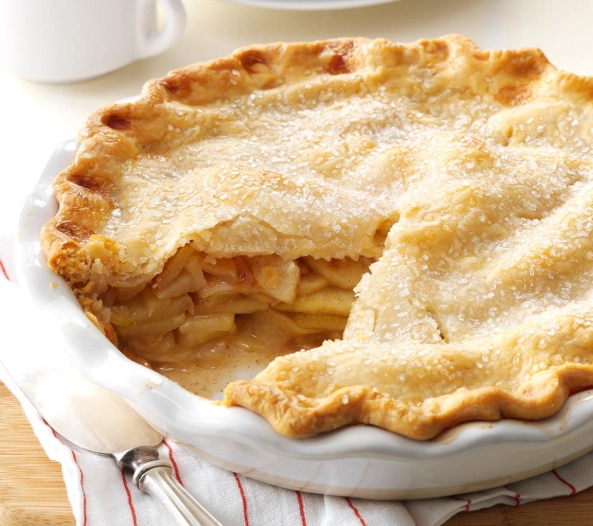
Pros and Cons of Using Empire Apples for Apple Pie
Let's break it down. Based on my experience, here are the key points.
Pros: Empire apples are naturally sweet, so you use less sugar. They're juicy, which helps keep the pie moist without adding extra liquid. Their flavor pairs well with spices like cinnamon and nutmeg. Plus, they're affordable and easy to find in season.
Cons: They can turn mushy if baked too long. The high moisture content might lead to a soggy bottom crust if not pre-treated. Also, their sweetness might mask the tartness some bakers prefer in a classic apple pie.
I remember one Thanksgiving where I used Empires without adjusting baking time—the filling was delicious but lacked texture. Lesson learned: monitor the pie closely during baking.
How Empire Apples Stack Up Against Other Pie Apples
To give you a clear picture, here's a comparison table of common apple varieties for pie. I compiled this based on baking tests and resources from the U.S. Apple Association, which provides detailed apple profiles.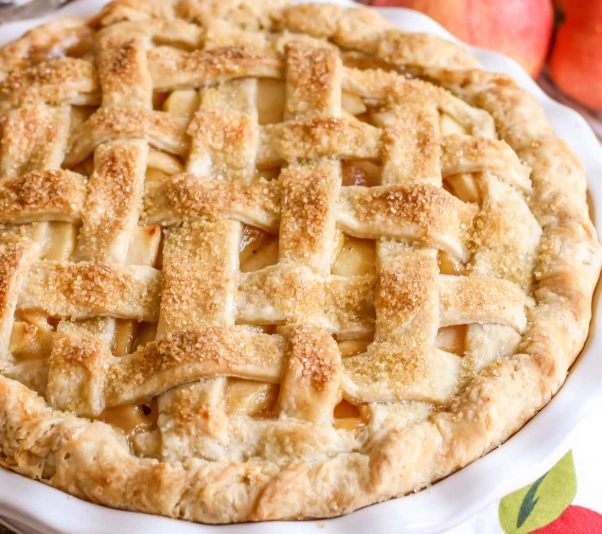
| Apple Variety | Flavor | Texture When Baked | Best For |
|---|---|---|---|
| Empire | Sweet-tart | Soft, can become mushy | Moist, smooth fillings |
| Granny Smith | Tart | Firm, holds shape | Classic chunky pies |
| Honeycrisp | Very sweet | Crisp-tender | Sweet pies with texture |
| Fuji | Sweet | Soft | Dessert-style pies |
| Braeburn | Spicy-tart | Firm | Balanced flavor pies |
As you can see, Empire apples sit in the middle—not too tart, not too firm. They're a versatile choice if you know their quirks. For a mixed apple pie, I often combine Empires with Granny Smiths to get both sweetness and structure.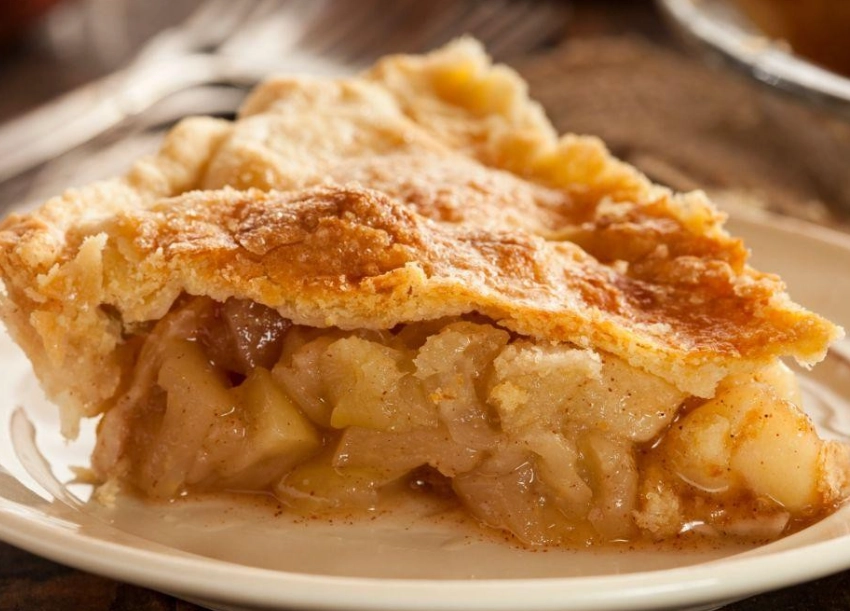
The Foolproof Empire Apple Pie Recipe
Here's my go-to recipe, tested dozens of times. It makes one 9-inch pie, serving 8 people. Prep time: 30 minutes, bake time: 50-60 minutes.
Ingredients
- 2 1/2 pounds Empire apples (about 6 medium apples)
- 3/4 cup granulated sugar (reduce to 2/3 cup if you prefer less sweet)
- 2 tablespoons all-purpose flour
- 1 teaspoon ground cinnamon
- 1/4 teaspoon ground nutmeg
- 1 tablespoon lemon juice
- 1 tablespoon unsalted butter, diced
- 1 package store-bought pie crust or homemade dough for double crust
Step-by-Step Instructions
Step 1: Prepare the apples. Peel, core, and slice the Empire apples into 1/4-inch thick slices. Toss them immediately with lemon juice to prevent browning. This step is crucial—Empires oxidize quickly.
Step 2: Mix the filling. In a large bowl, combine sugar, flour, cinnamon, and nutmeg. Add the apple slices and toss until evenly coated. Let it sit for 10 minutes; the sugar will draw out some juice, which helps thicken the filling.
Step 3: Assemble the pie. Preheat oven to 375°F (190°C). Roll out one pie crust and fit it into a 9-inch pie dish. Add the apple mixture, mounding it slightly in the center. Dot with butter. Place the second crust on top, seal the edges, and cut slits for venting.
Step 4: Bake. Bake for 50-60 minutes, until the crust is golden brown and the filling is bubbling. Check at 45 minutes—Empires bake faster than firmer apples. If the crust browns too quickly, cover with foil.
Step 5: Cool. Let the pie cool on a wire rack for at least 2 hours before slicing. This allows the filling to set and prevents a runny mess.
I once rushed the cooling step and ended up with a pie that collapsed. Patience pays off.
Expert Tips and Common Mistakes to Avoid
Based on my blunders and successes, here are key insights.
- Don't skip the lemon juice. Empire apples brown fast, and the acidity enhances their flavor.
- Adjust baking time. Since Empires soften quickly, start checking your pie 10 minutes earlier than usual. Use a toothpick to test apple tenderness—it should pierce easily but not mush.
- Prevent a soggy crust. Brush the bottom crust with egg wash or sprinkle with breadcrumbs before adding filling. This creates a barrier against moisture.
- Mix varieties. For better texture, use half Empire apples and half firmer apples like Granny Smith. This balances sweetness and structure.
- Store properly. Leftover pie? Keep it at room temperature for up to 2 days, or refrigerate for longer. Empire apple pie tends to get softer over time, so I prefer eating it fresh.
A common mistake I see is overloading the pie with apples. Empire slices shrink when baked, so mound them high initially—they'll settle during baking.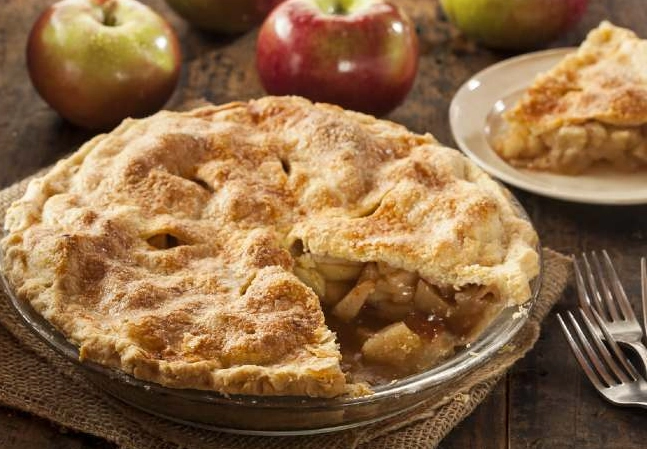
Frequently Asked Questions
Empire apples bring a unique sweet-tart flavor to apple pie, but they require some finesse. By adjusting techniques like slicing thickness and baking time, you can create a pie that's both flavorful and textured. Give them a try this fall—you might find a new favorite.
Reader Comments