Your Quick Guide
- Where Do All Those Calories Come From? Breaking Down the Recipe
- Store-Bought vs. Restaurant vs. Homemade: A Calorie Showdown
- How to Make a Lower-Calorie Caesar Dressing You'll Actually Like
- Smart Ways to Enjoy Caesar Dressing Without Overdoing It
- Your Caesar Dressing Calories Questions, Answered
- The Bigger Picture: Fitting Caesar Dressing into Your Diet
Let's be honest for a second. We all know Caesar salad isn't exactly a diet food. The crispy croutons, the shaved Parmesan... and that dressing. That creamy, garlicky, savory dressing that makes the whole thing come alive. But when you're trying to watch what you eat, that deliciousness comes with a nagging question: just how many calories are in Caesar dressing?
I used to pour it on without a second thought, telling myself it was just a salad. Then one day I actually looked at the bottle. The numbers were a bit of a shock. It sent me down a rabbit hole of nutrition labels, homemade recipes, and a quest to understand if I could still enjoy that classic flavor without derailing my goals. Turns out, you can. But you need to know what you're dealing with first.
The short answer? A standard two-tablespoon serving of classic, creamy Caesar dressing can pack anywhere from 140 to 180 calories. Sometimes more. That's before you even add the croutons, cheese, or protein. It can turn a seemingly light meal into a calorie-dense one surprisingly fast.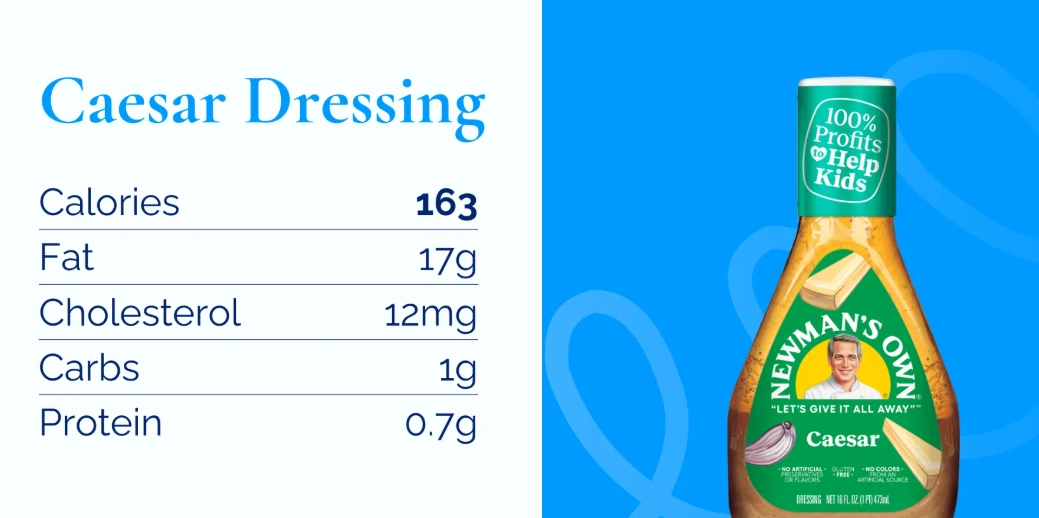
The core issue with Caesar dressing calories isn't just the number itself—it's where those calories come from. The traditional recipe is built on a foundation of oil, egg yolks, and cheese, which are all high in fat. While fats are essential, the combination in a typical dressing is incredibly energy-dense.
Where Do All Those Calories Come From? Breaking Down the Recipe
To really understand Caesar dressing calories, you have to look at its ingredients. It's not some mysterious concoction. The classic components are pretty simple, but each one carries a caloric punch.
The Big Three Calorie Contributors:
- Oil (Usually Olive or Canola): This is the main event. Oil is pure fat, clocking in at about 120 calories per tablespoon. A classic recipe can be 50-75% oil. You do the math.
- Egg Yolks: They provide that rich, creamy emulsion and thickness. One large egg yolk has about 55 calories, mostly from fat.
- Parmesan Cheese: The finely grated stuff adds salty, umami depth. Parmesan is calorie-dense due to its fat and protein content.
Then you have the flavor makers: anchovies (or paste), garlic, lemon juice, Dijon mustard, and Worcestershire sauce. These add negligible calories but all the character. The problem for store-bought versions? They often add extra stuff to stabilize it, extend shelf life, or cut costs, which can change the nutritional profile.
So when you're tracking Caesar dressing calories, you're mostly tracking fat. In a standard serving, you might get 15-18 grams of fat, with 2-3 grams of saturated fat. Carbs and protein are usually minimal (1-2 grams each).
A quick personal gripe about store-bought bottles: the serving size. Two tablespoons? Really? Who measures that perfectly on their salad? I know I used to just drizzle until it looked right, which was easily double that amount. Suddenly my 160-calorie side dressing became a 320-calorie dressing pool. Paying attention to portion size is the first and easiest step in managing Caesar dressing calories.
Store-Bought vs. Restaurant vs. Homemade: A Calorie Showdown
Not all Caesar dressings are created equal. The calorie count can swing wildly depending on where it comes from. This table breaks down what you can typically expect. I've compiled this based on common nutrition labels and general recipe analyses.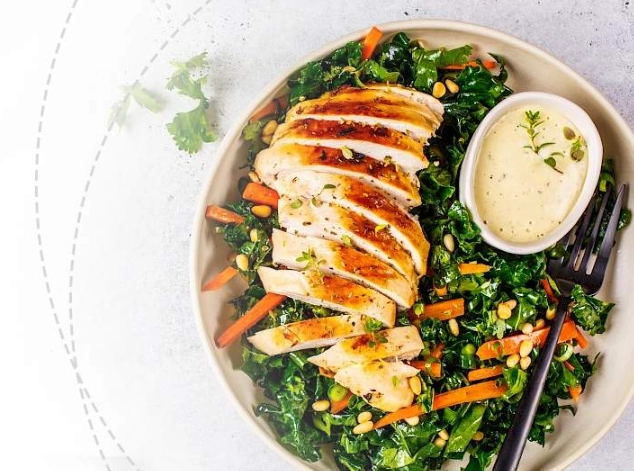
Often uses water, thickeners (like xanthan gum), and modified food starch to replace some oil. Taste and texture can be noticeably different.This is the heavyweight. Often made in-house with generous amounts of oil, egg yolks, and cheese. Portions are frequently much larger than 2 tbsp.You control the ingredients. Calories depend on your oil-to-other-stuff ratio. Can be just as high-calorie if following a traditional recipe.Uses clever substitutes like Greek yogurt, buttermilk, or cottage cheese as a base. The winner for managing Caesar dressing calories.
| Type of Caesar Dressing | Calories (per 2 tbsp) | Total Fat (g) | Key Characteristics & Notes |
|---|---|---|---|
| Standard Store-Bought Creamy (e.g., major brands like Kraft, Wish-Bone) | 150 - 180 | 16 - 18 | Often uses soybean/canola oil, contains preservatives, consistent flavor. The baseline for Caesar dressing calories. |
| "Premium" Store-Bought (e.g., refrigerated section brands) | 140 - 160 | 14 - 16 | May use olive oil, simpler ingredients. Sometimes slightly lower in calories due to different oil blends. |
| "Light" or Reduced-Fat Store-Bought | 60 - 100 | 5 - 9 | Often uses water, thickeners (like xanthan gum), and modified food starch to replace some oil. Taste and texture can be noticeably different. |
| Traditional Restaurant-Style (from a steakhouse) | 180 - 250+ | 18 - 25+ | This is the heavyweight. Often made in-house with generous amounts of oil, egg yolks, and cheese. Portions are frequently much larger than 2 tbsp. |
| Classic Homemade (from scratch) | 140 - 170 | 14 - 17 | You control the ingredients. Calories depend on your oil-to-other-stuff ratio. Can be just as high-calorie if following a traditional recipe. |
| "Hacked" Low-Cal Homemade (see recipes below) | 30 - 80 | 2 - 7 | Uses clever substitutes like Greek yogurt, buttermilk, or cottage cheese as a base. The winner for managing Caesar dressing calories. |
See the range? A "light" version might save you 100 calories per serving compared to a restaurant dollop. That's a big deal over time. The restaurant ones are the real wild cards. They're delicious for a reason—they're not holding back on the good (and high-calorie) stuff.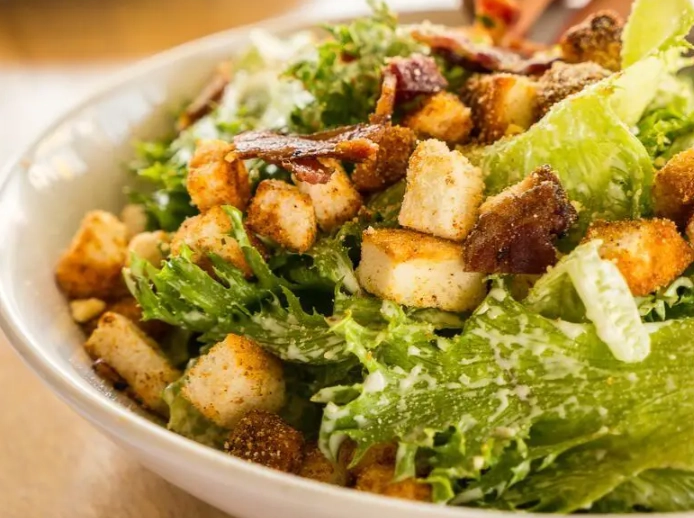
I remember ordering a Caesar salad at a nice Italian place once. It was tossed table-side with such flourish. It was also the best I'd ever had, and I'm convinced it contained at least a quarter cup of oil per serving. No regrets that day, but it's not an everyday meal.
How to Make a Lower-Calorie Caesar Dressing You'll Actually Like
This is the part most people scroll for. Can you have the flavor without all the Caesar dressing calories? Yes, but with a mindset shift. You're not going to perfectly replicate the mouthfeel of a full-oil emulsion. You're creating a new, lighter version that captures the spirit of Caesar.
The goal is to replace the primary fat base (all that oil) with something creamy but lower in calories. Here are the best contenders:
Top Base Alternatives for Cutting Calories:
- Plain Nonfat Greek Yogurt: The MVP. It's thick, tangy, and packed with protein. It provides the creaminess and body you lose when removing oil.
- Low-Fat Buttermilk: Adds a lovely tang and thin consistency. Often works best combined with a little yogurt or avocado for thickness.
- Blended Low-Fat Cottage Cheese: Sounds weird, works great. Blend it until completely smooth—it becomes neutral in flavor and super creamy.
- Mashed Avocado: Adds healthy fats and creaminess. The calories are still from fat, but it's nutrient-dense fat and you use less than you would of oil.
You still need the flavor powerhouses. Don't skimp on these:
- Garlic: Freshly minced is non-negotiable.
- Anchovy Paste: A tiny tube lasts forever and gives that authentic umami. Don't skip it unless you're vegetarian; it's what makes it Caesar.
- Fresh Lemon Juice: Brightness is key to balance the creaminess.
- Dijon Mustard: For a little sharpness and it helps emulsify.
- Worcestershire Sauce: More umami depth.
- Finely Grated Parmesan: Use a microplane. A little goes a longer way in flavor when it's this fine.
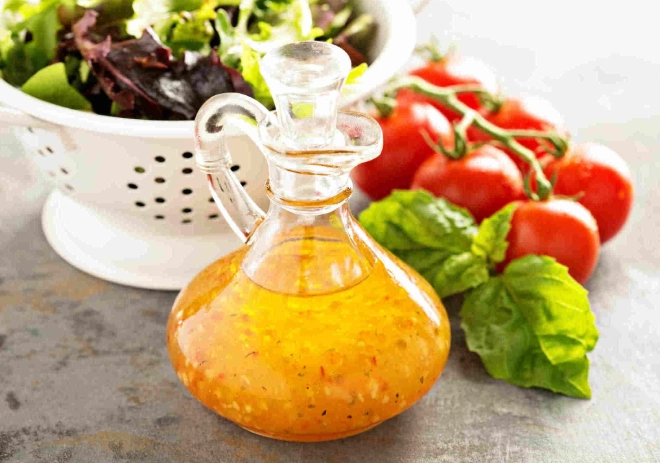
My Go-To "No-Guilt" Caesar Dressing Recipe
I've tweaked this over years. It's not the original, but it satisfies the craving for under 50 calories a serving.
Whisk together: 1 cup nonfat plain Greek yogurt, 2 tbsp fresh lemon juice, 1 tbsp extra virgin olive oil (just a hint for authenticity), 2 tsp anchovy paste, 1 large minced garlic clove, 1 tsp Dijon mustard, 1 tsp Worcestershire sauce, and 1/4 cup finely grated Parmesan. Thin with a tablespoon or two of water if needed. Season with black pepper. Let it sit in the fridge for an hour before using. The flavors meld beautifully.
See? You still use a little oil and Parmesan for authenticity, but the Greek yogurt does the heavy lifting. The calories in this Caesar dressing alternative are a fraction of the classic.
Smart Ways to Enjoy Caesar Dressing Without Overdoing It
Okay, so maybe you have a bottle of the regular stuff in the fridge and you're not making your own today. No judgment. Here's how to be smarter about it.
Portion Control is Everything: Get out a measuring spoon. Seriously. Do it once so you know what two tablespoons actually looks like on your salad. You might be surprised. After a while, you'll be able to eyeball it.
Change How You Apply It: Instead of pouring or tossing, dip your fork. Take a bite of lettuce, lightly dip the tip of your fork in the dressing, then take another bite. You use significantly less but get the flavor in every bite. It's a game-changer.
Build a Better Salad Bowl: If you're using a higher-calorie dressing, make the rest of the salad count. Load up on volume with greens (romaine is classic, but kale or spinach add nutrients). Add plenty of non-starchy veggies like cucumbers, bell peppers, and tomatoes. Choose a lean protein like grilled chicken, shrimp, or chickpeas. Go easy on the croutons and cheese—they add calories fast.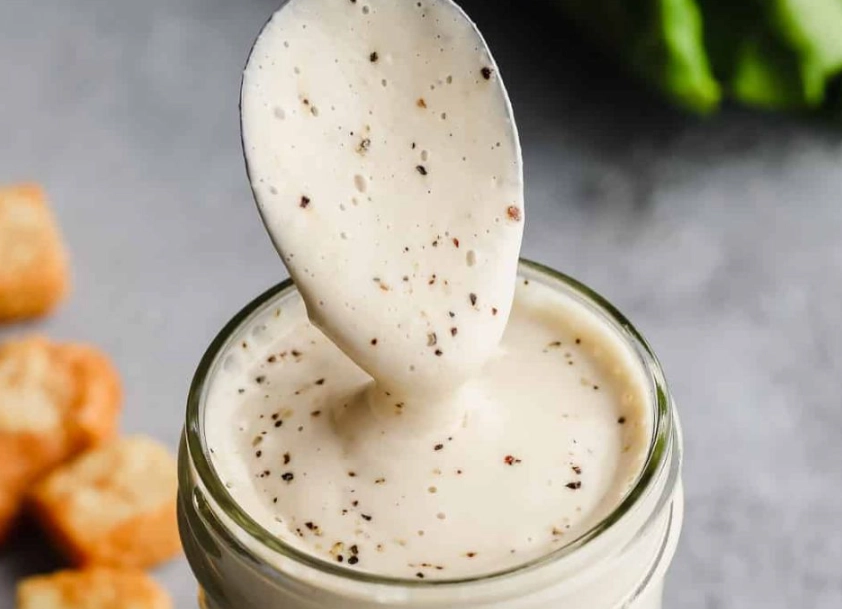
Think of your salad plate as a budget. If you spend 180 calories on dressing, you have less to "spend" on croutons, cheese, and fatty proteins. Prioritize what matters most to you in that meal.
Your Caesar Dressing Calories Questions, Answered
I get asked about this a lot, and I see the same questions pop up online. Let's tackle some common ones head-on.
Is bottled or homemade Caesar dressing healthier?
It depends on your definition of "healthy." Homemade gives you complete control. You can use high-quality olive oil, fresh ingredients, and no preservatives. But in terms of pure Caesar dressing calories, a classic homemade recipe will be just as high as a premium bottled one. The health "win" with homemade is ingredient quality, not necessarily a lower calorie count—unless you're specifically making a lightened-up version.
What is the lowest calorie Caesar dressing I can buy?
Look for brands that explicitly say "Light," "Reduced Fat," or "Greek Yogurt" based. Always compare the nutrition labels per serving. Some popular "light" brands come in around 60-80 calories for two tablespoons. Bolthouse Farms makes a yogurt-based one found in the refrigerated produce section that's often around 45 calories per serving. The taste is different—lighter, tangier—but many people find it a worthy trade-off.
Can I just use less of the full-fat dressing?
Absolutely. This is the simplest strategy. One tablespoon instead of two cuts the Caesar dressing calories in half immediately. To make a smaller amount work, make sure your salad is very well seasoned (a pinch of salt and pepper on the greens) and has other flavorful elements, like lemon juice squeezed over the top or plenty of herbs.
Why is restaurant Caesar salad so high in calories?
Three reasons: the dressing (often made with a heavy hand with oil and egg yolks), the portion size of said dressing, and the accompaniments. A classic restaurant Caesar might have a mountain of Parmesan, a generous heap of buttery croutons, and sometimes even a fried or breaded chicken cutlet on top. It's a combination of rich components.
Are the calories in Caesar dressing mostly "bad" fats?
Not necessarily. If the dressing is made with olive oil (a monounsaturated fat), the fats are largely considered heart-healthy. The saturated fat comes from the egg yolks and cheese. The issue is the sheer amount of fat, which translates to a high calorie density. As with most things, it's about the dose. For authoritative information on dietary fats, the American Heart Association's guidelines on fats are an excellent resource.
The Bigger Picture: Fitting Caesar Dressing into Your Diet
Let's step back. I don't think any food, including a higher-calorie dressing, is "bad" or needs to be eliminated. It's about context and frequency.
If you love a classic Caesar salad, have it! Enjoy it mindfully at a restaurant as a treat. For your regular Tuesday night dinner, maybe opt for the lighter homemade version or use a smaller portion. Nutrition isn't about one meal or one dressing; it's about the overall pattern.
Knowing the facts about Caesar dressing calories empowers you to make choices that fit your life. You can choose the indulgent version when it's worth it and have a lighter alternative for everyday. You can look at a menu and make a more informed decision.
The key takeaway?
Caesar dressing is calorie-dense because it's fat-based. A standard serving is 140-180 calories, mostly from fat. Restaurant versions are often much higher.
You can significantly reduce Caesar dressing calories by using bases like Greek yogurt, controlling portions, or choosing a "light" bottled version.
No need to ban it. Just be aware, so you can enjoy it on your own terms.
For those who want to dive deeper into the nutritional components of individual ingredients, the USDA's FoodData Central is the gold standard for reliable food composition data. And if you're looking for more general guidance on building healthy eating patterns that can include all foods, the nutrition resources from Harvard T.H. Chan School of Public Health offer science-based, practical advice.
So go ahead. Have that salad. Just maybe think twice before you drown it.
Reader Comments