You grab a sweet onion from the bin, expecting just a lack of tears and a gentler flavor for your burger. That's what I thought too, for years. Then I started digging. Turns out, that extra sweetness and lower pungency aren't just culinary quirks—they're signs of a different nutritional profile with some unique advantages. From supporting your heart in ways regular onions might not to being a potential secret weapon for sensitive stomachs, the health benefits of sweet onions are worth a closer look. Let's move past the basic "onions are good for you" talk and get into what specifically makes sweet onions like Vidalias, Walla Wallas, and Mauis stand out.
What's Inside This Guide
The Sweet Onion Nutritional Breakdown
First, let's clear something up. Sweet onions aren't "watered down" onions. They're distinct varieties grown in specific low-sulfur soil conditions. This soil is key—it limits the development of the sulfur compounds (pyruvic acid) that make regular onions sharp and tear-inducing. According to the USDA FoodData Central, a medium sweet onion (about 110g) provides roughly:
- Calories: 45
- Total Carbohydrates: 11g (with about 9g of natural sugars and 2g of fiber)
- Vitamin C: 12% of the Daily Value (DV)
- Vitamin B6: 8% of the DV
- Folate: 7% of the DV
- Potassium: 6% of the DV
- Manganese: 6% of the DV
The standout feature? The higher sugar-to-pyruvic acid ratio. This isn't just about taste. Some of those sulfur compounds, while beneficial, can be irritating. The milder profile of sweet onions opens doors for people who normally avoid onions.
A Personal Note: I used to think the higher sugar content was a downside. Then I realized—it's natural fructose and sucrose, not added sugar. This inherent sweetness is what allows you to eat them raw in larger quantities, unlocking more of the raw, heat-sensitive nutrients like vitamin C and certain enzymes.
7 Top Sweet Onion Health Benefits (Backed by Science)
Here’s where we get into the meat of it. These benefits apply to onions in general, but sweet onions make them more accessible.
1. Potent Anti-Inflammatory Support
Chronic inflammation is a root cause of many issues. All onions contain quercetin, a powerful flavonoid antioxidant. Research, including studies cited by the National Institutes of Health, suggests quercetin can help modulate the body's inflammatory response. The advantage with sweet onions? Their palatability raw means you can consume them in salads and salsas without cooking, which helps preserve more quercetin.
2. Heart Health Ally
It's a triple action. The quercetin may help support healthy blood pressure. The sulfur compounds that are present can promote "blood thinning" (antiplatelet activity), reducing excessive clotting risk. And the fiber contributes to healthy cholesterol levels. Eating them regularly is a simple dietary habit for cardiovascular support.
3. Digestive System Friend (For Many)
This is a critical, often overlooked point. Onions are high in FODMAPs (fermentable carbs), which can trigger IBS. Here's the non-consensus part: sweet onions, particularly when cooked, are often lower in specific FODMAPs like fructans compared to their brown or yellow counterparts. A dietitian I worked with noted that many of her clients with mild sensitivities tolerate cooked sweet onions better. It's not a guarantee, but it's a worthwhile experiment under guidance.
4. Blood Sugar Regulation
The fiber slows down the absorption of sugars. More notably, compounds like quercetin and sulfur seem to influence how the body metabolizes glucose and secretes insulin. Adding sweet onions to a meal can help moderate the overall glycemic impact.
5. Immune System Boost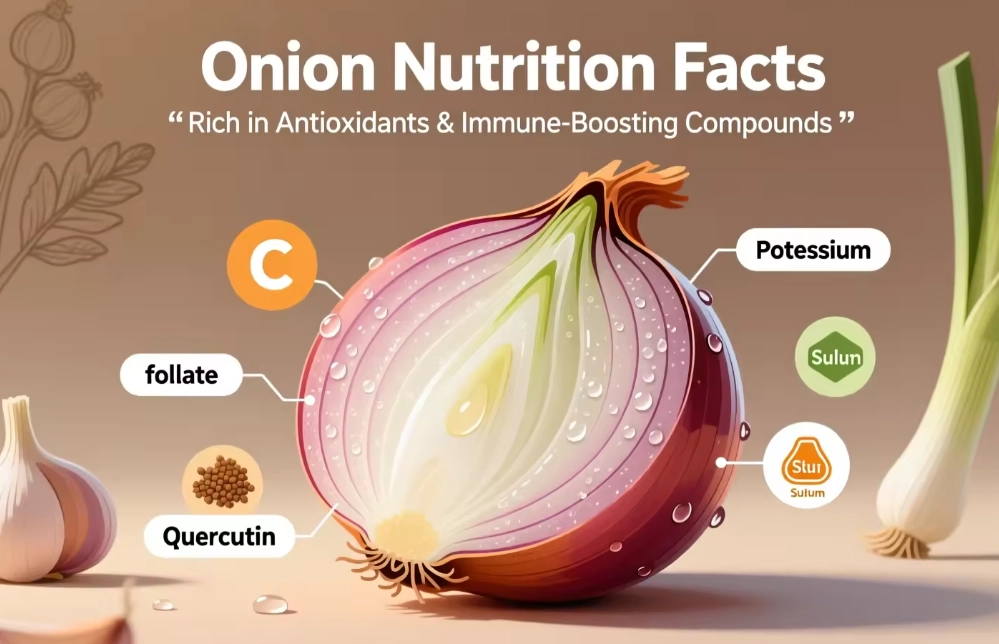
That vitamin C content, especially when eaten raw, directly supports immune function. The prebiotic fiber (inulin) feeds the beneficial bacteria in your gut, and a healthy gut is foundational to a strong immune system.
6. Bone Density Support
Older studies, like one referenced by the American Chemical Society, found that onion consumption was associated with improved bone density. The antioxidants are thought to combat oxidative stress that can weaken bones.
7. Potential Cancer-Protective Properties
Population studies have observed a link between high allium vegetable (onion, garlic) intake and a reduced risk of certain cancers. The organosulfur compounds are believed to inhibit cancer cell growth and promote detoxification. While no single food prevents cancer, making sweet onions a staple adds these protective compounds to your diet.
Sweet Onion vs. Regular Onion: Which is Actually Better?
It's not a simple win/lose. It depends on your goal. This table breaks it down.
| Aspect | Sweet Onion (e.g., Vidalia, Walla Walla) | Regular Yellow/White Onion |
|---|---|---|
| Primary Advantage | Milder flavor, higher natural sugar, lower pungency (pyruvic acid). Better for eating raw in volume. | Higher concentration of sharp, flavorful sulfur compounds. Provides more robust flavor foundation when cooked. |
| Best Use Case | Raw applications (salads, salsas, sandwiches, burgers), quick grilling, caramelizing (they caramelize faster). | Sautéing as a base for soups/stews, long braises, anywhere a deep, savory "onion" flavor is needed. |
| Nutritional Edge | Easier to consume raw, preserving heat-sensitive nutrients like vitamin C and some enzymes. Potentially easier to digest for some. | May have a slightly higher concentration of certain sulfur antioxidants due to stronger flavor profile. |
| The Verdict | Not "better," but different and situationally superior. Their benefit is accessibility and versatility in raw/prepared dishes. | The workhorse. You might get a more concentrated dose of some compounds, but you're less likely to eat it raw in a salad. |
My take? Keep both in your kitchen. Use yellow onions for your chili base and sweet onions for your summer corn relish.
How to Use Sweet Onions for Maximum Benefit
To get the full spectrum of sweet onion health benefits, you need to use them in different ways. Raw gives you one set of compounds, cooked another.
Eat Them Raw (The #1 Tip Most Miss): This is the biggest advantage. Thinly slice or dice them into:
- Salads: Their sweetness balances bitter greens like arugula.
- Salsas & Relishes: Mango-sweet onion salsa is a game-changer for fish.
- Sandwiches & Burgers: A thick slice adds crunch and flavor without overwhelming.
- As a Garnish: Finely chopped on soups, tacos, or grilled meats.
Cook Them Gently: Quick cooking preserves more nutrients than boiling to death.
- Sauté: Soften in a little olive oil as a base for frittatas or pasta sauces.
- Grill or Roast: Wedges brushed with oil develop a beautiful char and deep sweetness.
- Caramelize: Yes, it takes time, but the resulting jam is a fiber-rich condiment. Use a mix of fat and a pinch of salt; you don't need heaps of sugar—they have plenty.
Avoid This Common Mistake: Don't store cut sweet onions in water to "remove the bite." You're leaching out water-soluble nutrients like vitamin C and flavonoids. If you need to tame them slightly, a quick rinse under cold water is enough.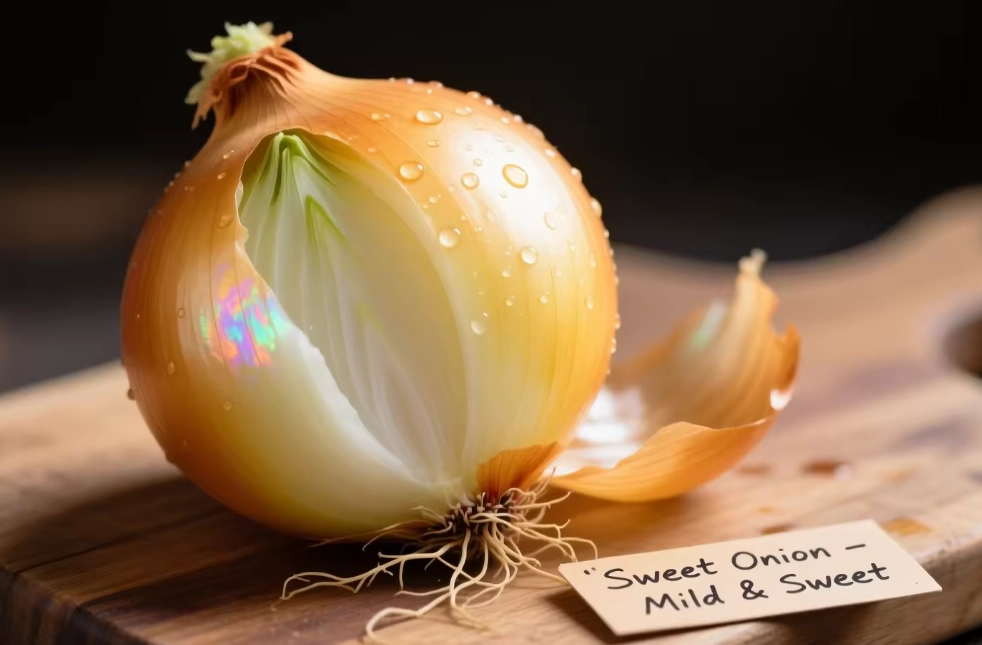
Buying & Storing Sweet Onions: An Expert's Tips
Picking the right onion matters. A soft, sprouting sweet onion has lost vitality and nutrients.
Buying: Look for firm, heavy-for-their-size onions with dry, papery skins. Avoid any with soft spots, green sprouts shooting from the top, or a damp feeling. The neck (top) should be tightly closed. Vidalias are typically available April-August, Walla Wallas July-September. Outside these windows, you're likely getting old storage onions or mislabeled varieties.
Storing (This is Crucial): Sweet onions have higher water and sugar content, making them more perishable than storage onions. Do NOT store them in a plastic bag—they'll rot.
1. Keep them in a cool, dark, dry place with good air circulation. A mesh bag or a single layer in a basket is ideal.
2. Never store them with potatoes. Potatoes release moisture and gases that cause onions to spoil faster.
3. Once cut, wrap the remainder tightly in plastic wrap or put it in a sealed container in the fridge. Use within 3-4 days.
Your Sweet Onion Questions, Answered
 Are sweet onions okay for people with diabetes?
Reader Comments