In This Guide
- What Makes a Cucumber Great for Pickling?
- Top Contenders: The Best Pickling Cucumber Varieties
- How to Grow Pickling Cucumbers for Maximum Crunch
- The Harvest: Picking at the Perfect Moment
- Common Problems & Organic Solutions
- From Vine to Jar: Prepping for the Perfect Pickle
- Frequently Asked Questions (Stuff You're Probably Wondering)
- Final Thoughts & My Personal Recommendation
Let's be honest, there's nothing quite as satisfying as cracking open a jar of homemade pickles you grew yourself. That crisp snap, that perfect tang... it's a feeling store-bought just can't match. But here's the thing that trips up a lot of first-timers (myself included, years ago): not all cucumbers are created equal when it comes to pickling. You can't just grab any old cuke from the vine and expect magic in a jar.
Planting the wrong type is a fast track to mushy, disappointing pickles. I learned that the hard way. So, if you're staring at seed catalogs or nursery racks wondering what are the absolute best cucumbers to plant for pickles, you've landed in the right spot. This isn't just a list; it's the full story from dirt to jar, based on a lot of trial and error in my own garden.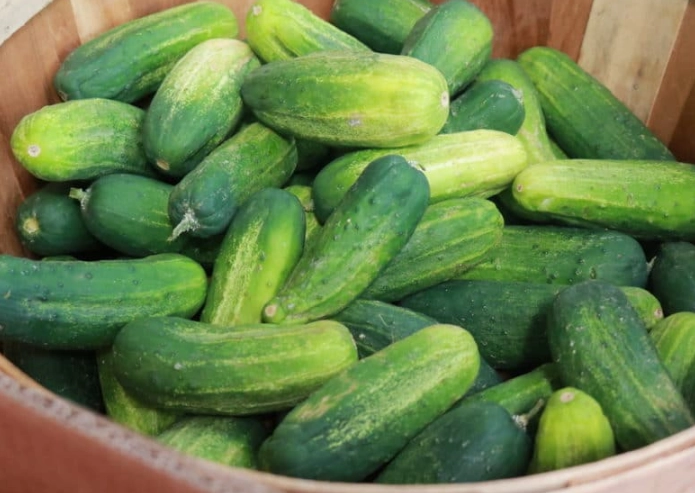
The Short Answer: The best cucumbers for pickles are specifically bred "pickling" varieties. They are typically shorter, blockier, have thinner skins, and firmer flesh with smaller seed cavities compared to long, sleek "slicing" cucumbers. This genetics is what gives you that legendary crunch.
What Makes a Cucumber Great for Pickling?
Before we dive into names and seed packets, let's talk why. Understanding the traits transforms you from a follower of instructions to a savvy garden planner. The holy grail for pickling is CRUNCH. Everything else is secondary. To get that, you need a cuke with:
- Firm, Dense Flesh: Less waterlogged tissue means less chance of turning soft during brining.
- Thin, Tender Skin: Allows the brine to penetrate easily and you often don't need to peel them.
- Small Seed Cavity: Large, watery seed pockets are the enemy of crunch. Pickling cukes are often nearly solid.
- Consistent Size & Shape: For uniform packing and even pickling in the jar.
- Bountiful Production: Pickling is a batch process. You want a plant that gives you a reliable, concentrated harvest.
See, slicing cucumbers? They're bred to be juicy, mild, and easy to eat fresh. That extra moisture is what turns to mush in the jar. It's a fundamental difference.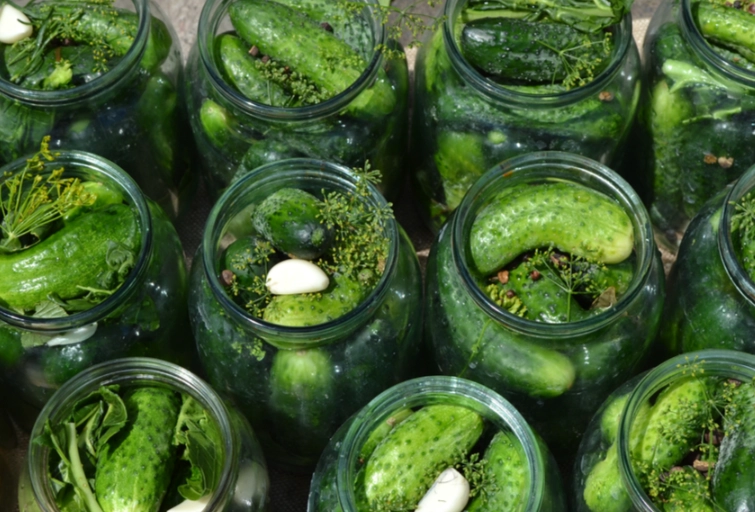
Top Contenders: The Best Pickling Cucumber Varieties
Alright, let's get to the good stuff. Here are the varieties that consistently deliver. I've broken them down because your garden's conditions and your pickle goals matter.
Classic All-Stars (Tried, True, & Reliable)
These are the workhorses. You can't go wrong.
Boston Pickling: The old-fashioned standard. Produces medium-green, slightly tapered fruits about 6 inches long. It's prolific, early, and has fantastic classic pickle flavor. A solid, no-fuss choice for any beginner. Seeds are widely available.
National Pickling: An All-America Selections winner for a reason. It's incredibly productive, with 5-6 inch straight, blocky fruits that are perfect for whole gherkins or spears. The vines are vigorous and disease-resistant. This is probably my personal most-planted variety over the years.
County Fair 87: This one deserves a special mention for its legendary disease resistance, particularly to bacterial wilt which is spread by cucumber beetles. If beetles ravage your garden every year, this variety is your savior. The pickles are excellent—spiny, crisp, and flavorful.
Space-Savers & Container Champions
Not everyone has a sprawling garden. Luckily, some of the best cucumbers to plant for pickles are bred for small spaces.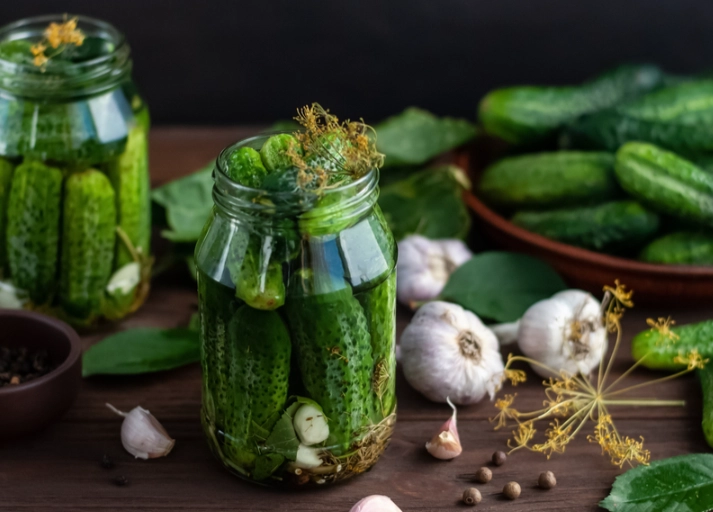
- Bush Pickle: Exactly what it sounds like. A compact, bushy plant that only spreads about 2-3 feet. Perfect for pots, patio gardens, or small raised beds. Don't let the size fool you; it pumps out a surprising number of 4-5 inch cukes.
- Picklebush: Another compact bush type, similar to Bush Pickle. Very productive over a concentrated period. Great if you want to do one big canning session.
I grew Bush Pickle in a half-barrel container last year on my sunny patio, and it was shockingly productive. No trellis needed, just a sturdy cage. It made the whole process feel very manageable.
For the Gourmet & Adventurous
Want something a little different?
- Parisian Gherkin: Also sold as 'Cornichon'. This is the real deal for those tiny, crunchy, tart French-style cornichons. The fruits are tiny (1-3 inches) and bumpy. They need to be picked every single day at peak season, but the unique result is worth the effort for pickle enthusiasts.
- Lemon Cucumber: Yes, it's round and yellow like a lemon! While often enjoyed fresh, its crisp texture and small seed cavity make it a fantastic, conversation-starting pickling cucumber. They make beautiful, unique pickle chips.
Head-to-Head Comparison
To make your choice easier, here's a quick-glance table comparing some of these top picks. It's the kind of comparison I always wanted when planning my garden.
| Variety | Fruit Size | Plant Type | Key Strength | Best For |
|---|---|---|---|---|
| National Pickling | 5-6" | Vining | High Yield, Reliable | All-purpose, large batches |
| Boston Pickling | 6-7" | Vining | Classic Flavor, Early | Beginners, traditional pickles |
| County Fair 87 | 6-8" | Vining | Disease Resistance | Gardens with pest pressure |
| Bush Pickle | 4-5" | Bush/Compact | Small Space | Containers, patios |
| Parisian Gherkin | 1-3" | Vining | Authentic Cornichons | Gourmet projects, daily picking |
How to Grow Pickling Cucumbers for Maximum Crunch
Choosing the right variety is 50% of the battle. The other 50% is how you grow them. You can start with the best seed in the world and still get soft pickles with poor practices.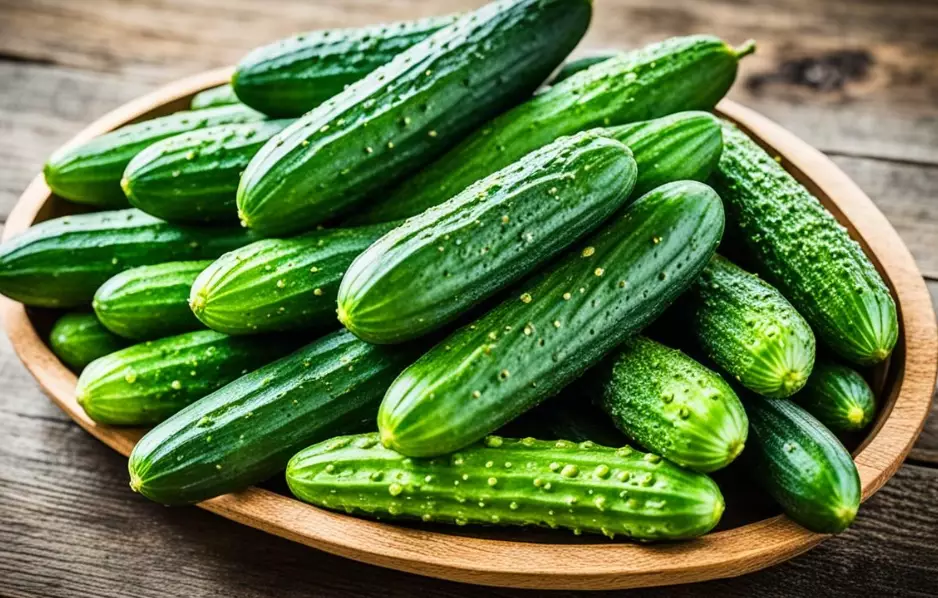
Planting & Location
Cucumbers are sun worshippers and heat seekers. Give them the sunniest spot you have—at least 8 hours of direct sun. Wait until the soil is warm, well after the last frost. Planting in cold, wet soil is an invitation to rotten seeds and stunted plants. I'm talking soil temperature of 70°F (21°C) or more. You can use black plastic mulch to warm the soil faster.
Soil is key. They love loose, well-draining soil rich in organic matter. Work in plenty of compost before planting. A slightly acidic to neutral pH (6.0-7.0) is ideal. Your local university extension service, like the University of Minnesota Extension, often has superb, region-specific soil testing and preparation guides.
Watering & Feeding: The Consistency Rule
This is the biggest factor for crispness, in my experience. Inconsistent watering is the prime cause of bitter, misshapen, or hollow cucumbers. The goal is steady, even moisture. Not a swamp, not a drought.
- Water deeply at the base of the plant, not the leaves, to prevent disease.
- Aim for 1-2 inches of water per week, more during blistering heat.
- A soaker hose or drip irrigation system is a game-changer here.
For feeding, go easy on the high-nitrogen fertilizers. Too much nitrogen gives you gorgeous, huge leaves but fewer fruits. Use a balanced vegetable fertilizer or one slightly higher in phosphorus and potassium when flowers start to form.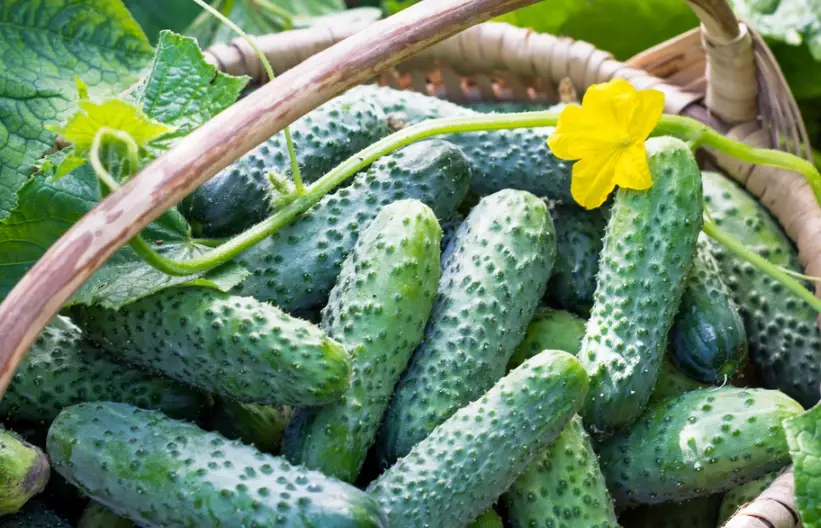
Trellising: Your Secret Weapon
I'm a huge advocate for trellising vining cucumbers. It saves space, improves air circulation (reducing disease), keeps fruits clean and straight, and makes harvesting a breeze—no more crawling through foliage. A simple A-frame or cattle panel trellis works perfectly. Trust me, your back will thank you at harvest time.
The Harvest: Picking at the Perfect Moment
This is non-negotiable for quality pickles. You must pick them young and pick them often. Don't wait for them to look like a supermarket slicing cuke.
- For most standard picklers (like National or Boston), the ideal size is between 3 to 6 inches long.
- Check plants every day during peak production. A cuke can go from perfect to overgrown in just 24-48 hours.
- What happens if you leave them? They become seedy, the skin toughens, the flesh gets pithy, and they start sucking energy away from the plant, reducing further production. An overgrown cucumber is only good for the compost bin, sadly.
Use a sharp knife or pruners to cut the stem, don't yank. And harvest in the morning when the cukes are still cool and crisp.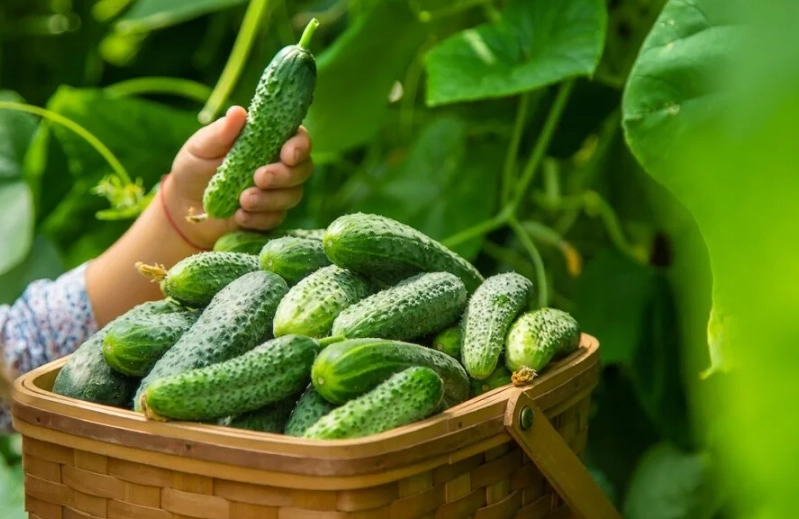
Common Problems & Organic Solutions
Even with the best cucumbers to plant for pickles, things can go wrong. Here's the quick fix-it guide.
Cucumber Beetles: These striped or spotted little devils spread bacterial wilt. Use floating row covers when plants are young, hand-pick them, or try organic sprays like pyrethrin. Planting the disease-resistant 'County Fair 87' is a brilliant strategic move.
Powdery Mildew: That white, powdery coating on leaves. It's almost inevitable by late summer. Improve air flow (trellising!), water at the base, and use organic fungicides like sulfur or potassium bicarbonate as a preventative. Some varieties have better resistance.
Bitter Fruit: Usually caused by stress—wild swings in temperature or, most commonly, inconsistent watering. Stick to the steady moisture rule. Also, bitterness is often concentrated in the stem end and skin; you can cut a slice off the stem end and taste it to check.
For comprehensive, science-backed pest and disease management, the University of Maryland Extension has fantastic integrated pest management (IPM) resources for home veggie gardens.
From Vine to Jar: Prepping for the Perfect Pickle
You've grown them, you've picked them at the perfect size. Now, don't ruin it in the home stretch!
- Wash & Sort: Gently wash the cukes in cool water. Sort them by size. This ensures even processing in the canner.
- The Blooming "Bloom": See that whitish film at the blossom end? That's the remains of the flower. You must scrub it off or cut about 1/16th inch off the blossom end. It contains enzymes that can make your pickles soft. The stem end is fine.
- Chill (The Pro Tip): This is my single best tip for extra crunch. After washing, soak your cucumbers in a bowl of ice water for 1-2 hours, or even overnight in the fridge. This firms up the flesh dramatically before they hit the hot brine.
- Use Fresh Ingredients: Fresh dill, garlic, and spices. And always use pickling or canning salt, not iodized table salt, which can cloud the brine.
For safe, tested, and reliable canning recipes and procedures, you must consult an authoritative source like the National Center for Home Food Preservation. Food safety is not a place for guesswork or random blog recipes.
Frequently Asked Questions (Stuff You're Probably Wondering)
Frequently Asked Questions (Stuff You're Probably Wondering)
Final Thoughts & My Personal Recommendation
If you're feeling overwhelmed and just want one surefire recommendation, here it is: go with 'National Pickling'. It's the gold standard for a reason. It's forgiving for beginners, incredibly productive, and produces flawless, classic pickling cukes. It's my desert-island pickling variety.
But the real joy is in the experiment. Maybe next year, try a bush variety for your patio and a packet of 'Parisian Gherkin' for fun. The journey of finding your own personal best cucumbers to plant for pickles is a big part of the gardening adventure.
Start with good seeds, give them sun, water them consistently, pick them small and often, and handle them right before canning. Do that, and you'll be rewarded with shelves full of the crunchiest, most flavorful homemade pickles you've ever tasted. It's 100% worth the effort. Now, go plan that pickle patch!
Reader Comments