You grab an onion for your salad, hoping for a mild, sweet crunch, but end up with tears and a sharp bite that overpowers everything else. We've all been there. The truth is, not all onions labeled "sweet" are created equal, and knowing which onion is a sweet onion can transform your cooking from good to restaurant-quality. Forget the generic bin at the supermarket. True sweet onions are specific varieties grown in specific places under specific conditions. They have higher sugar and water content and significantly lower sulfur compounds—the stuff that makes you cry and gives regular onions their pungent kick. Let's cut through the confusion.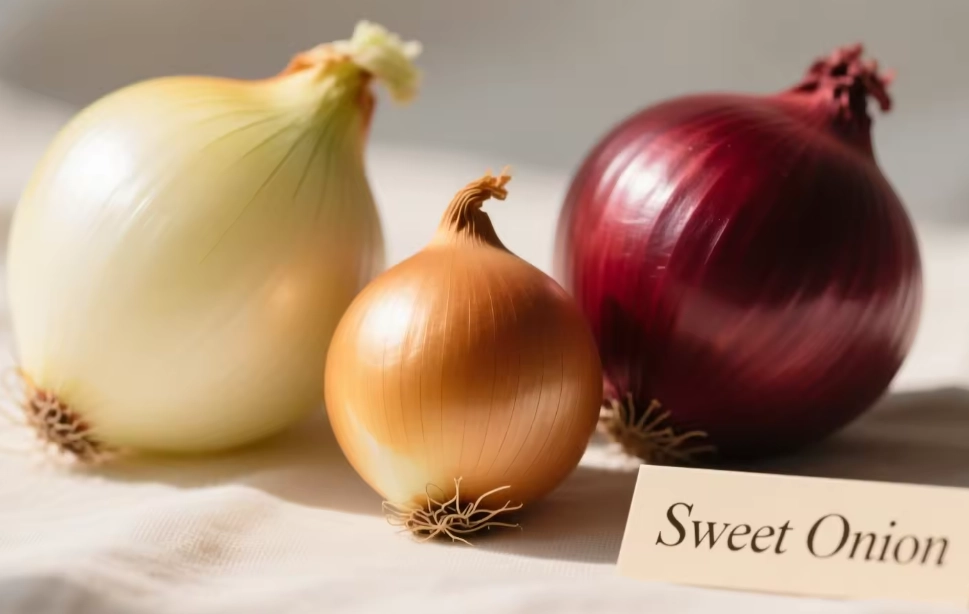
Your Quick Guide to Sweet Onions
What Makes an Onion Sweet? It's Not Just Marketing
It comes down to science and soil. The pungency and heat in standard yellow or white onions come from sulfur compounds absorbed from the soil. Sweet onion varieties are naturally bred to have lower levels of these compounds. But here's the catch: the growing environment is crucial. Low-sulfur soil is the magic ingredient. That's why the most famous sweet onions come from regions with sulfur-poor soil, like the sandy loam of Vidalia, Georgia, or the volcanic soil of Walla Walla, Washington. If you plant a Vidalia seed in sulfur-rich soil elsewhere, you won't get a true Vidalia. It'll be more pungent. This geographic dependency is a key detail most generic articles miss.
Top Sweet Onion Varieties to Know (And Where to Find Them)
These are the rockstars. Each has its own season and personality. Thinking they're interchangeable is a common mistake that can throw off a recipe.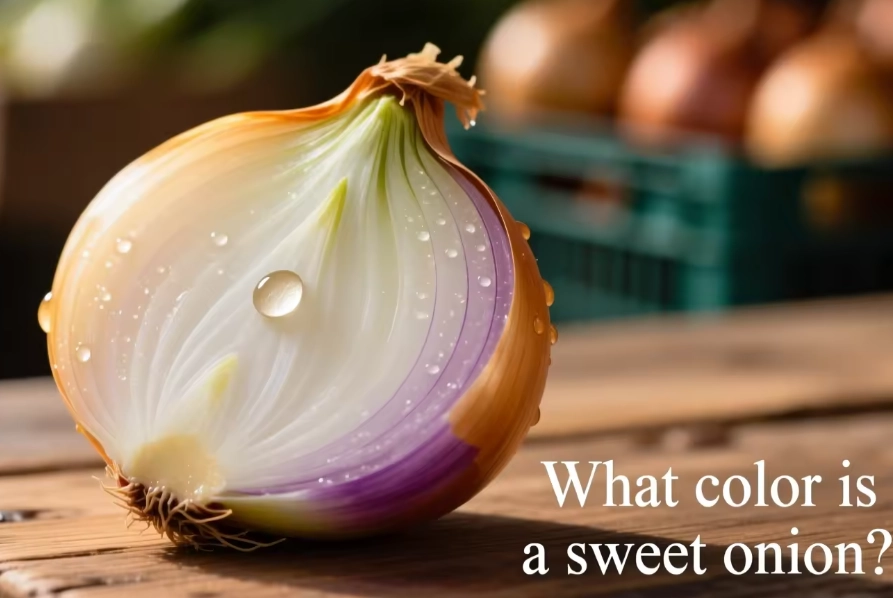
| Onion Variety | Primary Growing Region | Season | Key Characteristic | Best Used For |
|---|---|---|---|---|
| Vidalia | Georgia, USA (20 specific counties) | Late April - Early July | Extremely mild, almost no heat; legally protected name. | Raw in salads, salsas, burgers; delicate cooking. |
| Walla Walla | Washington State, USA | June - August | Large, juicy, with a balanced sweet flavor. | Onion rings, grilling, sandwiches, eating raw. |
| Maui | Hawaii, USA | April - July | Sweet and tangy with a crisp texture. | Asian-inspired dishes, salads, pickling. |
| Texas Sweet (1015) | Texas, USA | March - May | Named for its ideal planting date (Oct. 15); very sweet, good keeper. | Frying, roasting, any cooked application. |
| Oso Sweet | Chile, Argentina | Winter Months (Nov - Feb) | Imported to fill the off-season gap; reliably sweet. | All-purpose when Northern Hemisphere sweets are out of season. |
I made the error once of using a Walla Walla in a long-simmering stew thinking its sweetness would hold up. It practically dissolved, turning to mush and losing its distinct flavor. A Texas 1015 or a standard yellow onion would have been a much better choice for that application. Match the onion to the job.
The Seasonality Trap
A huge, rarely mentioned point: true sweet onions are seasonal. That Vidalia you see in November? It's been in controlled storage for months, and its sugar has started converting to starch. It's still sweeter than a standard onion, but it won't have the magic of a June Vidalia. Plan your recipes around their peak. Spring and early summer are prime time.
How to Choose the Best Sweet Onion: A Hands-On Guide
Forget the vague advice to "pick firm ones." Here's what you actually do at the market or store.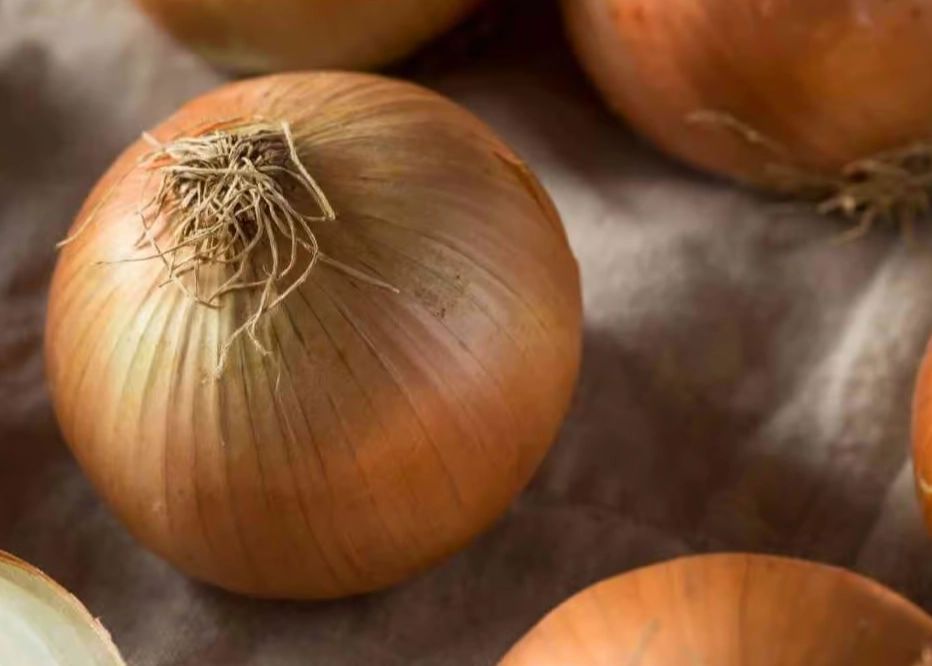
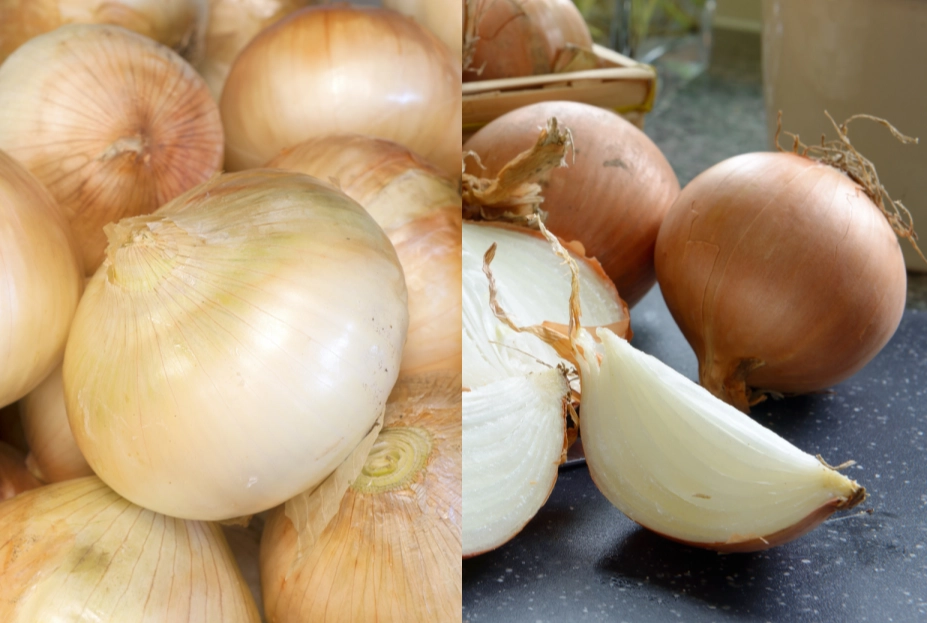
First, look at the skin. It should be shiny, papery, and intact without deep blemishes or soft spots. A dusty, dull, or netted-looking skin often means it's old or has been stored a long time.
Second, pick it up. This is the most critical step. It must feel surprisingly heavy and solid for its size. Heaviness equals high water content, which correlates with sweetness and juiciness. If it feels light or has any give, especially at the neck or top, put it back. It's starting to dehydrate or rot from the inside.
Third, check the neck. The small area where the stems were cut should be dry and tightly closed. A thick, spongy, or moist neck is a red flag for internal decay.
At a farmers market, don't be shy. Ask the grower, "When were these harvested?" and "What variety is this?" Their pride in the answer will tell you everything.
How to Use Sweet Onions in Your Kitchen (Beyond Just Salad)
Their low sulfur content opens up possibilities regular onions can't handle.
Eat Them Raw. This is their superpower. Thinly slice a Vidalia or Walla Walla and put it on a burger, in a summer salad, or as a taco topping. No pre-soaking in water needed to tame bitterness—there isn't any. My favorite quick lunch is a slice of good bread, ripe tomato, thick slices of sweet onion, a sprinkle of salt, and a drizzle of olive oil.
Grill or Roast Them. Their high sugar content makes them caramelize beautifully. Cut into thick rings or wedges, toss with oil, salt, and pepper, and throw them on the grill or in a hot oven. They become tender, smoky, and intensely sweet.
Make Incredible Jam or Chutney. Because they're sweet to begin with, you need less added sugar. Slowly cook down diced sweet onions with a little vinegar, some brown sugar, and maybe a pinch of red pepper flakes for a condiment that elevates cheese plates, grilled meats, or sandwiches.
A Warning on Soups and Stews: Their delicate cell structure means they can turn to mush if cooked for hours. For long-cooked dishes, use a half-and-half mix of sweet onion and a sturdier yellow onion. You'll get the foundational sweetness without the texture disappearing.
How to Store Sweet Onions to Keep Them Fresh
They have more water, which also means they spoil faster than pungent storage onions. Don't just toss them in a cold, humid fridge drawer.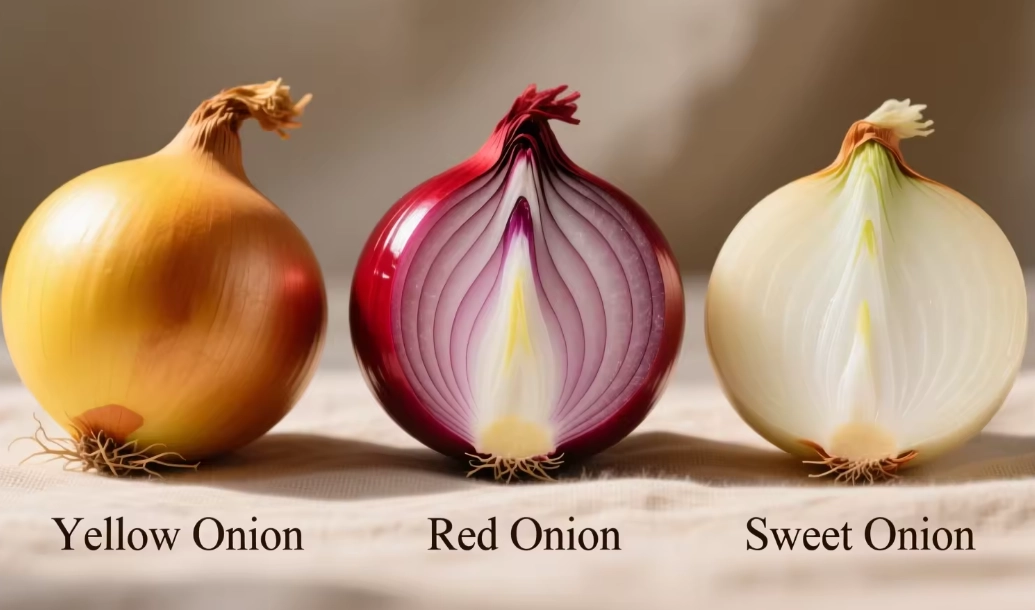
Ideal Spot: A cool, dark, dry, and well-ventilated place. A pantry, a basement shelf, or a countertop away from the stove and sun is perfect. Keep them in a mesh bag or a basket—never in a sealed plastic bag, which traps moisture and accelerates rot.
Never Refrigerate Whole, Uncut Sweet Onions. The cold, damp environment converts their sugars to starch faster and makes them mushy. Only refrigerate them once they're peeled and cut. Place the leftover half or slices in an airtight container; they'll last about a week.
If you find a great price at peak season, consider dicing and freezing them. Spread the diced onion on a baking sheet to freeze individually, then transfer to a freezer bag. They won't be crisp for salads, but they'll be perfect for cooked dishes like soups, sauces, and casseroles for months.
Sweet Onion Questions Answered
Can I substitute a sweet onion for a yellow onion in any recipe?
You can, but expect a different result. The dish will be milder and sweeter, which might be great for a caramelized onion dip but could lack the savory depth you want in a French onion soup. For long-cooked dishes, the sweet onion may also break down more. For a closer match, use the sweet onion but add a tiny pinch of onion powder or a splash of vinegar to mimic the sharper notes you're missing.
Why are my "sweet" onions sometimes still pungent or making me cry?
Three likely reasons. First, it might be past its prime; as sweet onions age, their sugars diminish. Second, it could be a mislabeled variety or one grown in sulfur-rich soil. Third, you might be cutting near the root end. Even in sweet onions, the highest concentration of sulfur compounds is in the root plate. Always cut the onion stem-to-root, leaving the root end intact until the last possible moment to minimize released gases.
 Are sweet onions less nutritious than regular onions?
Not significantly. They contain similar levels of vitamin C, fiber, and antioxidants like quercetin. The main difference is the lower sulfur compound content, which is what gives them the mild flavor. You're not sacrificing health benefits for taste.
I can't find Vidalia or Walla Walla onions near me. What's the next best option?
Look for any onion labeled "sweet" that is heavy for its size and has a glossy, tight skin. In many supermarkets, the generic "sweet onion" in a mesh bag is often a Texas 1015 or a similar variety and is a reliable choice. When in doubt, a large, firm red onion can be a decent stand-in for raw applications, as they tend to be milder than yellow or white onions, though not as sweet.
How can I tell if a sweet onion has gone bad?
Trust your senses. Feel for soft spots, especially around the neck or sides. A bad onion will feel lightweight and hollow. Look for dark, powdery patches under the skin or signs of mold. Most definitively, smell it. A sweet onion should smell faintly sweet and earthy. If you get a sour, fermented, or acrid odor, it's time to toss it.
 The journey to find the perfect sweet onion is worth it. It's about understanding that these are specialty ingredients, tied to time and place. Start by seeking out a true Vidalia or Walla Walla in season. Feel its weight, notice its mild scent, and taste it raw. Once you experience that crisp, juicy sweetness without the bite, you'll never look at the onion bin the same way again. Your salads, burgers, and summer grilling will thank you.
Reader Comments