Let's be honest. Most "easy" recipes aren't. They list five ingredients, but one is "homemade orange glaze" made from ten other things. Not this one. This is a true easy orange chicken recipe with 3 ingredients you can find in any supermarket, period. I've tested this method for years, and it solves the main problem with quick recipes: sacrificing flavor for speed. You get sticky, tangy, crispy chicken that beats most takeout, and you'll have it done in about 20 minutes. The secret isn't in a magic fourth ingredient—it's in how you handle the three you have.
What You'll Find Inside
The 3 Ingredients (And Why They Matter)
This isn't just a list. The specific type and quality of these three components make or break the dish. Get this wrong, and you'll have bland, soggy, or overly sweet chicken.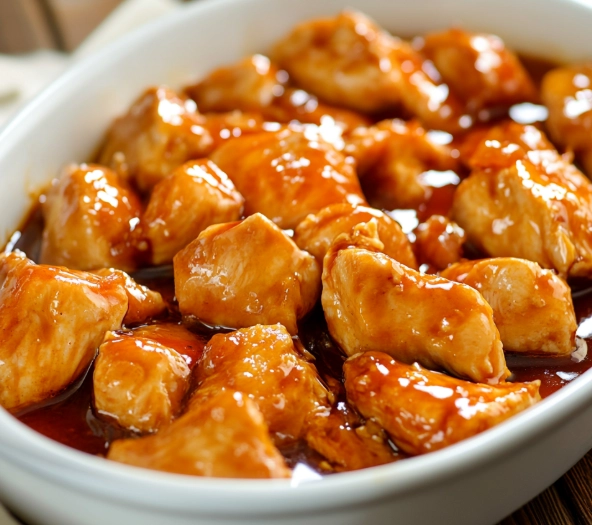
The Non-Negotiable Trio
- 1.5 lbs (about 680g) Boneless, Skinless Chicken Thighs or Breasts: Thighs are my strong recommendation. They stay juicier during the high-heat fry and have more flavor. Breast works if you're careful, but it dries out easier. Cut into 1-inch cubes—uniform size is critical for even cooking.
- 1 cup (240ml) Bottled Orange Sauce: This is the engine. Not all orange sauces are equal. You want a thick, glossy sauce meant for stir-frying or as a marinade, not a thin, watery dipping sauce. Look for brands like Panda Express Orange Sauce (sold in bottles), Lee Kum Kee, or Kikkoman's Orange Sauce. The label should list orange concentrate or puree high up.
- 1 cup (120g) Cornstarch: This is what creates the iconic crispy shell without a complicated batter. Flour won't give you the same crackly, glass-like coating. Cornstarch fries up lighter and crisper.
That's it. Oil for frying? That's a cooking medium, not an ingredient you incorporate into the dish. Salt and pepper? The orange sauce is typically seasoned enough, but we'll talk about adjustments.
The Science Behind the Simplicity
The cornstarch creates a quick-drying barrier. When the chicken hits the hot oil, the moisture inside steams, while the cornstarch coating seals and crisps. Then, the thick orange sauce clings to that craggy, crispy surface instead of making it soggy—if you apply it correctly, which most people don't. We'll get to that.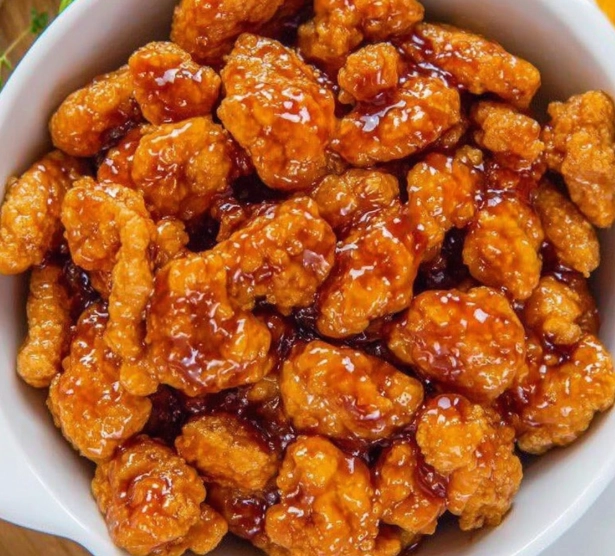
The Foolproof 20-Minute Process
Follow these steps in order. Rushing or changing the sequence is where 90% of failures happen.
Step 1: Prep and Coat the Chicken
Pat your cubed chicken completely dry with paper towels. This is the most overlooked step. Any surface moisture will turn the cornstarch into a pasty glue instead of a dry coating. Toss the dry chicken in the cornstarch until every piece is thoroughly, evenly coated. It should look like little dusty snowballs. Shake off the excess.
Step 2: Fry to Crispy Perfection
Heat about 1/2 inch of a neutral, high-smoke-point oil (like vegetable, canola, or peanut oil) in a large skillet or wok over medium-high heat. You'll know it's ready (around 350°F/175°C) when a pinch of cornstarch sizzles immediately upon contact.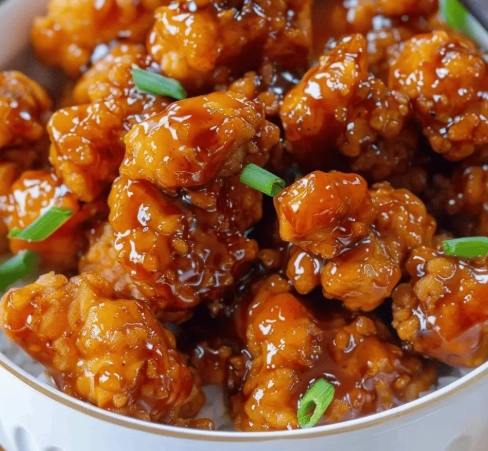
Add the chicken in a single layer, don't crowd the pan. Work in batches if needed. Crowding steams the chicken. Fry for 5-7 minutes, turning occasionally, until deeply golden brown and crispy. The internal temperature should reach 165°F (74°C). Transfer to a wire rack set over a sheet pan—not paper towels. Paper towels trap steam and soften the bottom.
Step 3: The Sauce Application (The Critical Moment)
Pour off all but one tablespoon of the oil from the pan. Reduce heat to low. Pour in the bottled orange sauce. Here's the expert move: don't just heat it; reduce it. Let it simmer gently for 2-3 minutes. You'll see it thicken slightly and become glossier. This concentrates the flavor and ensures it's hot enough to stick without cooling the chicken down.
Turn off the heat. Add all the crispy chicken back into the pan. Toss vigorously for 30-45 seconds until each piece is gloriously coated. The residual heat from the pan and chicken is enough—overcooking in the sauce leads to sogginess.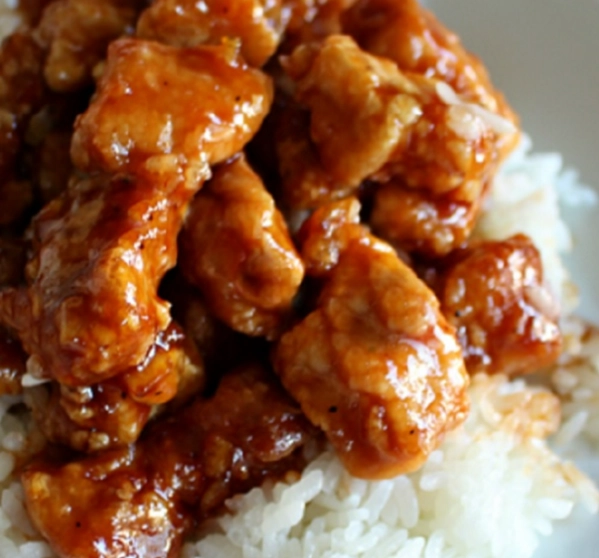
Expert Tips & Common Mistakes to Avoid
After making this hundreds of times, here are the subtle errors that separate good orange chicken from great.
| Mistake | Why It Happens | The Expert Fix |
|---|---|---|
| Soggy Chicken | Adding cold sauce to hot chicken, or letting chicken sit in sauce too long. | Reduce the sauce in the pan first, then toss quickly off the heat. Serve immediately. |
| Bland Flavor | Using a low-quality, overly sweet sauce. | Choose a sauce with tangy notes. A tiny pinch of red pepper flakes added to the sauce while reducing adds depth. |
| Patchy, Gummy Coating | Chicken wasn't dry before coating, or cornstarch was packed on too thick. | Pat chicken obsessively dry. Use a bowl for coating, not a bag, to control thickness. Shake off excess. |
| Burnt Sauce | Heating sauce over too high heat. Sugar in sauce burns fast. | Reduce heat to low when adding sauce. Simmer gently, don't boil furiously. |
One more thing: seasoning. Taste your bottled sauce first. If it's a bit flat, adding a small splash of soy sauce or rice vinegar during the reduction phase can balance it. But start with the sauce as-is.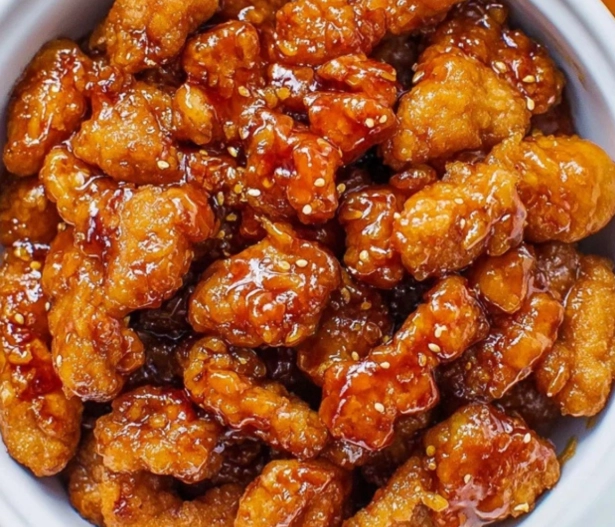
Simple Variations & Serving Ideas
Stick to the 3-ingredient base for your first try. Once you've mastered it, these tweaks keep it interesting without complicating things.
Easy Flavor Twists
- Spicy Orange Chicken: Add 1-2 teaspoons of sriracha or chili-garlic sauce to the orange sauce while reducing.
- Extra Zesty: Stir the zest of one orange into the sauce at the very end of reducing.
- "Fancy" 4-Ingredient Version: Toast a tablespoon of sesame seeds in a dry pan and sprinkle over the finished dish. Completely changes the presentation.
What to Serve With It
This isn't just a dish; it's a meal foundation. Steamed white rice (jasmine or short-grain) is the classic partner, soaking up the extra sauce. For a lower-carb option, try cauliflower rice. A simple side of steamed broccoli or snap peas adds color and cuts the richness. If you want to reference a credible source for balanced meal ideas, the Harvard T.H. Chan School of Public Health's "Healthy Eating Plate" is a great guide for proportions.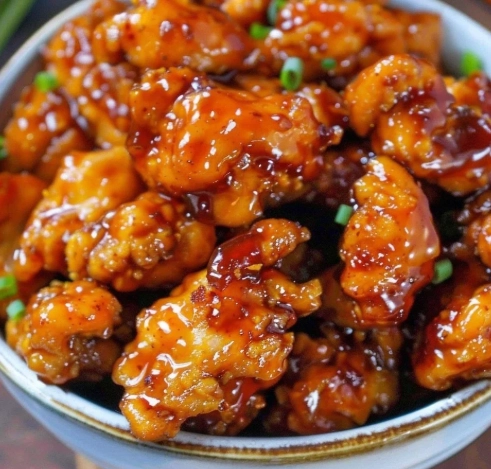
Reader Comments