What’s Inside
- The Short Answer: It's a Range, Not a Number
- The Calorie Breakdown: What's Really in Your Bowl?
- Calorie Counts at Popular Restaurants (The Reality Check)
- Is Caesar Salad Actually Healthy?
- How to Build a Better, Lower-Calorie Caesar Salad
- Your Caesar Salad Questions, Answered
- The Final Tally: Making Peace with Your Plate
You know the scene. You're at a restaurant, trying to make a good choice, and you see the Caesar salad on the menu. It feels like the safe bet, the healthy option. But then a little voice in your head asks... just how many calories is in a Caesar salad, really? Is it actually the light lunch I think it is, or am I kidding myself?
I've been there. I've ordered it countless times, thinking I was doing myself a favor. But the truth is, that simple question—"how many calories is in a Caesar salad?"—doesn't have a simple answer. It's a bit of a trick question. The calorie count can swing wildly, from something genuinely reasonable to a number that might as well be a burger. It all comes down to what's actually in your bowl.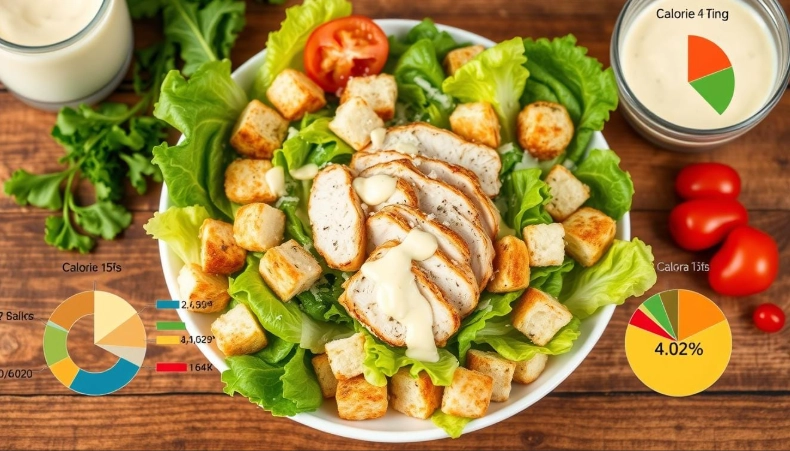
Let's cut through the confusion. We're going to break it down piece by piece—the dressing, the croutons, the cheese, everything. By the end, you'll know exactly what you're eating and how to make a Caesar salad that fits your goals, whether you're eating out or making it at home.
The Short Answer: It's a Range, Not a Number
When you ask "how many calories are in a Caesar salad?" you need to be ready for a spread. A standard, restaurant-sized Caesar salad with grilled chicken typically lands between 700 and 1,200 calories. I know, that's a huge range. A basic side Caesar (no protein, smaller portion) might be closer to 300-500 calories.
Why such a big difference? It's not magic. It's the dressing. And the croutons. And how much cheese they sprinkle on. A salad from a chain like Cheesecake Factory or Applebee's often leans toward the higher end because they are, let's be honest, heavy-handed with the creamy, delicious, calorie-dense dressing. A homemade version where you control the pour can be much lighter.
So, the first thing to internalize is this: there is no single calorie count for a Caesar salad. Anyone who gives you one number without context is oversimplifying. The real story is in the components.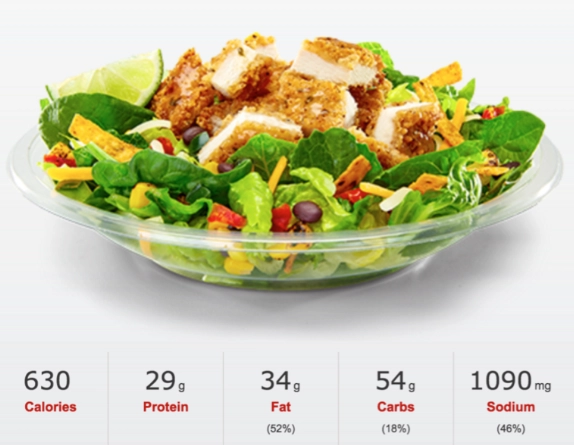
The Calorie Breakdown: What's Really in Your Bowl?
To understand the total, you have to understand the parts. Think of it like a recipe. Here’s where every calorie comes from.
The Main Culprit: Caesar Dressing
This is the heart and soul of the salad, and also its biggest source of calories. Traditional Caesar dressing is an emulsion of oil, egg yolk (or whole egg), Parmesan cheese, lemon juice, garlic, Worcestershire sauce, and anchovies. The base is oil—a lot of it.
A single two-tablespoon serving of full-fat, traditional Caesar dressing can pack anywhere from 150 to 180 calories, and almost all of those are from fat. Now, here's the kicker: most restaurants don't use a measured two-tablespoon serving. They toss the salad in a bowl, often pouring the dressing directly over it. It's easy for the actual amount on your plate to be double or even triple that—adding 300 to 500 calories from dressing alone before you've even touched a crouton.
I once watched a cook make a salad during a kitchen tour, and the amount of dressing he glugged in was eye-opening. It made the lettuce glisten a little too much. That's when I realized why my "healthy" lunch sometimes left me feeling sluggish.
Watch Out for "Creamy" vs. "Traditional": Some dressings labeled "creamy Caesar" add mayonnaise or sour cream to the mix, which can bump the calorie count even higher. Always ask if you can.
The Crunchy Add-On: Croutons
Those little toasted bread cubes add texture, salt, and carbs. A typical half-cup serving of seasoned croutons adds about 60 to 100 calories. It doesn't sound like much, but it adds up, especially if the salad is topped with a generous heap. They're also often cooked in oil or butter, which is where a lot of those calories live.
The Salty, Savory Bite: Parmesan Cheese
Freshly grated Parmesan or Romano cheese is essential for flavor. A tablespoon of finely grated Parmesan cheese has about 22 calories (according to the USDA FoodData Central). Again, the issue is volume. A light sprinkle might be a tablespoon or two. A heavy-handed shower from the kitchen could be four or five, adding an extra 100 calories you might not have accounted for.
The Base: Romaine Lettuce
Finally, the good news! The lettuce itself is the lowest-calorie part. Two cups of chopped Romaine lettuce contain only about 16 calories. It's mostly water and fiber. So, if you're just eating a plate of plain Romaine, you're in great shape. It's everything we add to it that changes the equation.
The Protein (If You Add It)
Grilled chicken is the most common addition. A 4-ounce serving of grilled chicken breast adds roughly 180 to 220 calories of lean protein, which is fantastic for staying full. Other options like shrimp or salmon have different counts, but the chicken is the standard go-to.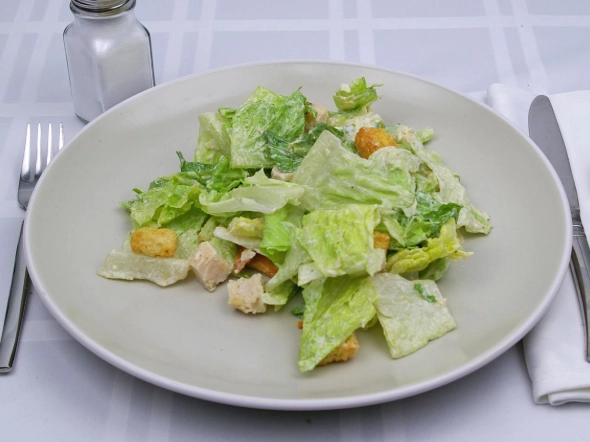
Calorie Counts at Popular Restaurants (The Reality Check)
This is where things get real. Let's look at some specific numbers from well-known chains. This table is a real eye-opener and answers the question "how many calories is in a Caesar salad" in a very practical way.
| Restaurant | Salad Name | Approximate Calories | Key Notes (Why so high/low?) |
|---|---|---|---|
| Cheesecake Factory | Caesar Salad with Chicken | ~1,090 cal | Massive portion size, very heavy dressing application. |
| Applebee's | Classic Caesar Salad with Grilled Chicken | ~870 cal | Substantial dressing and cheese amounts. |
| Panera Bread | Caesar Salad with Chicken (Full) | ~560 cal | Often uses a slightly lighter dressing formula. |
| Olive Garden | Caesar Salad (Side, no protein) | ~350 cal | Unlimited salad bowl style, but dressing on the side helps. |
| Homemade (Light) | Caesar with Light Dressing, measured | ~350-450 cal | You control every ingredient. The power is yours. |
See what I mean? The same salad concept can vary by over 700 calories depending on where you get it. The Cheesecake Factory version is infamous. You could eat a decent steak for that calorie cost. It's not inherently "bad," but it's crucial to know what you're getting into. If your goal is weight management, blindly ordering a Caesar salad thinking it's the lowest-calorie option can backfire.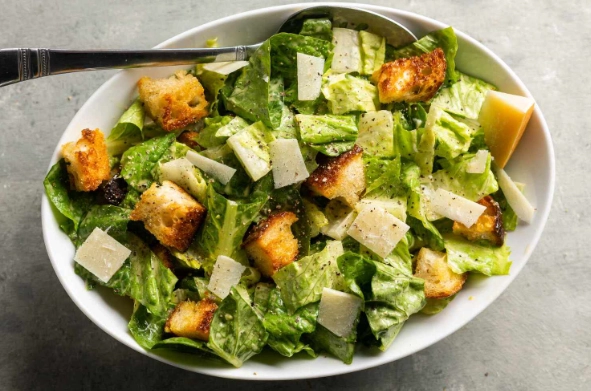
Is Caesar Salad Actually Healthy?
This is the next logical question after "how many calories is in a Caesar salad." Calories aren't the whole health story.
The traditional Caesar salad has some real nutritional positives: Romaine lettuce is a good source of vitamins A, C, and K. The olive oil in the dressing (if it's a good one) provides heart-healthy monounsaturated fats. The egg yolk offers some vitamin D and choline. Parmesan cheese gives you calcium and protein.
But the potential downsides are significant:
- High in Saturated Fat & Sodium: The combination of cheese, dressing, and croutons can make a restaurant Caesar very high in saturated fat and sodium, which aren't great for heart health if consumed in excess regularly. The Harvard T.H. Chan School of Public Health recommends limiting saturated fat.
- Low in Fiber & Veggie Variety: It's basically one type of lettuce. You're missing out on the rainbow of nutrients from other vegetables like bell peppers, tomatoes, carrots, or cucumbers.
- Can Be a Calorie Bomb: As we've seen, it can easily become a high-calorie meal, which might not align with everyone's goals.
My personal take? A Caesar salad isn't a "health food" in the way a quinoa and roasted vegetable bowl is. But it's not junk food either. It's somewhere in the middle—a classic dish that can be part of a balanced diet if you're mindful about how it's prepared. Calling it "healthy" is a stretch for the traditional recipe, but you can absolutely make healthy versions of it.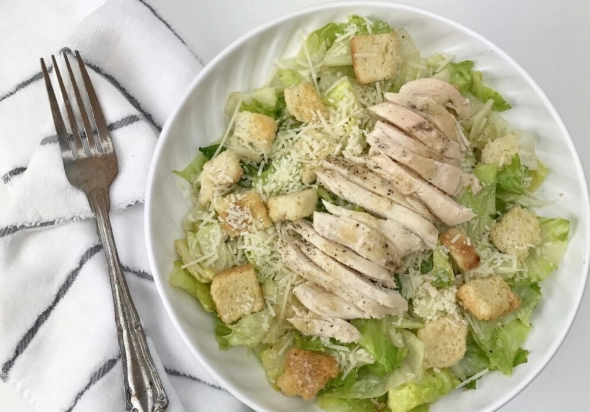
How to Build a Better, Lower-Calorie Caesar Salad
You don't have to give up Caesar salad. You just need to be the boss of it. Here’s how to take control, whether you're at home or ordering out.
At a Restaurant: Your Ordering Strategy
- Get the Dressing on the Side. This is the single most powerful move. Dip your fork into the dressing before spearing a bite of salad. You'll use a fraction of the amount.
- Ask for "Light" Dressing. Just say, "Can you please go light on the dressing?" Most kitchens will oblige.
- Request Grilled Chicken (Not Crispy). Crispy chicken is usually breaded and fried, adding unnecessary calories and fat.
- Consider Skipping or Reducing Croutons. Ask for half the croutons or none at all. You won't miss them as much as you think.
- Add Extra Veggies. See if they can throw in some cherry tomatoes, cucumber, or avocado (healthy fats!) to boost the nutrition profile.
At Home: The Ultimate Control
Making it yourself is the gold standard. You know exactly what's going in.
- Revamp the Dressing: Use Greek yogurt as a base instead of all oil. You get a creamy texture with tons of protein and far fewer calories. Mash an anchovy fillet and some garlic into ½ cup of plain Greek yogurt, add lemon juice, a tablespoon of grated Parmesan, a dash of Worcestershire, and thin it out with a tablespoon or two of water or buttermilk. It's tangy, creamy, and much lighter.
- Upgrade the Croutons: Make your own from whole-grain bread. Toss small cubes with a tiny bit of olive oil spray, garlic powder, and bake until crisp. You control the oil and salt.
- Pile on the Protein: Don't just stop at chicken. Try grilled shrimp, flaked salmon, or even chickpeas for a plant-based option.
- Expand the Greens: Mix your Romaine with kale or spinach for more vitamins and minerals.
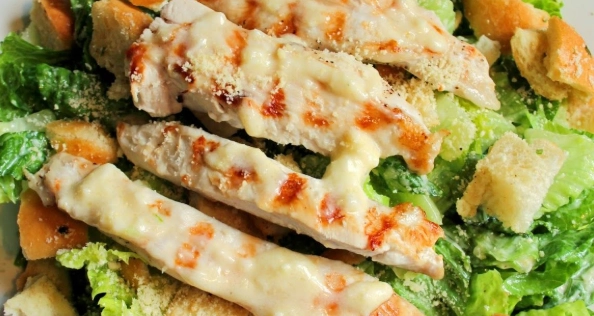
Pro Home Cook Tip: A little trick I use is to massage a very small amount of dressing into the leaves in a big bowl first, then plate it. This coats every leaf with flavor so you don't need a pool of dressing at the bottom of the bowl. It's a game-changer.
Your Caesar Salad Questions, Answered
I get a lot of questions about this topic. Here are the ones that pop up most often.
This is the ultimate low-calorie version. Just the Romaine, maybe some cheese and croutons. A large plate of Romaine (3 cups) is about 24 calories. Add a half-cup of croutons (80 cal) and two tablespoons of Parmesan (44 cal), and you're looking at roughly 150 calories total. It's a blank canvas, nutritionally speaking.
Calorie-for-calorie, the dressing is almost always the bigger contributor. It's more concentrated. But "worse" depends on your goals. The dressing has fats (some good, some not), while croutons are primarily refined carbs and sodium. If I had to choose one to limit, I'd focus on the dressing first because the volume used is so unpredictable and high.
Absolutely, yes. But you have to be strategic. Follow the restaurant tips above, or make your lighter version at home. The key is to turn it into a balanced meal with lean protein and controlled fats. A 400-500 calorie homemade Caesar with chicken and a yogurt-based dressing is a fantastic, satisfying weight-loss lunch. A 1,100-calorie restaurant version... not so much. It's all about the construction.
My top three picks are: 1) The Greek yogurt version I described earlier. 2) A simple lemon-garlic vinaigrette (lemon juice, a tiny bit of olive oil, Dijon mustard, garlic). 3) A store-bought light Caesar dressing—just check the label because some use weird thickeners. The Mayo Clinic has great resources on building healthy dressings.
Taste and consistency. Restaurants want the salad to taste incredibly rich and delicious so you come back. The easiest way to do that is to use a generous amount of full-fat, flavorful dressing. They also aren't measuring with teaspoons back there; they're going for visual appeal and taste, not calorie counts. Portion sizes are also generally much larger than what we serve at home.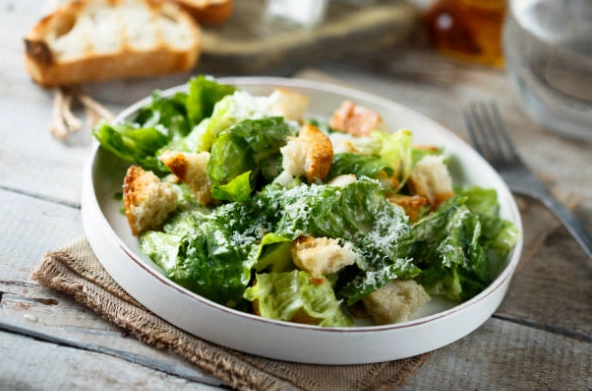
The Final Tally: Making Peace with Your Plate
So, how many calories is in a Caesar salad? You're now an expert. You know it can be anywhere from a light 300 to a heavy 1,200. The number isn't fixed; it's a direct result of choices—the chef's or your own.
The goal here isn't to make you afraid of Caesar salad. Far from it. It's to give you the knowledge to enjoy it intelligently. Love the classic, creamy, indulgent version from your favorite Italian spot? Have it occasionally, savor it, and understand what you're eating. Need something more aligned with everyday health goals? You now have the tools to deconstruct and rebuild it.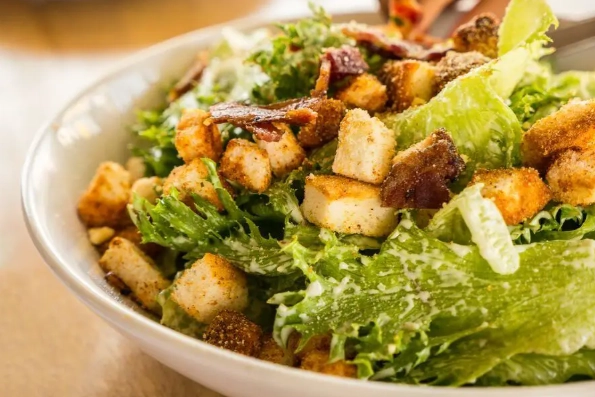
Next time you see it on the menu, you won't just wonder. You'll know. You can ask for the dressing on the side without a second thought. You can appreciate a well-made one for what it is. And you can absolutely make a killer, healthy version in your own kitchen that satisfies that Caesar craving without any of the guesswork.
That's the real answer to the question.
Reader Comments