You've probably grown nasturtiums for their cheerful, trailing blooms and their reputation for keeping pests away. But here's a secret most gardeners miss: that entire plant is a free, gourmet ingredient waiting in your backyard. Those round leaves and vibrant flowers aren't just pretty—they pack a peppery punch that can transform a simple meal into something memorable. I remember the first time I tentatively nibbled a leaf; the sharp, clean spice was a revelation. It's like having arugula, watercress, and radish all growing on one resilient vine.
This isn't about fancy, complicated chef techniques. It's about using what you have, or what you can easily grow, to add instant color and flavor to your cooking. Let's move nasturtiums from the flower bed to the dinner plate.
What's Inside?
- Why Bother with Nasturtiums in the Kitchen?
- Harvesting and Prepping: Do This First
- Simple Salads & Starters That Wow
- Beyond the Salad Bowl: Pesto, Butters & More
- The Main Event: Incorporating Nasturtiums into Hearty Dishes
- Preserve & Extend: Making the Harvest Last
- Your Nasturtium Questions, Answered
Why Bother with Nasturtiums in the Kitchen?
Let's be clear: if you're just looking for another leafy green, stick to spinach. Nasturtiums bring something else entirely.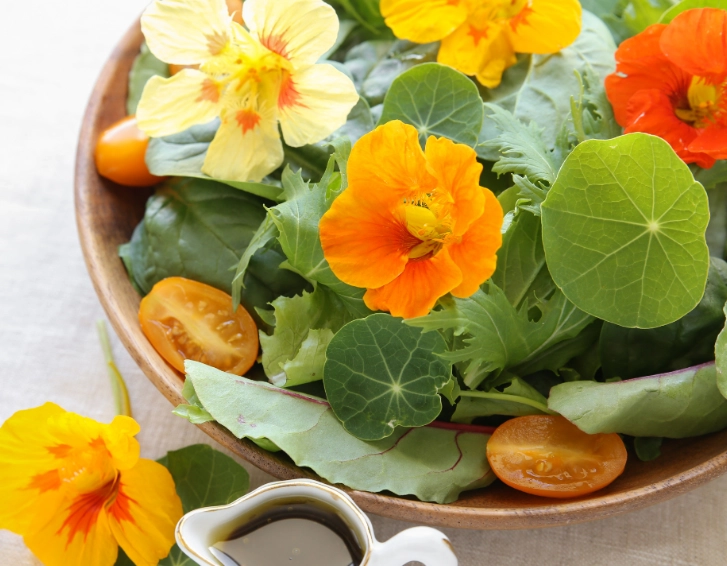
First, there's the flavor profile. It's a clean, sharp pepperiness that wakes up your palate. It's not the slow burn of a chili, but a bright, immediate zing. The leaves are usually stronger than the flowers, and the intensity can vary. Plants grown in full sun with a bit of stress (not too much water) often produce the most pungent leaves.
Then there's the visual impact. We eat with our eyes first, and a handful of nasturtium blossoms—in shades of sunset orange, fiery red, and sunny yellow—turns a simple plate into a work of art. They're nature's confetti.
Finally, there's the sheer satisfaction. It feels clever and resourceful to walk into your garden, pick a handful of flowers and leaves, and create a restaurant-worthy garnish or a unique pesto. It connects you to your food in a way a plastic clamshell of salad greens never could.
A quick but important note: Only eat nasturtiums (or any plant) if you are 100% certain of their identification and if they have been grown without the use of chemical pesticides or herbicides. Never forage nasturtiums from areas that may be contaminated (like roadsides or industrial sites). When in doubt, grow your own—they're incredibly easy from seed.
Harvesting and Prepping: Do This First
Getting this part right makes all the difference. A soggy, wilted nasturtium leaf is a sad thing.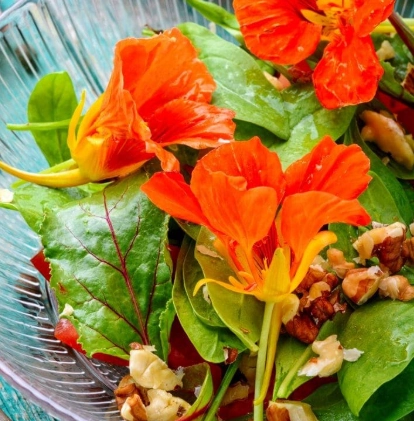
The best time to harvest is in the cool of the morning, after the dew has dried but before the midday sun beats down. The plants are full of moisture and at their crispest.
Choosing what to pick: For leaves, go for the younger, medium-sized ones. The tiny ones at the tips are a bit tender and lack punch, while the huge, old leaves can be tough and overly bitter. For flowers, pick ones that have just fully opened. They're at their peak color and flavor. Avoid ones that are starting to fade or droop.
The gentle touch: Use scissors or pinch the stems gently. Don't yank. You want to disturb the plant as little as possible so it keeps producing.
To wash or not to wash? This is where many people go wrong. Do not wash your nasturtiums until the moment you are ready to use them. Water is the enemy of crispness. If you must clean them because of visible dirt or bugs, do it right before use, and then spin them incredibly gently in a salad spinner or pat them dry meticulously with paper towels. Any remaining moisture will make them slimy.
Pro-Tip from the Garden: If you see small black dots or tiny holes on the leaves, don't panic. It's often just the work of flea beetles, which love nasturtiums. A quick rinse usually removes any residue, and the leaves are perfectly fine to eat. Consider it a sign you're gardening organically!
Simple Salads & Starters That Wow
This is where nasturtiums shine brightest. Their bold flavor stands up to rich dressings and cheeses, making simple salads exciting.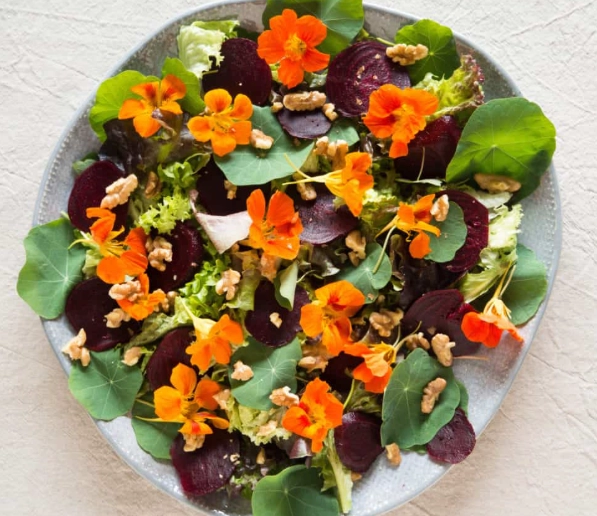
The Classic Peppery Greens Salad
This is less of a rigid recipe and more of a formula. The goal is balance: the pepperiness of the nasturtiums, the creaminess of cheese, the sweetness of fruit, and the crunch of nuts.
- The Base: A mix of milder greens. Butter lettuce, romaine, or baby spinach work well. The nasturtium leaves are the accent, not the entire salad.
- The Stars: A generous handful of whole nasturtium leaves and several whole flowers, petals separated if you like.
- The Creamy Element: Crumbled goat cheese, feta, or shaved Parmesan.
- The Sweet Counterpoint: Sliced ripe peaches, strawberries, or orange segments.
- The Crunch: Toasted walnuts, pecans, or pine nuts.
- The Dressing: Keep it simple. A classic honey-Dijon vinaigrette (3 parts olive oil, 1 part lemon juice or vinegar, a teaspoon of Dijon mustard, a teaspoon of honey, salt and pepper) is perfect. Toss everything except the flowers gently with the dressing. Scatter the whole flowers or petals over the top at the very end.
Nasturtium & Avocado “Tartines”
An open-faced sandwich that looks and tastes gourmet, ready in 5 minutes.
- Toast a thick slice of good sourdough or rustic bread.
- While still warm, rub the surface with the cut side of a garlic clove (optional, but fantastic).
- Mash a ripe avocado with a squeeze of lime juice, salt, and pepper. Spread generously on the toast.
- Top with whole nasturtium leaves and flowers, a sprinkle of chili flakes, and a drizzle of good olive oil.
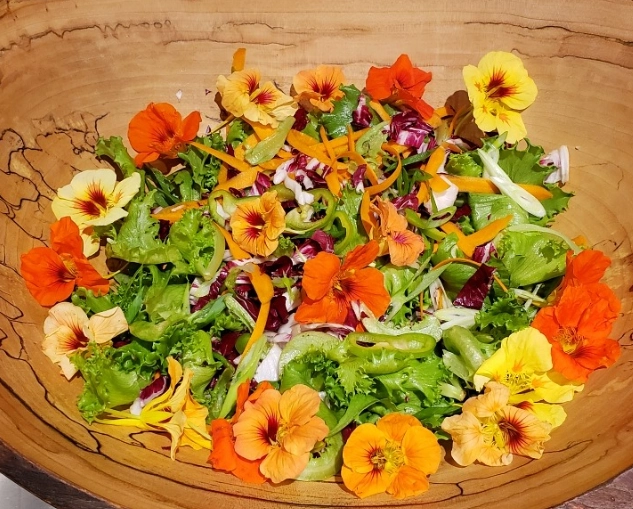
Beyond the Salad Bowl: Pesto, Butters & More
When you have a glut of leaves, these are the ways to preserve that fantastic flavor.
Nasturtium “Pesto”
I call this a “pesto” because it's used like one, but it's a different beast. No basil, no pine nuts. The result is a vibrant, spicy, garlicky paste that's incredible on pasta, grilled fish, or as a sandwich spread.
- 2 packed cups of nasturtium leaves (stems are okay)
- 1/2 cup grated Parmesan or Pecorino cheese
- 1/3 cup toasted walnuts or almonds
- 1 small garlic clove
- Juice of 1/2 a lemon
- 1/2 cup extra virgin olive oil, plus more as needed
- Salt to taste
Pulse the nuts, garlic, and cheese in a food processor until chopped. Add the leaves and lemon juice. Pulse while slowly drizzling in the olive oil until you reach your desired consistency. Season with salt. Store in the fridge with a thin layer of oil on top for up to a week.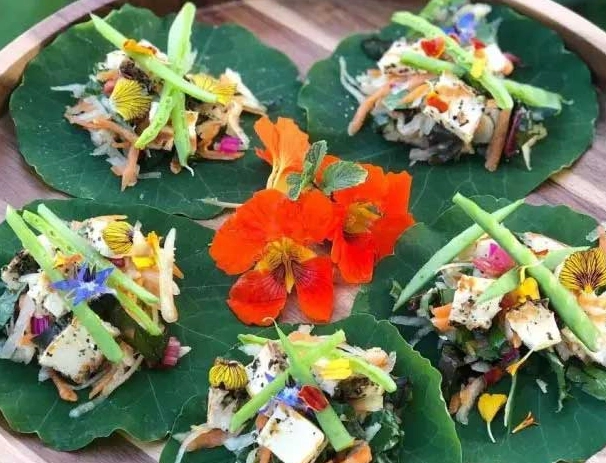
Compound Butter with a Kick
This is a secret weapon. Slice off a pat to melt over a steak, toss with steamed vegetables, or spread on corn on the cob.
- Let 1 stick (1/2 cup) of unsalted butter come to room temperature until soft.
- Finely chop about 1/4 cup of nasturtium leaves and a few flowers.
- Mix the butter, chopped nasturtiums, a pinch of salt, and maybe a little grated lemon zest.
- Place the mixture on a sheet of parchment or plastic wrap, roll into a log, and twist the ends. Refrigerate until firm. It keeps for weeks in the fridge or months in the freezer.
The Main Event: Incorporating Nasturtiums into Hearty Dishes
Here's where you get creative. The key is to add the leaves at the very end of cooking, so they just wilt and retain their color and bite.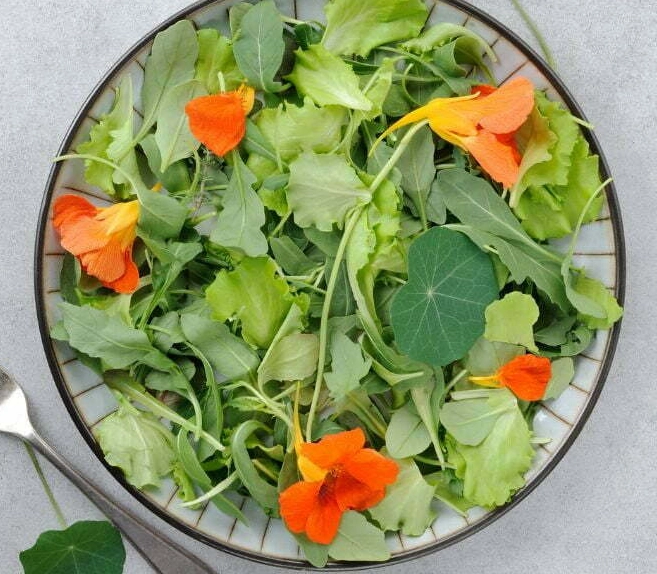
Creamy Nasturtium & Potato Soup
A warming soup that highlights the peppery flavor beautifully.
- Sauté a chopped onion and a diced potato in butter until the onion is soft.
- Add enough vegetable or chicken broth to cover the potatoes by an inch. Simmer until the potatoes are tender.
- Blend until smooth with an immersion blender or in a regular blender (carefully!).
- Stir in a handful of cream or a splash of milk.
- Just before serving, take the soup off the heat and stir in a large handful of chopped nasturtium leaves. They'll wilt instantly. Taste for seasoning and serve immediately, garnished with a nasturtium flower.
Summer Pasta with Zucchini & Nasturtiums
Quick, fresh, and packed with garden flavors.
- Cook your pasta (spaghetti or linguine works well) in salted water.
- While it cooks, heat olive oil in a large pan and sauté thinly sliced zucchini and a minced garlic clove until just tender.
- Drain the pasta, reserving a cup of the starchy cooking water.
- Add the pasta to the pan with the zucchini. Toss everything together, adding a splash of pasta water to create a silky sauce.
- Remove from heat. Stir in a big handful of whole nasturtium leaves and some grated Parmesan. The leaves will wilt from the residual heat.
- Serve immediately, topped with more cheese and a few whole flowers.
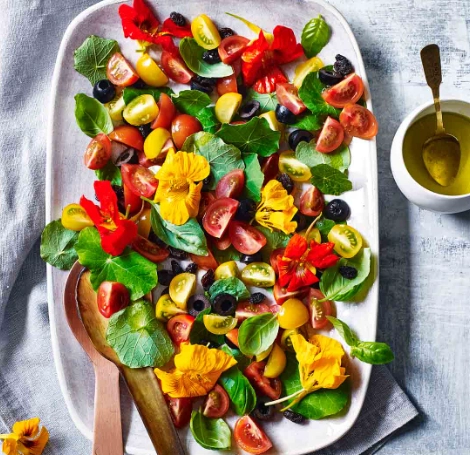
Preserve & Extend: Making the Harvest Last
The season is fleeting, but you can capture the flavor.
- Nasturtium Vinegar: Pack a clean jar about halfway with leaves and flowers. Heat enough white wine or apple cider vinegar to fill the jar (don't boil, just warm). Pour the vinegar over the nasturtiums, seal, and let steep in a cool, dark place for 2-3 weeks. Strain. You now have a beautiful pink-tinged, peppery vinegar for dressings.
- Pickled “Capers”: This is the real gem. Collect the immature green seed pods that form after the flower falls off. Brine them (a simple mix of equal parts water and vinegar, with salt and maybe some spices) for a few weeks. They taste remarkably like capers. The RHS (Royal Horticultural Society) notes the historical use of pickled nasturtium seeds as a caper substitute.
- Freezing: You can't really freeze the leaves whole, but you can freeze nasturtium pesto or compound butter in ice cube trays for easy use later.
Your Nasturtium Questions, Answered
So, the next time you look at those trailing vines of nasturtiums, see them for what they truly are: not just a pretty face, but a versatile, flavorful ingredient from your own garden. Start with a simple salad, make a batch of pesto, and don't be afraid to experiment. The worst that can happen is you'll have a beautifully decorated plate. The best is you'll discover a whole new dimension to summer cooking.
Reader Comments