August. It's a month that often gets a bad rap. The summer vacation haze is lifting, back-to-school ads are everywhere, and there's a vague sense that the best of summer is behind us. But if you know where to look (and I mean really look), August is arguably the most generous month of the year for anyone who loves food. This isn't about fancy restaurants. It's about the stuff that comes straight from the dirt. This is the month where the sun has done its work, and the land is practically groaning with abundance. Forget "peak season" – August is the plateau of perfection for a huge chunk of your favorite fruits and vegetables. They're not just ready; they're screaming to be eaten.
So, let's ditch the grocery store fluorescent-lit produce section. Let's talk about what you should actually be seeing, touching, and tasting this month. This guide isn't just a list – it's a conversation with the season itself.
What's in this guide?
The master list: What's actually ripe in August?
This isn't a vague "summer produce" list. August has a very specific personality. The early summer berries are gone, replaced by fruits that have soaked up weeks of sunshine. The vegetables are at their most robust, often oversized and begging to be used. Here's the definitive lineup, broken down by category so you can plan your market trips (or garden harvests) with military precision.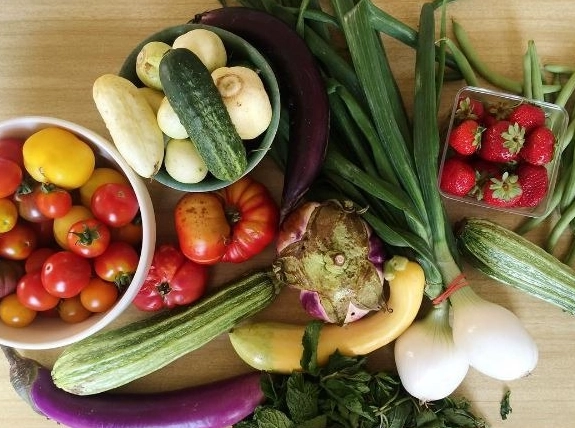
Fruits: The Sweet Spot
This is where August truly shines. The heat has concentrated the sugars to an almost absurd degree.
- Corn: This is the undisputed king. We're talking about varieties like 'Peaches and Cream' or 'Silver Queen' that are so sweet you could almost skip the butter. The kernels should be plump and milky, not starchy. A trick my grandfather taught me: pierce a kernel with your thumbnail. If a milky liquid squirts out, it's perfect. If it's clear, wait a day or two. If it's thick and doughy, you've missed the window.
- Tomatoes: Forget those pale, hard supermarket things. We're talking heirlooms like 'Brandywine' and 'Cherokee Purple' that are splitting at the seams with flavor. They should feel heavy for their size, and the scent at the stem end should be earthy and intoxicating. If it smells like nothing, it will taste like nothing.
- Peaches & Nectarines: They should yield slightly to gentle pressure. Don't squeeze them like you're testing a tire. The background color should be a deep, golden yellow, not green. A green patch near the stem is fine, but if the whole thing is green, walk away.
- Plums & Pluots: A good plum feels heavy, and the skin has a slight, powdery give to it. Avoid any with punctures or brown spots.
- Melons: This is the trickiest category. For cantaloupes, look for a raised, webbed surface (called "netting") and a sweet smell at the blossom end (opposite the stem). For watermelons, look for a creamy yellow spot where it rested on the ground (the "field spot"). A uniform green rind is less important than a symmetrical shape and a hollow sound when you thump it.
- Figs: They are ridiculously perishable. They should be soft, but not mushy. The neck should bend slightly. If they smell sour, they are. Eat them the day you buy them, ideally within hours.
- Berries (late season): Blackberries and raspberries might be finishing up, but you can still find good ones if you're quick. Look for blueberries that are a uniform deep blue, not reddish. August is also the start of the early grape season for some varieties.
Vegetables: The Powerhouses
If the fruits are the sweet singers, the vegetables are the booming chorus. They're big, bold, and full of life.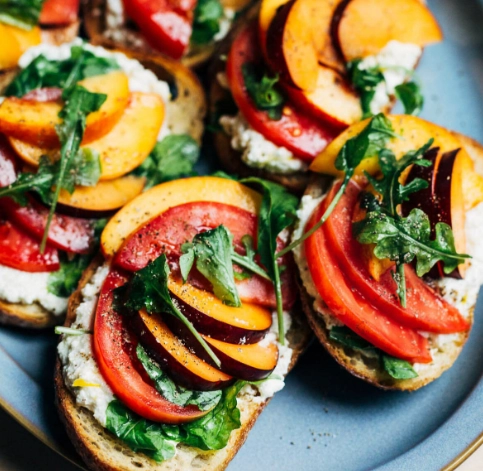
- Summer Squash & Zucchini: Look, at this point, they're practically growing legs and hiding under leaves. Pick them small. The smaller they are, the more tender and flavorful. Once they get longer than your forearm, the seeds become large and the flavor turns watery. They're better for stuffing or grating into breads at that stage.
- Cucumbers: They should be firm, with a vibrant green color. Avoid any that are yellowing or have soft spots.
- Bell Peppers: They're transitioning from green to their final colors (red, orange, yellow). A green pepper is fine, but a pepper that has started to turn its color will be sweeter. They should feel heavy and have taut, shiny skin.
- Green Beans: They should snap crisply when you bend them. No one wants a rubbery bean.
- Okra: This is a southern staple that thrives in the heat. Look for pods that are small (2-4 inches long) and vibrant green. They should snap easily. Longer pods become tough and fibrous.
- Eggplant: They should feel heavy for their size and have smooth, shiny skin without any wrinkles. The stem should be green and fresh-looking.
And then there are the all-stars that deserve their own section:
Tomatoes: A Non-Consensus Opinion
Here's a mistake I see every single year: people refrigerating their tomatoes. Stop. Just stop. The cold damages the cell structure and turns them mealy. A ripe August tomato should be stored stem-side up on your counter, out of direct sunlight. If it's starting to get very soft, then you can move it to the fridge to slow down the ripening, but let it come back to room temp before you eat it. Kept this way, they'll last about a week. But let's be honest, they won't last that long.
How to pick the best August corn, tomatoes, and zucchini
This is where 10 years of growing (and sometimes failing) gives you a leg up. It's not about finding the perfect piece; it's about avoiding the landmines.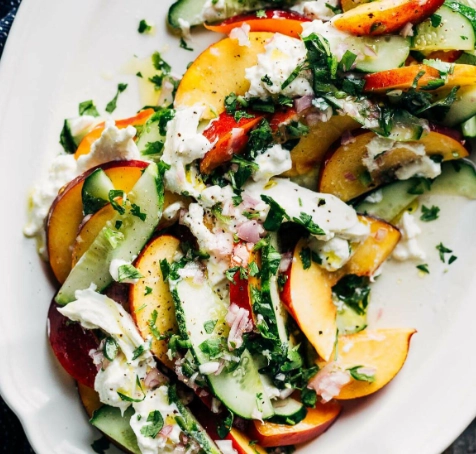
Corn
The husk should be a vibrant green, and the silk should be golden brown and slightly sticky, not dry and black. The real secret is further up: the ear should feel heavy for its size. Peel back a small section of the husk at the top and press a kernel with your thumbnail. That milky liquid I mentioned earlier? That's liquid gold. Clear juice means it's not ready. Thick, doughy juice means you've waited too long.
Tomatoes
This is the big one. Everyone looks for that perfect, unblemished red skin. Forget it. A ripe heirloom tomato often has cracks, catfacing, and odd shapes. That's flavor concentration. The key is the feel. It should have a slight give, but not be mushy. The stem end (where it was attached to the plant) should have a rich, earthy smell. If it smells like nothing, it will taste like nothing. And for the love of all that is good, stop squeezing every tomato on the pile. You're bruising them.
Zucchini & Summer Squash
Small is beautiful. Pick them when they're about 6-8 inches long for the best texture and flavor. The skin should be tender enough to pierce easily with your thumbnail. Once they get longer, the seeds become large and the flavor turns watery. They're still edible, but better for stuffing or grating into breads at that stage.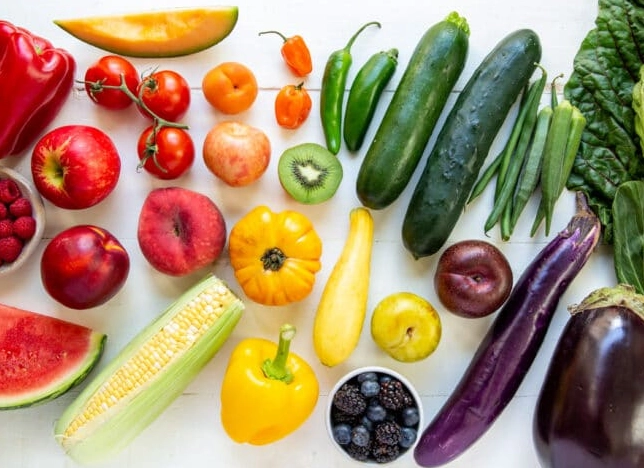
How to store August produce to prevent spoilage (and heartbreak)
You've navigated the market and brought home your haul. Now what? How you store things makes all the difference.
- Corn: This is the most urgent one. Corn starts converting its sugars to starch the moment it's picked. If you're not using it the day you buy it, freeze it. Don't even think about leaving it in the fridge for days. Husk it, cut the kernels off, blanch them for 4 minutes in boiling water, then freeze. Trust me on this.
- Tomatoes: Never, ever refrigerate them unless they are so ripe they're splitting. The cold damages the cell structure and kills the flavor. Keep them on the counter, out of direct sunlight. If they're starting to get very ripe, you can move them to the fridge to slow down the process, but let them come back to room temperature before eating.
- Zucchini: They last longer than you think. Store them unwashed in a plastic bag in the crisper drawer of your fridge. They can easily last a week, often two. If they start to get a little soft, that's the perfect time to grate them for baking.
- Peaches & Nectarines: Store them at room temperature until they yield to gentle pressure, then eat them immediately. If they need a little more ripening, you can put them in a paper bag with a banana (the ethylene gas helps), but keep an eye on them. Once ripe, they can be moved to the fridge to slow down the process for a day or two.
Here's a non-consensus view I've developed after a decade: most people refrigerate everything out of habit. But for August produce, think of your counter as a staging area. Most of it wants to be at room temperature for a day or two to finish ripening (like peaches and tomatoes), then moved to the fridge to slow down. The cold is the enemy of flavor development.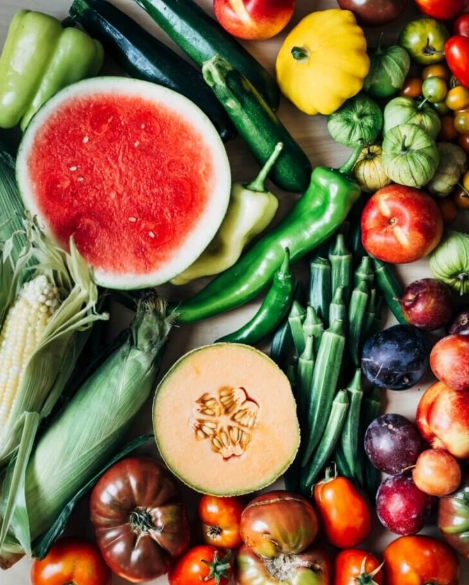
Got too much? 3 simple ways to use a glut of August produce
It happens to the best of us. The garden overflows, or the farm stand deal was too good to pass up. Here are three approaches, from immediate to long-term:
- The 20-Minute Hero: Grilled Corn & Tomato Salad. This is my go-to. It requires almost no thought. Shuck the corn, grill it until slightly charred, cut the kernels off. Chop your ugliest, most misshapen heirloom tomatoes. Toss with the corn, some fresh basil, a glug of good olive oil, and a squeeze of lemon juice. Salt and pepper. Done. The heat from the grill caramelizes the corn's natural sugars, and the ugly tomatoes are usually the most flavorful.
- The Weekend Project: Summer Squash Soup with a Twist. This uses up a lot of zucchini. Sauté chopped onion and garlic, add diced zucchini (and maybe a potato for thickness), cover with broth, simmer until tender, then blend. The twist? Add a handful of fresh basil or a teaspoon of curry powder at the end. Serve it cold the next day – it's even better.
- The Strategic Freeze: This is the one most guides get wrong. Don't freeze whole zucchini or corn on the cob. For zucchini, grate it, squeeze out the excess water (this is crucial), and freeze it in 2-cup portions. You now have ready-to-go zucchini for breads, muffins, and fritters all winter. For corn, blanch the kernels first (4 minutes in boiling water, then into ice water), drain thoroughly, spread on a baking sheet to freeze individually, then transfer to freezer bags. This prevents a giant, unusable block.
Where to find the best August produce near you
Supermarkets are designed for consistency, not peak flavor. To truly experience August, you need to go to the source.
- Farmers' Markets: This is the obvious choice. But go early. The best stuff sells out fast. And talk to the farmers. Ask them what's at its absolute peak that day. They know.
- Pick-Your-Own Farms: A quick search on PickYourOwn.org can show you what's in season and ready for picking in your area. There's nothing quite like eating a sun-warmed peach straight from the tree.
- CSA (Community Supported Agriculture) Boxes: This is a commitment, but it forces you to eat seasonally and creatively. You get a box of whatever is harvested that week. It's a culinary adventure.
And if you're in a major city, look for specialty stores that focus on local, seasonal produce. They often have relationships with specific farms and will highlight what's at its best.
How to cook with August produce: 3 recipes that actually work
These aren't complicated restaurant dishes. They're simple, highlight the ingredients, and work every time.
1. The Simplest Tomato Salad You'll Ever Make
This requires perfect ingredients. So if your tomatoes are just "okay," skip this and make a sauce instead.
Ingredients: Your best, ugliest heirloom tomatoes, cut into wedges. A handful of fresh basil leaves. The highest quality extra virgin olive oil you have. Flaky sea salt. Cracked black pepper.
Method: Toss. That's it. Let it sit for 10 minutes before serving to let the flavors meld.
2. The Corn Fritter That Will Change Your Mind About Zucchini
This is a trick to use up that giant zucchini. It works because the corn adds sweetness and the zucchini disappears into the batter.
Ingredients: 2 cups grated zucchini (squeezed dry), 1 cup corn kernels (fresh or frozen and thawed), 1/2 cup all-purpose flour, 1/4 cup grated Parmesan cheese, 1 egg, 2 tablespoons chopped chives, salt, and pepper.
Method: Mix everything in a bowl. Heat a thin layer of oil in a pan over medium heat. Drop spoonfuls of the batter into the pan, flatten slightly, and cook for 2-3 minutes per side until golden brown and cooked through. Serve immediately with a dollop of sour cream or yogurt.
3. Roasted Summer Vegetables with a Herby Vinaigrette
This is a set-it-and-forget-it method that concentrates flavors. It's my favorite way to handle a large, mixed haul.
Ingredients: Any combination of August vegetables (zucchini, bell peppers, red onion, eggplant, tomatoes), chopped into roughly even-sized pieces. For the vinaigrette: 1/4 cup olive oil, 2 tablespoons red wine vinegar, 1 teaspoon Dijon mustard, 1 clove garlic (minced), 1 tablespoon fresh herbs (like oregano or thyme), salt, and pepper.
Method: Toss the vegetables with a little olive oil, salt, and pepper. Spread them out on a baking sheet in a single layer. Roast in a preheated oven at 425°F (220°C) for 20-25 minutes, or until tender and slightly browned at the edges. While they're roasting, whisk together the vinaigrette ingredients. Drizzle over the hot vegetables before serving.
August Produce is a State of Mind
August isn't just a month on the calendar. It's a feeling. It's the last, lazy days of summer where the food itself becomes the main event. It's about embracing the imperfection of a slightly misshapen tomato because it promises more flavor. It's about knowing that the corn you're eating is at its absolute peak, and that the peach juice is running down your chin because you couldn't wait to get home. It's about connecting with the rhythm of the land in the simplest way possible: by eating it.
Reader Comments