I remember the first time I tried to cook butternut squash. I grabbed one that looked fine—orange, decent size—but after roasting, it was stringy and bland. That meal was a letdown. Since then, I've spent years picking squashes, talking to farmers, and experimenting. Picking the right one isn't just about looks; it's about getting that sweet, creamy texture we all love. Let's dive in.
What You'll Learn in This Guide
Why Picking the Right Butternut Squash Matters
You might think any squash will do, but a bad pick ruins dishes. An underripe squash tastes bland and watery, while an overripe one can be mushy or bitter. I've seen people blame recipes when it was the squash all along. According to the USDA, butternut squash peaks in fall, making selection key for seasonal cooking. Getting it right means better soups, roasts, and pies—without extra sugar or effort.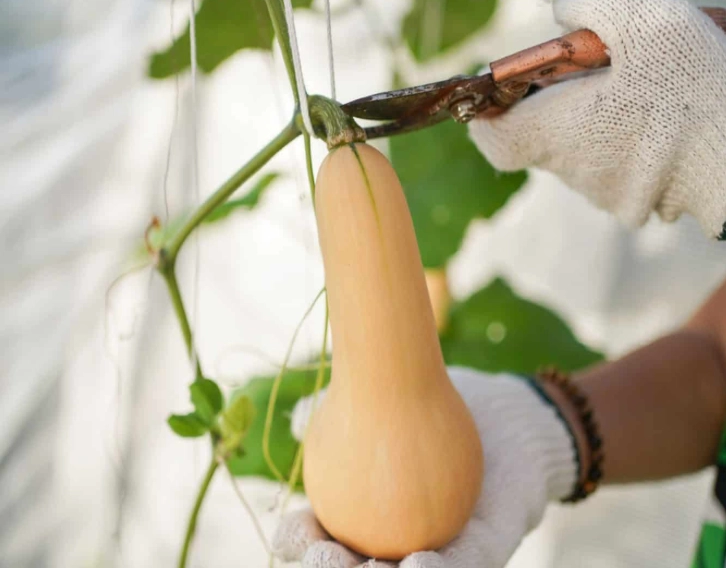
Farmers markets often have better options than supermarkets. Last fall, I chatted with a grower in Vermont who explained that squashes harvested after a frost are sweeter. That's a tip you won't find on most labels.
Step-by-Step Guide to Picking Butternut Squash
Forget guesswork. Follow these steps, and you'll nail it every time. I use this method at the store, and it takes under a minute.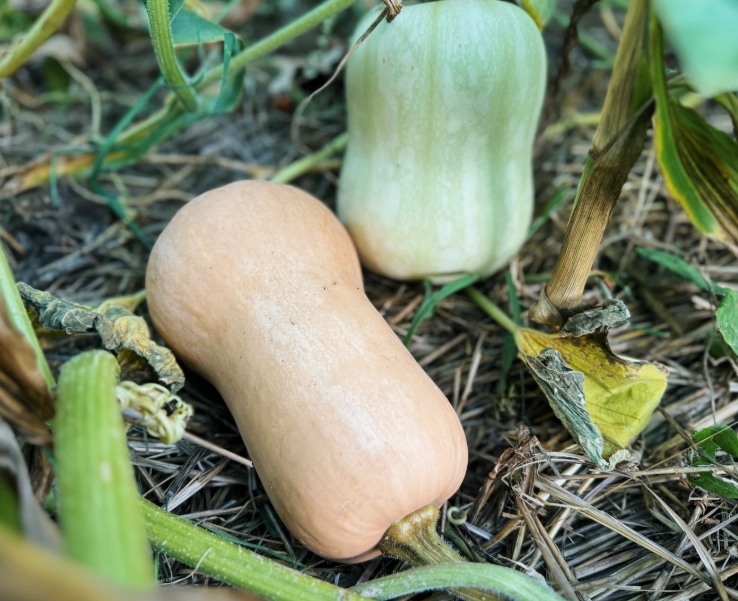
Look for the Right Color
Aim for a deep, uniform tan or orange color. Avoid greenish hues—they scream underripe. The color should be consistent, not patchy. Some squashes have a slight blush; that's okay if it's not green. I once picked a squash with a green neck, thinking it was fine. It wasn't. The flesh near the stem was tough.
Check the Skin Texture
Run your fingers over the skin. It should feel hard and matte, not shiny or soft. Shiny skin often means it was picked early. Look for a dull finish. Press gently; any give indicates rot or bruising. A perfect squash has no cuts, mold, or soft spots. If you see blemishes, skip it.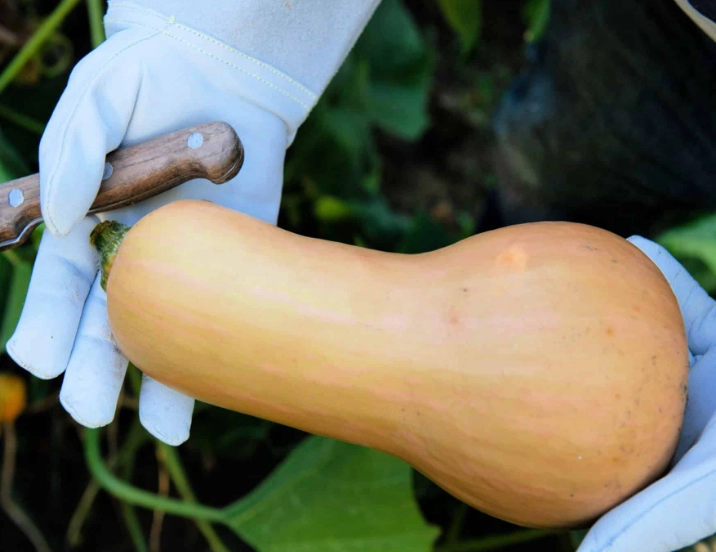
Feel the Weight
This is crucial. A ripe squash feels heavy for its size. Heft it in your hand—if it seems light, it's probably dry or underripe. I compare a few to get a sense. Heavier squashes have more moisture, leading to creamier flesh. Don't just go by size; a smaller, heavy squash beats a larger, light one.
Inspect the Stem
The stem should be dry, firm, and intact. A shriveled or missing stem can mean age or poor handling. Avoid squashes with mold on the stem. A healthy stem indicates proper harvesting. I learned this from a farmer who said a brittle stem often signals overripeness.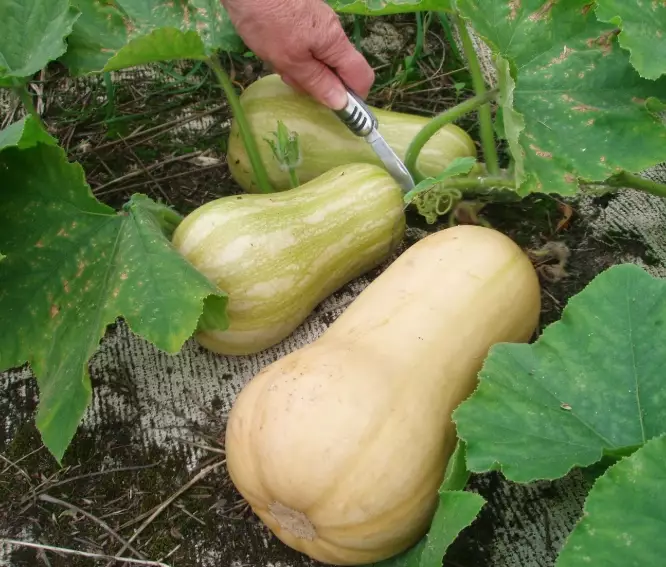
Pro tip: Tap the squash lightly. A ripe one sounds solid, not hollow. A hollow sound might mean it's drying out inside. This isn't foolproof, but it helps confirm other checks.
Common Mistakes to Avoid
I've made these errors, so you don't have to. Here's what trips people up.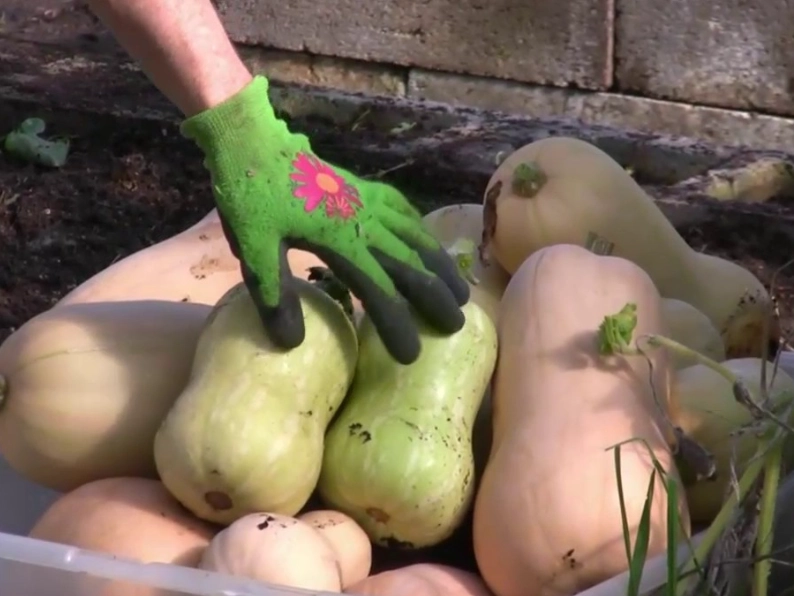
Ignoring weight. Many focus on color alone, but a light squash disappoints. Another mistake: assuming bigger is better. Oversized squashes can be fibrous. I picked a huge one for a Thanksgiving soup, and it was stringy—lesson learned.
Storing incorrectly. Don't refrigerate whole squash; it alters texture. I see people do this, then wonder why it tastes off. Also, avoid squashes with soft spots, even if they're cheap. They spoil fast.
Relying on labels like "organic" for quality. Organic doesn't guarantee ripeness. Check the squash itself. A non-organic, ripe squash often beats an organic, underripe one.
How to Store Butternut Squash
Once you've picked a good squash, store it right. Whole, uncut squash lasts up to 3 months in a cool, dry place like a pantry. Keep it away from onions or apples—they release gases that can speed up spoilage. I keep mine in a basket in the basement.
After cutting, wrap it tightly in plastic wrap and refrigerate for up to 5 days. For longer storage, cube and freeze. Spread cubes on a baking sheet, freeze until solid, then bag them. They'll keep for months. I use frozen squash in smoothies or soups; it works great.
Don't wash until ready to use. Moisture encourages mold. I learned this the hard way after ruining a batch.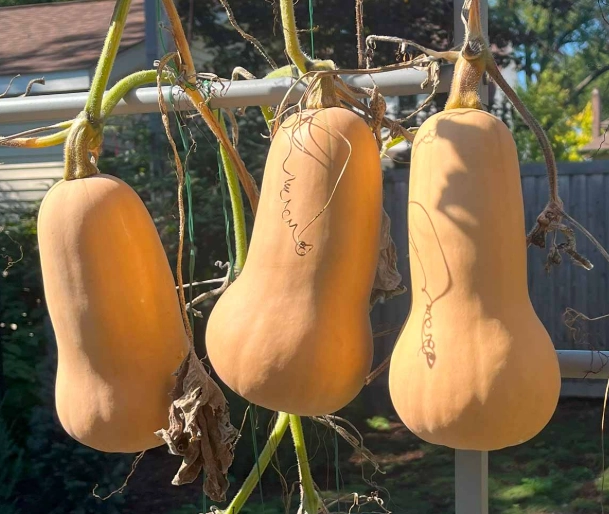
FAQ: Your Butternut Squash Questions Answered
Picking butternut squash gets easier with practice. Start with these tips, and soon you'll spot the perfect one instinctively. Happy cooking!
Reader Comments