Quick Guide
- Why Apple Choice Matters: It’s All About Structure and Flavor
- The Top Contenders: Best Apples for Apple Pie (Ranked)
- The Art of the Blend: Why Two (or Three) Apples Are Better Than One
- Apples to Avoid (Or Use Very Sparingly) in Pie
- How to Choose and Store Your Pie Apples
- Prep Tips for the Perfect Filling
- Your Apple Pie Questions, Answered
- Wrapping It Up: Your Pie Success Checklist
Let’s be honest, we’ve all been there. You follow a beautiful apple pie recipe to the letter, but when it comes out of the oven, something’s off. The filling is watery. Or it’s mushy. Or it just tastes… bland. More often than not, the culprit isn’t your baking skills—it’s the apples you chose.
Picking the right apples for pie is the single most important decision you’ll make. It’s the difference between a good pie and a legendary one. But with dozens of varieties at the grocery store or farmers market, how do you know which ones are truly apples that are good for pies?
This isn’t about fancy techniques or secret ingredients. It’s about understanding the fruit itself. I’ve baked more than my fair share of pies (and had my share of failures), and I’m here to cut through the confusion. We’ll talk flavor, texture, and the simple science that makes some apples bake like a dream while others turn into a disappointing soup.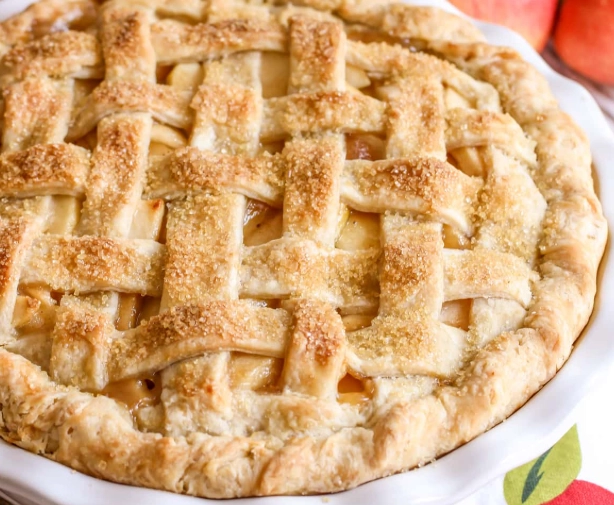
Why Apple Choice Matters: It’s All About Structure and Flavor
Think of an apple pie filling. What do you want? You want tender-but-not-mushy apple pieces that hold their shape. You want a rich, complex flavor that balances sweet and tart. You don’t want a pool of juice at the bottom of your pie plate making the crust soggy.
The key lies in two things: cell structure and acid content.
Apples with a firm, dense cell structure (often called “cooking apples” or “baking apples”) withstand the heat of the oven. They soften beautifully but maintain a pleasant, distinct bite—what bakers call “holding their shape.” On the other hand, apples bred for eating out of hand (like Red or Golden Delicious) have a more delicate, airy cell structure. They collapse completely when baked, giving you that applesauce texture nobody wants in a slice of pie.
Then there’s flavor. A great pie apple has a good hit of acidity or tartness. Why? Because sugar and spice are added during baking. A bland, super-sweet apple just gets cloying. A tart apple provides a backbone, a brightness that balances the sugar, cinnamon, and butter, creating a much more interesting and satisfying flavor profile. The U.S. Apple Association categorizes apples by their best use, and for pies, you’re generally looking at those in the “Tart” and “Firm/Tart” categories.
So, the magic formula? Firm + Tart = Pie Perfection.
The Top Contenders: Best Apples for Apple Pie (Ranked)
Based on flavor, texture, and availability, here’s my personal ranking of the best apples for pies. These are the varieties you should hunt down first.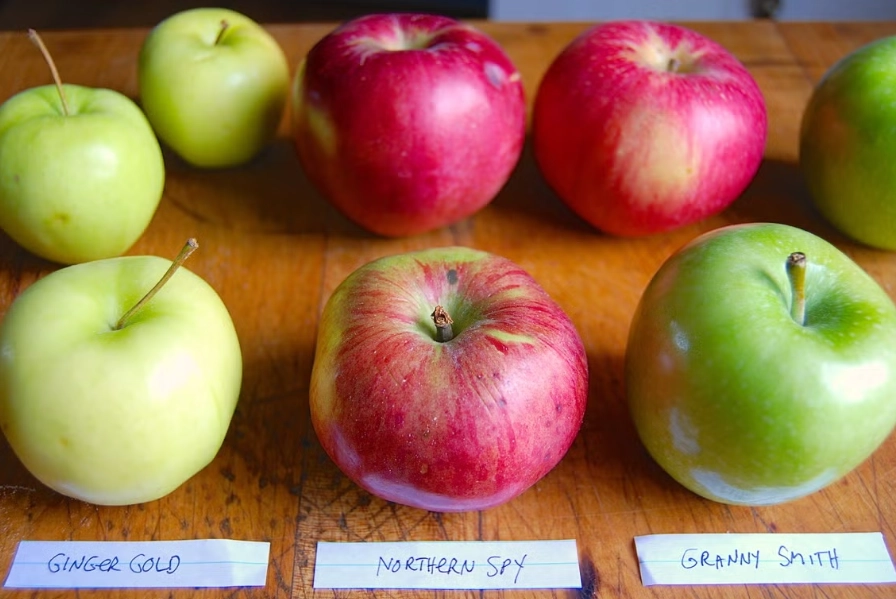
Granny Smith: The Reliable Workhorse
Let’s start with the most famous one. Granny Smith is the go-to for a reason. It’s available everywhere, year-round. Its bright green skin hides an extremely firm, crisp flesh and a mouth-puckering tartness.
Why it works: Its firmness is legendary. Granny Smith slices stay defined and offer a satisfying texture. The high acidity cuts through rich, buttery crusts and sweet fillings perfectly.
The downside: Some find the flavor a bit one-dimensional—just sour. On its own, it can lack the complex floral or honey notes of other varieties.
Best for: Bakers who want guaranteed structure and a tangy punch. It’s also the perfect partner in a blend (more on that later).
Honeycrisp: The Sweet Favorite
Honeycrisp has taken the world by storm, and for baking, it’s a winner. It’s incredibly juicy, with a explosive crispness and a flavor that’s sweet with just a hint of tartness.
Why it works: That fantastic crispness translates to a great texture in a pie—it softens but retains a lovely bite. The flavor is complex and delicious, reducing the need for tons of added sugar.
The downside: It can be pricier than other varieties. Also, its intense juiciness means you need to be careful. Tossing the slices thoroughly with sugar and a thickener (like flour or cornstarch) is non-negotiable to avoid a soupy pie.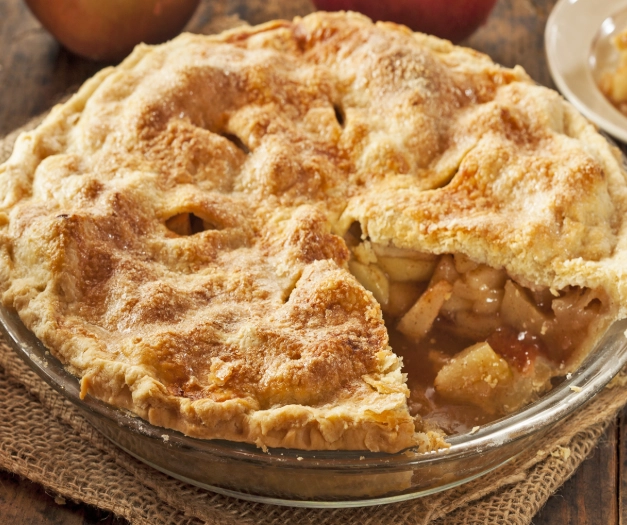
Best for: A sweeter, juicier pie with fantastic apple flavor. A top choice if you’re using just one variety.
Braeburn: The Balanced All-Rounder
Braeburn is the apple that does everything well. It has a firm, crisp texture similar to Granny Smith but with a more balanced flavor profile—a harmonious mix of sweet and tart with spicy, almost wine-like notes.
Why it works: It’s the Goldilocks of pie apples: firm enough, tart enough, sweet enough. It bakes up beautifully, holding its shape while absorbing spices wonderfully. It’s less likely to overwhelm with sourness than Granny Smith.
Best for: Bakers looking for a single, reliable apple that delivers on all fronts without needing a blend.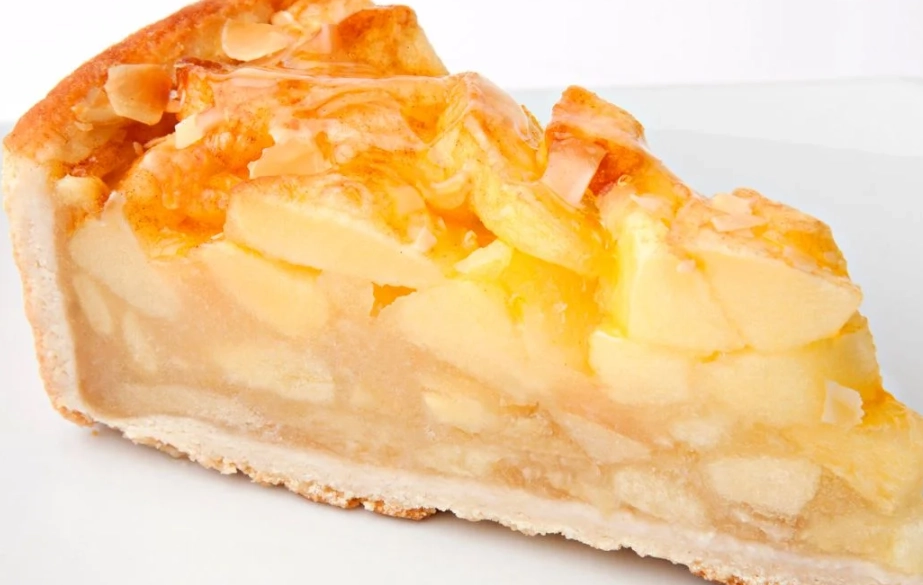
Jonagold & Jonathan: The Flavor Powerhouses
I’m grouping these two because they’re often recommended together for similar reasons. Jonagold (a cross of Jonathan and Golden Delicious) offers a superb sweet-tart balance and tender-yet-firm flesh. Jonathan is a classic heirloom with a spicy, tangy flavor that’s unmistakable in a baked pie.
Why they work: Flavor, flavor, flavor. These varieties bring a depth and complexity that simpler apples lack. They soften well but don’t disappear.
Watch out for: They can be seasonal and harder to find outside of autumn. Their texture, while good, might not be as rock-solid as a Granny Smith.
Northern Spy: The Heirloom Secret
If you see Northern Spy, grab them. This is the apple many professional bakers and pie contest winners swear by. It’s an heirloom variety with snow-white flesh, exceptional firmness, and a vibrant, tangy-sweet flavor.
Why it works: It has perhaps the ideal texture for pie—it softens perfectly without becoming mushy or falling apart. The flavor is bright and complex.
The catch: It’s not widely available in regular supermarkets. Your best bet is a farmers market or a specialty orchard in the fall.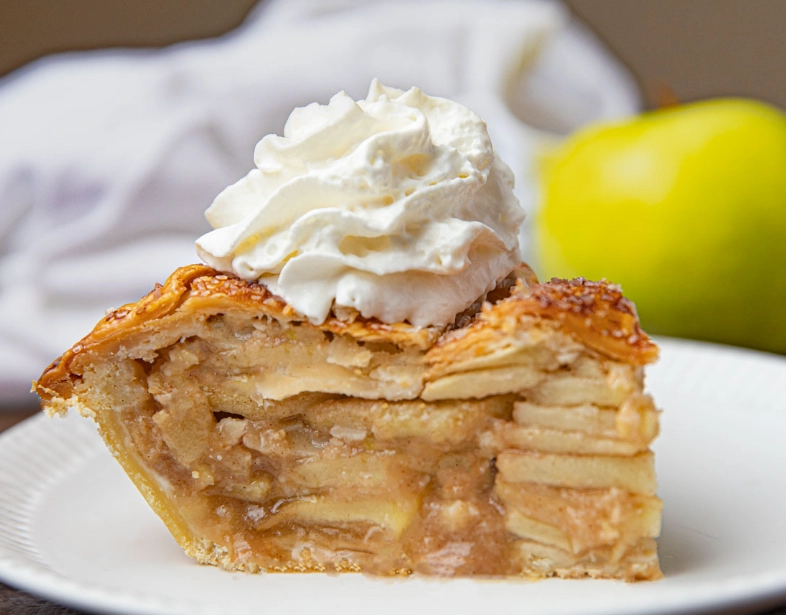
Here’s a quick cheat sheet to compare these top picks:
| Apple Variety | Texture (Firmness) | Flavor Profile | Best Quality for Pie | Potential Drawback |
|---|---|---|---|---|
| Granny Smith | Very Firm | Very Tart, Simple | Guaranteed structure, widely available | Can be one-dimensionally sour |
| Honeycrisp | Firm & Crisp | Sweet with Mild Tartness | Fantastic flavor, great texture | Very juicy (can make filling wet) |
| Braeburn | Firm | Balanced Sweet/Tart, Spicy | The perfect all-rounder | Less intense tartness for some |
| Jonagold | Moderately Firm | Rich, Sweet-Tart | Superior, complex flavor | Seasonal, softer than top tier |
| Northern Spy | Exceptionally Firm | Tangy-Sweet, Bright | Prized “perfect” pie texture | Hard to find commercially |
The Art of the Blend: Why Two (or Three) Apples Are Better Than One
Here’s a pro secret: the very best apple pies often use a blend of two or three different types of apples. Why settle for one note when you can have a symphony?
Blending allows you to balance texture and flavor. You can use a very firm, tart apple (like Granny Smith) to guarantee structure, and pair it with a sweeter, more aromatic apple (like Honeycrisp or Fuji) to build a deeper, more rounded flavor. The firmer apple acts as the “bones” of the pie, while the sweeter apple provides the “flesh.”
Experiment! Try a trio: Granny Smith for tartness, Honeycrisp for juice and sweetness, and a Jonagold for that deep, spicy note. Blending is your best tool for creating a truly exceptional pie and is a hallmark of using apples that are good for pies strategically.
Apples to Avoid (Or Use Very Sparingly) in Pie
Just as important as knowing what to use is knowing what not to use. Some apples are simply not good for pies.
McIntosh: This is a controversial one. Some people love the sauce-like texture it creates. Personally, I avoid it for a traditional pie. It breaks down almost completely, leading to a filling with no distinct pieces of apple. If you want apple sauce, make apple sauce. If you want pie, use a firmer apple.
Fuji & Gala: These are borderline. They are very sweet and fragrant, which is good, but they are also quite soft. I wouldn’t use them as the sole apple in a pie, as they can get mushy. However, they are excellent candidates for blending in small amounts with a much firmer apple to add sweetness and aroma.
How to Choose and Store Your Pie Apples
You’ve picked your variety (or blend). Now, how do you choose the actual fruits?
- Feel them: They should feel firm and heavy for their size. Heaviness indicates juiciness.
- Look for flaws: Avoid apples with major bruises, soft spots, or broken skin. A few minor blemishes are fine, especially on heirloom varieties.
- Smell them: A good apple, especially at room temperature, should have a pleasant, fresh apple aroma at the stem end.
Storage is critical. Apples stored poorly lose their crispness and flavor.
- Keep them cold: Apples last longest in the high-humidity drawer of your refrigerator. According to the Washington Apple Commission, refrigeration can keep apples fresh for weeks, while at room temperature they soften and mealy within days.
- Keep them separate: Apples give off ethylene gas, which can cause other fruits and vegetables to ripen (and rot) faster. Store them in a bag by themselves.
- Don’t wash until ready to use: Moisture on the skin can promote mold and spoilage in storage.
Prep Tips for the Perfect Filling
Your choice of apples that are good for pies is 90% of the battle. These final prep tips seal the deal.
Peeling is Non-Negotiable (For Me, Anyway)
Apple skins can become tough and chewy in the bake, and they can separate from the flesh, creating weird little rolls in your filling. I always peel. Yes, it’s a bit of work, but the silky, uniform texture of the finished filling is worth it.
Slice Consistently, Not Too Thin
Use a sharp knife or mandoline to slice apples to an even thickness—about 1/4 to 1/3 inch thick. Uniform slices cook evenly. Too thin, and they’ll disintegrate; too thick, and they might be undercooked or crunchy in the center.
The Thickener is Your Friend
Even the best apples release juice. To bind that juice into a luscious, sliceable filling—not a soup—you need a thickener. All-purpose flour, cornstarch, and tapioca starch (instant or minute) are the main options. Tapioca starch gives the clearest, glossiest filling. Cornstarch is powerful but can make the filling a bit opaque and gelatinous if overused. Flour adds a slight cloudiness but is reliable. Follow your recipe’s guidance.
Toss your apple slices with sugar, spices, and the thickener thoroughly before placing them in the crust. Every slice should have a light coating.
Your Apple Pie Questions, Answered
I strongly advise against it. Canned apples are already cooked and soft—they’ll turn to complete mush in a pie. Pre-sliced fresh apples are often treated to prevent browning, which can affect texture and taste, and they dry out quickly. For the best pie, start with whole, fresh apples. The extra 15 minutes of peeling and slicing makes all the difference.
This is the #1 complaint! Several factors could be at play: 1) You’re using a very juicy apple (like Honeycrisp) without enough thickener. 2) You’re not letting the tossed apple mixture sit for 10-15 minutes before baking—this lets the sugar pull out some juice that the thickener can then bind. 3) You’re slicing the apples too thin. 4) You’re not baking the pie long enough. The filling should be actively bubbling through the vents in the top crust to ensure the thickener has fully activated.
Focus on the sweeter end of the firm apple spectrum. Honeycrisp is your best bet. Braeburn and Jonagold also offer great sweetness with enough structure. You can also increase the sugar slightly in your recipe, but be careful—starting with a naturally sweeter apple gives a cleaner, fruit-forward sweetness.
No. An apple that’s past its prime will only get worse in the oven. Mealiness is a sign of broken-down cell structure. That apple will contribute zero pleasant texture to your pie. Always use the freshest, crispest apples you can find for the best results. A firm apple is a non-negotiable starting point for finding true apples that are good for pies.
Wrapping It Up: Your Pie Success Checklist
Choosing the right apples doesn’t have to be complicated. Forget the shiny, perfect-looking eating apples. Seek out the firmer, often tarter varieties. Don’t be afraid to mix and match. Remember, the goal is a filling with personality—both in flavor and in texture.
Start with Granny Smith if you need a sure thing. Branch out to Honeycrisp or Braeburn when you see them. Make a pilgrimage to a fall farmers market to hunt down a Northern Spy or Jonathan. Each variety will teach you something new about what a great apple pie can be.
At the end of the day, baking is personal. Use this guide as a starting point, then trust your taste. The best apple for your pie is the one that makes you and the people you share it with smile. Now go preheat that oven.
Reader Comments