You're standing in the grocery store or at the farmers' market, staring at a pile of butternut squash. They all look kind of the same, right? You grab one that feels heavy, maybe give it a tap like you've seen people do with melons, and hope for the best. A week later, you cut it open only to find a stringy, watery, or bland-tasting interior. Sound familiar? I've been there. After years of trial and error—and more than a few disappointing soups—I've learned that picking butternut squash isn't about luck. It's a skill. And once you know the signs, you'll never bring home a dud again.
What's in this guide?
How to Pick a Ripe Butternut Squash: The 4-Point Checklist
Forget the single "tap test." Choosing a good butternut squash requires a multi-sensory approach. Think of it as a quick health check-up. Here's what you need to assess, in order of importance.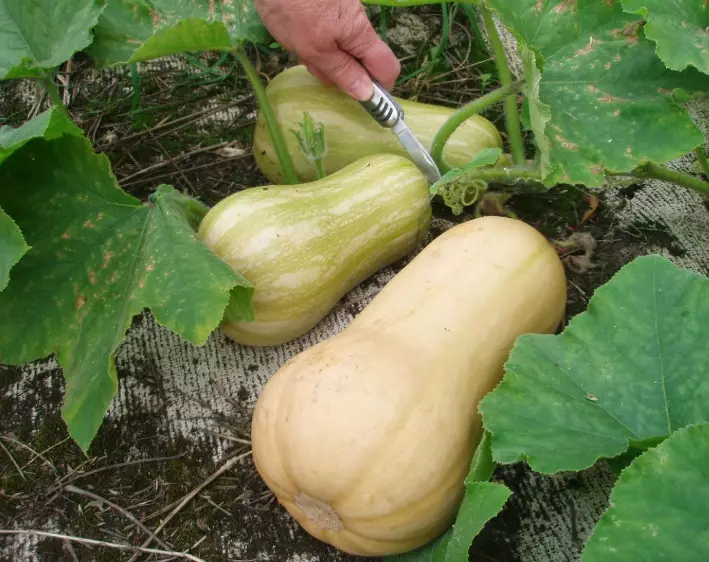
1. The Visual Exam: Color and Skin
Look for a uniform, deep tan or beige color. A ripe squash has lost any greenish tinges, especially near the stem. The skin should be matte, not shiny. A shiny skin often indicates it was picked too early and hasn't fully developed its sugars. The skin itself should look hard and intact. Avoid any with cuts, punctures, or soft spots, which are entry points for rot. A few superficial scratches are usually fine, but deep gashes are a red flag.
Here's a nuance most guides miss: look at the "neck" (the long part) versus the "bulb" (the round bottom). The color should be consistent across both sections. If the neck is significantly paler, the squash might have grown unevenly.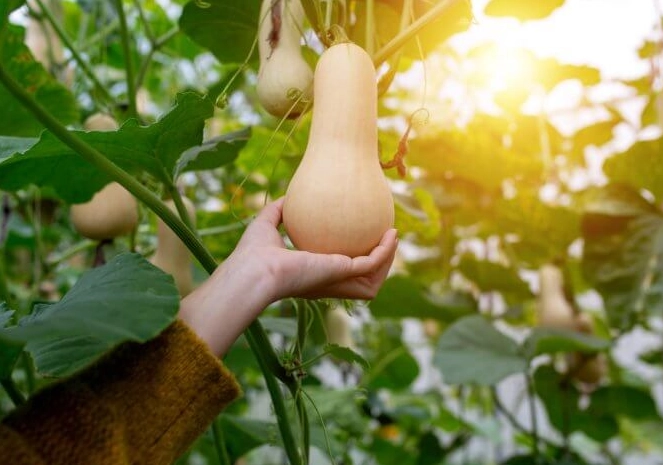
2. The Touch Test: Firmness and Texture
Press your thumbnail gently into the skin. On a ripe, mature butternut squash, your nail should not easily pierce or leave a deep indentation. The entire surface should feel hard and dense. Run your fingers over it. It should feel smooth and firm, like a hard piece of wood. Any sponginess, especially around the stem or the bottom, means it's starting to deteriorate from the inside.
3. The Weight and Sound Check
Pick up a few squash of similar size. The ripest, best one will feel surprisingly heavy for its size. This heaviness signals a thick, dense flesh and high moisture content—exactly what you want for a creamy soup or roast. Now, give it a gentle knock with your knuckles. It should sound solid and dull, not hollow. A hollow sound can mean the flesh has dried out or there are air pockets inside.
4. The Stem Inspection (The Secret Weapon)
This is the expert move. Look at the stem where it was attached to the vine. A fully mature, properly harvested squash will have a dry, corky, and intact stem that's about an inch long. If the stem is missing, moist, or looks freshly broken, avoid it. An open stem wound invites mold and bacteria, drastically shortening its shelf life. A dry, intact stem acts as a natural seal.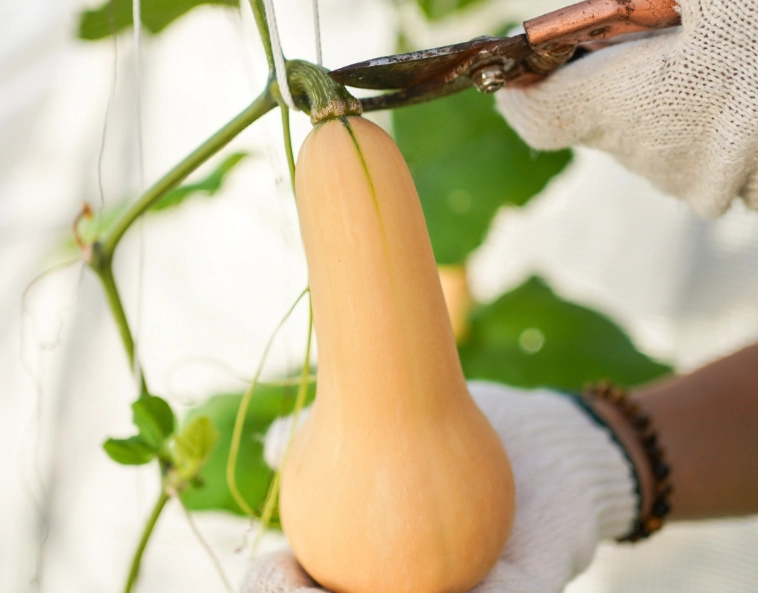
Quick Reference Table: The Ideal Butternut Squash
| Feature | What to Look For | What to Avoid |
|---|---|---|
| Color | Deep, uniform tan/beige; matte finish. | Greenish tints; shiny skin. |
| Skin | Hard, smooth, unbroken. | Cuts, punctures, soft spots. |
| Firmness | Rock-hard everywhere. No give. | Spongy areas, especially at ends. |
| Weight | Feels heavy for its size. | Feels light or hollow. |
| Stem | Dry, corky, and intact (about 1 inch). | Missing, moist, or freshly broken. |
| Sound | Solid, dull thud when tapped. | Hollow sound. |
3 Common Mistakes Everyone Makes (And How to Fix Them)
Let's be honest, we've all prioritized the wrong thing. Here are the pitfalls I see most often.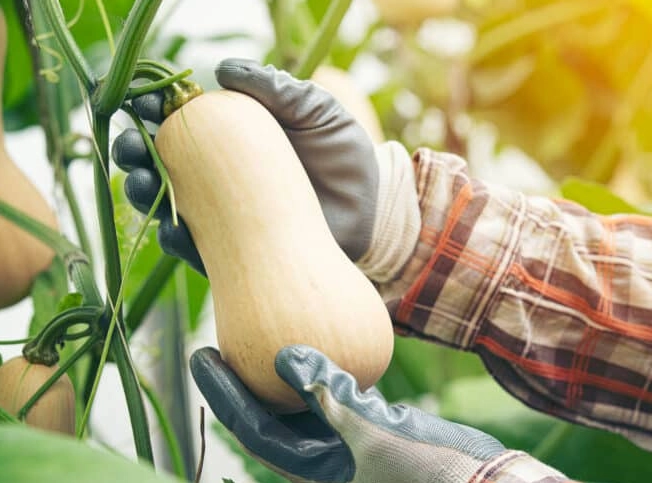
Mistake #1: Choosing the Biggest One. Bigger isn't better with winter squash. Oversized squash can be woody, stringy, and have a less concentrated flavor. The sweet spot is usually a medium-sized squash, about 2 to 3 pounds. They tend to have a finer texture and sweeter taste. A giant squash might look impressive, but it's often better for decoration than eating.
Mistake #2: Ignoring the Stem. I used to think the stem was irrelevant. I was wrong. That stem is the number one indicator of how the squash was handled and how long it will last. A missing stem is an open door for spoilage. Always, always pick the squash with the dry, intact stem. It's more important than a perfect shape.
Mistake #3: Relying Solely on the "Tap." The sound check is just one data point. A squash can sound okay but still be under-ripe or have internal issues. The tap test works best in conjunction with the weight and firmness checks. A heavy, firm squash that also sounds solid is your winner.
Storing Your Squash: Short-Term vs. Long-Term Secrets
You picked a perfect squash. Now, how do you keep it that way? Storage is half the battle.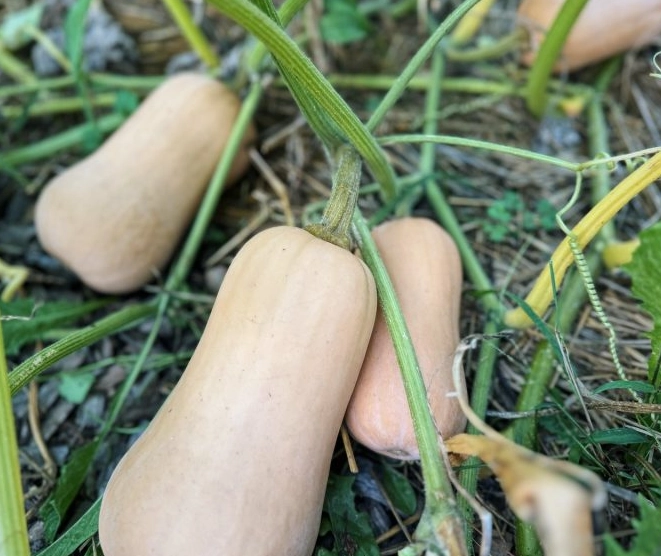
For Long-Term Storage (1-3 months): This is the magic of winter squash. Keep it in a cool, dark, dry, and well-ventilated place. Ideal conditions are around 50-55°F (10-13°C) with 50-70% humidity. A basement, root cellar, or unheated garage (that doesn't freeze) is perfect. Do not store them in a plastic bag. They need to breathe. Place them on a rack or shelf so air can circulate, and don't let them touch each other. Check them every couple of weeks for soft spots.
For Short-Term Storage (a few weeks): A cool, dark pantry or a cupboard away from heat sources (like the oven) works well. Your kitchen counter is fine for a week or two if your kitchen isn't too warm. Just keep it out of direct sunlight.
After Cutting: Wrap the uncut half tightly in plastic wrap, or better yet, remove the seeds and pulp, wrap the flesh in plastic, and refrigerate. Use it within 5-7 days. You can also cube and freeze raw squash on a baking sheet, then transfer to freezer bags for up to a year, though the texture is best for soups and purées after freezing.
Storage Red Flag: If you see a small patch of mold on the skin, you can sometimes cut it off along with a generous portion of the flesh beneath, and the rest of the squash might be okay if it's still firm. But if the mold is near the stem or the blossom end, or if the squash feels soft anywhere, it's best to compost it. The decay has likely spread inside.
Can You Ripen a Squash After Picking? Yes, Here's How
What if you brought home a squash that's a bit pale or green? Unlike tomatoes, winter squash won't get significantly sweeter after harvest, but they can cure and improve in texture and storability. This process hardens the skin and allows some starches to convert.
Leave the squash in a warm, sunny spot (like a windowsill) for 7-10 days. Then, move it to your cool, long-term storage spot. The warmth encourages the final maturation of the skin.
For a squash that's just a tad under-ripe, storing it at room temperature for a week or two can sometimes help it develop a slightly better flavor and texture, but don't expect miracles. This is why picking a mature squash from the start is crucial.
A trick I learned from an old farmer: place an under-ripe squash next to a banana or apple in a paper bag for a few days. The ethylene gas the fruit emits can speed up the ripening process slightly. It's not a guarantee, but it can help in a pinch.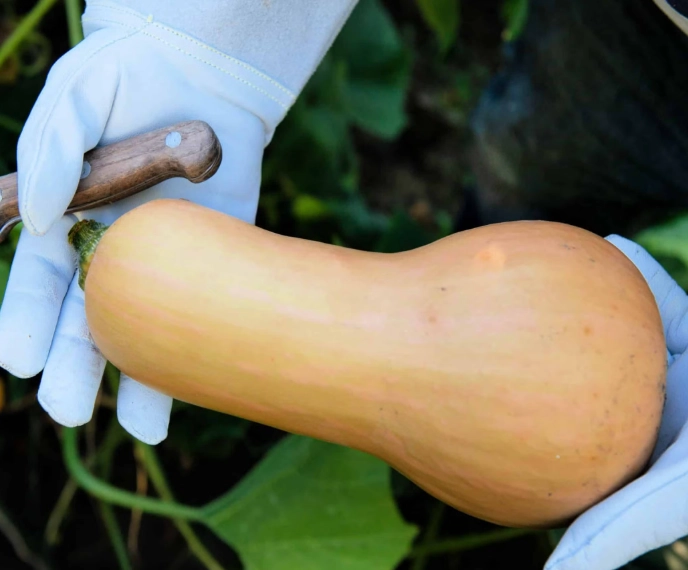
Reader Comments