What's Inside This Guide
March is that tricky month where winter's ending and spring's just starting. You walk into the grocery store, and the fruit section looks confusing—some stuff's from last season, some's imported. But if you know what's actually in season, you can get fruits that taste amazing, cost less, and are packed with nutrients. I've been buying seasonal produce for over a decade, and let me tell you, March has some hidden gems that most people overlook. In this guide, I'll break down exactly what fruits are at their peak in March, how to pick the best ones, and what to do with them. No fluff, just practical stuff you can use today.
Why Eat Fruits in Season in March?
Eating fruits in season isn't just a trend—it makes sense. In March, seasonal fruits are typically harvested at their ripest, meaning better flavor and more vitamins. According to the USDA Seasonal Produce Guide, fruits like strawberries and citrus are in peak supply during early spring in many regions. They're often cheaper because there's more local supply, and they have a lower environmental footprint since they don't need long-distance shipping. Plus, let's be honest, a ripe March strawberry beats a bland imported one any day. I remember buying out-of-season peaches in March once; they were hard as rocks and tasted like cardboard. Stick to what's fresh, and you'll save money and enjoy your food more.
The Top 5 Fruits Fresh in March
Here are the fruits you should focus on in March. I've ranked them based on availability, flavor, and versatility. This isn't just a list—I'll share specific details I've learned from farmers and my own kitchen experiments.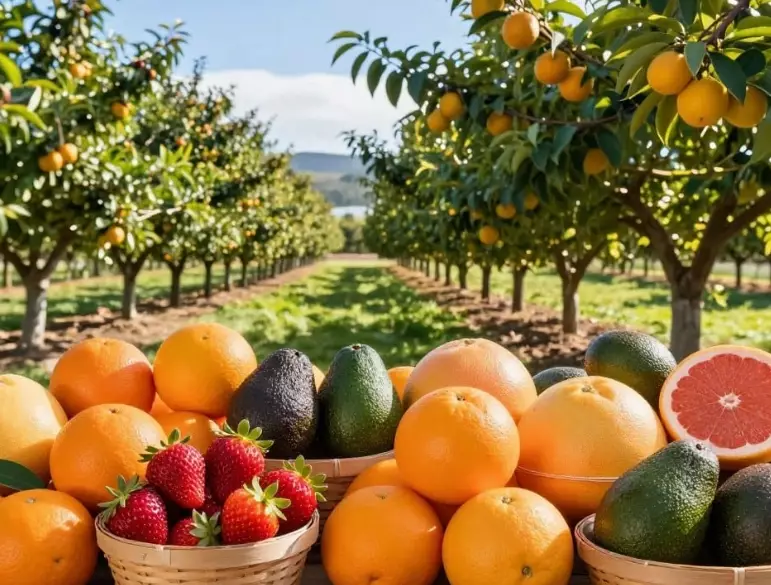
Strawberries: The Early Spring Sweetheart
Strawberries start popping up in March, especially in warmer areas like California and Florida. They're not the giant, watery ones you see in summer; early season strawberries are smaller, sweeter, and more aromatic. Look for berries that are uniformly red, without white tops. A pro tip: smell them. If they don't have a sweet fragrance, they won't taste like much. Nutrition-wise, they're loaded with vitamin C and antioxidants. For recipes, try them in salads or simply with a drizzle of balsamic vinegar.
Oranges and Citrus: Winter's Last Hurrah
Citrus fruits like oranges, grapefruits, and mandarins are still going strong in March. Navel oranges are particularly good this time of year—they're juicy and less acidic. I always check for firmness and heaviness; a light orange is often dry inside. Citrus is great for boosting immunity, which is handy as the seasons change. Use the zest in baking or squeeze fresh juice for morning drinks.
Kiwifruit: The Tangy Powerhouse
Kiwifruit is in season from late fall through spring, and March is a sweet spot. They come from places like New Zealand and California. Go for kiwis that yield slightly to pressure, like a ripe avocado. Don't judge by color alone; some varieties stay green even when ripe. Kiwis are vitamin C bombs, and you can eat the skin for extra fiber—just wash it well. Slice them into yogurt or make a vibrant salsa.
Pineapple: A Tropical Treat in March
Pineapple peaks in March from tropical regions like Costa Rica and Hawaii. Look for one that smells sweet at the base and has golden-yellow skin. Avoid ones with dark spots or a fermented smell. Pineapple contains bromelain, an enzyme that aids digestion. It's perfect for grilling or adding to stir-fries for a sweet kick.
Rhubarb: The Tart Vegetable-Fruit
Rhubarb is technically a vegetable, but we use it like a fruit. It's in season early spring, and March is prime time. Choose firm, crisp stalks with bright red color—avoid limp ones. Rhubarb is tart, so it's usually cooked with sugar in pies or compotes. It pairs amazingly with strawberries, which are also in season, for classic desserts.
Quick Comparison: Here's a snapshot of these March fruits to help you decide. I've included approximate price ranges per pound based on U.S. markets, but prices vary by location.
- Strawberries: Sweet, aromatic; best for fresh eating; $3-$5 per pound.
- Oranges: Juicy, vitamin-rich; great for juicing; $2-$4 per pound.
- Kiwifruit: Tangy, fiber-packed; ideal for snacks; $2-$3 each.
- Pineapple: Sweet, tropical; good for grilling; $3-$6 each.
- Rhubarb: Tart, versatile; must be cooked; $4-$7 per pound.
How to Select and Store March Fruits Like a Pro
Picking the right fruit is half the battle. Here's what I've learned from years of trial and error. For strawberries, avoid containers with juice at the bottom—it means they're overripe. Citrus should feel heavy for its size; that indicates juiciness. With kiwifruit, give it a gentle squeeze; if it's rock hard, it needs days to ripen at room temperature. Pineapples don't ripen further after picking, so choose a ripe one from the start. Rhubarb stalks should snap cleanly, not bend.
Storage is key too. Strawberries go bad fast—store them unwashed in the fridge, spread out on a paper towel. Citrus can last weeks in the fridge crisper. Kiwis ripen on the counter, then refrigerate to slow down. Pineapple should be eaten within a few days once cut. Rhubarb keeps in the fridge wrapped in plastic for up to a week.
Common Mistakes When Buying March Fruits (And How to Avoid Them)
Most people mess up by focusing on looks over other cues. For example, they buy shiny, perfect strawberries that taste bland because they were picked too early. I did this for years until a farmer told me to prioritize scent over color. Another mistake: storing fruits together. Apples and bananas release ethylene gas that can overripen nearby fruits like kiwis. Keep them separate. Also, don't wash berries until you're ready to eat them; moisture speeds up mold. A subtle error is ignoring local varieties. In March, some regions have early apricots or cherries—check farmers' markets for unique finds that big stores miss.
Easy Recipes Using March Fruits
You don't need fancy skills to enjoy March fruits. Here are two simple recipes I make regularly. First, a Strawberry Citrus Salad: mix sliced strawberries, orange segments, and a handful of mint. Drizzle with honey and lime juice—it takes 10 minutes and works as a side or dessert. Second, Roasted Rhubarb Compote: chop rhubarb into inch pieces, toss with a bit of sugar and vanilla, roast at 375°F for 20 minutes until soft. Serve over yogurt or ice cream. These recipes highlight the natural flavors without overpowering them.
For a heartier option, try Grilled Pineapple Salsa: grill pineapple slices until charred, dice them, and mix with red onion, cilantro, lime juice, and a pinch of salt. It's fantastic on fish or tacos. These ideas are flexible; swap ingredients based on what you have.
Your Questions About March Fruits Answered
March is a fantastic time to explore seasonal fruits. With this guide, you're equipped to make smart choices, avoid common pitfalls, and enjoy delicious, fresh flavors. Whether you're making a simple salad or trying a new recipe, these fruits can brighten up your meals. Remember, eating seasonally isn't about perfection—it's about connecting with what's fresh and making the most of it. Happy eating!
Reader Comments