Let's be honest. You can find a dozen basic lists on bell pepper care. Water them, give them sun, hope for the best. But if you want those thick-walled, crunchy, sweet peppers that make your neighbors jealous, you need to go deeper. I've been growing peppers for over a decade, and I've killed my share of plants with kindness (mostly overwatering). This guide isn't just about keeping them alive; it's about making them thrive. We'll cover the whole journey, from a tiny seedling to a harvest basket overflowing with red, yellow, and green gems.
What You'll Learn in This Guide
Getting Started: The Planting Foundation
Think of this like building a house. A weak foundation means problems later. For bell peppers, the foundation is location, soil, and timing.
Sunlight and Location: Non-Negotiables
Bell peppers are sun worshippers. They need a minimum of 6-8 hours of direct, unfiltered sunlight daily. More is better. I test spots in my garden by checking them every hour on a sunny day. If a spot gets shaded by a fence or tree for a chunk of the afternoon, it's out. They also hate wind, which can break stems and stress the plant. A spot against a south-facing wall is ideal—it absorbs heat during the day and radiates it at night.
Soil: It's All About the Mix
Forget generic garden soil. Peppers need soil that's light, fluffy, and drains exceptionally well, yet holds onto moisture and nutrients. Here's my foolproof mix for in-ground or container planting:
- 50% High-Quality Compost: This is your nutrient and moisture bank. It feeds the plant and the soil life.
- 30% Coconut Coir or Peat Moss: For water retention and aeration. I prefer coir as it's more sustainable and rewets easier.
- 20% Perlite or Coarse Sand: This is critical for drainage. It creates air pockets, preventing the roots from sitting in water.
Get the pH right. Bell peppers prefer a slightly acidic to neutral soil, between 6.0 and 6.8. A simple test kit from a garden center works. If your soil is too acidic (below 6.0), add a bit of garden lime. If it's too alkaline (above 7.0), work in some peat moss or sulfur.
The Daily Grind: Watering and Feeding Your Plants
This is where most people, including my past self, mess up.
Watering: Deep, Not Frequent
The mantra is deep, infrequent watering. You want to encourage the roots to grow deep into the soil searching for water, which makes the plant more drought-resistant and stable. Stick your finger into the soil up to the second knuckle. If it feels dry, it's time to water. If it's damp, wait.
When you water, do it slowly at the base of the plant until the soil is thoroughly soaked. Avoid overhead watering like a sprinkler—wet leaves are an invitation for fungal diseases. Early morning is the best time, so any splashes on the leaves dry quickly.
Feeding: The Right Diet for Big Peppers
Bell peppers are moderate feeders. They need a balanced diet but are sensitive to too much nitrogen, which gives you a gorgeous, bushy green plant with very few flowers or fruit.
| Growth Stage | What to Feed | Why & How |
|---|---|---|
| At Planting | Balanced fertilizer (e.g., 5-5-5) or compost | Mixed into the planting hole to give seedlings a gentle start. |
| Early Growth (First month) | Balanced liquid fertilizer (e.g., 10-10-10) | Every 2 weeks to support leaf and stem development. |
| Flowering & Fruiting | Low-Nitrogen, High-Potassium fertilizer (e.g., 5-10-10) | Switch to this once flowers appear. Potassium is key for fruit development and sweetness. Apply every 3-4 weeks. |
An expert trick: Bell peppers love magnesium. Once your first fruits are about the size of a golf ball, give them a boost with a foliar spray of Epsom salt (1 tablespoon per gallon of water). The magnesium helps with chlorophyll production and fruit set. You'll see a noticeable difference in plant vigor.
Shaping Success: Pruning and Support
Left alone, a bell pepper plant gets leggy and top-heavy. A little strategic cutting makes a world of difference.
Early Pruning: When your seedling is about 8-10 inches tall and has a few sets of true leaves, pinch off the very top growing tip. This forces the plant to branch out laterally, creating a bushier, sturdier structure with more potential flowering sites.
The Controversial First Flower: Many gardeners hate this advice, but I stand by it: pinch off the first flower bud that appears. It feels wrong, I know. But that early flower saps energy from the young plant trying to establish its root and leaf system. Removing it tells the plant, "Grow bigger first," resulting in a much more productive plant over the entire season. Trust me on this one.
Support is Non-Optional: A laden bell pepper branch will snap. Use a sturdy tomato cage or a 3-4 foot stake at planting time. Tie the main stems loosely to the support as they grow. Don't wait until it's already leaning.
Keeping Trouble Away: Pest and Disease Patrol
Healthy, well-cared-for plants are your first line of defense. But pests happen.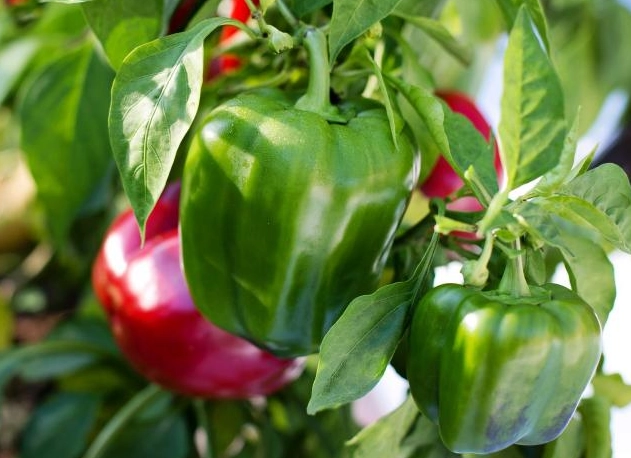
- Aphids: Those tiny green or black bugs on new growth. Blast them off with a strong jet of water from your hose. For persistent issues, insecticidal soap works.
- Tomato Hornworms: These giant green caterpillars can strip a plant overnight. Hand-pick them (wear gloves!) and drop them in soapy water.
- Blossom End Rot: Not a pest, but a common physiological disorder. You'll see a dark, leathery spot on the bottom of the fruit. It's caused by a calcium deficiency, usually triggered by inconsistent watering (the plant can't uptake calcium properly). The fix is consistent, deep watering and maintaining even soil moisture. Mulching helps tremendously here.
Prevention is key. Keep the area weed-free, ensure good air circulation, and rotate your crops each year (don't plant peppers in the same spot where tomatoes, potatoes, or eggplants grew last year).
The Reward: Harvesting and Storing Your Peppers
You can harvest bell peppers at any size when they're firm and glossy green. But for maximum sweetness and vitamin content, let them ripen to their final color—red, yellow, orange, or purple. This requires patience, as it can take weeks after reaching full size.
Use a sharp pair of pruners or scissors to cut the pepper from the plant, leaving a short stub of stem. Don't pull or twist, as you can damage the branch.
Freshly picked peppers store best in your refrigerator's crisper drawer, where they can last 1-2 weeks. For long-term storage, they freeze beautifully. Just wash, core, remove seeds, chop or slice, and freeze in a single layer on a baking sheet before transferring to freezer bags.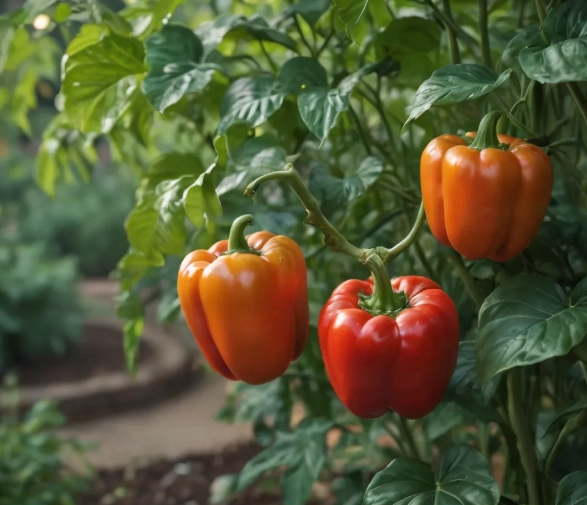
Your Questions, Answered (FAQ)
Frequently Asked Questions on Bell Pepper Care
Why are the flowers on my bell pepper plant falling off without setting fruit?
This is usually due to temperature stress or poor pollination. Daytime temps above 90°F (32°C) or nighttime temps below 60°F (16°C) can cause blossom drop. Also, bell peppers are self-pollinating, but they sometimes need a little help. When flowers are open, gently shake the plant or use a small paintbrush to transfer pollen between flowers. High humidity can also make pollen sticky and less effective.
My bell pepper leaves are turning yellow. What did I do wrong?
Yellow leaves can signal several issues. The most common is overwatering—check your soil moisture first. If the older leaves are yellowing uniformly, it could be a nitrogen deficiency. If the yellowing is between the veins of new leaves, it might be an iron deficiency, often caused by soil that's too alkaline. Finally, inspect the undersides of leaves for tiny spider mites, which cause stippled yellowing.
Can I grow bell peppers in pots, and what's the secret to success?
Absolutely. In fact, containers give you great control over soil and drainage. The secret is using a large enough pot—at least 5 gallons for one plant, 10 gallons is better. Use the premium soil mix described earlier. Container plants dry out faster, so you'll need to check moisture daily in hot weather. Fertilize more frequently with a diluted liquid fertilizer, as nutrients leach out with watering. Ensure the pot has excellent drainage holes.
Should I use mulch around my bell pepper plants?
Yes, 100%. A 2-3 inch layer of organic mulch (straw, shredded leaves, grass clippings) is a game-changer. It keeps soil moisture consistent (preventing blossom end rot), suppresses weeds, keeps soil temperatures cooler in summer, and adds organic matter as it breaks down. Just keep the mulch a couple of inches away from the main stem to avoid rot.
What are the best companion plants for bell peppers?
Companion planting can help with pests and growth. Great companions include basil (repels aphids and spider mites, and some say improves flavor), onions and garlic (deter many pests with their strong scent), and marigolds (their roots exude a substance that suppresses nematodes in the soil). Avoid planting them near fennel or kohlrabi, which can inhibit their growth.
Reader Comments