You’re holding a package of cremini mushrooms at the store, recipe in hand, and the question pops into your head: What is another name for cremini mushrooms? The quick, one-word answer is baby bella. But if you stop there, you're missing the whole story. I've spent over a decade cooking professionally and teaching people about ingredients, and the cremini is one of the most misunderstood—and underrated—items in the produce aisle. Knowing its alias is just the first step to unlocking its potential.
Here’s the real deal: cremini, baby bella, and brown mushrooms are all the same species (Agaricus bisporus). They’re the middle child between the common white button mushroom and the giant portobello. That “brown” in “brown mushroom” isn't just a color; it's a sign of deeper flavor. Most people treat them like a fancier white button, but that’s a mistake. They have a personality all their own.
What’s Inside This Guide?
- The Simple Answer: Baby Bella & Brown Mushrooms
- The Mushroom Family Tree: From Button to Portobello
- Why Choose Cremini? Flavor, Texture & Nutrition
- How to Cook with Cremini Mushrooms (Without Making Them Rubbery)
- Shopping & Storage Tips From a Pro
- Are Cremini Mushrooms Healthy?
- Your Cremini Questions, Answered
The Simple Answer: Baby Bella & Brown Mushrooms
Let's get the naming convention out of the way clearly. When you see "cremini," you can confidently swap in either of these two names:
- Baby Bella Mushrooms: This is the most common marketing name you'll see next to "cremini." It directly tells you they are the younger, smaller version of a portobello (which is often called "portabella" or "portobella").
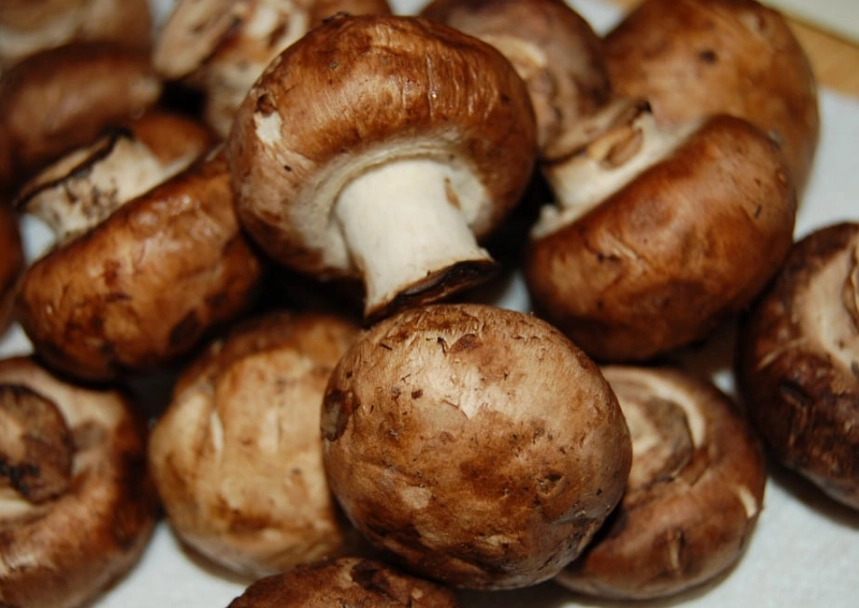
- Brown Mushrooms: This is the straightforward, descriptive name. It differentiates them from the standard white button mushrooms. In many European supermarkets and wholesaler lists, this is the primary term.
Key Takeaway: Cremini = Baby Bella = Brown Mushroom. They are identical. The different names are used for marketing or simple description, not to indicate a different variety.
I find the name "baby bella" can be slightly misleading. It makes people think they're just small portobellos, which is technically true, but it overlooks their unique qualities at this specific stage of growth. Their caps are firmer and more closed than a portobello's, which changes how they behave in a pan.
The Mushroom Family Tree: From Button to Portobello
This is where it gets interesting, and where most online explanations are too shallow. Creminis aren't a separate species; they are a life stage of the same fungus. Think of it like this:
| Name | What It Is | Key Characteristics | Best Used For |
|---|---|---|---|
| White Button Mushroom | The youngest, harvested before the veil breaks. | Mildest flavor, firm white flesh, very versatile but subtle. | Salads, eating raw, dishes where you want a neutral mushroom presence. |
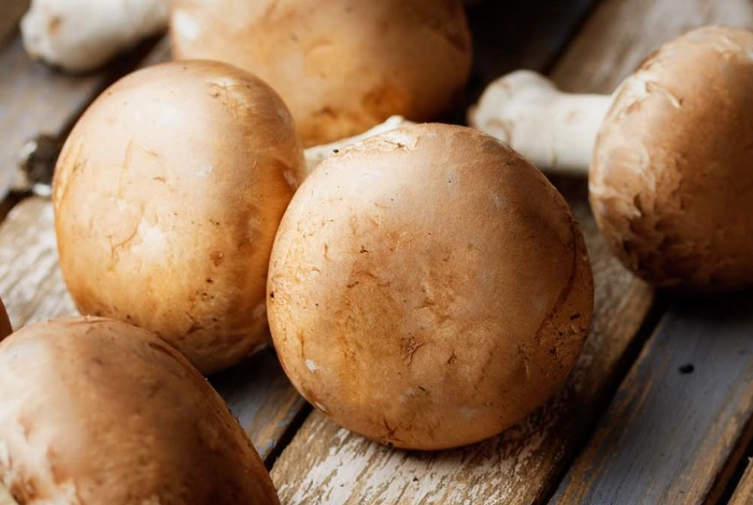
| Cremini / Baby Bella / Brown Mushroom | The adolescent stage, slightly more mature. | Darker tan/brown cap, richer "umami" and earthy flavor, denser texture. | Sauteing, soups, stews, sauces, roasting—anywhere you want deeper mushroom flavor. |
| Portobello Mushroom | The fully mature adult, with the cap fully opened. | Large, flat cap, intense meaty flavor, sometimes tougher stem. | Grilling, stuffing, using as a meat substitute ("portobello burger"). |
The brown color on cremini and portobello caps isn't a stain. It's a natural pigment that develops as the mushroom matures and is exposed to more light. According to agricultural research on Agaricus bisporus cultivation, this maturation also correlates with an increase in certain flavor compounds. That's why a cremini tastes more mushroomy than a white button—it literally has had more time to develop flavor.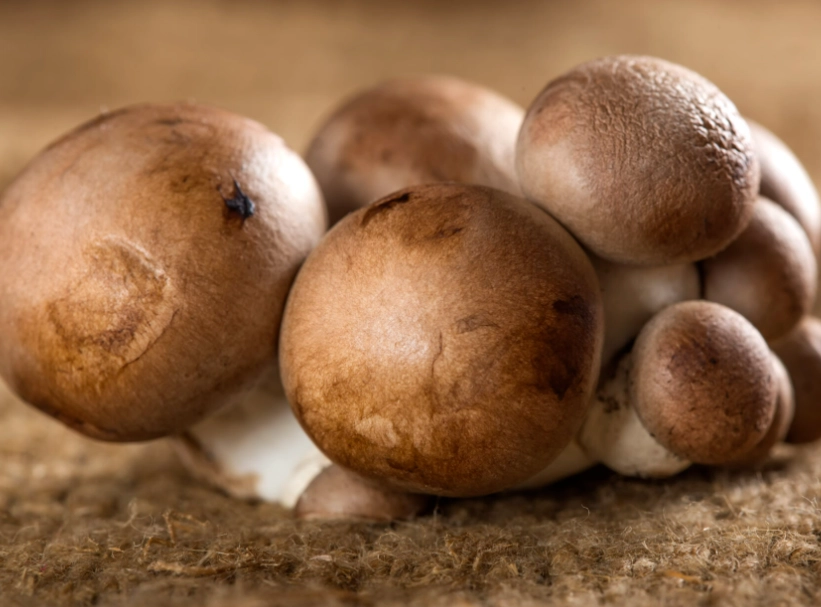
A common mistake is assuming portobellos are always "better" because they're bigger and more expensive. For a long-simmered stew, a cremini often holds its shape and pleasant bite better than a portobello, which can become slightly slimy if overcooked.
Why Choose Cremini? Flavor, Texture & Nutrition
So why bother knowing the other name for cremini mushrooms? Because it should change how you shop and cook. Here’s what you’re really getting:
Flavor Profile: The Umami Boost
Creminis have a distinct nutty, earthy taste that is more pronounced than a white button's. That’s the umami talking. If a white button is a whisper of mushroom flavor, a cremini is a clear, confident statement. This makes them ideal for dishes where the mushroom is a supporting player but needs to be heard, like in a creamy pasta sauce or a beef bourguignon.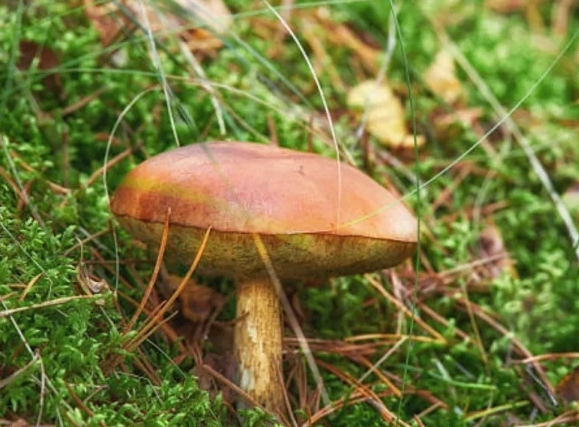
Texture: The Meaty Bite
Their flesh is denser. When you sauté them properly (more on that below), they develop a beautiful sear on the outside while staying tender-chewy inside. They won't dissolve into nothing in a soup. This substantial texture is why they're sometimes called "the poor man's meat."
Nutritional Edge
While all edible mushrooms are healthy, the slightly more mature cremini often has marginally higher concentrations of certain minerals like selenium and potassium compared to its white button sibling, simply due to its longer growth period. Data from the USDA FoodData Central shows this minor variance. They're a great source of B vitamins and a touch of protein.
How to Cook with Cremini Mushrooms (Without Making Them Rubbery)
This is the practical part. You've bought your baby bellas. Now what? The biggest complaint I hear is "my mushrooms turned out rubbery and watery." That's almost always a cooking technique issue.
The Golden Rule: Don't Crowd the Pan. If you dump a whole pound into a small skillet, they'll steam in their own released liquid and become soggy. Cook in batches if you have to.
My Go-To Method for Perfect Sautéed Creminis:
- Don't Wash, Just Wipe. Rinsing them makes them waterlogged. Use a damp paper towel or a soft brush to wipe off any peat moss.
- Slice Uniformly. Not too thin, about 1/4-inch thick, so they have presence.
- Hot Pan, Hot Fat. Get your pan (stainless steel or cast iron is best) good and hot over medium-high heat. Add a high-smoke-point oil like avocado or grapeseed oil.
- Lay Them Down and Leave Them. Add the slices in a single layer. Don't touch them for 3-4 minutes. Let them develop a deep golden-brown sear.
- Season and Finish. Flip them, season with salt and pepper. Cook for another 2-3 minutes. At the very end, add a pat of butter and a smashed garlic clove for 30 seconds. Finish with a sprinkle of fresh thyme or parsley. The butter and garlic burn if added too early.
This method concentrates their flavor and gives you those tasty browned bits (fond) in the pan, which you can deglaze with a splash of wine or broth for an instant sauce.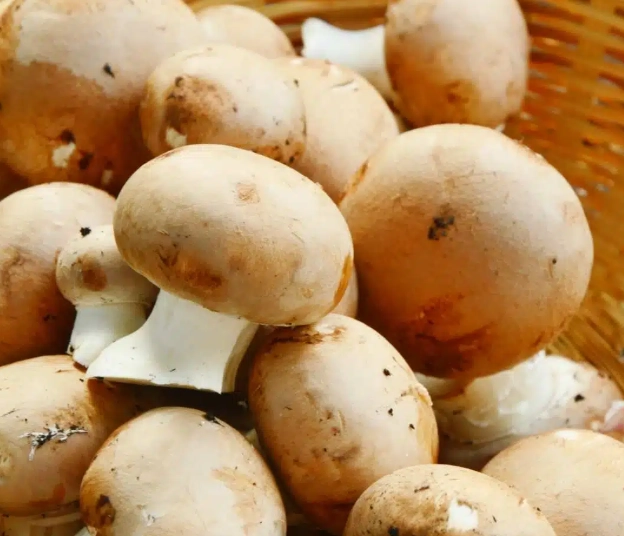
Shopping & Storage Tips From a Pro
Picking the right package and storing it correctly makes a world of difference.
- Look for: Firm, dry caps with no major bruises or slimy spots. The caps should be closed tightly around the stem, not splayed open. The gills underneath can range from pale pink to a darker brown—darker gills mean a more mature mushroom and a stronger flavor, which is fine for cooking.
- Avoid: Packages with lots of loose moisture or mushrooms that feel damp and limp.
- Storage Secret: Take them out of the plastic tray immediately. Plastic traps moisture and speeds up decay. Transfer them to a paper bag, or place them in a bowl covered loosely with a dry paper towel. Store in the main part of your fridge, not the crisper (which is often too humid). They'll last 5-7 days this way.
Are Cremini Mushrooms Healthy?
Absolutely. Beyond the vitamins and minerals, they contain antioxidants like ergothioneine, which research from institutions like Penn State has highlighted for its potential cell-protective properties. They're low in calories, fat-free, and provide a small amount of fiber. Including them in your diet adds depth of flavor and nutritional value without adding many calories.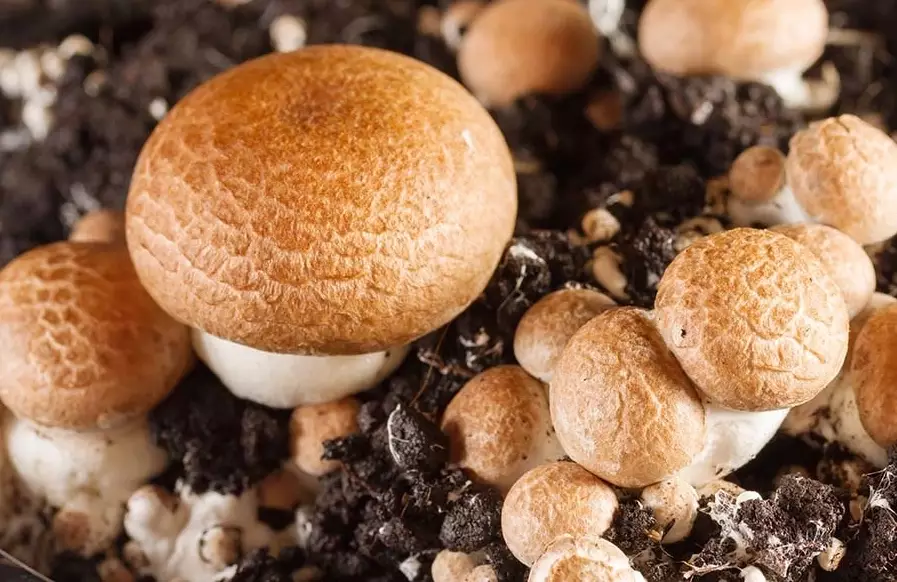
Reader Comments