Quick Guide
- What Does "Poisonous" Even Mean in the Woods?
- The Usual Suspects: Poisonous Plants You Might Find
- The Fungal Frontier: When Mushrooms Turn Dangerous
- Your Practical Safety Checklist for Hen Woods (And Any Woods)
- "What If...?" Answering Your Real-World Questions
- Shifting Your Mindset: From Fear to Respectful Awareness
Look, I get it. You've heard the name "Hen Woods" and maybe some whispers about things being poisonous there. Or perhaps you're planning a family hike, a foraging trip, or just a peaceful walk, and the last thing you want is an itchy rash or a scary trip to the hospital. The question "Is Hen Woods poisonous?" isn't just about one plant—it's about feeling safe in nature.
Let's cut through the rumors right now. The truth is, most woodland areas, including places like Hen Woods, host a mix of harmless and potentially harmful species. Calling the entire woods "poisonous" is a massive overstatement and frankly, unhelpful. It creates unnecessary fear. The real skill isn't avoiding the woods altogether; it's learning what to look for.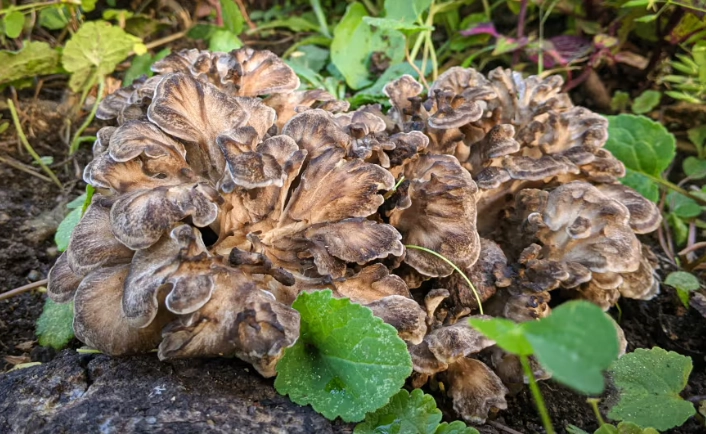
The core of the "Hen woods poisonous" concern usually boils down to two big categories: poisonous plants that cause skin reactions, and toxic wild mushrooms that can cause serious illness if eaten. Getting these two groups mixed up is where most of the trouble starts.
I remember my first time hearing about poison ivy. I was a kid, and an older friend just said "leaves of three, let it be." That stuck with me. It was simple, actionable advice. That's what we need more of, not just scary labels. So, let's ditch the vague fear and get into the specifics.
What Does "Poisonous" Even Mean in the Woods?
This is key. When people ask if Hen Woods is poisonous, they're often picturing different things. A parent might worry about their toddler grabbing a bright berry. A hiker might dread the blistering rash from brushing against a vine. A forager's biggest fear is misidentifying a mushroom.
"Poisonous" can mean:
- Dermatitis-causing: Plants that cause itchy, blistering skin reactions on contact (like poison ivy).
- Toxic if ingested: Plants or fungi that cause internal poisoning, ranging from stomach upset to organ failure, if eaten.
- Allergenic: Plants that cause hay fever or other allergic reactions (like certain trees pollinating).
See the difference? One ruins your hike, the other could ruin your life. It's crucial to know which threat you're actually preparing for.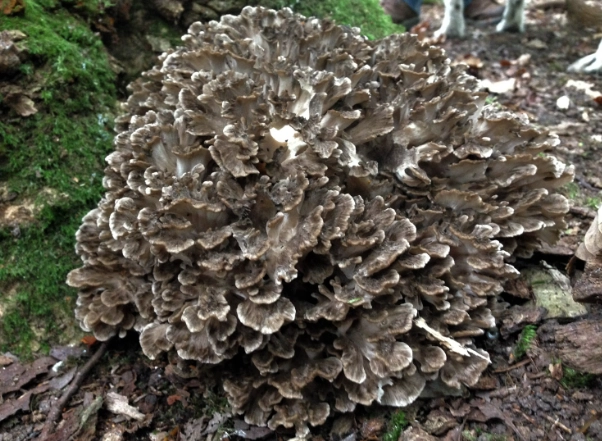
I made the mistake once of not washing my hands thoroughly after possibly touching poison ivy sap on a dog's leash. Let's just say I had a very itchy lesson about urushiol oil transfer. It's sneaky stuff.
The Usual Suspects: Poisonous Plants You Might Find
If we're talking about the classic "Hen woods poisonous" plants that cause skin misery, there's a shortlist of notorious offenders. These guys love the edges of woods, trails, and disturbed ground.
Poison Ivy: The King of Itch
This is public enemy number one in many North American woods. It's a master of disguise—it can be a ground vine, a climbing vine on trees, or a small shrub. The famous "leaves of three" rule is your first clue, but the leaves can be shiny or dull, smooth or toothed, red in spring or brilliant red in fall.
The culprit is urushiol oil. It binds to your skin fast. You've got about 10 minutes to wash it off with soap and cool water before the reaction starts. Hot water opens your pores and makes it worse—a counterintuitive tip that's saved me more than once.
Poison Oak and Poison Sumac
Similar deal, different look. Poison oak also has leaves in groups of three, but they look more like, well, oak leaves. Poison sumac is less common but more potent. It's a tall shrub or small tree found in very wet, swampy areas within or bordering woods. It has rows of paired leaves with a single leaf at the end, and smooth gray bark. If you see a plant with clusters of white or grey berries in a wet spot, give it a wide berth.
Big Myth: "I'm immune to poison ivy." Sensitivity can change over your lifetime. You might have no reaction one year and a severe one the next. Never use immunity as an excuse to handle these plants.
But what about plants that are poisonous if you eat them? That's a different ballgame. You're less likely to accidentally munch on these, but kids and pets might.
Deadly Nightshade & Other Berry Risks
Plants like deadly nightshade (Atropa belladonna), pokeweed, and certain honeysuckles have attractive but toxic berries. The rule here is simple and non-negotiable: Never eat a berry, root, or leaf from the wild unless you are 100%, absolutely, expert-level certain of its identity. Even then, many require specific preparation to be safe.
I think the foraging trend sometimes downplays this risk. It's one thing to pick wild garlic you know; it's another to guess at a berry because it "looks like" a blueberry.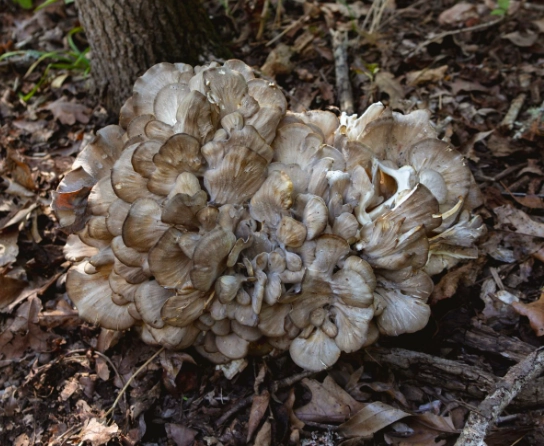
The Fungal Frontier: When Mushrooms Turn Dangerous
This is where the "Hen woods poisonous" question gets really serious. Mushroom poisoning is no joke. The scary part? Some of the deadliest mushrooms look incredibly innocent, and some have look-alikes that are perfectly edible.
You cannot rely on old wives' tales to identify safe mushrooms. The silver spoon test? Useless. Peeling the cap? Meaningless. Insects or animals eating them? Irrelevant—their metabolism is different from ours.
The only safe way to forage wild mushrooms is to learn each species individually, using a reliable field guide and preferably learning from an experienced mycologist. When in doubt, throw it out.
Let's look at some of the high-risk fungi you might encounter. This table isn't for identification—it's to show you why caution is paramount.
| Common Name | Key Danger | Why It's Tricky | Typical Habitat |
|---|---|---|---|
| Death Cap (Amanita phalloides) | Extremely deadly. Causes liver & kidney failure. A single cap can kill. | Looks like a harmless "paddy straw" mushroom or young puffball to the untrained eye. Symptoms appear 6-24 hours after eating, often when it's too late for effective treatment. | Under oak and other broadleaf trees, often in wooded areas or their edges. |
| Destroying Angel (Amanita virosa/bisporigera) | Similarly deadly as Death Cap. Same terrifying mechanism. | Pure white and beautiful. Can be mistaken for young button mushrooms or edible Amanita species like Caesar's mushroom. | Woodlands, often in mixed forests. |
| False Morels (Gyromitra spp.) | Contains gyromitrin, which converts to a potent toxin. Can cause severe illness or death. | Brain-like cap looks somewhat like a true morel (which is highly prized). True morels have a honeycomb pattern; false morels have a brain-like or wrinkled cap that is often not fully attached to the stem. | Coniferous or mixed woodlands, often in spring. |
| Jack-o'-lantern (Omphalotus illudens) | Not usually fatal, but causes severe cramps, vomiting, and diarrhea. | Grows in clusters on wood (stumps, roots) like edible chanterelles. Chanterelles grow singly on the ground and have blunt, forked gills. Jack-o'-lanterns have sharp, non-forked gills and a true orange (not yellow) color. | Base of trees, on stumps, or buried roots in wooded areas. |
See what I mean? The stakes are high.
For authoritative information on mushroom toxicity, the American Association of Poison Control Centers (AAPCC) is an essential resource. They have clear, factual guides and a helpline. In the UK, the NHS website provides crucial advice. These are the kinds of sources you should trust, not random blog posts with shaky photos.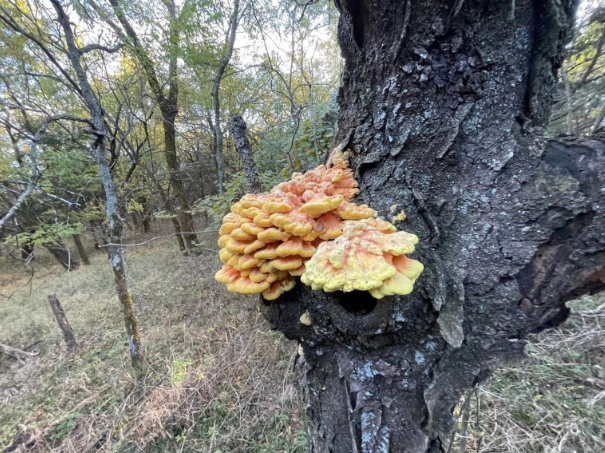
Your Practical Safety Checklist for Hen Woods (And Any Woods)
Okay, enough about the dangers. Let's talk about empowerment. How do you actually enjoy a place like Hen Woods without fear? You build a simple safety habit stack.
Before You Go
- Dress the part: Long pants and closed-toe shoes are your first line of defense. Tuck your pants into your socks if you're going off-trail in an area known for ticks or poison ivy. Light colors help you spot ticks.
- Carry a barrier cream: Products containing bentoquatam (like Ivy Block) can act as a barrier to urushiol oil if applied before exposure. It's not 100%, but it helps.
- Pack a mini clean-up kit: Small travel soap, water, and alcohol-based hand sanitizer. Sanitizer can help break down urushiol oil before you can wash with soap and water.
While You're There
- Stay on designated trails. This minimizes contact with undergrowth where poisonous plants thrive.
- Look, don't touch. Admire plants and fungi with your eyes. Use the "stick test" to turn over a mushroom if you're curious, never your hands.
- Supervise kids and pets closely. Explain the "look, don't touch" rule. Dogs can get urushiol oil on their fur and transfer it to you.
- Take photos, not samples. Unless you are an expert, photographing something for later identification is far safer than picking it.
When You Get Home
- Wash everything, including yourself. Clothes go straight into the wash. Shower with cool water and plenty of soap. Technu and Zanfel are specialized washes, but dish soap (like Dawn) works well to cut the oil too.
- Clean your gear. Wipe down backpacks, trekking poles, and especially your pet's leash and collar with soap and water or alcohol wipes.
I have a specific "woods towel" and old clothes I wear for hikes. It all goes into a separate laundry basket when I get home. It sounds fussy, but it beats weeks of itching.
"What If...?" Answering Your Real-World Questions
What should I do if I touch poison ivy?
Stay calm. Get to soap and cool water as soon as possible, ideally within 10 minutes. Scrub under your nails. Wash all clothing that was with you. The rash itself isn't contagious; only the unwashed oil is. If you develop a severe rash, blisters on your face or genitals, or have trouble breathing (from inhaling smoke from burning plants), see a doctor immediately.
My dog ran through the woods—is he safe?
Most dogs aren't as sensitive to poison ivy oil, but they can carry it on their fur. Give your dog a bath with dog shampoo (dish soap in a pinch) as soon as you can, paying attention to their belly and legs. Wear gloves while you do it! Then wash your own hands and arms thoroughly.
I think I ate a poisonous mushroom. What now?
This is a medical emergency. Do not wait for symptoms. Call your local poison control center immediately (in the US: 1-800-222-1222). If possible, save a sample of the mushroom (including the base) in a paper bag—it can be crucial for identification. Do not induce vomiting unless instructed by a medical professional.
Are there any good apps for identifying poisonous plants?
Apps like iNaturalist or PictureThis can be helpful tools for suggesting an ID, but you should never use them as the sole authority for determining if something is safe to touch or eat. Cross-reference with reputable field guides and expert sources. The USDA Forest Service website has excellent, region-specific plant profiles.
Shifting Your Mindset: From Fear to Respectful Awareness
The goal isn't to make you terrified of every leaf and log in Hen Woods. That would be a shame. The woods are beautiful, restorative places. The goal is to replace a vague fear ("Is this poisonous?") with specific knowledge ("This is poison ivy, so I'll avoid it.").
Knowledge is what turns a potential hazard into a managed one. It's the difference between seeing a woods as a threatening, "poisonous" place and seeing it as a complex ecosystem where you know how to navigate safely.
So, is Hen Woods poisonous? Not as a whole. But like any natural area worth exploring, it demands a bit of respect and a dash of common sense. Pack your long pants, your awareness, and your curiosity. Leave the fear behind.
The final word: The woods aren't out to get you. They're just being themselves. By learning a few key identifiers and safety habits, you can confidently enjoy their beauty without letting the worry of something being poisonous spoil your adventure. Go explore, just do it smartly.
Reader Comments