
You order a Caesar salad, thinking it's the safe, low-carb choice. The menu says it's a "light" option. Then you finish the bowl and feel that familiar, heavy bloat an hour later. Sound familiar? The truth is, a classic restaurant-style Caesar salad can easily contain 40 to 60 grams of carbohydrates—sometimes more than a sandwich. That's not what you signed up for when you chose "salad."
The disconnect happens because we focus on the lettuce. Romaine lettuce is virtually carb-free. The problem lies in everything else we pile on top of it. Let's pull back the curtain on the three main culprits turning your healthy salad into a carb-heavy meal.
What You'll Discover in This Guide
The Real Carb Villain: Caesar Dressing
This is where most of the carbs hide. A traditional Caesar dressing isn't just oil, lemon, and anchovies. The emulsifier and flavor backbone is raw egg yolk, but many modern recipes—and nearly all bottled or restaurant versions—add significant sweeteners and thickeners.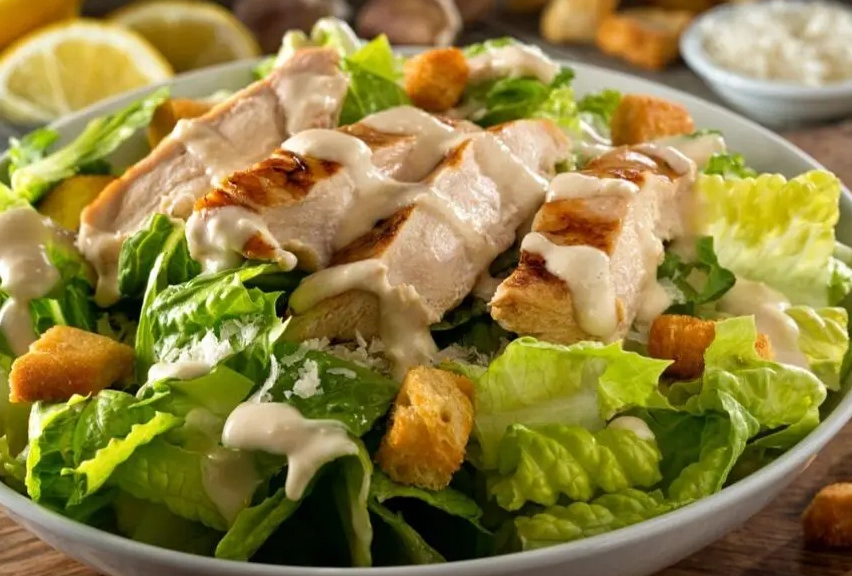
Here’s the breakdown you rarely see:
- Anchovy Paste vs. Whole Anchovies: Bottled anchovy paste often contains added sugar and starches as stabilizers. Two teaspoons can have 2-3g of carbs before you add anything else.
- The "Creamy" Illusion: To achieve that rich, creamy texture without the fuss of proper emulsification, commercial kitchens and food manufacturers use ingredients like corn syrup, honey, and even pureed white beans or potato starch. A single 2-tablespoon serving of a popular brand like Cardini's Original Caesar Dressing contains 3 grams of carbs, mostly from added sugar. Use a quarter cup on your large salad, and that's 6g right there.
- Worcestershire Sauce: A key ingredient, but most Worcestershire sauce contains molasses and high-fructose corn syrup. Just a dash adds a gram or two of sugar.
I learned this the hard way when I tried to replicate my favorite bistro's dressing at home. Theirs was so much sweeter. After some digging (and a friendly chat with a former line cook), I found out they used a base of store-bought mayo thinned with oil and—here's the kicker—a splash of pancake syrup for "balance." That's a chef's hack you won't find in cookbooks.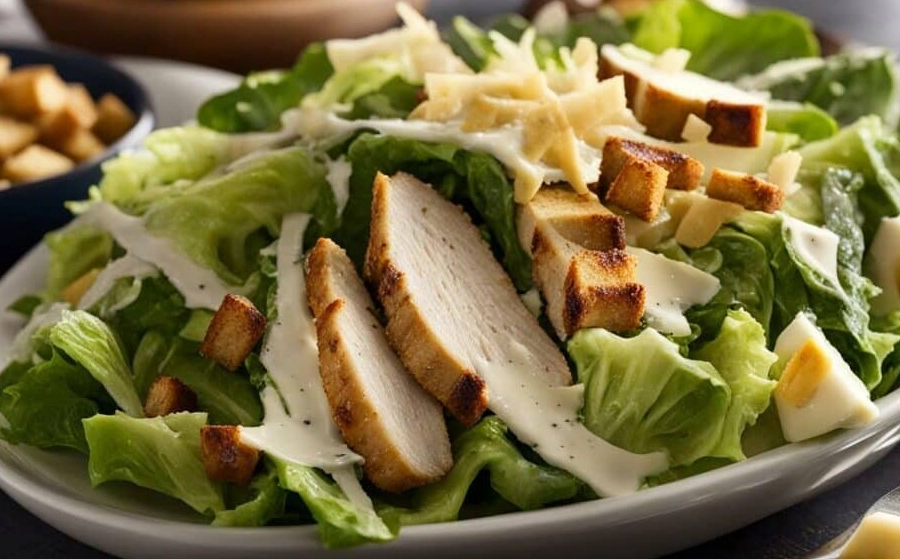
Croutons: More Than Just Toasted Bread
We know bread has carbs. But we underestimate croutons because they're small and crunchy. It's a texture trap.
Think about it: A single ounce of plain croutons (about a small handful or ¼ cup) contains around 20 grams of carbohydrates. Most restaurant salads are topped with at least 1.5 to 2 ounces. That's 30-40 grams of carbs from croutons alone—equivalent to two slices of bread sitting right on your salad.
It gets worse. Many commercial croutons are made from seasoned bread that includes garlic powder, onion powder, and... you guessed it, dextrose or sugar in the seasoning blend. They're essentially flavored carbohydrate cubes.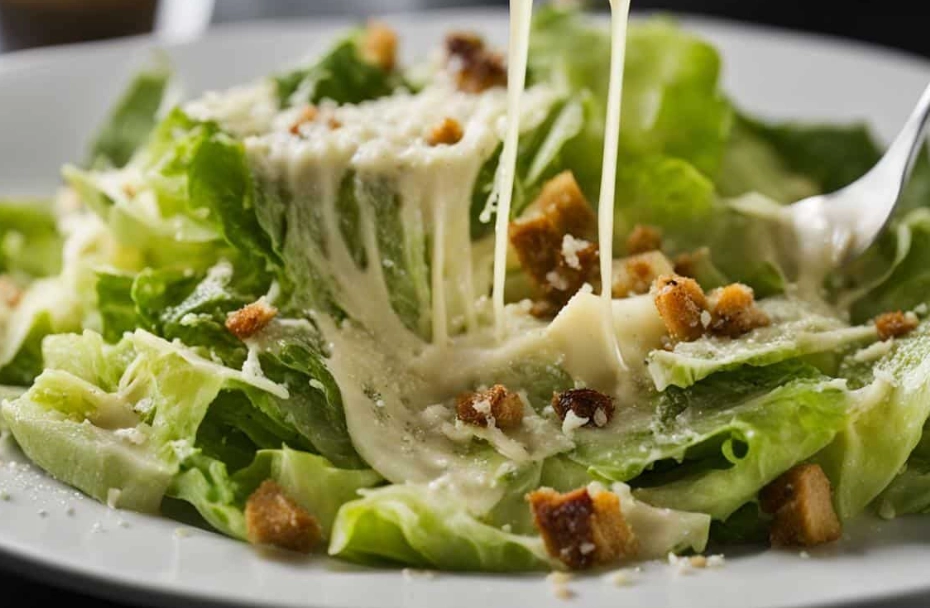
The Parmesan Cheese Surprise
Parmesan seems like a safe, protein-rich topping. And real Parmigiano-Reggiano is. It has less than 1g of carbs per ounce. The issue is with pre-grated "Parmesan" cheese sold in shaker cans or plastic tubs.
To prevent clumping, manufacturers add anti-caking agents like powdered cellulose (wood pulp) and potato starch or cornstarch. These additives can add 1-2 grams of carbs per serving. If your salad is dusted with this stuff, you're adding sneaky starches along with the cheese flavor.
How to Make a Truly Low-Carb Caesar Salad at Home
Now for the solution. You can absolutely enjoy a fantastic Caesar salad for under 10 grams of net carbs. It requires going back to basics and making smart swaps. Here’s a side-by-side comparison of the traditional vs. a mindful low-carb approach.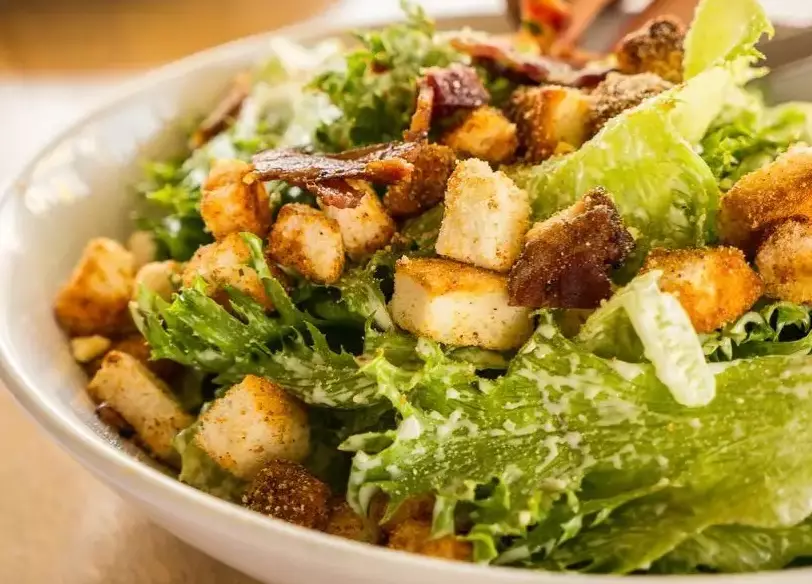
| Ingredient | Traditional Version (Carbs) | Low-Carb Swap (Carbs) | Why It Works |
|---|---|---|---|
| Dressing Base | Mayo + Sugar/Corn Syrup (3-4g per 2 tbsp) | Homemade with avocado oil mayo, egg yolk, lemon ( | Eliminates added sugars, uses healthy fats for creaminess. |
| Umami Flavor | Anchovy paste with starch (2-3g) | Mashed whole anchovy fillets (0g) | Pure flavor, no fillers. |
| Croutons | White bread croutons (20g per oz) | Parmesan crisps or roasted chickpeas (5-8g per oz) | Provides crunch with protein/fiber, not just starch. |
| Cheese | Pre-grated with starch (1-2g per serving) | Freshly grated Parmigiano-Reggiano ( | No anti-caking agents, superior flavor. |
| Estimated Total Carbs | 45-60 grams | 6-10 grams | A reduction of 80-85%. |
My Go-To Low-Carb Caesar Dressing Recipe
I make this weekly. It takes 5 minutes.
- 1 large egg yolk (or 2 tbsp store-bought mayo if concerned about raw egg)
- 2-3 whole anchovy fillets, mashed into a paste
- 1 small garlic clove, minced
- 1 tbsp fresh lemon juice
- 1 tsp Dijon mustard (check for no added sugar)
- ½ cup extra virgin olive oil or avocado oil
- Salt and black pepper to taste
Whisk everything except the oil together. Then, slowly drizzle in the oil while whisking vigorously until it emulsifies into a creamy, pale dressing. That's it. No sugar, no mystery starches. The carb count is negligible.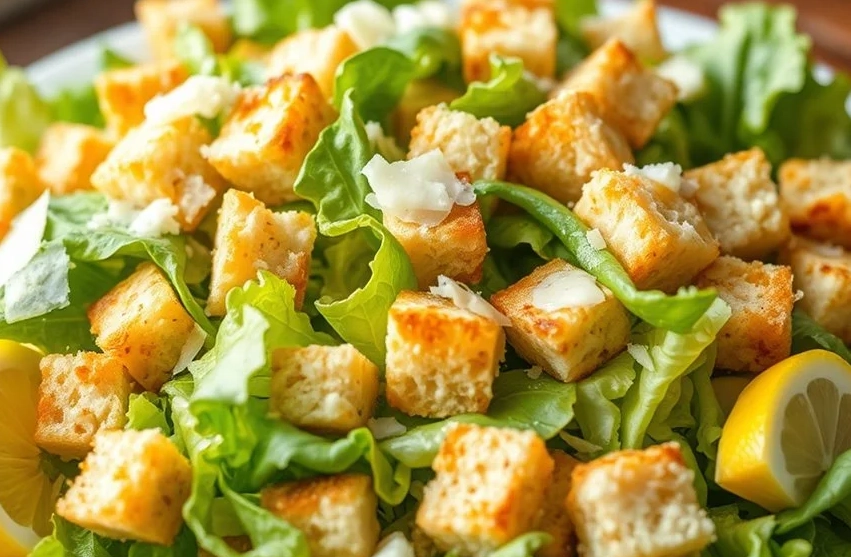
Crouton Alternatives That Actually Work
Skip the bread entirely. Try these:
Parmesan Crisps: Bake small piles of grated parmesan at 400°F until melted and golden. They harden into perfect, salty crackers. Zero carb worry from fillers.
Roasted & Salted Pepitas (Pumpkin Seeds): They offer a fantastic crunch, healthy fats, and about 3g net carbs per ¼ cup.
Crumbled Bacon: Not traditional, but adds smoky saltiness and crunch with almost no carbs.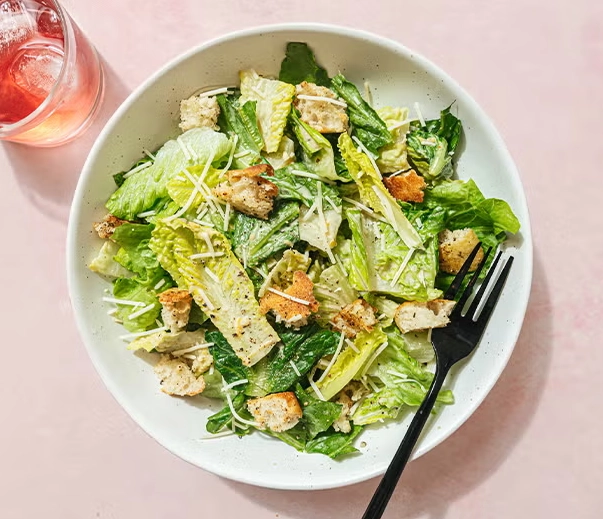
Navigating the Restaurant Caesar Salad Trap
Eating out is where your plan falls apart if you're not careful. Here’s my strategy, honed from many disappointing lunches.
First, I always ask questions. Is the dressing made in-house? Can I get it on the side? Most servers know, or can find out.
My standard order: "I'd love the Caesar salad, but could you please hold the croutons? And may I have the dressing on the side?" This gives me control. I can dip my fork into the dressing first, then spear the lettuce. You use about 75% less dressing this way.
Watch out for "grilled chicken Caesar" specials. The chicken is often marinated in a sugary teriyaki or honey-based glaze, adding another 5-10 hidden grams of carbs. Ask for plain grilled chicken.
Honestly, the safest bet at a chain restaurant is often to skip the Caesar altogether and build your own salad with oil and vinegar. The Caesar is almost always pre-mixed with a high-carb dressing.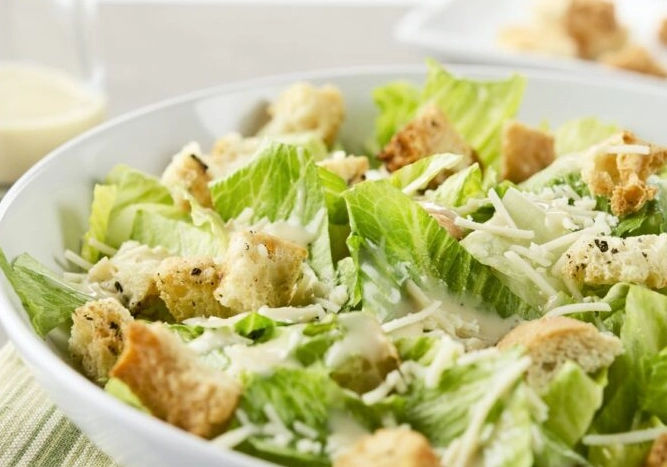
Your Caesar Salad Carb Questions Answered
The bottom line is simple: Caesar salad's bad carb reputation is earned by its common preparations, not its potential. By understanding where the carbohydrates hide—in the sweetened dressing, the bread-based croutons, and the pre-grated cheese additives—you regain control. You can choose to avoid them at restaurants or easily eliminate them in your own kitchen. A crisp, savory, satisfying Caesar salad doesn't need to be a carb bomb. It can be exactly what you originally wanted: a light, flavorful, and genuinely healthy choice.
For authoritative nutritional information on individual ingredients, resources like the USDA FoodData Central database are invaluable. Always consult with a healthcare provider or dietitian for personalized dietary advice, especially for conditions like diabetes.
Reader Comments