
You grab a bag of crisp, colorful bell peppers from the market, full of good intentions. They end up chopped into a salad, maybe tossed into a stir-fry, but it feels… repetitive. If you're searching for "bell pepper recipes Indian," you already know there's more to this vegetable. You're right. In Indian kitchens, bell peppers (we often call them capsicum) aren't just a supporting actor; they're the star of hearty curries, smoky dry dishes, and deeply satisfying stuffed mains. This guide isn't a list of generic recipes. It's a deep dive into how to transform those peppers sitting in your fridge into something spectacular, with techniques and insights you won't find on every other food blog.
Your Recipe Roadmap
Why Bell Peppers Work So Well in Indian Food
It's not an accident. Their thick flesh holds up to long, slow cooking without dissolving into mush, unlike tomatoes or spinach. This texture is key. When simmered in a curry, they soften but keep a pleasant bite, absorbing the spices around them. Their natural sweetness balances the heat from chilies and the tang from tomatoes perfectly. Think of them as a flavor sponge and a textural anchor.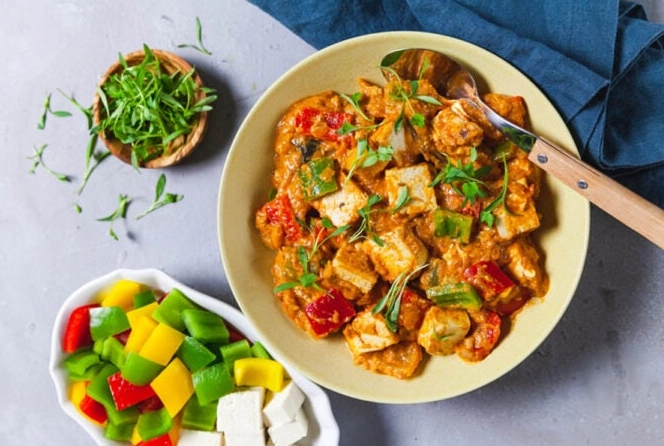
And let's talk color. A dish of green bell pepper curry has its own appeal, but throw in red and yellow peppers, and you eat with your eyes first. It turns a simple weeknight dinner into something that feels celebratory. Nutritionally, they're a powerhouse of Vitamin C and antioxidants, making these dishes as good for you as they are delicious—a point often highlighted by resources like the National Institutes of Health Office of Dietary Supplements on the benefits of Vitamin C.
Three Must-Try Bell Pepper Indian Recipes
Let's move from theory to practice. Here are three foundational recipes that showcase different cooking styles. I'm giving you the core framework, not just a list of ingredients.
1. The Weeknight Hero: Capsicum Masala (Dry Bell Pepper Stir-fry)
This is the 20-minute wonder. It's dry, spicy, and pairs perfectly with dal and rice. The goal is to get a slight char on the peppers without overcooking them into sogginess.
The Method: Heat oil, crackle mustard seeds and cumin. Add sliced onions and sauté until golden. Now, the crucial part: add your sliced bell peppers. Don't stir immediately. Let them sit for a minute to get a bit of color. Then toss in turmeric, red chili powder, coriander powder, and a pinch of salt. Stir-fry on medium-high heat for 6-8 minutes. Finish with a squeeze of lemon. The peppers should be tender-crisp, not soft.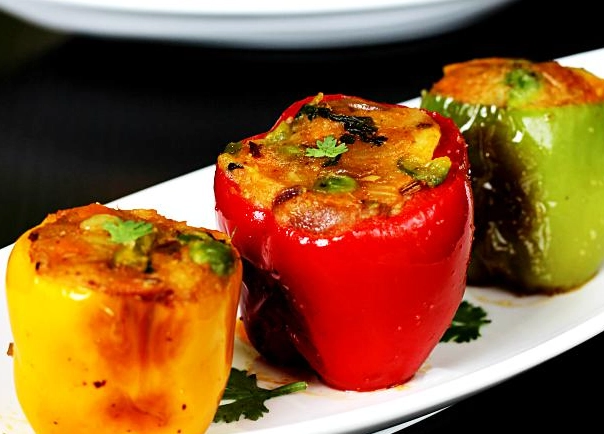
2. The Comfort Classic: Bell Pepper and Potato Curry (Shimla Mirch Aloo Sabzi)
This North Indian staple is homely and filling. The potatoes add starch that slightly thickens the gravy, creating a cohesive dish. The trick is getting both vegetables cooked perfectly without the potatoes turning to paste.
The Method: Start by par-cooking cubed potatoes. You can boil or microwave them until just fork-tender. In a separate pan, make a base of ginger-garlic paste, tomatoes, and the usual spice trio (turmeric, coriander, cumin). Once the oil separates, add the bell peppers and cook for 3-4 minutes. Then add the par-cooked potatoes, water, and salt. Simmer covered for 10 minutes until the peppers are soft and the gravy coats the back of a spoon. Garnish with fresh coriander.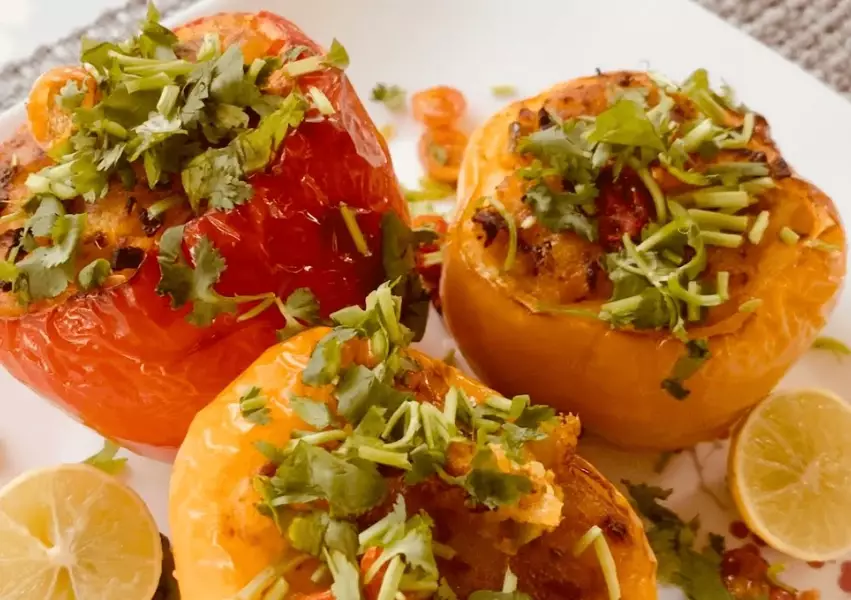
3. The Showstopper: Bharwa Shimla Mirch (Indian Stuffed Bell Peppers)
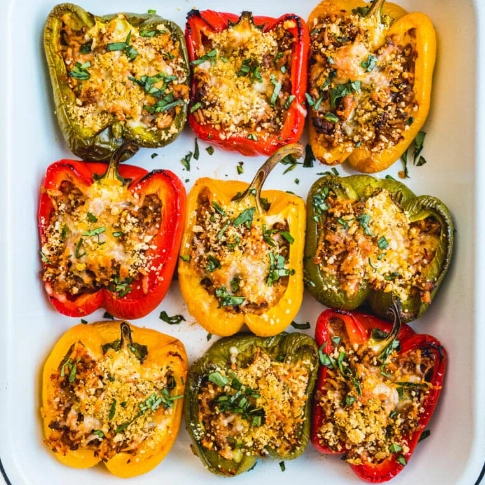
This is where bell peppers truly shine. Hollowed out and filled with a spiced potato mixture, then pan-fried or baked. The common mistake? A bland filling that doesn't contrast with the sweet pepper shell.
The Filling Secret: Don't just mash boiled potatoes with peas. Sauté finely chopped onions, ginger, and green chilies until deeply golden. Add mashed potatoes, roasted peanut powder (for crunch and nuttiness), garam masala, amchur (dry mango powder for tang), and fresh cilantro. This filling should be aggressively seasoned because the pepper itself is mild. Stuff generously into halved and seeded peppers. Pan-fry stuffed-side down first to get a gorgeous crust, then flip to cook the pepper skin.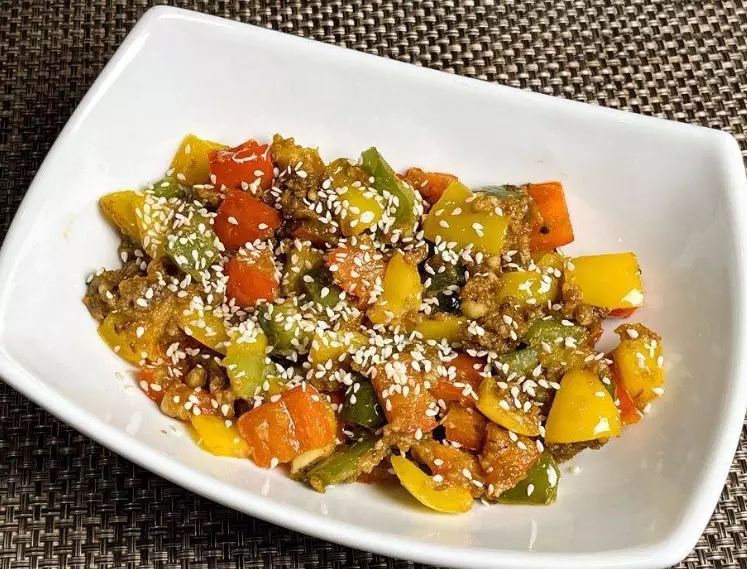
Expert Techniques & Common Pitfalls
After cooking these for years, here's what most beginner and intermediate cooks miss.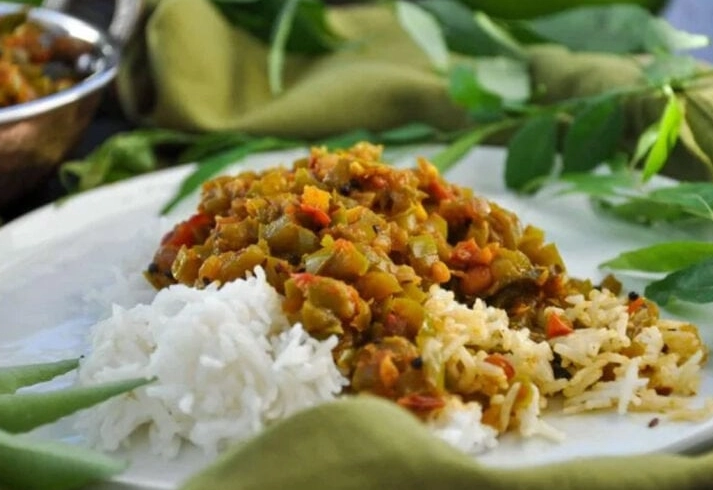
- The Soggy Pepper Syndrome: This happens when you add peppers to a wet curry base too early and then simmer for too long. For curries, add peppers midway through the cooking process, after your tomato-onion base is fully cooked. For dry dishes, ensure your pan is hot enough and don't overcrowd it. Moisture needs to escape.
- Color Choice Matters: Green peppers have a sharper, slightly bitter edge and hold their shape best. Red and yellow peppers are sweeter and will break down more, naturally thickening a curry. I often use a mix: green for structure, red for sweetness and color.
- Don't Underestimate the Seeds: That white pith and the seeds inside? For most Indian recipes, especially dry or stuffed ones, remove them thoroughly. They release water and can make the dish bitter. A sharp paring knife and a spoon make quick work of this.
- Spice Blooming is Non-Negotiable: This is my hill to die on. Your ground coriander and cumin powder? Don't just sprinkle them on vegetables. Let them cook in the hot oil for 30-45 seconds after you've sautéed your onions/ginger. You'll see the color darken slightly and the aroma become rich and rounded, not dusty. This step alone can elevate your dish from good to restaurant-level.
Your Bell Pepper Cooking Questions Answered
Can I use frozen bell peppers in Indian curries?
You can, but manage your expectations. Frozen peppers are already blanched, so they're much softer. They'll work in a wet curry where texture is less critical, but avoid them for dry dishes like Capsicum Masala or stuffing—they'll turn to mush. Thaw and pat them dry thoroughly to remove excess water, or you'll dilute your spices.
My bell pepper curry always tastes a bit flat, even with plenty of spices. What am I missing?
Acidity and salt. Bell peppers are sweet. You need an opposing flavor to make the spices pop. If your recipe uses tomato, ensure you cook it down until the oil separates. If it's a yogurt-based curry, use full-fat yogurt at room temperature to prevent splitting. A finishing touch of amchur (dry mango powder) or a small squeeze of lemon juice just before serving is the secret weapon. Also, taste and adjust salt at the end—salt enhances all other flavors.
What's the best way to get that smoky "dhaba-style" flavor in a bell pepper dish at home?
The classic restaurant technique is "dhungar," where you place a hot piece of charcoal in a small metal bowl inside the cooked curry, drizzle oil on it, and cover instantly. At home, a simpler hack is to heat a tablespoon of oil until nearly smoking in a small tempering ladle. Carefully pour this sizzling oil over the finished dish just before serving. It gives a burst of smoky aroma. For bell pepper dishes, adding a tiny pinch of smoked paprika to your spice mix can also hint at that flavor.
How do I store and reheat leftover bell pepper curry without it getting watery?
Let the curry cool completely before refrigerating in an airtight container. The peppers will continue to release water as they sit. When reheating, do it gently on the stovetop, uncovered. Let the excess water simmer off until the gravy returns to its original consistency. Microwaving tends to steam the vegetables further, making them soggy and watering down the sauce.
The journey with bell peppers in Indian cooking is about respecting their structure and leveraging their sweetness. They're not just a colorful add-in; they're a versatile canvas. Start with the dry stir-fry on a busy Tuesday, embrace the comfort of the potato curry on a rainy day, and wow your guests with stuffed peppers on the weekend. Each dish teaches you a different skill—high-heat sautéing, building a gravy, and balancing a complex filling. So next time you see those peppers, see potential. See curry.
Reader Comments