You see them every week at the grocery store: the green bell peppers piled high, often at a lower price, right next to the smaller displays of vibrant red, yellow, and orange ones. Most of us just grab the color we need for a recipe. But have you ever stopped to think about what that color actually means? It's not just a different variety—it's a story of time, sunlight, and sugar. That green pepper is simply a red, yellow, or orange pepper that hasn't finished its journey. Understanding bell pepper ripening stages unlocks better flavor, smarter shopping, and more success in your garden.
I learned this the hard way years ago. I planted what I thought were "green bell pepper" seeds, expecting a harvest of classic green peppers. When the first one started turning a deep, chocolatey brown, I panicked, thinking it was rot. I picked it and threw it away. It was only later I realized it was a 'Purple Beauty' pepper starting its ripening process. I'd wasted a perfectly good, and frankly, expensive pepper. That mistake taught me to look beyond the basic green stage.
What You'll Learn in This Guide
The Science Behind the Color Change
Let's strip away the mystery. A bell pepper's color shift is a brilliant piece of plant biochemistry. When the fruit is young and growing, it's packed with chlorophyll—the same green pigment that powers photosynthesis in the leaves. This stage is all about building structure and size.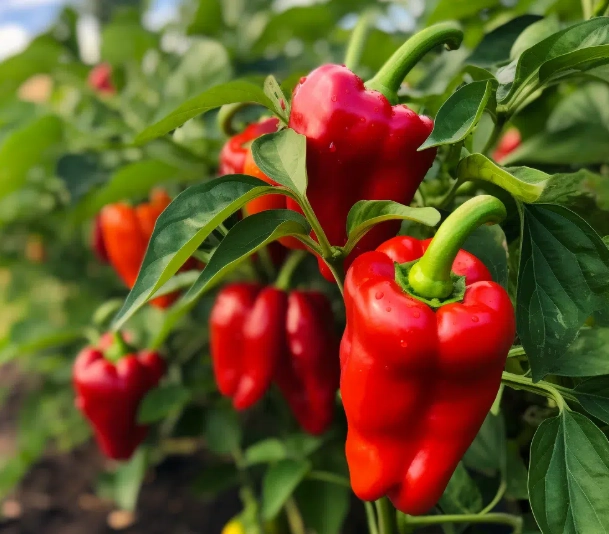
As the pepper reaches its full size, the ripening signal kicks in. The plant begins to break down the chlorophyll. As the green veil lifts, other pigments that were there all along, but masked, become visible. These are carotenoids.
Carotenoids 101: These are fat-soluble pigments responsible for yellow, orange, and red hues. Beta-carotene (orange) is famous in carrots. Lycopene (red) is what gives tomatoes and watermelons their color. In peppers, the specific mix of carotenoids determines the final color. A red pepper produces lots of capsanthin and capsorubin. A yellow pepper has different carotenoids like violaxanthin. The genetics of the seed decide which pigments will dominate.
This process isn't just about looks. It's a flavor revolution. The breakdown of chlorophyll coincides with a conversion of starches into sugars. A ripe red pepper can have up to twice the sugar content of a green pepper from the same plant. The vitamin content skyrockets too, particularly Vitamin C and Vitamin A (from those carotenoids).
The trigger for all this? A gaseous plant hormone called ethylene. The pepper produces it internally as a self-ripening signal. This is the key to ripening peppers after you pick them.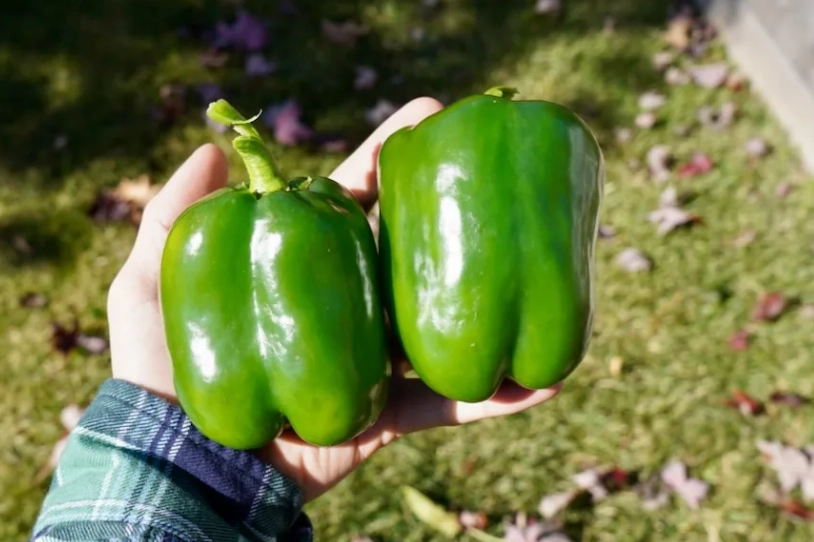
A Stage-by-Stage Guide to Bell Pepper Ripening
Think of ripening not as a switch, but a spectrum. Here’s what to expect at each point on the journey. This table breaks down the practical details you care about.
| Ripening Stage | Color & Appearance | Flavor & Texture Profile | Best Uses |
|---|---|---|---|
| Immature Green | Vibrant, solid green. Firm, thick walls. | Crisp, grassy, slightly bitter or peppery. Lowest sugar. | Stir-fries, fajitas, stuffed peppers (holds shape well), pickling. |
| Mature Green | Deeper, darker green. Full size, glossy sheen. | Less bitter, more vegetal flavor. Still very crisp. | The workhorse stage. Perfect for any cooked application where you want a fresh pepper flavor. |
| Color Turn (Breaker) | 10-30% color change (streaks of yellow, red, or orange). | Bitterness fading, initial sweetness detectable. Texture softening slightly. | You can pick at this stage! It will continue to ripen off-vine. Good for recipes where a hint of sweetness is welcome. |
| Full Color (Ripe) | 100% vibrant red, yellow, orange, or specialty color (purple/brown). | Peak sweetness, rich flavor, thinner walls, softer texture. | Eating raw (salads, crudités), roasting, grilling, blending into sauces, soups. |
That "specialty color" note is important. Purple or lavender peppers, like the 'Purple Beauty' I mistakenly discarded, get their color from anthocyanins (the same pigments in blueberries). Here's the quirky part: they're often green on the inside, and the purple color can fade to a dark green or brown when cooked. Their flavor is usually more like a green pepper—less sweet, more vegetal.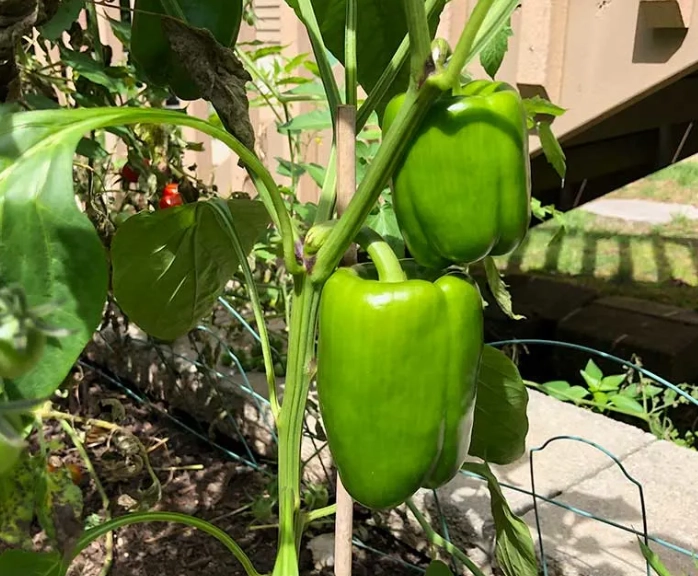
A common mistake is assuming all green peppers are just unripe colored peppers. While that's true for most, there are a few cultivars bred to stay green at maturity, but they're the exception, not the rule in your average supermarket.
How to Ripen Bell Peppers Off the Vine
So you've got a basket of mature green peppers from your garden, or you bought a great bulk deal. Can you turn them red? Yes, but with a few caveats.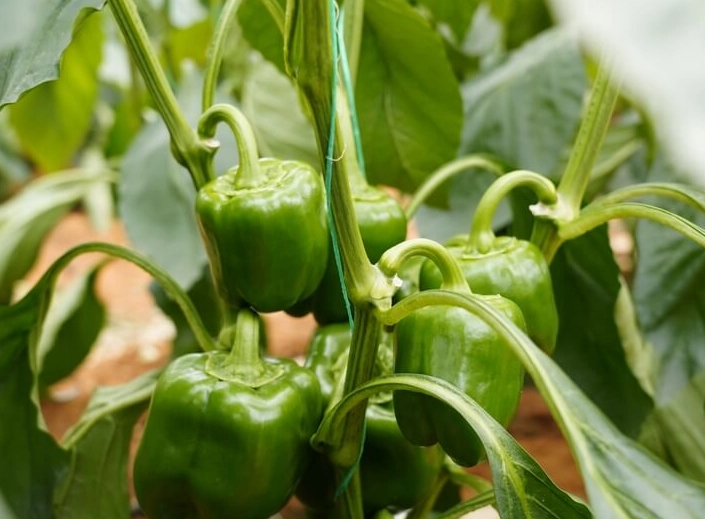
First, the pepper must be biologically mature. A small, underdeveloped green pepper won't have the internal resources to complete the process. Look for peppers that have reached their full size and have a glossy, deep green color.
The magic tool is ethylene gas. Here’s your action plan:
- Find a ripe ally: Grab a banana, apple, or even a ripe tomato. These fruits emit significant ethylene.
- Bag it up: Place your mature green peppers and the ethylene-producing fruit in a paper bag. Paper is crucial—it traps the gas but allows moisture to escape, preventing mold. Do not use plastic.
- Fold and wait: Fold the top of the bag closed. Store it at room temperature, away from direct sun.
- Check daily: Peppers should start showing color within 3-5 days. Full ripening can take up to two weeks. Remove any that show signs of soft spots or decay.
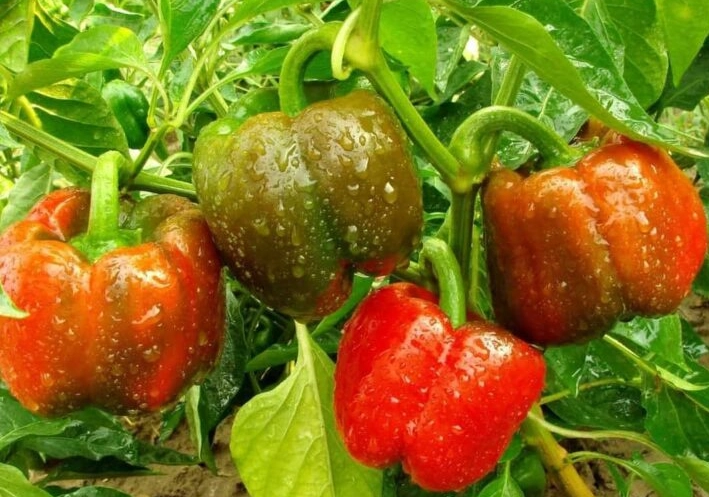
Gardeners, take note: As frost threatens in the fall, harvest all your mature green peppers. Sort them. Use the best-looking ones for indoor ripening. The ones with blemishes? Chop and freeze them for winter stews. Don't leave them to rot on the vine.
Will an off-vine ripened pepper taste as good as one ripened in the sun? Almost. The sugar content increases, but some argue sun-ripened peppers develop a more complex flavor profile. In a blind taste test, most home cooks wouldn't notice a dramatic difference, especially once cooked.
Cooking with Different Ripening Stages
This is where knowledge becomes power in the kitchen. Choosing the right stage is like choosing the right wine for a meal.
Green Peppers (Mature): Their sturdiness and slight bitterness are assets. They stand up to long cooking. I always use green peppers in a classic shakshuka or a Cajun trinity for gumbo—they provide a foundational flavor that doesn't get lost. They're also my go-to for stuffed peppers because their walls don't collapse as easily.
Red Peppers: The sweetest. Their flavor is almost fruity. This makes them incredible for roasting and peeling. The sugars caramelize beautifully. I puree roasted red peppers into soups, Romesco sauce, or hummus. They're also the best for eating raw in a salad where you want a burst of sweetness.
Yellow & Orange Peppers: Think of these as the middle children—sweet, but often with a brighter, fruitier, almost lemony note compared to the deeper red. They are fantastic in summer slaws, stir-fries where you want color retention, and kebabs. Their color makes any dish visually pop.
Here's a pro tip most recipes won't tell you: For the most complex flavor in a cooked dish, use a mix. Sauté one green and one red pepper for your fajitas. The green provides structure and a vegetal base, the red adds pops of sweetness. It creates a much more interesting flavor landscape than using two of the same color.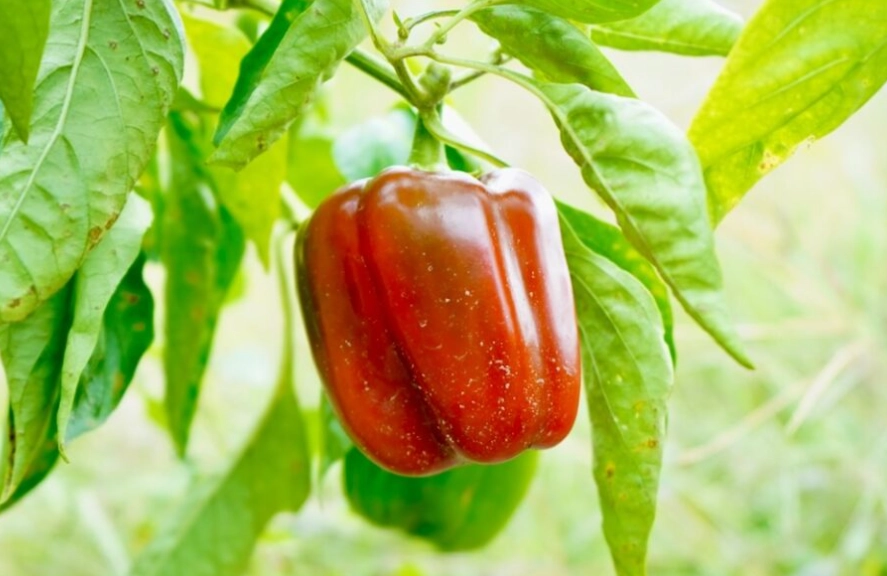
Storage for Each Stage
How you store them impacts how long they last and whether they continue to ripen.
- Green Peppers (want to keep green): Store in the high-humidity drawer of your fridge. They can last 1-2 weeks.
- Green Peppers (want to ripen): Leave at room temperature, or use the paper bag method described above.
- Ripe Colored Peppers: They are more perishable. Store them in the fridge, ideally not stacked, and use within 5-7 days. Their thinner walls make them more prone to softening.
Never wash peppers before storing. The added moisture invites decay. Wash them right before you use them.
Your Bell Pepper Ripening Questions Answered
Let's tackle the specific questions that pop up when you're staring at a pepper plant or a supermarket display.
Understanding bell pepper ripening stages transforms them from a simple ingredient into a versatile tool. You stop buying just a "red pepper" and start choosing a "ripe, sweet pepper for my salad" or a "sturdy green pepper for my stir-fry." You rescue green peppers from the fall garden and turn them into sweet, home-ripened treasures. It’s a small piece of knowledge that makes cooking smarter, gardening more rewarding, and eating a lot more interesting.
Reader Comments