Quick Guide
- Why Your Apple Choice Makes or Breaks the Bake
- The Top Tier: Your Go-To Baking Champions
- The Baking Apple Roster: A Detailed Breakdown
- The Secret Weapon: Why Blending Apples is a Game-Changer
- The Apples to Avoid (Or Use Very Carefully)
- Beyond the Pie: Choosing Apples for Specific Bakes
- Your Burning Questions, Answered
- Putting It All Together: A Simple Action Plan
Let's be honest. We've all been there. You get a craving for a homemade apple pie, rush to the grocery store, grab a bag of whatever apples are on sale, and spend the next few hours peeling, slicing, and baking. Only to pull out a pie that's... a soggy, mushy, or weirdly watery mess. The apples have vanished into a bland, tan paste. The crust is soggy on the bottom. It tastes fine, maybe, but it's not the glorious, sliceable, flavor-packed masterpiece you pictured.
That, my friend, is almost always a problem of choosing the wrong apple. Not all apples are created equal, especially when heat is involved. The question of what apples are good for baking isn't just about taste—it's a science of texture, moisture, and how fruit behaves under fire.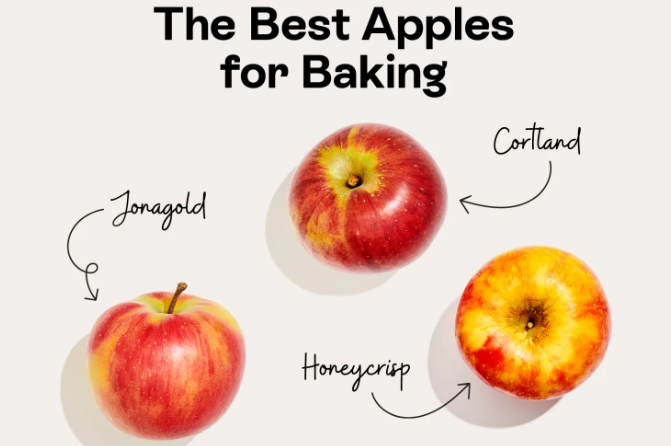
I learned this the hard way with a famously beautiful but terrible baking apple. More on that disaster later.
The Core Idea: The best baking apples hold their shape, offer a balance of sweet and tart, and release just enough juice to create a sauce without turning your dessert into soup. Choosing the right one is the single biggest factor between a good bake and a great one.
Why Your Apple Choice Makes or Breaks the Bake
Think of an apple's flesh like a network of tiny cells filled with juice and pectin. When you heat it, those cell walls break down. What happens next depends on the apple's structure.
Some apples, like McIntosh, have very tender cell walls. They break down almost instantly, turning into applesauce. Great for sauce, terrible for a pie where you want distinct slices. Other apples, like Granny Smith, have much firmer, more resilient cells. They soften nicely but keep their form, giving you that classic pie slice structure.
Then there's flavor. Baking concentrates flavors. A mildly sweet apple can become bland when baked. A very tart apple can mellow into perfect complexity. You're looking for apples with enough acid and flavor compounds to survive the oven and come out singing.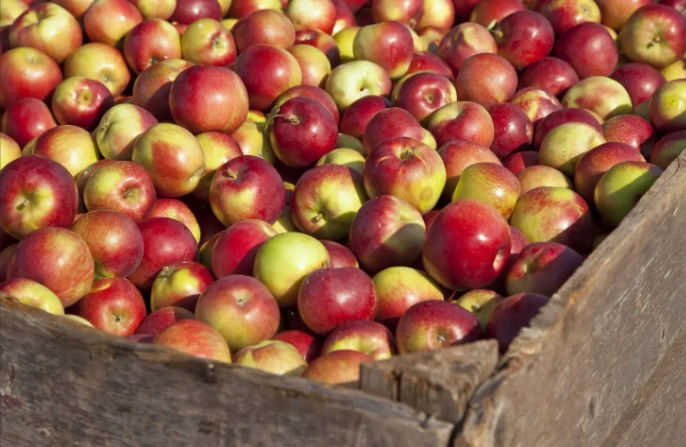
And moisture content? A super juicy apple can flood your pie, leading to a soggy bottom crust (the baker's nemesis). A drier apple might need a little extra liquid in the filling.
So, when you're figuring out what apples are good for baking, you're really asking: which apples have the structural integrity and flavor profile to transform beautifully in the oven?
The Top Tier: Your Go-To Baking Champions
These are the workhorses, the reliable stars you can find in most supermarkets. If you see these, grab them for baking without a second thought.
Granny Smith: The Tart Titan
This is the classic for a reason. Its bright green skin and punchy tartness are instantly recognizable. Granny Smith is almost foolproof for baking.
Why it bakes so well: Incredibly firm flesh that holds its shape like a champion. It softens but rarely collapses. The high acidity cuts through sweet fillings and rich pastry, preventing cloying sweetness. It's like the structural beam of your pie.
Best for: Apple pie (especially if you like a tangy kick), apple crisps, tarts, and any application where you want clean, defined slices. It's also a fantastic mixer with sweeter apples.
My take: Sometimes, I find a Granny Smith-only pie can be a bit one-note in its tartness. It needs a friend. Which leads us to...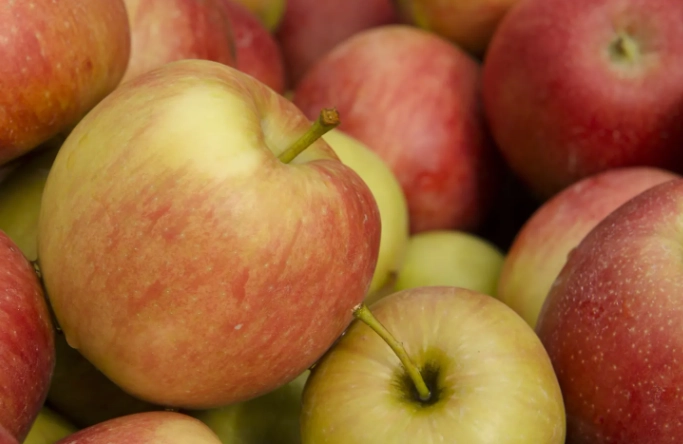
Honeycrisp: The Sweet Crowd-Pleaser
Honeycrisp is the apple that took the world by storm. Crisp, juicy, and explosively sweet with just a hint of tartness. It's fantastic for eating, and guess what? It's also stellar for baking.
Why it bakes so well: It has a remarkable, crunchy firmness that translates well to the oven. It holds its shape beautifully. The flavor is complex and sweet, baking into a rich, honeyed taste. The juiciness is high, so it creates a lovely, saucy filling.
Best for: Apple pies, crisps, cobblers, and baked apples. Its natural sweetness often means you can reduce the sugar in your recipe a bit.
I use Honeycrisp a lot. But a word of warning—they can be pricy. If they're on sale, I stock up for baking. If not, I might mix one or two into a blend with more economical apples to boost the flavor.
Braeburn: The Perfect Balance
If Granny Smith and Honeycrisp had a baby, it might be Braeburn. It strikes a nearly perfect equilibrium between sweet and tart, with a firm, crisp texture.
Why it bakes so well: Excellent shape-holder. It has a spicy-sweet flavor that intensifies wonderfully when baked. It releases a moderate amount of juice, so you get sauciness without sogginess. It's a less tart alternative to Granny Smith that still has great structure.
Best for: An all-purpose baking apple. Fantastic in pies, tarts, muffins, and cakes. It's my personal favorite for a single-variety pie because the flavor balance is just so good.
What about Jonagold? Or Pink Lady? Let's get into the wider roster.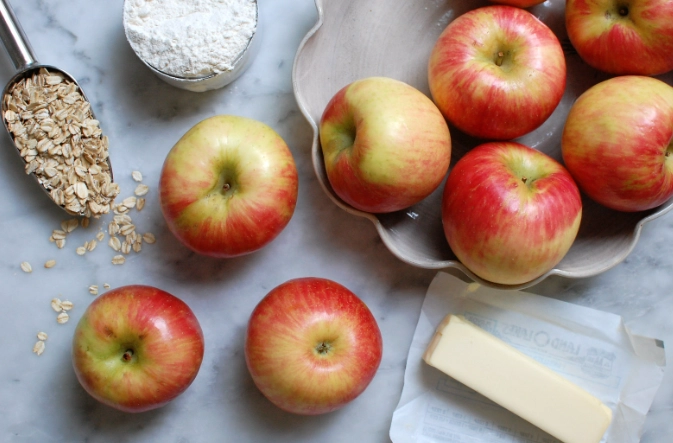
The Baking Apple Roster: A Detailed Breakdown
Here’s a table comparing the key contenders. This should be your cheat sheet next time you're at the market wondering what apples are good for baking your specific dessert.
| Apple Variety | Flavor Profile | Texture When Baked | Best Used For | Availability |
|---|---|---|---|---|
| Granny Smith | Very tart, sharp | Firm, holds shape excellently | Pies (esp. for tartness), crisps, mixing | Year-round, very common |
| Honeycrisp | Very sweet, mildly tart | Firm, holds shape well, very juicy | Pies, crisps, eating, all-purpose | Fall/Winter, common (but often $) |
| Braeburn | Balanced sweet/tart, spicy notes | Firm, holds shape excellently | All-purpose baking, especially pies | Fall/Winter, common |
| Jonagold (Jonathan + Golden Delicious) | Sweet-tart, honeyed | Tender but holds decent shape | Pies, sauces, baking where some breakdown is okay | Fall, fairly common |
| Pink Lady (Cripps Pink) | Tangy-sweet, crisp | Firm, holds shape very well | Pies, tarts, baked apples | Late Fall/Winter, common |
| Northern Spy | Tangy, aromatic | Firm, legendary shape-holder | The ultimate pie apple (if you can find it) | Fall, regional/heirloom, less common |
| Rome | Mildly sweet, mellow | Softens considerably, good for sauce | Apple sauce, butter, recipes where soft texture is desired | Fall, common |
| Golden Delicious | Sweet, very mild | Softens but retains some form | Mixing with tarter apples, crisps | Year-round, very common |
See that last entry? Golden Delicious is a bit of a divider. It's sweet and pleasant, but I find it too mild and soft to carry a pie on its own. It needs a tart, firmer partner. Which is a perfect segue...
The Secret Weapon: Why Blending Apples is a Game-Changer
If you take one thing from this guide, let it be this: blend your apples. Seriously. Using two or even three different types is the single biggest upgrade you can make to your baked desserts.
Why does a blend work so well?
- Complex Flavor: You get layers—initial sweetness, a tart finish, maybe some spicy or honeyed notes. It's more interesting.
- Perfect Texture: Mix a firm holder (Granny Smith) with a juicier, saucier apple (like Jonagold or even a McIntosh). You get defined slices suspended in a flavorful, thickened juice, not a dry block or a soupy mess.
- Balance: Tames the extreme tartness of one apple or the cloying sweetness of another.
My favorite go-to blends:
The Classic Pie Blend: 2 parts Granny Smith (for structure and tartness) + 1 part Honeycrisp or Braeburn (for sweetness and complexity). This is a winner.
The Crowd-Pleaser Blend: Equal parts Honeycrisp, Braeburn, and Pink Lady. Sweet, tart, firm, and absolutely delicious.
The Heirloom Mix: If you're at a farmer's market, grab a few each of any firm, tart heirloom varieties you see. Mix them all together. The flavor will be incredible and unique.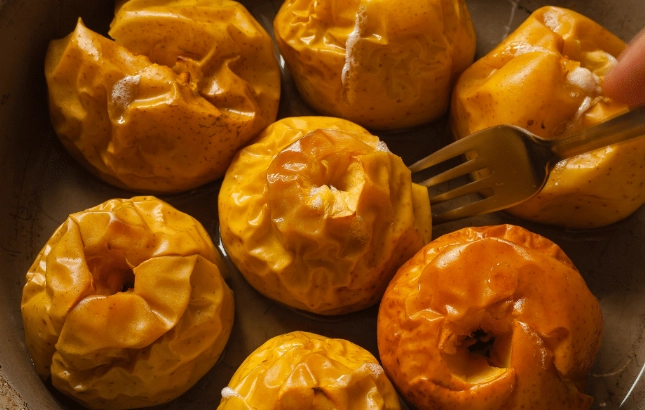
Pro Tip: When blending, aim for at least one apple known as a great shape-holder (from the "Firm" column in the table). Let the others contribute juiciness and flavor.
The Apples to Avoid (Or Use Very Carefully)
Now for the cautionary tales. Some apples are just not friends with the oven for certain applications.
Red Delicious: The Pretty Trap
This is the apple of my earlier disaster. Red Delicious is beautiful—deep red, classic shape. It's also, in my opinion, one of the worst apples you can bake with for a pie. Its flesh is mealy and soft. When baked, it turns into a grainy, flavorless, pinkish mush that offers zero structural support. It just vanishes. I made a pie with them once, thinking "how bad could it be?" It was bad. A structural collapse of a dessert.
Verdict: Avoid for pies, crisps, tarts. Its only potential baking use is maybe in applesauce where texture doesn't matter, but even there, its flavor is weak.
McIntosh: The Sauce Specialist
Don't get me wrong—I love a Mac. They're tender, juicy, and aromatic. But that tenderness is their baking downfall. They cook down incredibly fast into a smooth sauce. If you put them in a pie, they'll disintegrate completely, potentially making the filling watery.
Verdict: Not for pies where you want slices. Excellent for applesauce, apple butter, or maybe as a small portion of a blend to add juiciness and aroma. The University of Minnesota Extension notes McIntosh's tendency to become "meal-y" when cooked, which is accurate.
Gala & Fuji: The Eating Apples
These are super sweet, crisp, and great for lunchboxes. For baking, they're... okay, but not great. They tend to be on the sweeter, milder side and can become a bit bland when baked. Their texture is good but not as robust as a Braeburn or Pink Lady. They won't ruin a bake, but they won't elevate it to greatness either. If they're all you have, use them, but maybe add an extra squeeze of lemon juice for acidity.
Beyond the Pie: Choosing Apples for Specific Bakes
So you're not making a pie? The best apple changes with the dessert.
For Apple Crisp or Crumble: You can be a bit more flexible! Since there's no bottom crust to get soggy, you can use juicier apples. I love a mix of Honeycrisp (for sweetness and juice) and Granny Smith (for tartness and structure). The juices bubble up and thicken with the topping—it's glorious.
For Apple Cake or Muffins: Here, you often want the apple pieces to soften and almost melt into the batter, providing moisture. A slightly softer apple like a Jonathan or Cortland works beautifully. They become tender pockets of flavor.
For Baked Apples (the whole stuffed ones): You need an apple that holds its shape perfectly and doesn't explode. Firm, large apples are key. Rome Beauty is actually traditionally used for this, despite being softer for pies. Its round shape and thick skin work well. Granny Smith or Braeburn are also excellent choices.
For Applesauce or Apple Butter: This is where your "bad" baking apples shine! Use McIntosh, Red Delicious (if you must), Cortland, or Empire. They break down easily, require less cooking time, and yield a smooth texture. A blend of sweet and tart varieties makes the best sauce.
Your Burning Questions, Answered
Most bakers and chefs lean towards apples with a good amount of acidity or tartness. Why? Because sugar is easy to add; you can't easily add tartness. A tart apple like Granny Smith mellows during baking but retains a pleasing sharpness that balances the sugar and butter in the crust and filling. A very sweet apple can taste flat or one-dimensional. That's why blending a tart apple with a sweet one is the ultimate strategy.
You can, but check its texture. If it's super crisp and firm when you bite into it raw (like Honeycrisp or Pink Lady), it will likely bake well. If it's tender or mealy (like Red Delicious or a soft Gala), it will likely turn to mush. The line between "eating" and "baking" apples is blurry—many great baking apples are also fantastic for eating (Honeycrisp, Braeburn).
Keep them cold! Apples ripen and soften much faster at room temperature. Store them in the crisper drawer of your refrigerator. According to the US Apple Association, refrigeration can keep apples fresh and crisp for weeks, sometimes months, depending on the variety. For baking, you want that crispness. Don't wash them until you're ready to use them, and keep them away from strong-smelling foods (they can absorb odors).
This is a personal preference. Peels add fiber, nutrients, color, and a slight texture. In a pie, I always peel. I find the texture of cooked peel in the soft filling a bit unpleasant. For a rustic crisp or crumble, I sometimes leave the peels on for ease and extra nutrition. If you leave them on, just give the apples a good scrub first.
Putting It All Together: A Simple Action Plan
- First Choice: Look for Granny Smith, Braeburn, or Honeycrisp. You can't go wrong.
- Best Practice: Buy 2-3 different kinds from the "Top Tier" or "Roster" table and mix them.
- Feel It: The apple should feel firm and heavy for its size, with no major bruises or soft spots.
- When in Doubt: Ask! At a farmer's market, ask the grower, "Will this hold its shape in a pie?" They know their apples best.
- Remember the Rule: Firm and tart = generally a safe bet for structured bakes. Soft and sweet = better for sauces or as a blend component.
Figuring out what apples are good for baking is the first, most crucial step to desserts that actually wow people. It turns baking from a guessing game into a sure thing. It's the difference between a pie that's just okay and one that gets people asking for the recipe. And honestly, after you taste a pie made with a great blend of firm, flavorful apples, you'll never go back to that bag of mystery fruit again.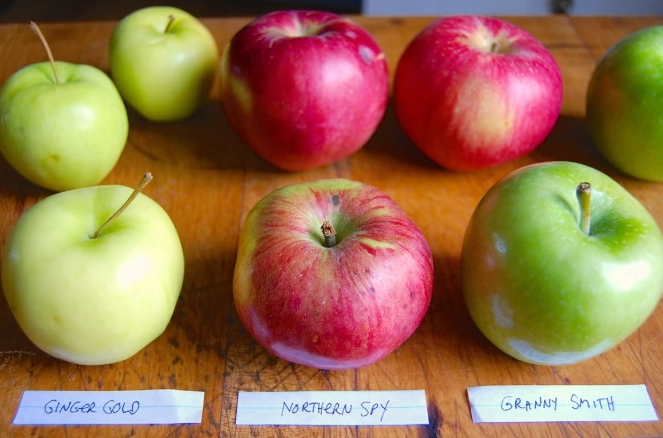
Now go preheat that oven.
Reader Comments