Jump to What Matters
Let's cut to the chase: the best apples for apple pie are firm, tart, and hold their shape when baked. Think Granny Smith, Honeycrisp, or Braeburn. But it's not just about picking one—mixing varieties can elevate your pie from good to unforgettable. I've baked hundreds of pies over the years, and the apple choice is where most home bakers slip up. Get this right, and you're halfway to a perfect dessert.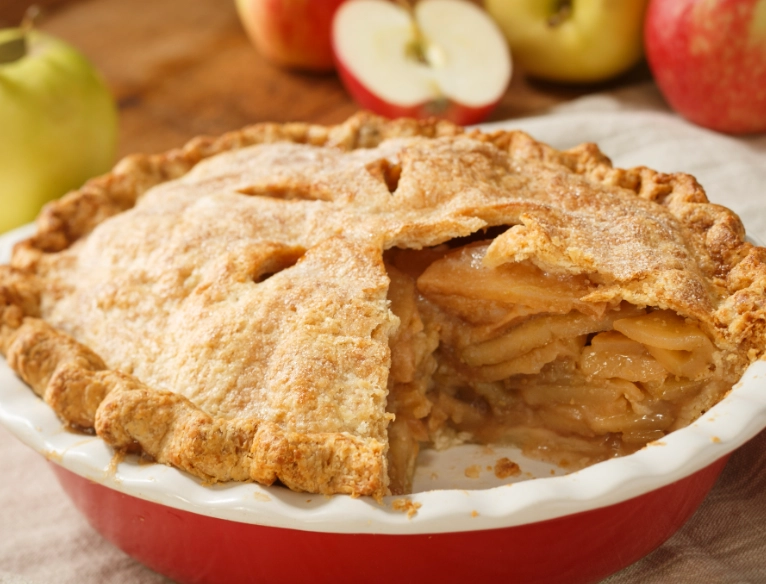
Why Apple Choice Makes or Breaks Your Pie
Apples aren't just filler; they're the star. Texture, flavor, and moisture content determine whether your pie has a flaky crust or a soggy mess. Firm apples like Granny Smith release less juice, so the crust stays crisp. Softer apples like McIntosh can turn mushy if not handled right. Acidity balances sweetness—too sweet, and the pie tastes flat. Too tart, and it might pucker mouths. It's a dance between structure and taste.
I learned this the hard way. My first apple pie used only Red Delicious because they were on sale. Big mistake. The filling was watery, the crust soggy, and the flavor bland. After that, I started experimenting with different varieties, noting how each behaved in the oven. The difference is night and day.
Top Apple Varieties for Apple Pie: A Detailed Breakdown
Here's a rundown of apples that excel in pies. I've included common ones you'll find in stores and some gems from local orchards.
| Apple Variety | Texture | Flavor Profile | Best For | Where to Find |
|---|---|---|---|---|
| Granny Smith | Very firm, crisp | Tart, sharp | Holding shape, adding acidity | Widely available year-round |
| Honeycrisp | Firm, juicy | Sweet-tart balance | Flavor complexity, minimal mush | Fall season, supermarkets |
| Braeburn | Firm, dense | Spicy-sweet | Baking whole or sliced | Fall to winter, specialty stores |
| Jonagold | Medium firm | Sweet with mild tartness | Mixing with tarter apples | Orchards in autumn |
| Cortland | Soft, tender | Mild, slightly tart | Quick-baking pies | Northeastern U.S. orchards |
Granny Smith is my go-to for reliability. It's tart, firm, and widely available. But don't rely on it alone—mixing with Honeycrisp adds sweetness without sacrificing texture. Braeburn is underrated; its spicy notes shine in pies with cinnamon. For a deeper dive, consider apples like Winesap or Northern Spy. They're harder to find but worth the hunt. I sourced Winesap from a farm in Virginia last fall, and the pie had a unique, wine-like depth that guests raved about.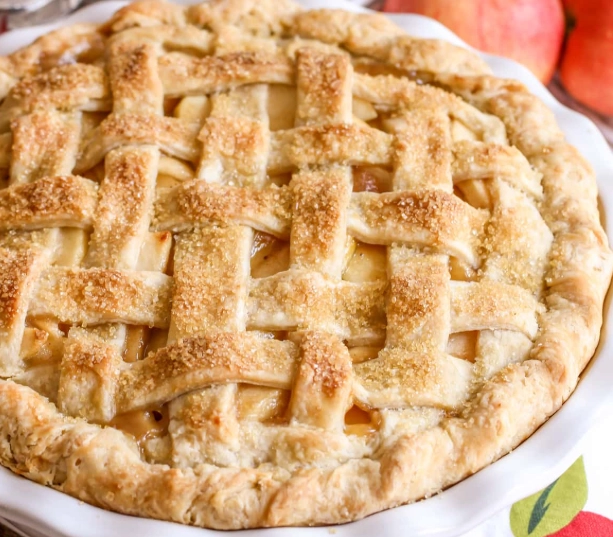
Why Mixing Apples Works Better
Using a single apple type can lead to monotony. A blend of firm and soft varieties creates layers of texture and flavor. For example, combine Granny Smith (tart and firm) with Jonagold (sweet and softer). The firm apples provide structure, while the softer ones break down slightly to bind the filling. Aim for a 2:1 ratio of firm to soft apples. This trick prevents a dry or overly wet filling.
How to Select Apples for Your Pie: Practical Tips
Choosing apples isn't just about variety; it's about freshness and seasonality. Here's a step-by-step approach.
First, check the firmness. Press the apple gently—it should feel solid, not soft or mushy. Avoid apples with bruises or wrinkles; they're past their prime. For pie, slightly underripe apples work better than overripe ones because they hold shape.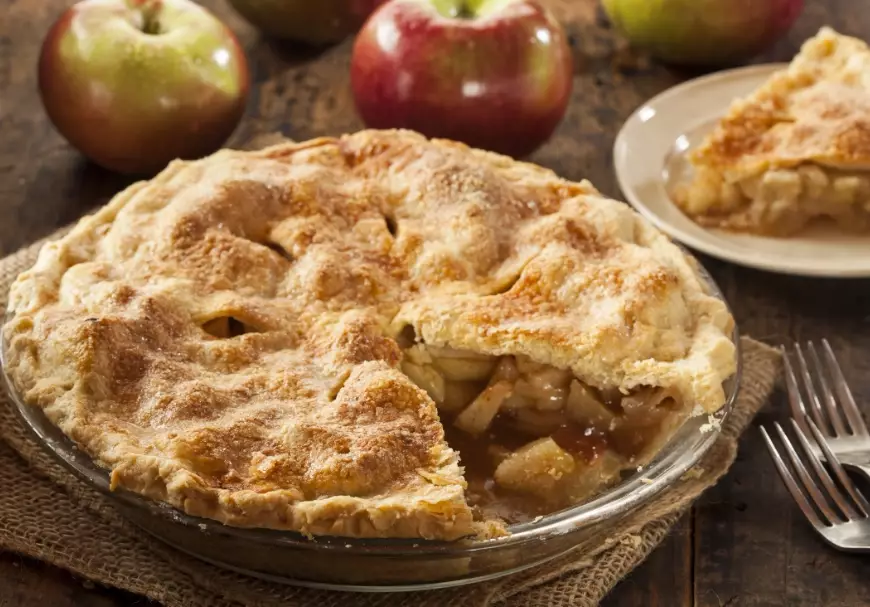
Season matters. Apples peak in fall, so that's when you'll find the best selection. In spring or summer, Granny Smith and Braeburn are often still good because they store well. I once bought Gala apples in summer for a pie, and they turned to mush—lesson learned. Stick to firmer varieties off-season.
Price varies. Common apples like Granny Smith cost around $2-3 per pound, while specialty ones like Honeycrisp can be $4-5. For a budget-friendly pie, mix Granny Smith with cheaper Cortland apples. You don't need to break the bank.
Storage tip: Keep apples in a cool, dark place until ready to use. Refrigeration can extend freshness, but bring them to room temperature before baking for even cooking.
Common Mistakes to Avoid (From My Kitchen Disasters)
We all make errors, but here are pitfalls I've seen repeatedly.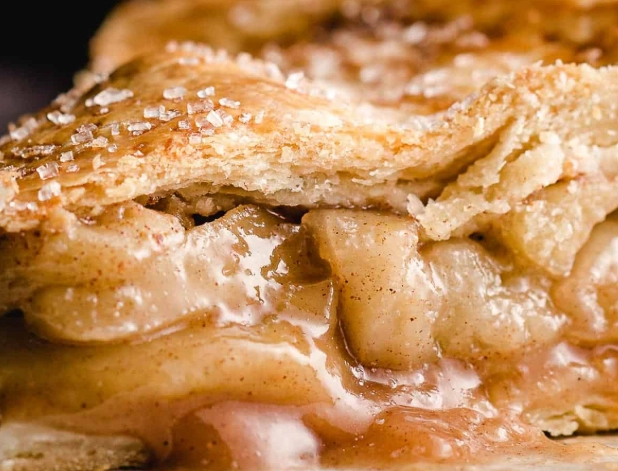
Using only sweet apples. Apples like Fuji or Red Delicious are delicious raw but bake into a bland, watery mess. They lack the acidity to cut through sugar and spices. If you must use them, pair with a tart apple and reduce added sugar.
Overloading the pie with juice. Juicy apples like McIntosh release a lot of liquid. To fix this, toss sliced apples with a tablespoon of flour or cornstarch before filling. Some bakers pre-cook the filling slightly—I do this for extra-juicy varieties, simmering for 5 minutes to evaporate excess moisture.
Ignoring apple size. Smaller apples often have more intense flavor. When I use large apples, I slice them thinner to ensure even baking. Aim for 1/4-inch slices; thicker slices might not cook through.
Not tasting before baking. Apples vary in sweetness batch to batch. Taste a slice raw. If it's very tart, add a bit more sugar. If sweet, reduce sugar to avoid an overly sweet pie. This simple step saved my pie from being cloying last Thanksgiving.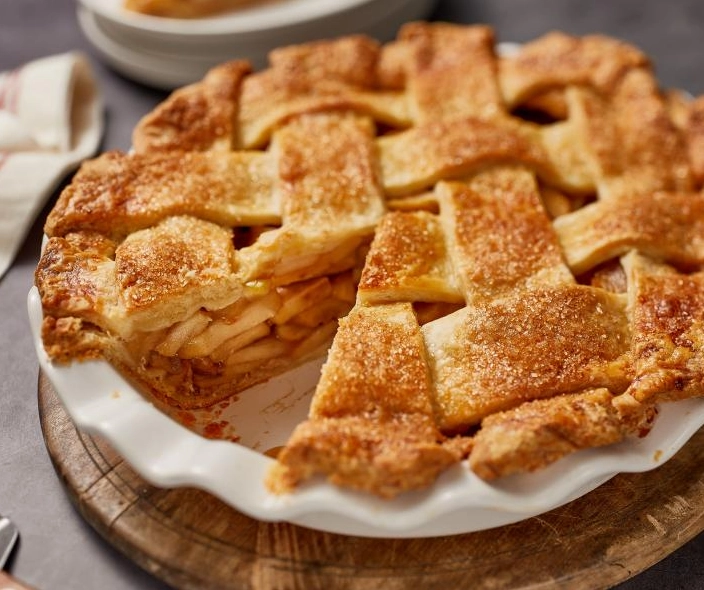
Your Apple Pie Questions Answered
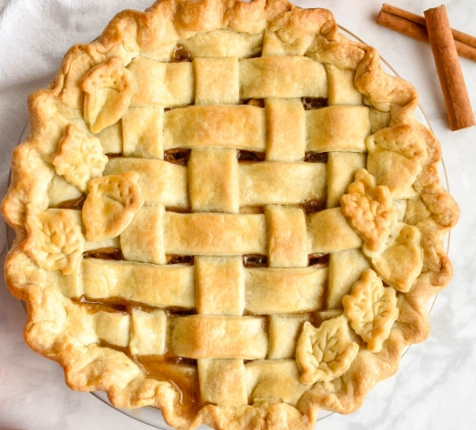
Wrapping up, the right apple transforms your pie. Start with a mix of firm and tart varieties, adjust based on season, and don't fear experimentation. For more insights, resources like the USDA's apple variety guides or culinary sites like Serious Eats offer detailed analyses on baking properties. But trust your taste—baking is as much art as science. Now go pick those apples and bake a pie that'll wow everyone.
Reader Comments