Your Pickling Roadmap
Let's be honest. Have you ever bought a jar of pickles from the store, taken a bite, and been met with a disappointing, mushy texture? I have. More times than I'd like to admit. It's a letdown, right? That experience is exactly what sent me down the rabbit hole of growing and pickling my own cucumbers. And the single most important lesson I learned? It all starts with the right cucumber. Not just any cucumber, but the small, firm, bumpy little gems specifically bred for the job: small pickling cucumbers.
These aren't the long, smooth slicing cucumbers you'd put in a salad. Pickling cukes are a different beast entirely. They're bred for crispness, with thinner skins that allow brine to penetrate and a flesh that stays firm under pressure (and heat). If you're even remotely thinking about making pickles at home, understanding these little vegetables is your first and most critical step. This guide is everything I wish I'd known when I started.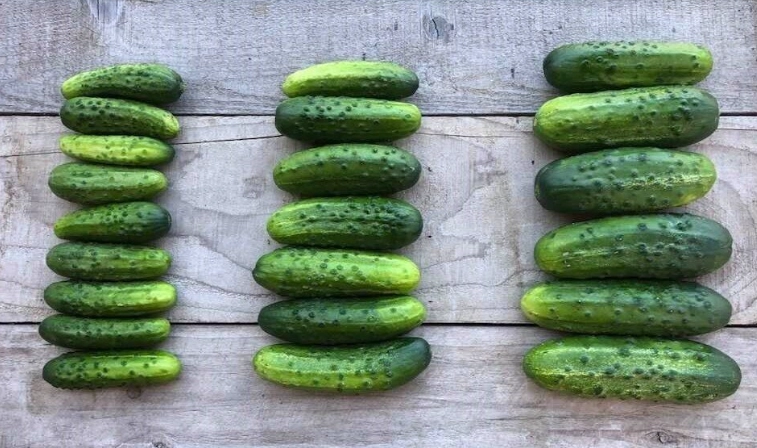
What Exactly Are Small Pickling Cucumbers?
First things first, let's clear up the confusion. A pickling cucumber is a specific type of cucumber (Cucumis sativus) cultivated for preservation. The "small" part is key—they are typically harvested when they are between 1 to 6 inches long, long before they get seedy and pithy in the middle. That youthful size is the sweet spot for texture and flavor absorption.
Their defining characteristics are hard to miss. The skin is often a darker, vibrant green, and it's frequently covered in small bumps or spines (which are actually tiny, brittle prickles that often rub off during washing). This bumpy texture isn't a defect; it's a hallmark of many classic pickling varieties. The flesh inside is dense, with smaller seed cavities compared to their slicing cousins. This compact structure is what gives you that satisfying, audible CRUNCH.
So, what's the big deal about growing or seeking out these specific small pickling cucumbers? Control. When you pick them at the perfect size from your garden or a farmers' market, you're capturing them at peak crispness. That moment of perfect freshness is something no grocery store jar can ever replicate.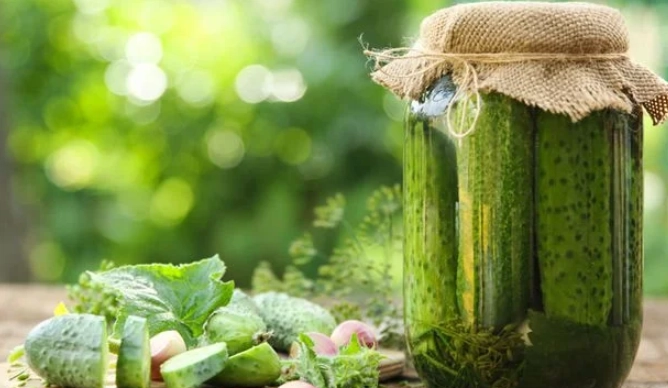
Top Varieties: Choosing Your Pickling Champion
Not all small pickling cucumbers are created equal. Some are better for classic dills, others hold up fantastically in sweet relishes. Your choice of variety can make or break your pickle project. Based on my trials and a lot of conversations with other gardeners, here are the standout champions.
I tend to lean towards heirloom varieties. They've stood the test of time for a reason—often for their superior flavor and reliability. But some modern hybrids offer amazing disease resistance, which is a lifesaver if your garden tends to get mildew.
| Variety Name | Type | Key Features & Best For | Days to Maturity | My Personal Notes |
|---|---|---|---|---|
| Boston Pickling | Heirloom | The classic. Blocky shape, uniform size, incredibly crisp. Perfect for whole dill pickles. | 50-55 | My absolute go-to for reliability. The flavor is textbook "pickle." Produces like crazy. |
| National Pickling | Heirloom | Another legendary heirloom. Slightly tapered, very spineless, high yields. Excellent for all pickle types. | 52-58 | Super productive and less prickly than others. A great all-rounder for beginners. |
| Calypso | Hybrid | Disease resistance champion (resists scab, mildew). Very uniform, dark green fruits. | 52-55 | If your summers are humid, plant this. It keeps producing when others might falter. |
| Parisian Gherkin (Cornichon) | Heirloom | Tiny (1-3 inches), bumpy, intensely flavored. The true cornichon for French-style pickles. | 50-60 | Requires frequent picking but worth it. The flavor is sharp and complex. Not for sweet pickles. |
| Little Leaf | Hybrid / Open-Pollinated | Compact bush habit, small leaves, great for containers/pots. Good yields in small spaces. | 55-60 | A game-changer for patio gardeners. Don't let the small plant fool you—it's a producer. |
My personal favorite for a classic sour dill is still Boston Pickling. There's a nostalgia to its flavor that just feels right. But last year, I grew Calypso alongside it, and I have to admit, its vigor was impressive during a rainy spell. The choice often comes down to your garden's personality and what you want to pickle.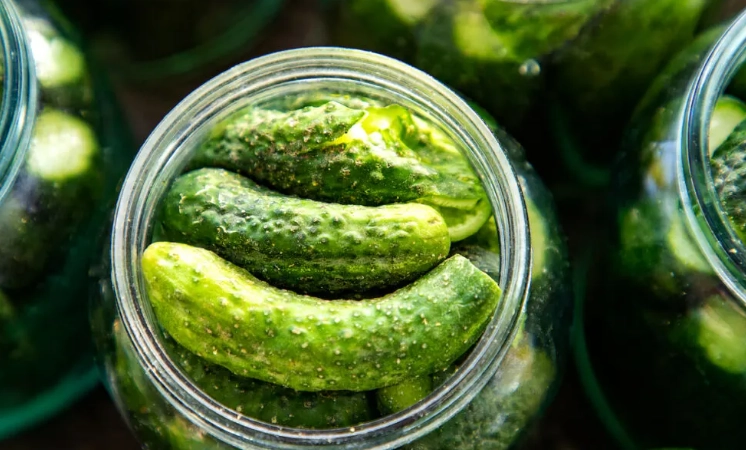
How to Grow Your Own: From Seed to Harvest
Growing small pickling cucumbers is incredibly rewarding and surprisingly straightforward. They're more forgiving than tomatoes, in my opinion. Here's the step-by-step, seasoned with a few hard-learned lessons.
Getting Started: Seeds, Soil, and Sun
Cucumbers are warmth-loving babies. Don't rush them. Planting seeds directly in soil that's below 60°F (16°C) is an invitation for them to rot. I wait until the soil is warm to the touch and all danger of frost is long gone. For most, that's a couple weeks after the last frost date. You can start seeds indoors 3-4 weeks before transplanting, but be gentle—they hate root disturbance.
Sun is non-negotiable. They need a minimum of 6-8 hours of direct, blistering sun. More is better. The soil should be rich and well-draining. I work in a generous amount of finished compost or well-rotted manure a few weeks before planting. Soil pH should be slightly acidic to neutral, around 6.0 to 6.8. Your local university extension service, like the one from University of Minnesota Extension, often has fantastic, localized soil testing and preparation guides.
The Care and Feeding of Pickling Vines
Water is critical, but it's a balancing act. Consistent moisture is the key to avoiding bitter fruits and ensuring steady growth. Aim for about 1-2 inches of water per week, delivered deeply at the soil level. Avoid overhead watering like the plague—wet leaves are a welcome mat for fungal diseases like powdery mildew. Soaker hoses or drip irrigation are your best friends.
I mulch heavily with straw or shredded leaves. This keeps the soil moist, cool, and weed-free, and it acts as a barrier between the fruit and the soil.
Fertilizing? Go easy on the nitrogen (the first number in N-P-K). Too much nitrogen gives you a gorgeous, giant, leafy vine with few flowers or fruits. I use a balanced fertilizer at planting and then switch to a fertilizer higher in phosphorus and potassium (like a tomato feed) once flowering begins to encourage fruit set.
The Harvest: Timing is Everything
This is the most important part of the entire growing process for pickle quality. You must pick them small and pick them often. I mean it. Check your plants every single day during peak production.
The ideal size for most pickling varieties is between 2 and 4 inches for gherkins, and up to 5-6 inches for classic dills. They should feel firm, be a uniform dark green (some varieties have lighter tips, which is fine), and the spines should still be prominent. If you see the blossom end starting to yellow or swell, you've waited too long—the seeds inside are developing, and the flesh will start to soften.
A vine that's loaded with overripe cucumbers will slow down or stop producing new ones. Harvesting is how you tell the plant to make more.
Use a knife or pruners to cut the stem; don't pull or twist, as you can damage the delicate vine. And get them into the kitchen or the fridge promptly. Their quality for pickling starts to decline the moment they're off the vine.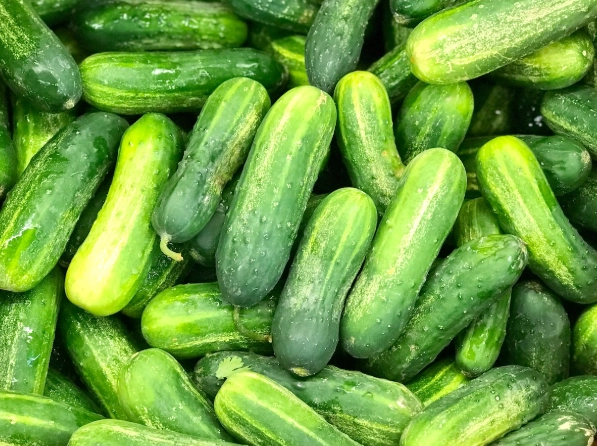
From Garden to Jar: The Pickling Process Unveiled
Okay, you've got a basket of perfect, freshly picked small pickling cucumbers. Now what? The path to pickle perfection involves a few key steps that ensure safety and that legendary crunch.
Step 1: The Crucial Pre-Brine (AKA The Crispness Hack)
Don't skip this. For the crunchiest pickles, many home preservers swear by a pre-soak in a brine or an ice water bath. Why? It soaks the cucumbers in a calcium solution or shocks them with cold, which helps firm up the pectin in the cell walls.
Method A (The Classic): Soak the washed cucumbers in a cold brine (1/4 cup pickling salt to 1 quart water) for 4-12 hours in the refrigerator. Rinse well afterward.
Method B (The Quick Chill): Submerge them in a bowl of ice water for 1-2 hours before packing.
Method C (The Alum Debate): Some old recipes use food-grade alum (potassium aluminum sulfate) as a crisping agent. The National Center for Home Food Preservation notes that alum is not necessary for safety and can impart a slight bitter flavor if overused. I find the brine soak works just fine without it.
I usually go with the brine soak overnight. It's one less thing to worry about on pickling day.
Step 2: Packing the Jars
Use proper canning jars (Mason, Ball, Kerr) with new lids. Wash everything in hot, soapy water. Pack your cucumbers tightly into the jars. You can leave them whole, slice them into spears, or cut them into coins. Tight packing prevents the fruits from floating too much.
This is where you add your flavor agents—the fun part! Fresh dill fronds (or seeds), garlic cloves (smashed), mustard seeds, black peppercorns, coriander seeds, a dried chili pepper, a grape or oak leaf (the tannins are said to help with crispness). There are no rules, only taste preferences.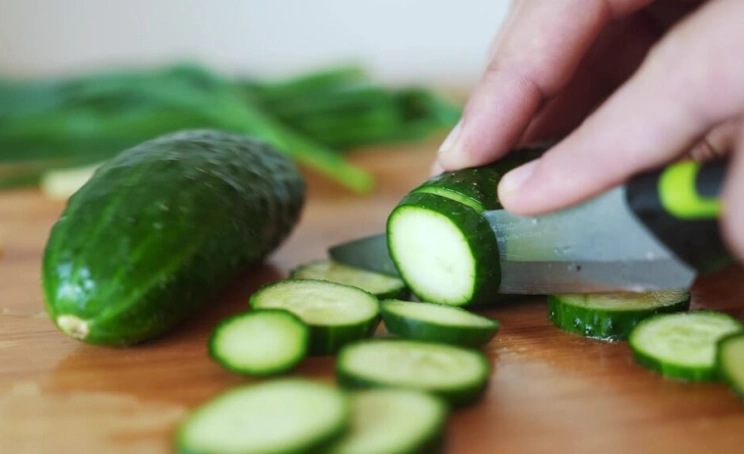
My Go-To Classic Garlic Dill Brine (for about 4 pint jars)
- 5 cups water
- 5 cups white vinegar (5% acidity)
- 1/2 cup pickling or canning salt (NOT table salt with anti-caking agents)
- Per jar: 2-3 cloves garlic, 1 head of fresh dill (or 1 tbsp dill seed), 1 tsp mustard seeds, 1/2 tsp black peppercorns.
Combine water, vinegar, and salt in a large pot. Bring to a boil, stirring to dissolve the salt. Keep it hot while you pack your jars. Pour the hot brine over the packed cucumbers, leaving 1/2 inch of headspace. Remove air bubbles with a tool or a clean chopstick. Wipe the jar rims clean, apply lids and bands finger-tight.
Step 3: Processing for Shelf Stability
This is the safety step. For high-acid foods like pickles (thanks to the vinegar), you use a boiling water bath canner. It destroys any microorganisms and creates a vacuum seal.
- Place the filled jars on a rack in a large pot, ensuring they are covered by at least 1-2 inches of water.
- Bring to a full, rolling boil and start your timer. For pint jars of pickles, process for 10 minutes (adjusting for altitude—check the Ball Canning website or NCHFP guides for details).
- After processing, turn off the heat, wait 5 minutes, then remove the jars to a towel-lined counter to cool, undisturbed, for 12-24 hours.
You'll hear the satisfying *pop* of the lids sealing. After they're cool, check the seals by pressing the center of the lid. If it doesn't flex, it's sealed. Store in a cool, dark place. Unsealed jars should go in the fridge and be eaten first.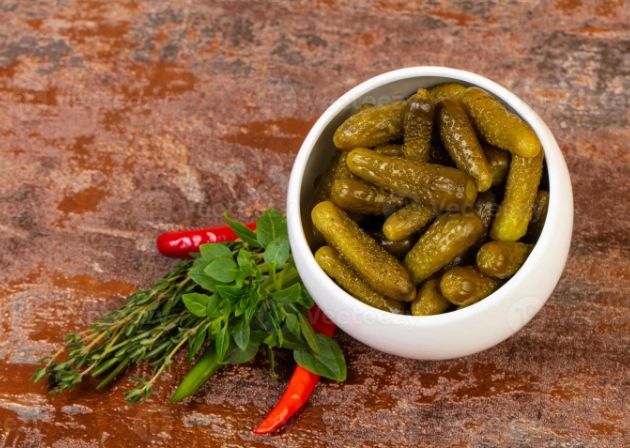
Why Are My Pickles Soft? (And Other Pickling Problems)
Even with the best intentions, things can go wrong. Here are the usual suspects, based on my own failures and forum deep-dives.
The #1 Culprit: Overripe Cucumbers. This bears repeating. If you start with cucumbers that are too big and seedy, they will be soft. Period. Harvest small.
Blossom End Enzymes: Some believe leaving the blossom end (the tiny remnant opposite the stem) on the cucumber can contain enzymes that lead to softening. I've gotten into the habit of trimming a tiny slice off that end. It can't hurt.
Insufficient Acidity: Using weak vinegar or diluting the brine too much. Always use vinegar of at least 5% acidity.
Under-processing: Not processing in the boiling water bath long enough, or not bringing it to a full boil before timing, can allow spoilage enzymes and bacteria to survive and soften the pickles.
Storage: Storing canned pickles in a warm place (like above the stove) for months can gradually degrade texture.
If you're getting hollow pickles ("floaters"), it's often due to a gap between the harvest and pickling, where the cucumber starts to dehydrate slightly. Process them as fresh as possible.
Beyond the Basic Dill: Ideas for Your Bounty
When you have a prolific plant, you need more than one recipe. Here are a few ways to use your small pickling cucumbers:
- Refrigerator Pickles: No canning required! Mix up a brine, pour it over packed jars, and stick them in the fridge. They're ready in a few days and last for months (refrigerated). Perfect for testing flavors.
- Bread and Butter Pickles: Sweet, tangy, and spiced with mustard seeds and turmeric. Usually made with slightly thicker slices.
- Relish: Finely chop or grind cucumbers (along with onions and peppers), salt, drain, and cook in a sweet or tangy vinegar syrup. A hot dog's best friend.
- Quick Pickles (aka Vinegar Pickles): A simple mix of vinegar, water, salt, and sugar poured hot over sliced cucumbers in a bowl. Ready in an hour. Great for salads or sandwiches.
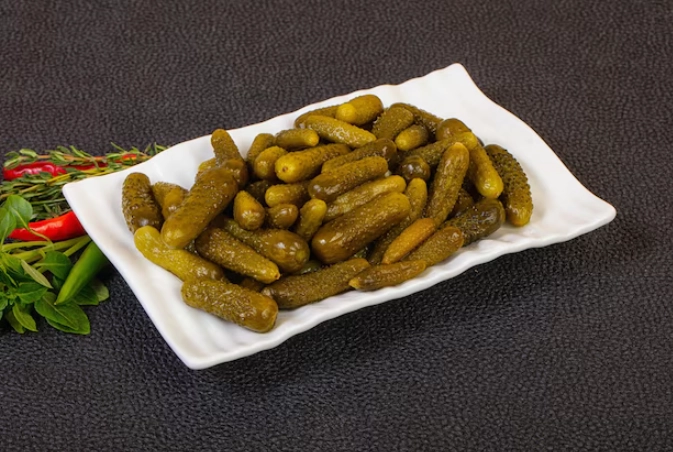
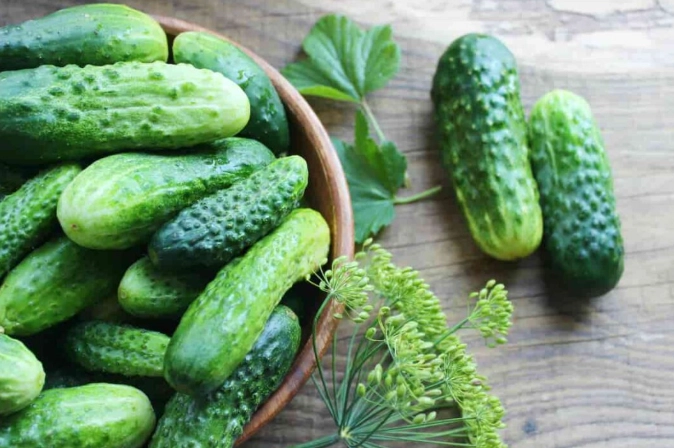
Growing and pickling your own small pickling cucumbers is more than a hobby; it's a direct connection to your food. It turns the simple act of eating a pickle into a small celebration of your own effort. You control the salt, the spice, the crunch. You get to experience the satisfaction of turning a tiny seed into a pantry staple. It might seem like a lot of steps, but take it one season at a time. Start by finding the best fresh cucumbers you can, maybe make a batch of refrigerator pickles. Next year, try growing a single plant. Before you know it, you'll be the one giving away jars of perfect, crunchy pickles, knowing exactly what's inside.
Reader Comments