Quick Guide
Let's be real. You're out in the woods, heart beating a little faster, because you think you've hit the jackpot. There, at the base of an oak tree, is this beautiful, frilly, layered mushroom that looks just like the pictures of Grifola frondosa – the prized Hen of the Woods, or Maitake. The dinner ideas start swirling. But then, a gnawing doubt creeps in. What if it's not? What if this is one of those notorious Hen of the Woods look-alike species?
I've been there. Staring at a cluster, phone in hand, comparing it to a dozen different apps and forum posts, still feeling unsure. That hesitation is your best friend. It's what separates a fun, rewarding foraging trip from a potentially disastrous one. The truth is, while the true Hen of the Woods (Maitake) is a fantastic edible, the forest has a few tricksters up its sleeve. Some are just bland, some are tough as leather, and a few could really ruin your week.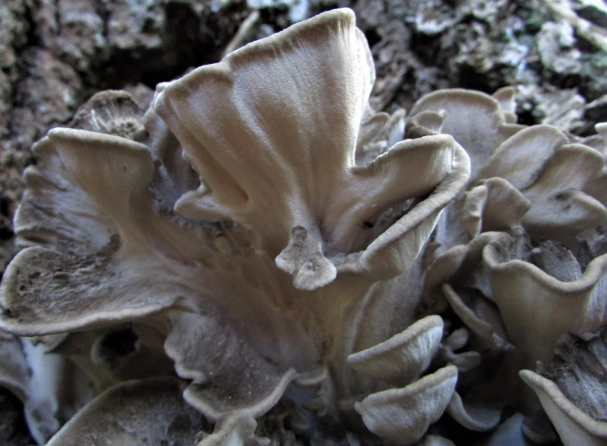
This guide isn't about scaring you off. It's about empowering you. We're going to move beyond the basic "it looks like a ruffled chicken" description and get into the nitty-gritty details that matter. We'll talk about the exact color of the pore surface, the way the flesh feels when you pinch it, and the specific trees you should be looking at. By the end, you'll have a much clearer picture of what you're looking at, and more importantly, what you're not looking at.
The Core Idea: Accurate identification isn't about memorizing one mushroom. It's about understanding a whole cast of characters and learning the subtle play that distinguishes the star from the understudies. A Hen of the Woods look-alike might share the stage, but it has different lines.
What Does a Real Hen of the Woods (Maitake) Actually Look Like?
Before we can spot an imposter, we need to know the real deal inside and out. Grifola frondosa has a very particular set of characteristics. It's not just a brownish, clustered mushroom. Let's break it down.
First, the growth habit. This is a big one. You'll always find it at the base of trees, or occasionally on very old, buried stumps. It has a deep, personal relationship with oak trees. I mean, 99% of the time, it's an oak. Very rarely, it might choose another hardwood like maple. If you see it on a pine or another conifer, alarms should go off – that's almost certainly not our guy. It fruits in late summer through fall, often after a good rain.
The structure is a large, compound cluster. It can get huge, like basketball-sized or bigger. The cluster is made of many individual, spoon-shaped or tongue-shaped caps that overlap. These caps are typically grayish-brown, but the color can range from silvery-gray to a darker tan or brown. The key is often a sort of two-tone effect, with the cap centers being darker and the wavy, ruffled margins being a paler shade.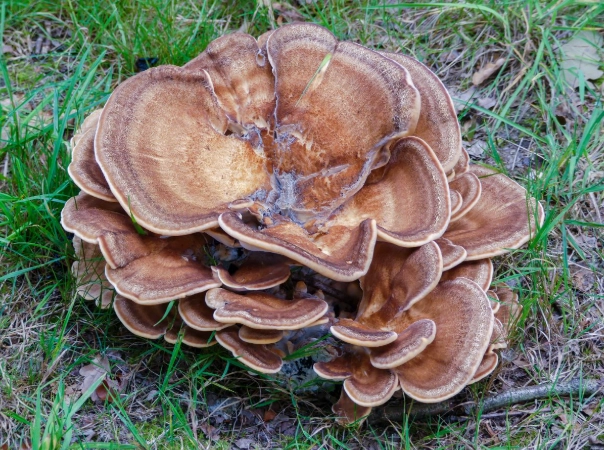
Flip it over. The underside is pure white and covered in tiny, round pores. This is a polypore, so no gills. The pores are incredibly small and delicate, almost like a fine suede. The flesh is firm but tender, white, and has a wonderful, aromatic smell that's often described as spicy, earthy, or like fresh dough. It's never sour, fishy, or pungent.
One last, often-overlooked clue: the way it grows from the ground. It usually has a single, thick, branching base that emerges from the ground or tree roots, and all the individual caps branch off from this central core. It looks cohesive, like one organism.
The Usual Suspects: Common Hen of the Woods Look-Alikes
Here’s where we get into the meat of it. Several mushrooms can, from a distance or in a blurry photo, make you think "Maitake!". Their threat level varies from "meh" to "don't even think about it." I find a table is the easiest way to compare the main contenders side-by-side before we dive deep.
| Mushroom | Key Similarities to Hen of the Woods | Major "Tell" Differences | Edibility / Danger |
|---|---|---|---|
| Black Staining Polypore (Meripilus sumstinei) |
Large, clustered growth at tree bases; similar overall shape and size; overlapping caps. | Pores bruise black when touched or with age; flesh is thinner and tougher; often found on beech or maple in addition to oak. | Edible when very young, but tough and mediocre. A common Hen of the Woods look-alike that causes confusion. |
| Berkeley's Polypore (Bondarzewia berkeleyi) |
Massive, multi-capped cluster at tree bases; similar habitat (oak). | Caps are much thicker, fleshier, and often have concentric zones of color; pores are larger and angular; taste is intensely bitter. | Inedible due to bitter, acrid taste. Not poisonous, but will ruin any dish. |
| Umbrella Polypore / Leafy Woolly Cap (Polyporus umbellatus) |
Forms a large, rounded cluster of small, grayish caps from a central base. | Each small cap has a distinct, central stem (like a tiny umbrella), and all these stems join into a large, underground sclerotium. Looks more "organized." | Edible and good, but rare. More of a visual confusion than a direct substitute. |
| Cauliflower Mushroom (Sparassis sp.) |
Large, brain-like or leafy cluster growing at tree bases (especially conifers). | Appearance is more like curly pasta or a sea sponge; "leafs" are flat and thin, not tongue-shaped; grows almost exclusively on conifer roots/stumps. | Choice edible! A happy mistake, but very different texture and habitat. |
See how that helps? The table gives you the quick scan. Now, let's talk about the two you're most likely to actually mistake, the ones that really test your skills.
The #1 Confuser: Black Staining Polypore (Meripilus sumstinei)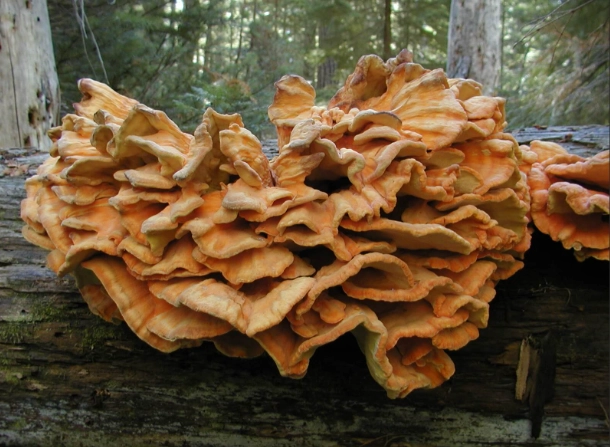
This is, hands down, the most frequent Hen of the Woods look-alike you'll encounter. It's so common it's frustrating. From the top, they can be twins. Same oak tree base, same big cluster, same general color. The panic sets in when you pick it.
Here’s your cheat code: touch the pores. Gently press your thumb on the white underside. Wait a minute. On a true Maitake, the pores will stay white or maybe bruise a very faint brown. On the Black Staining Polypore, they will bruise a distinctive, inky black. Sometimes you don't even need to touch it – older specimens will already have blackened edges on the pores. The flesh is also stringier and tougher than Maitake's tender firmness.
I once brought home what I was sure was a perfect Hen, only to watch in dismay as black thumbprints appeared all over the pore surface while I was cleaning it. Lesson learned the hard way. It's edible when young, but honestly, it's not worth the effort. The texture is poor.
The Bitter Disappointment: Berkeley's Polypore (Bondarzewia berkeleyi)
This one is a beast. It gets even bigger than Hen of the Woods sometimes. The caps are thicker, meatier, and often have these cool concentric rings of tan and brown. It looks impressive. The main visual difference is underneath. The pores are larger, more angular, and often run a little way down the "stem" of each cap (what mycologists call "decurrent").
The absolute, 100% foolproof test? Taste a tiny piece, then spit it out. This is a standard, safe identification technique for non-deadly mushrooms. Pinch off a sliver of the fresh flesh, chew it for 5-10 seconds to release the flavor. True Hen of the Woods has a pleasant, mild, nutty or mushroomy taste. Berkeley's Polypore is instantly, mouth-puckeringly bitter. It's a bitterness that lingers. This taste test alone will separate them instantly. It's not poisonous, but one piece will contaminate a whole pot of soup.
Critical Safety Rule: The "taste and spit" test is ONLY for mushrooms you have already narrowed down to non-deadly groups through other identification steps (like confirming it's a polypore from a hardwood). Never taste a mushroom with gills that you cannot 100% identify, especially little brown mushrooms (LBMs).
Your Step-by-Step Field Identification Checklist
Okay, theory is great, but what do you actually do when you're face-to-frond with a potential find? Follow this list. Don't skip steps.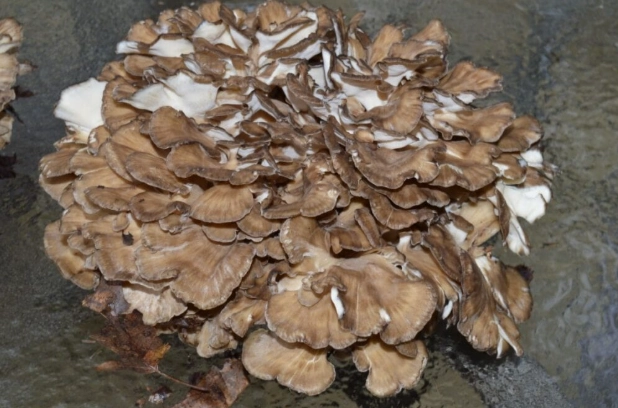
- Look Down (Habitat): Is it at the base or on the roots of a tree? What tree? If it's an oak (or very rarely another hardwood), proceed. If it's a pine, spruce, or other conifer, it's not Maitake. Cauliflower Mushroom territory maybe, but not Hen.
- Look at the Structure: Is it a single, large cluster with many overlapping, tongue-shaped caps branching from a central base? Or does it look like a bunch of individual small mushrooms just growing close together?
- Look at the Top (Cap): Color? Grayish-brown, tan, with paler wavy margins? Is the surface smooth or slightly velvety? (It should be).
- Flip It Over (Underside): This is crucial. Is it covered in tiny, white, round pores? Are the pores small and tight like suede? Take your finger and gently press on them. Wait. Do they bruise? What color? White or light brown is good. Black is a deal-breaker (Black Staining Polypore).
- Snap a Piece (Flesh): Break off a small piece of a cap. Is the flesh inside pure white? Is it firm but breaks relatively easily? Does it smell pleasant—earthy, spicy, fragrant? A sour or unpleasant odor is a red flag.
- The Final Check (Taste/Spit): If you've passed all the above and are still confident, do the taste test. Chew a tiny piece. Is it mild, nutty, pleasant? Or is it bitter, acrid, or foul? Spit it out thoroughly.
If your find passes all these checks, congratulations are in order. You've likely found the real deal. But what if you're still unsure? What if it's 90% right? My personal rule is: When in doubt, throw it out. Or better yet, don't even pick it. Take photos from all angles (top, bottom, side, habitat) and post it to a reputable mushroom identification forum or group. The folks at the North American Mycological Association (NAMA) have great resources and many local clubs. There's no shame in asking for help. In fact, it's the smartest thing you can do.
Beyond Look-Alikes: The Forager's Mindset
Focusing solely on a Hen of the Woods look-alike is part of the picture, but the best foragers think bigger. It's about context. The tree is your first clue. The season is your second. The weather is your third. I've had the best luck in early to mid-fall, a few days after a steady rain, in mature oak forests. They also tend to come back to the same spot year after year, so make a mental (or physical) map if you find one.
Another thing nobody talks about enough: younger vs. older specimens. A young, fresh Hen of the Woods is tender, with pale, flexible caps and that amazing aroma. An older one might be drier, woodier, and can sometimes host beetle larvae. It's still edible if the flesh is firm, but the quality is lower. Some look-alikes, like the Black Staining Polypore, are really only confusing when they are fresh and haven't yet developed their characteristic blackening.
Common Questions About Hen of the Woods and Its Look-Alikes
From Forest to Fork: Handling Your Prize
Let's say you've successfully navigated the world of Hen of the Woods look-alike mushrooms and you have a beautiful, fragrant cluster in your basket. Now what? First, cleaning. They can hold a lot of dirt, leaves, and the occasional bug in their frilly layers. I don't soak them—they absorb too much water. Instead, I use a soft brush (a dedicated paintbrush works) and a damp paper towel to wipe them down, maybe using a gentle stream of water for stubborn dirt, but drying them immediately after.
Storage is key. They keep best in a paper bag in the fridge, not a plastic one where they'll get slimy. They can last a week that way. For long-term storage, drying is excellent. Slice them into 1/4-inch strips and use a dehydrator or a very low oven until they're cracker-dry. Reconstituted, they work great in soups and stews.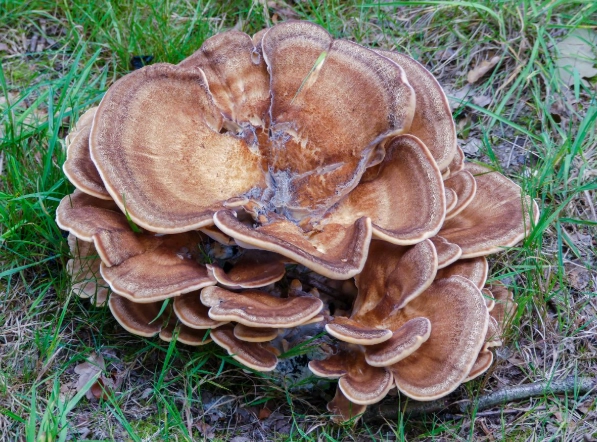
And cooking? My favorite simple way is to tear them into chunks (tearing follows the grain better than cutting), toss with olive oil, salt, and pepper, and roast in a hot oven (400°F/200°C) until the edges are crispy. They have a rich, savory flavor that stands up to strong herbs like rosemary and thyme, and they're phenomenal in a creamy pasta or a simple risotto. The texture is meaty without being tough.
Look, foraging is a journey. Every trip teaches you something. Misidentifying a Hen of the Woods look-alike isn't a failure; it's a lesson that makes you a better, safer forager. It hones your observation skills. The goal isn't just to get free food, but to connect with the forest in a deeper, more attentive way. So take your time, trust your checklist, and when you do find that perfect, aromatic Hen of the Woods under an old oak, the reward—both on the plate and in your spirit—is absolutely worth all the careful study.
Now get out there, look closely, and happy (safe) hunting.
Reader Comments