Quick Guide
- Why the Right Cucumber Matters (It's Not Just About Size)
- Top Varieties for Pickling: A Grower's and Buyer's Guide
- How to Select and Harvest: The Golden Rules
- From Garden to Jar: The Critical Pre-Brine Steps
- Answering Your Pickling Cucumber Questions
- Growing Your Own: The Ultimate Source
- Putting It All Together: Your Pickling Cucumber Checklist
Let's be honest. You can follow a pickling recipe to the letter, use the finest vinegar and spices, but if you start with the wrong cucumber, you're setting yourself up for disappointment. I learned this the hard way. My first batch of homemade pickles turned out soft, mushy, and just... sad. The problem wasn't my technique; it was my choice of cucumbers for pickles. I'd just grabbed whatever was cheap at the supermarket.
That failure sent me down a rabbit hole. I talked to farmers, read old preserving books (some real gems from university agricultural extensions), and experimented in my own garden. What I found is that picking the right cucumber isn't just a suggestion—it's the single most important step.
This guide is everything I wish I'd known. We're going to move beyond the vague advice of "use pickling cucumbers" and get into the specifics. What varieties? When to pick them? How to tell if a cucumber is past its prime for brining? We'll cover it all, so you never have to face a jar of limp, hollow pickles again.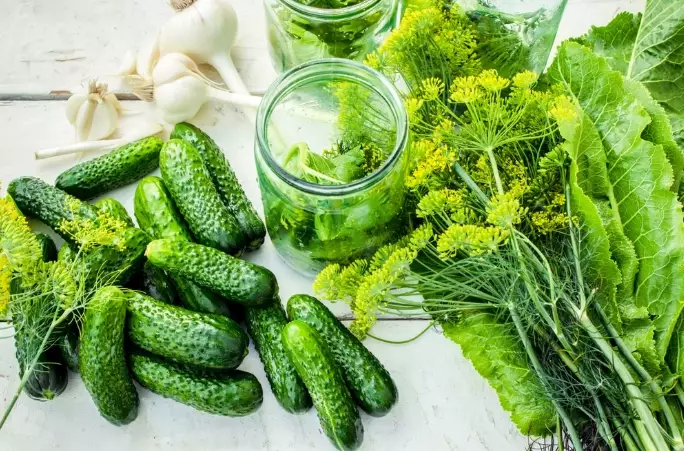
Why the Right Cucumber Matters (It's Not Just About Size)
Think of a perfect pickle. It's crisp. It has a satisfying snap when you bite into it. The flavor is absorbed evenly. That texture and structure come almost entirely from the cucumber itself. The brine just adds the punch.
Regular slicing cucumbers (the long, dark green ones often wrapped in plastic) are bred for eating fresh. They have thinner skin, higher water content, and larger seed cavities. When you brine them, they often turn soggy and can become hollow inside. They just don't have the dense, firm flesh needed to hold up during fermentation or vinegar-bathing.
Cucumbers specifically meant for pickling are different. They're bred with a purpose:
- Firmer, Denser Flesh: Less water, more solid matter. This is the key to crunch.
- Thinner, More Receptive Skin: Allows the brine to penetrate better for even flavoring.
- Smaller Seed Cavities: Less hollow space means a more consistent texture and less sogginess.
- Bumpy, Warty Skin: This isn't just for looks. Many classic pickling varieties have this trait, and that textured surface can hold onto spices and brine more effectively.
If you're serious about pickling, starting with the right raw ingredient is non-negotiable. It's the foundation.
Top Varieties for Pickling: A Grower's and Buyer's Guide
Not all pickling cucumbers are created equal. Some are better for specific styles, like crunchy dills, while others shine in sweet bread-and-butters. Here’s a breakdown of the champions.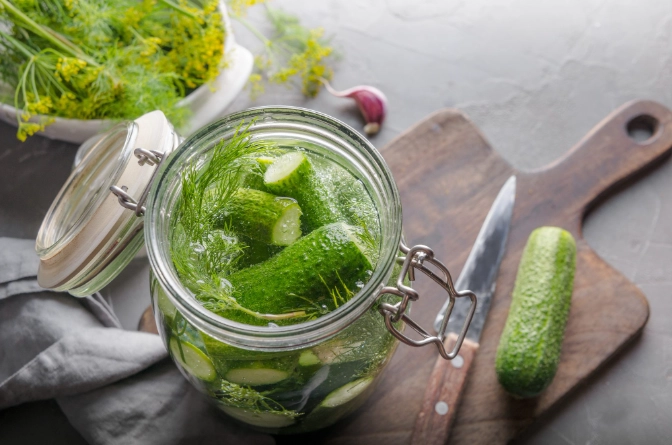
The Classic Workhorse: Kirby Cucumbers
If you see short, blocky, bumpy green cucumbers at the farmer's market, they're likely Kirbys. This is arguably the most famous and reliable variety for pickles. They're prolific growers, have incredibly crisp flesh, and their size is just perfect for packing into jars. Most commercially produced "genuine dills" start with Kirby cucumbers. They're my absolute go-to for any standard pickle recipe. You really can't go wrong with Kirbys for pickles.
The Sleek & Crisp Alternative: Persian Cucumbers
These are longer and smoother than Kirbys, often sold as "mini cucumbers." Don't let their delicate appearance fool you—they make fantastic pickles, especially if you prefer a slightly milder, sweeter profile or are making quick refrigerator pickles. Their skin is thin and tender, and they have very small seeds. I love using them for spears or whole pickles. They absorb flavors quickly, so they're great for impatient pickle-makers.
For the Traditionalists: Gherkins (and Cornichons)
True gherkins are a specific, spiny variety (Cucumis anguria) that's different from the common cucumber. They're tiny, knobby, and intensely crunchy. What you often find labeled "gherkins" in stores are just very small, immature pickling cucumbers. Real gherkins are a treat if you can find them. Cornichons are simply gherkins pickled in a specific tart, herb-heavy French style. If you want those tiny, sour pickles for a charcuterie board, you need to start with very, very small cucumbers, whether true gherkins or baby Kirbys.
Garden-Fresh Favorites: Boston Pickling & National Pickling
These are classic heirloom varieties beloved by home gardeners. Boston Pickling is an old variety that produces straight, white-spined fruits perfect for brining. National Pickling is another prolific heirloom known for its uniform shape and crisp texture. If you're growing your own cucumbers for pickles, these are excellent, time-tested choices. Seed catalogs from companies like Burpee or Johnny's Selected Seeds are full of great options, often with detailed notes on which are best for pickling.
| Variety | Best For | Texture/Key Trait | Typical Size | Days to Maturity |
|---|---|---|---|---|
| Kirby | All-purpose, especially dill pickles | Very crisp, bumpy skin | 3-6 inches | 50-55 days |
| Persian | Refrigerator pickles, spears, sweet pickles | Crisp, thin tender skin, mild | 5-7 inches | 55-60 days |
| Gherkin | Cornichons, tiny pickles | Extremely crunchy, knobby | 1-3 inches | 60-70 days |
| Boston Pickling | Home gardening, classic brined pickles | Firm, straight, white spines | 5-7 inches | 55 days |
| National Pickling | Home gardening, uniform yield | Crisp, blocky, holds shape well | 6-8 inches | 52 days |
See? It's not just one thing. You have options depending on what you're making and what you can find.
How to Select and Harvest: The Golden Rules
Finding the right variety is step one. Step two is picking them at the perfect moment. This is where most home picklers, including my past self, slip up.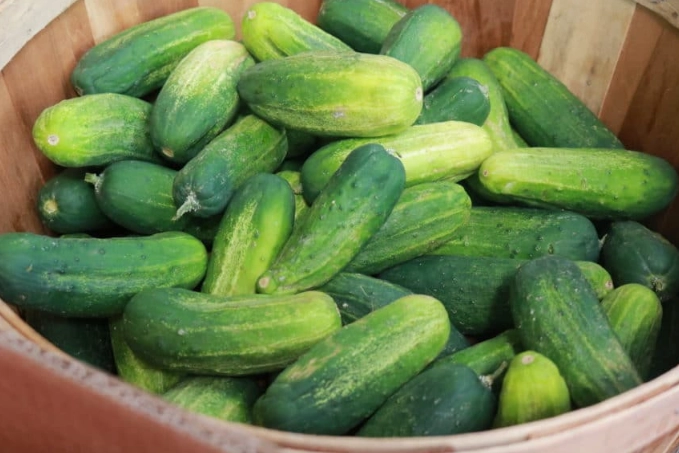
Buying at the Market:
- Look for Firmness: Squeeze gently. A good pickling cucumber should be rock-hard with no give. If it has the slightest soft spot, walk away. It's already starting to break down.
- Color is a Clue: They should be a bright, medium to dark green. Avoid any with yellowing, which is a sign of over-maturity. Overripe cucumbers develop large, hard seeds and a pithy, hollow center—the enemy of crunch.
- Size Matters (Smaller is Better): For the crispiest pickles, choose cucumbers on the smaller end of their variety's range. A 4-inch Kirby is often better than a 6-inch one. They're more dense.
- Check the Skin: It should be unwaxed. Waxed cucumbers (common on supermarket slicers) prevent brine absorption. Farmer's markets or your own garden are your best bets. The skin should feel matte, not shiny and slick.
Harvesting from Your Garden:
This is the ultimate control. For the best cucumbers for pickles, you need to be vigilant.
- Harvest Early and Often: Pickling cucumbers mature fast. Check your plants daily during peak season. The ideal harvest window is often just 1-2 days.
- The "Pencil Test": For varieties like Kirby, a good rule is to harvest when they're about the diameter of a standard pencil or just slightly larger. Don't wait for them to get fat.
- Cut, Don't Pull: Use garden shears or a sharp knife to cut the stem about 1/4 inch above the cucumber. Pulling can damage the vine.
- Timing is Everything: Harvest in the cool of the morning when the cucumbers are most crisp and full of moisture. Cucumbers picked in the afternoon heat can be slightly wilted.
The University of Minnesota Extension has a great resource on growing cucumbers that emphasizes frequent harvesting for quality and continued production. It's a principle that applies directly to our goal of getting the best pickling fruit.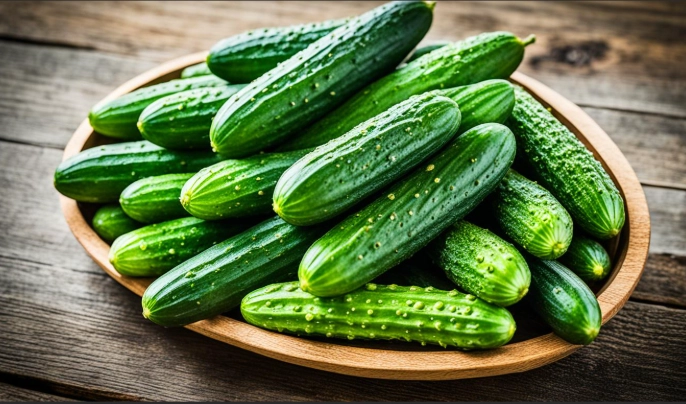
From Garden to Jar: The Critical Pre-Brine Steps
You've got your perfect, crisp, just-picked cucumbers for pickles. Now, don't ruin them by rushing into the jar. A few simple steps make a world of difference.
1. Wash Gently but Thoroughly: Rinse them in cool water to remove any dirt, sand, or—importantly—the tiny spines (prickles) that some varieties have. These can make the pickles taste bitter.
2. Do Not Let Them Sit! This is critical. The clock starts ticking the moment they're off the vine. Cucumbers begin to lose moisture and firmness rapidly. The ideal scenario is to pickle them within 24 hours of harvest, and the same day is even better. If you must store them, keep them unwashed in the crisper drawer of your fridge, but don't leave them for more than a day or two.
3. The Ice Bath Trick (A Game Changer for Crunch): This is an old restaurant and home preserver's secret. Before pickling, soak your trimmed cucumbers in a bowl of ice water for 1-2 hours (or even overnight in the fridge). The cold shock helps firm up the cell structure, resulting in a noticeably crisper final product. It's especially helpful if your cucumbers had a less-than-ideal journey from farm to kitchen.
4. Trim the Ends: Cut off at least 1/16th of an inch from the blossom end (the end opposite the stem). The blossom end contains enzymes that can lead to soft pickles. When in doubt, trim both ends a tiny bit.
Think of these steps as prepping an athlete for a big game. You're getting them into peak condition before the main event (the brine).
Answering Your Pickling Cucumber Questions
Growing Your Own: The Ultimate Source
If you're serious about pickling, growing your own cucumbers for pickles is the ultimate hack. You control the variety, the harvest time, and the time-to-jar lag, which is practically zero.
Pickling cucumber plants are generally prolific and easier to grow than many slicing types. They mature quickly, so you get a steady supply. A few plants can provide enough for many jars. Plant them in full sun, give them plenty of water (consistent moisture is key to prevent bitter fruits), and provide a trellis. Growing vertically saves space and results in straighter, cleaner cucumbers.
The biggest advantage? You can stroll out to the garden in the morning, pick a bowl of perfect, firm, 4-inch cucumbers, and have them in jars by lunchtime. That freshness is impossible to buy and makes a tangible difference in your final product. Resources from your local Cooperative Extension Service are invaluable for localized planting and pest control advice.
It's a bit of work, but the pride and quality are unmatched. There's something deeply satisfying about eating a pickle that started as a seed in your own soil.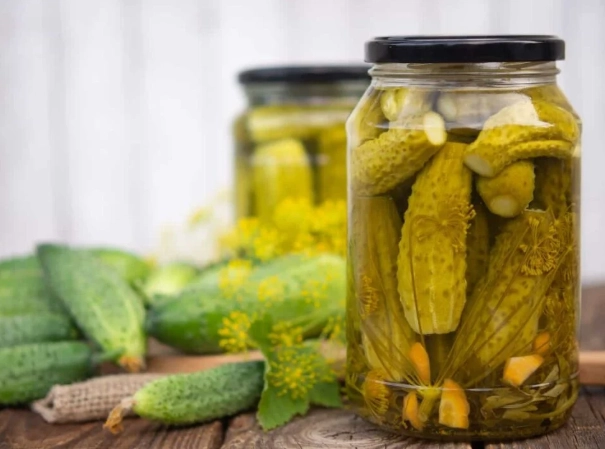
Putting It All Together: Your Pickling Cucumber Checklist
Let's simplify everything into a quick-action list you can refer to on pickling day.
- Source: Farmer's market, garden, or specialty grocer. Avoid waxed supermarket slicers.
- Variety: Kirby, Persian, Boston, National Pickling, or other designated "pickling" types.
- Appearance: Bright green, firm all over, no yellowing, small to medium size (3-6 inches is ideal for most).
- Freshness: As fresh as possible. Pickle within 24 hours of harvest/purchase.
- Prep: Wash gently. Soak in ice water for 1-2 hours. Trim a slice off the blossom end.
- Mindset: The cucumber is the star. Treat it with care from the moment you pick it until it goes into the brine.
It seems like a lot of detail, but once you do it right once, it becomes second nature. And the reward—a jar of perfectly crisp, flavorful homemade pickles—is worth every bit of the attention.
Your next batch of pickles doesn't have to be a gamble. Start with the right foundation. Choose your cucumbers for pickles with intention, treat them right, and you'll be amazed at how much better your homemade pickles become. Trust me, after you taste that first crisp, crunchy spear from a jar you made with perfect cucumbers, you'll never go back.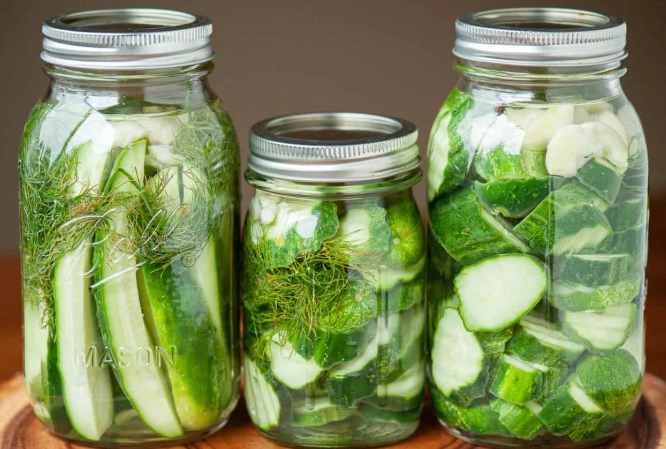
Happy pickling!
Reader Comments