Your Asparagus Journey Map
- Why Asparagus Growth is Different: The Perennial Mindset
- The Complete Breakdown of Asparagus Growth Stages
- Asparagus Growth Stages Timeline & What to Do
- Key Questions at Each Stage (Answered)
- Beyond the Basics: Factors Influencing the Stages
- Common Problems Linked to Growth Stage Mistakes
- FAQs: Your Quick-Fire Questions on Asparagus Growth
- The Long Game: Year-by-Year Expectations
Let's be honest. When you first think about growing asparagus, you probably picture those perfect, tender spears on your dinner plate. What most gardening guides don't tell you upfront is the journey it takes to get there. It's a story of patience, timing, and understanding a plant that operates on its own multi-year schedule. I learned this the hard way my first season, expecting a full harvest from one-year-old crowns. Yeah, that didn't happen.
Understanding the distinct asparagus growth stages is the single most important thing you can do if you want a healthy, productive bed that lasts for 15 years or more. It's not like growing tomatoes or lettuce. Asparagus is a perennial powerhouse, and its lifecycle is a fascinating cycle of explosive growth, patient energy gathering, and winter rest. Get the stages wrong—like harvesting too early or cutting down the ferns too soon—and you'll weaken the plant for years to come.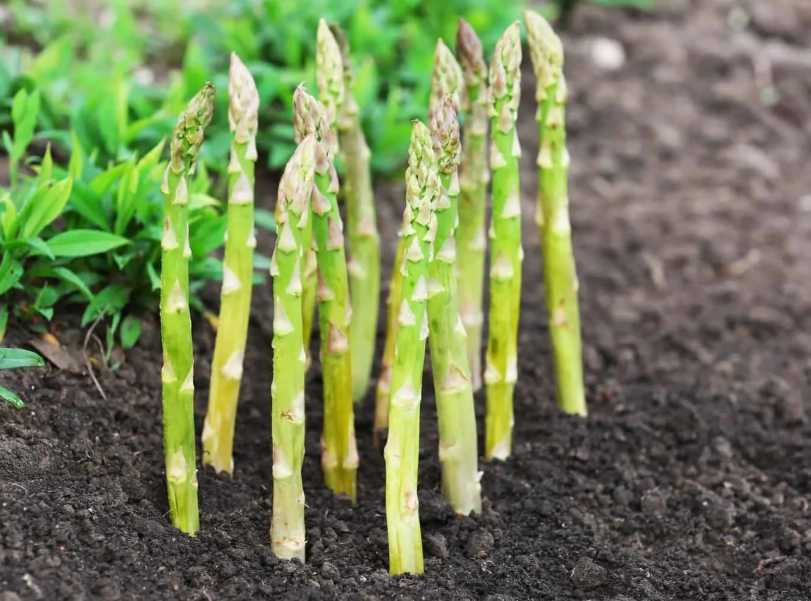
So, let's ditch the confusion and walk through the entire process, stage by stage. I'll share not just the textbook definitions, but the practical stuff—what you should actually be doing (and not doing) at each point, the common mistakes I've made so you don't have to, and how to read your plants' signals.
Why Asparagus Growth is Different: The Perennial Mindset
Before we dive into the stages, you need to get your head around the perennial thing. Annual vegetables (beans, corn, squash) have one goal: grow fast, produce seeds, and die in one season. Their entire existence is a sprint.
Asparagus is running a marathon. Its goal is to establish a massive, permanent root system called the crown. The spears we eat are just the early spring shoots from this crown. All the energy from the summer's foliage goes back down into the crown to fuel next spring's harvest. This is the fundamental rhythm you're managing.
If you treat it like an annual and over-harvest, you're literally eating into its future energy reserves. That's why the first few years are all about building, not taking. It feels counterintuitive in a "grow-your-own-food" mindset, but trust me, the wait is worth it.
The Complete Breakdown of Asparagus Growth Stages
Here’s the visual roadmap of what you’ll see in your garden. Think of it as the plant’s yearly calendar.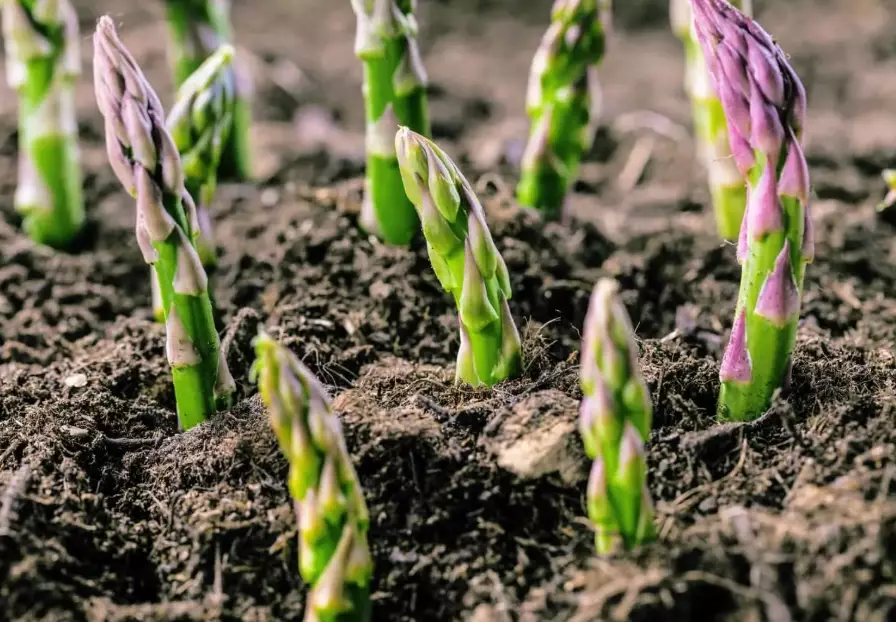
Stage 1: Dormancy (Late Fall - Late Winter)
This is the “nothing” stage, and it’s crucial. Once the ferns have been killed by a hard frost and you’ve cleared them away, the asparagus plant is dormant underground. The crown is alive but resting, waiting for the soil to warm up. Nothing is happening above ground. This is your time for planning and bed maintenance—adding a layer of compost or well-rotted manure as a winter blanket.
I used to worry during this phase, poking at the soil wondering if the plants were dead. They’re not. They’re just sleeping. The duration of dormancy depends entirely on your climate. In colder zones, it's a long sleep; in milder areas, it's shorter.
Stage 2: Spear Emergence (Early to Mid-Spring)
This is the exciting part. When soil temperatures consistently reach around 50°F (10°C), the magic starts. You’ll see the first nubs, then proper spears, pushing up through the soil. The speed can be astonishing—sometimes you can almost watch them grow on a warm day.
These initial spears are thick, tender, and perfect for harvest... but not all of them, and not every year. This is where knowing your plant's age is critical.
Second Year Plantings: You can harvest for about 2-3 weeks in the second year after planting. Take spears that are thicker than a pencil.
Third Year & Beyond (Mature Beds): Now you can enjoy the full harvest season, typically 6-8 weeks.
The appearance of spears kicks off the main harvest period and is the most visual of all the asparagus growth stages.
Stage 3: The Fern Stage (Late Spring through Fall)
This is the most misunderstood and visually dramatic phase. Once you stop cutting spears (you MUST stop after 6-8 weeks for mature plants), the remaining spears will keep growing. They rapidly unfurl and become tall, feathery, fern-like foliage. This isn't a failure or the plant "going to seed" in a bad way. This is the plant's work phase.
Those ferns are solar panels. Through photosynthesis, they manufacture carbohydrates that are sent down to recharge the crown's energy stores. The bigger and healthier the ferns, the more energy stored, and the better next year's harvest will be.
I made the mistake one year of cutting down the ferns in early August because they looked "messy" and were flopping over. That was a huge error. I robbed the plant of months of photosynthesis, and the next spring's harvest was noticeably poorer. Let the ferns stand until they are completely yellow or brown after a hard frost.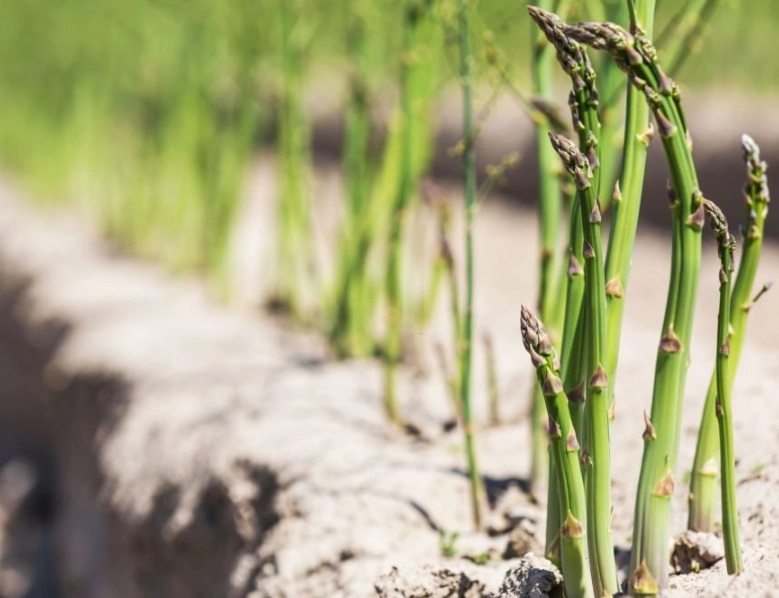
This stage lasts for months. The ferns can grow 4-6 feet tall and create a beautiful, light-green backdrop in your garden. They may also produce red berries on female plants (which contain seeds, but growing from seed is a whole other, slower process).
The Cycle Repeats: Back to Dormancy
After the frost, the ferns die back naturally. You then clear the dead, brown foliage away (to help prevent pests and diseases like asparagus beetles and rust from overwintering), and the plant returns to Stage 1: Dormancy. And the whole beautiful, patient cycle of asparagus plant stages begins again.
Asparagus Growth Stages Timeline & What to Do
To make this even clearer, here’s a table that ties the visual stages to the calendar and your action items. This is the cheat sheet I wish I’d had.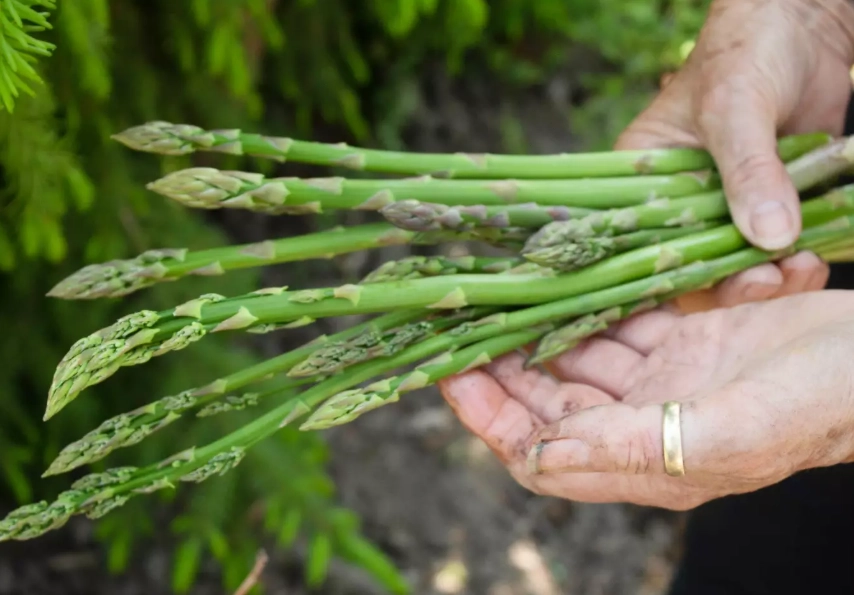
| Growth Stage | What It Looks Like | Typical Time of Year | Your Key Tasks |
|---|---|---|---|
| Dormancy | Nothing above ground. Bare soil or mulch. | Late Fall - Late Winter | Clean up old fern debris. Apply compost/manure mulch. Plan for spring. |
| Spear Emergence | Tender, pointed shoots (spears) push from soil. | Early to Mid-Spring | Begin harvest (if plants are mature). Weed carefully. Monitor for pests. |
| Harvest Period | Continuous production of harvestable spears. | Mid-Spring to Early Summer (6-8 wks) | Harvest spears > pencil thickness. Stop harvesting after 8 weeks MAX. |
| Fern Development | Unharvested spears unfurl into tall, feathery ferns. | Early Summer | Stop all harvesting. Let ferns grow unimpeded. Stake if windy. |
| Full Fern / Recharge | Tall, bushy, green fern canopy. Possible berries. | Summer through Fall | Water during drought. Do NOT cut ferns. Enjoy the foliage. |
| Senescence & Dieback | Ferns turn yellow, then brown after frost. | Late Fall | After ferns are fully brown, cut them down at soil level and remove. |
See how the tasks shift completely? You go from active harvester to hands-off guardian during the fern phase. Getting this rhythm right is 90% of successful asparagus growing.
Key Questions at Each Stage (Answered)
Here are the specific, nitty-gritty questions that pop up during each of these asparagus growth stages. These are the things you'll actually search for at 7 AM when you're staring at your bed.
During Spear Emergence & Harvest:
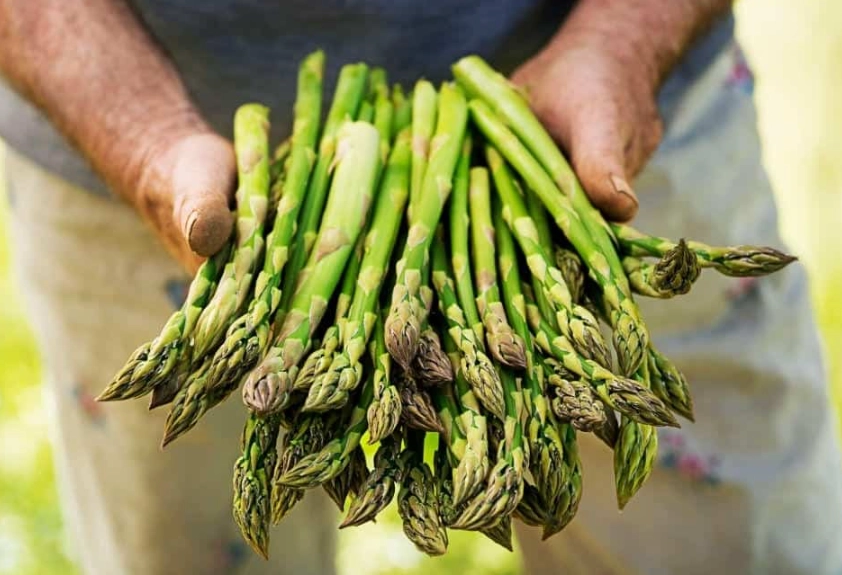
- How do you know when to start harvesting? Start when spears are about 6-8 inches tall and thicker than a pencil. Cut or snap them off at soil level.
- How often should you harvest? In peak season, you might harvest every day or every other day. They grow fast when it's warm.
- Why are my spears so thin? The most common reasons: the plant is too young (be patient!), the bed is overcrowded (needs dividing), or the crown is weak from previous over-harvesting or inadequate fern growth.
- Can you harvest white asparagus? Yes! It's the same plant. White asparagus is simply grown in the absence of sunlight (by mounding soil or using covers over the spears), which prevents chlorophyll production. It's more labor-intensive.
During the Fern Stage:
- Should I cut back asparagus ferns in summer? No. A thousand times no. Green ferns are working. Cutting them is like unplugging a battery while it's charging.
- My ferns are falling over. What should I do? It's normal. You can stake them or use twine to corral them loosely if you want things tidy, but it's not required. I often let mine form a sprawling thicket—it seems to support itself.
- What about the red berries? Only female plants produce them. They contain seeds that can be planted, but asparagus grown from seed takes an extra year to establish compared to crowns. Most gardeners remove the berries to prevent volunteer seedlings that can crowd the bed. The berries are also mildly toxic if eaten, so keep them away from kids and pets.
- How do you water during this stage? Water deeply during extended dry periods in summer. The ferns are large and actively transpiring, supporting a massive root system. Deep watering encourages deep roots.
Beyond the Basics: Factors Influencing the Stages
The timeline isn't set in stone. Your local conditions play a huge role in pacing these asparagus plant stages.
Climate & Variety: Warmer climates will see earlier spear emergence and a longer fern stage. Cooler climates have a shorter window. Some varieties, like 'Jersey Knight' or 'Purple Passion', may have slightly different vigor or coloration, but they all follow the same fundamental cycle. Your local university extension service is a goldmine for variety recommendations. For example, the University of Minnesota Extension has excellent, climate-specific guides.
Soil & Nutrition: Asparagus loves well-drained, deep, fertile soil. Poor soil leads to poor growth at every stage—weak spears, stunted ferns, and a sluggish crown. A soil test before planting is the best investment you can make. They need a pH near neutral (6.5-7.5) and appreciate plenty of phosphorus and potassium for root development. I add a generous amount of compost every year during dormancy; it feeds the soil microbes that in turn feed the crown.
Age of the Crown: This is the big one. A 1-year-old crown is a toddler. A 3-year-old crown is a teenager. A 5+-year-old crown is in its prime. Your management must match its age. Harvesting a 1-year-old is like asking a toddler to run a marathon—it will collapse.
Common Problems Linked to Growth Stage Mistakes
Most asparagus problems aren't caused by mysterious diseases, but by mistiming actions within its growth cycle.
- Weak, Spindly Spears: Almost always a result of an under-energized crown. This happens from over-harvesting in previous years (cutting the season too long) or cutting down the ferns too early the previous summer/sfall.
- Sudden Drop in Yield: If a previously productive bed suddenly gives you very few spears, you likely stressed the crown. Did you have a brutally dry summer and not water the ferns? Did you accidentally damage the bed with deep digging or herbicides? The crown is telling you it's depleted.
- Asparagus Beetles: These pests love the ferns. If you leave the dead fern debris over the winter, you give them a perfect home. Always clear the brown ferns in late fall or early winter. During the fern stage, you can hand-pick beetles if you see them. The Penn State Extension guide on asparagus beetles has great organic control methods.
It's a feedback loop. Mess up Stage 3 (the fern recharge) and you'll see the consequences in Stage 2 (spear emergence) the following year. The plant has a long memory.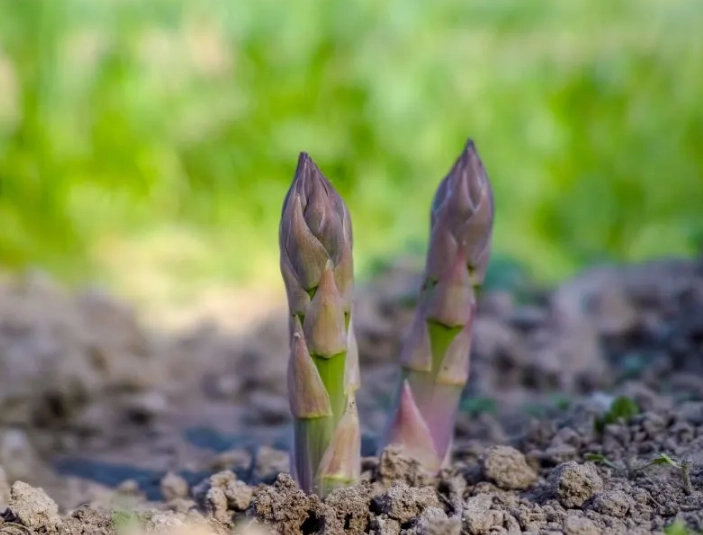
FAQs: Your Quick-Fire Questions on Asparagus Growth
The Long Game: Year-by-Year Expectations
To manage your own expectations, here’s a realistic look at what you’ll get as you shepherd your plants through the early asparagus growth stages.
Year 1 (Planting Year): Plant crowns in spring. Spears emerge, you let them all turn into ferns. You get zero edible harvest. The bed might look a bit sparse. Your job: weed meticulously and water.
Year 2: Stronger spear emergence. You can harvest lightly for 2-3 weeks in spring. Then let all remaining spears become ferns. The fern canopy will be fuller. You get a tiny, tantalizing taste.
Year 3: Now you're in business. Harvest for the full 6-8 week season. The ferns will be tall and dense. This is the first “real” harvest year.
Years 4-15+: Peak production. Maintain the cycle: harvest in spring, then nurture the ferns all summer. A well-kept bed can be productive for 15, 20, even 30 years. You're now in a perennial partnership with your garden.
Looking at these asparagus plant stages not as isolated events, but as interconnected parts of a yearly and multi-year rhythm, changes everything. You stop being an impatient harvester and start being a ecosystem manager. You're tending to a living underground bank account, making deposits all summer (via the ferns) so you can make withdrawals each spring.
It's a different kind of gardening satisfaction. Less instant, but infinitely deeper. When you finally sit down to a plate of asparagus you grew from a crown you nurtured for three years, following its silent, stubborn cycle of growth, recharge, and rest, it tastes like nothing else. It tastes like patience.
Reader Comments