Your Quick Guide
- What Exactly Is a Hen of the Forest Mushroom?
- Spotting the Real Deal: A Forager's Identification Guide
- The Hunt: Where and How to Find Hen of the Woods
- From Forest to Kitchen: Harvesting and Cleaning
- Cooking Hen of the Woods: Unleashing the Flavor
- Preserving Your Bounty
- Can You Grow Hen of the Woods at Home?
- Frequently Asked Questions (The Stuff You Actually Search For)
You're walking through an autumn forest, the air crisp, leaves crunching underfoot. Then you see it—a massive, layered, greyish-brown cluster at the base of an oak tree. It looks almost like the ruffled feathers of a nesting bird. That's your first encounter with Grifola frondosa, known to most as the hen of the woods mushroom, or maitake if you're into its Japanese name. Finding one feels like winning the forest lottery. I remember my first one; I almost walked right past it, thinking it was just a pile of old leaves. What a mistake that would have been.
This isn't just another mushroom. For foragers, it's a prized trophy. For chefs, it's a textural marvel. And for anyone interested in wild foods, it's a gateway to understanding the forest's pantry. But here's the thing—how do you know you've got the right mushroom? What do you do with it once you've got it? And is it really as good as everyone says? Let's walk through it all, step by step.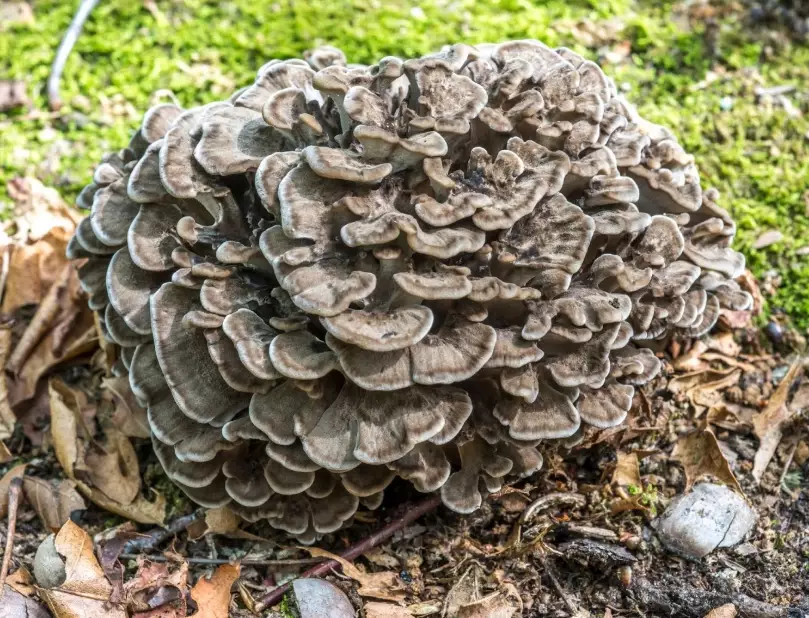
What Exactly Is a Hen of the Forest Mushroom?
Let's clear up the name first. "Hen of the woods," "hen of the forest," "maitake," "sheep's head"—they're all talking about the same fungus, Grifola frondosa. It's a polypore, meaning it has pores on its underside instead of gills. It's not a delicate little cap-on-a-stem job. It's a hefty, compound structure that grows in a big, beautiful rosette at the base of trees, primarily old oaks and sometimes maples. A single cluster can weigh over 50 pounds, though finding one that size is rare and honestly, a bit of a hassle to carry out.
The flavor is where it gets interesting. It's earthy, obviously, but there's a peppery, aromatic quality to it that's hard to pin down. Some say slightly nutty. The texture is firm and meaty, which is why it stands up so well to cooking. It doesn't turn to slime like some wild mushrooms can.
Now, besides tasting great, hen of the woods mushroom has a long history in traditional medicine, particularly in Asia. The name "maitake" translates to "dancing mushroom," supposedly because people would dance with joy upon finding it. Modern science is looking into its potential immune-modulating properties, which you can read more about in studies indexed by the National Library of Medicine. I'm not a doctor, so I won't make any health claims, but it's fascinating how food and folklore intertwine.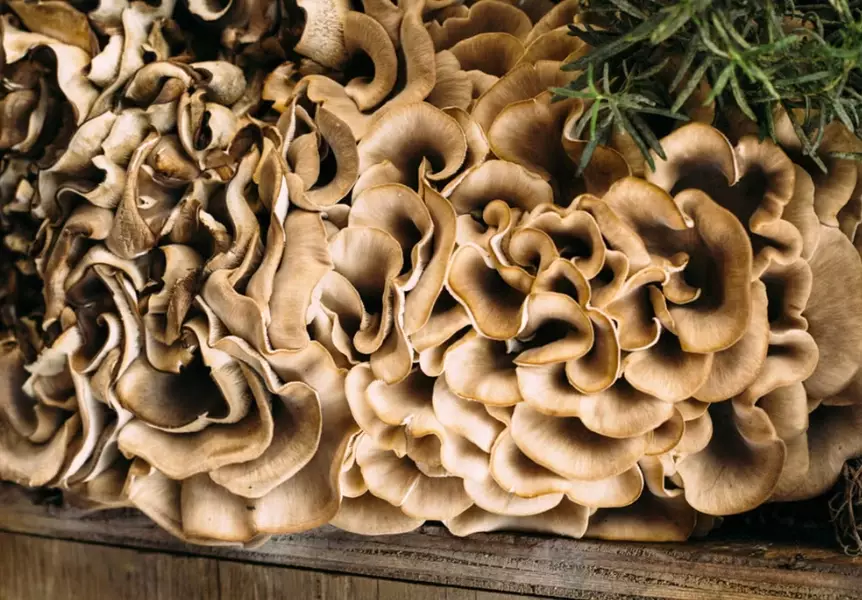
Spotting the Real Deal: A Forager's Identification Guide
This is the most important part. Getting it wrong isn't an option. The good news? Hen of the woods is one of the safer mushrooms for beginners to identify, thanks to its very distinctive look. But you still have to pay attention.
Key Features to Look For
First, look at the overall shape. It forms a large, circular cluster of many overlapping caps. Think of a ruffled skirt or a head of cabbage. The individual caps are tongue-shaped or fan-shaped, usually 2 to 10 cm across. Their color is a spectrum of greys, browns, and tans—often darker in the center and lighter towards the wavy, irregular margins. The surface is smooth but can look slightly velvety.
Flip it over. The underside should be white to pale yellow, covered in tiny pores. These are the spore-producing surfaces. No gills. Ever. The pores run down a short, branching, white stalk that all the caps share. The flesh inside is white and firm.
Where is it growing? Almost always at the base of a tree, or on a stump. It has a parasitic relationship with the tree, eventually contributing to its decay. Oak is its best friend. If you're in a pine forest, you're in the wrong place. It fruits in the late summer through fall, peaking when the nights get cool.
I once got excited about a huge cluster near an elm tree. The shape was close, but the color was off—too orangey. It was Berkeley's polypore, a cousin, and not nearly as choice. A good reminder to check all the boxes.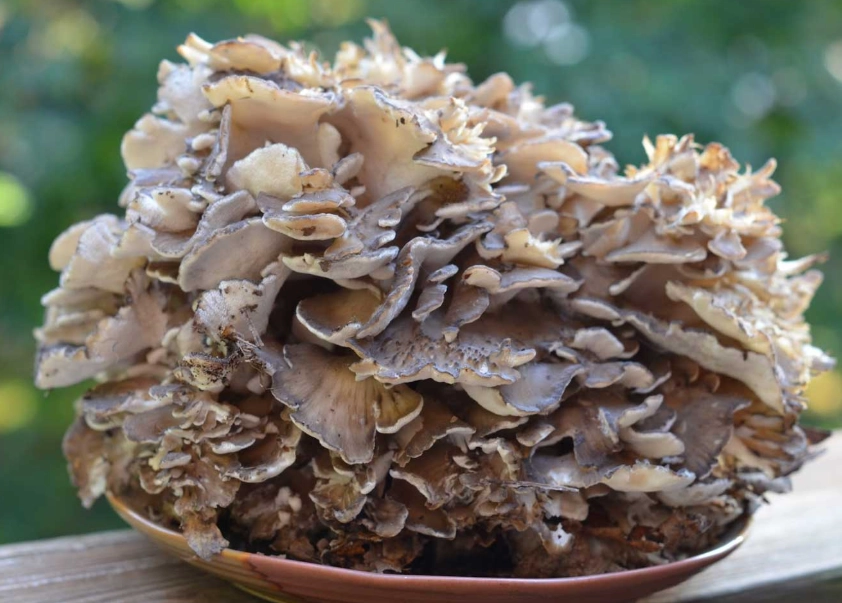
Common Mushrooms Mistaken for Hen of the Woods
| Mushroom Name | Key Differences | Edibility |
|---|---|---|
| Berkeley's Polypore (Bondarzewia berkeleyi) | Larger, thicker individual caps. Often more yellowish or tan. Flesh is tougher, stringier. | Edible when young, but often very tough. |
| Black-Staining Polypore (Meripilus sumstinei) | Bruises black readily when handled. Caps are thinner and more fan-like in a rosette. | Not poisonous, but leathery and unpalatable. |
| Cauliflower Mushroom (Sparassis crispa) | Looks like a brain or a head of cauliflower. Many flat, curly branches. Grows on conifer roots. | Choice edible, but texture is very different (crisp). |
The Hunt: Where and How to Find Hen of the Woods
Finding your own hen of the forest mushroom is half the fun. It's not about wandering aimlessly. It's a treasure hunt with clues.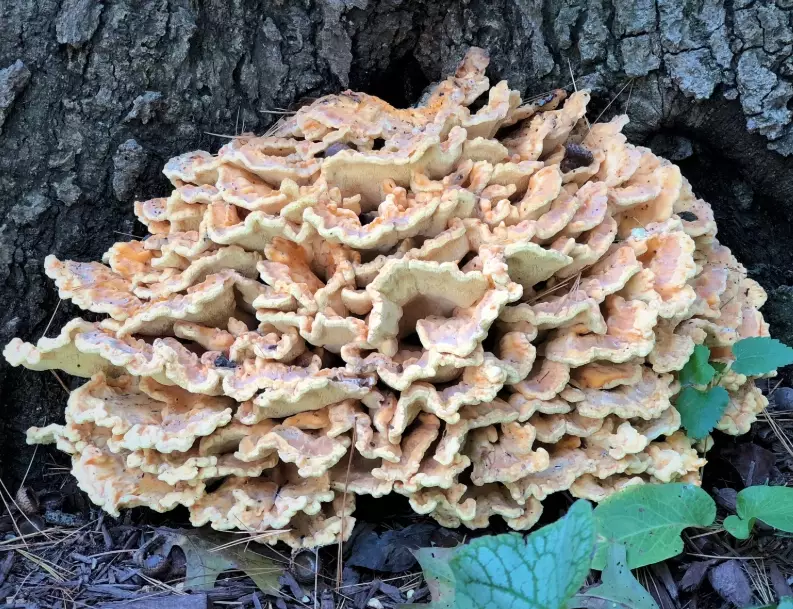
Habitat is everything. Focus on mature hardwood forests. Oak is king—white oak, red oak, it doesn't seem to matter. Look for older trees, especially ones that might be a bit stressed or have dead limbs. They often fruit in the same spot year after year, so if you find a patch, remember it (geotag it mentally, but maybe don't blast the coordinates online).
Timing is critical. In most temperate zones of the US, the season kicks off after the first good, soaking rains in late August or early September. It continues until a hard frost. I've had my best luck in mid-October, when the fall colors are peaking. The mushroom seems to like that combination of warm days and cool, dewy nights.
When you're walking, slow down. Don't just look at the ground. Scan the base of every large oak. Look for that distinctive, lumpy, greyish mass. Sometimes all you see is the edge of it. Early in the season, clusters can be small and well-camouflaged. Later, they're obvious.
What's the best tool? Your eyes, a good knife, and a mesh bag or basket. The mesh bag lets spores fall out as you walk, spreading the fungus for future years—a forager's courtesy.
From Forest to Kitchen: Harvesting and Cleaning
You found it! Now what? Harvesting hen of the woods is straightforward, but a few tips make it better.
Use a sharp knife to cut the cluster at its base, near the tree. Try to leave the very bottom of the core, which can be woody and dirty, in the ground. This also helps the fungus potentially regrow. Check for bugs. These mushrooms are popular with insects, especially later in the season. You'll often find little tunnels in the base of the stems. Just cut those parts away. A few bugs are normal in wild food; it's a sign you're in a healthy ecosystem.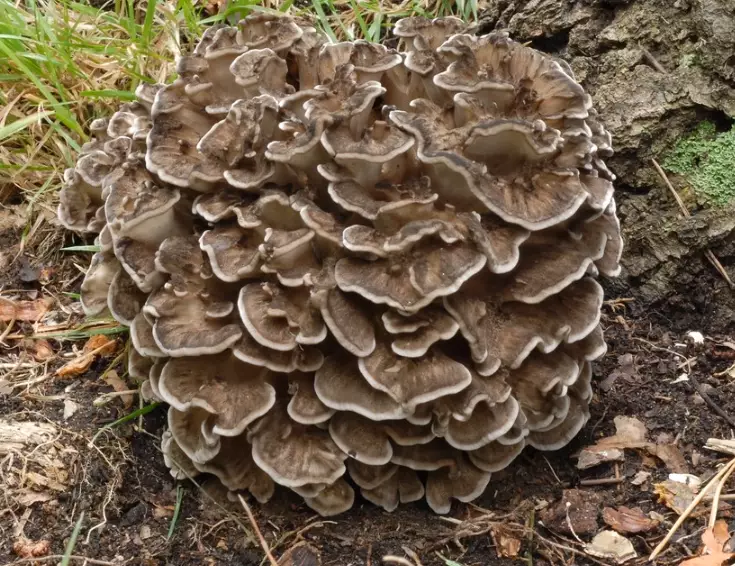
Now, cleaning. This is where some people mess up. Do not soak your hen of the woods in water. It's like a sponge and will absorb it, becoming soggy. Here's my method:
- Break it apart: Tear the large cluster into smaller, individual fronds or clusters of fronds along their natural seams.
- Brush it: Use a soft brush (a dedicated mushroom brush or a clean paintbrush works) to knock off loose dirt, leaves, and pine needles. Pay attention to the pores underneath.
- Spot wash if needed: If there's stubborn dirt, quickly rinse just that spot under cold running water and immediately pat it very dry with a paper towel. The goal is minimal water contact.
- Inspect: Trim off any tough, woody stem ends or bug-eaten sections.
That's it. You're ready to cook. If you're not cooking immediately, store it in a paper bag in the fridge. It can last a week that way, surprisingly. For long-term storage, drying is the classic method, but I'll get to that.
Cooking Hen of the Woods: Unleashing the Flavor
This is the reward. The hen of the forest mushroom is incredibly versatile. Its solid texture means it can be treated almost like meat. The key? Don't undercook it. Unlike button mushrooms, it needs time for its fibers to break down and release its deep, savory flavor.
Mastering the Basic Sauté
This is your foundation. Get this right, and you can do anything.
- Prep: Tear or cut the cleaned mushroom into bite-sized pieces. Not too small, or they'll shrivel.
- Pan & Heat: Use a wide skillet (not overcrowded) and get it hot over medium-high heat. Add a generous amount of oil or butter. I prefer a mix—butter for flavor, oil to prevent burning.
- Cook Dry First (Optional but Good): Some cooks add the mushrooms to the dry, hot pan first. Let them sizzle and release their water. Once the water evaporates and they start to brown, then add your fat. This ensures browning, not steaming.
- The Sizzle: Add your mushrooms in a single layer if possible. Let them sit! Don't stir constantly. You want them to develop a beautiful golden-brown crust. This is where the magic (the Maillard reaction) happens. Season with salt and pepper only after they've started to brown, as salt draws out moisture.
- Finish: Once beautifully browned and tender (taste one!), you can finish with garlic, fresh herbs like thyme or rosemary, a splash of white wine or sherry to deglaze the pan, or a knob of cold butter swirled in for a sauce.
That's it. Perfect sautéed hen of the woods. Eat it on toast, toss it with pasta, add it to risotto, or top a steak.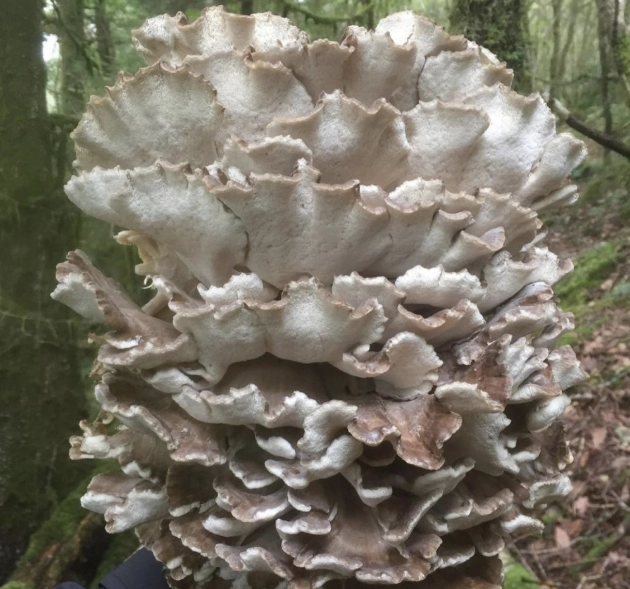
Beyond the Pan: Other Great Ways to Cook It
- Grilling: Marinate large fronds in a mix of oil, soy sauce, balsamic, and garlic for 30 minutes. Grill over medium heat until charred and tender. The smoky flavor is a game-changer.
- Soups and Stocks: It makes an incredibly rich, dark mushroom stock. Simmer cleaned pieces (even the tougher stems) with onions, carrots, celery, and herbs for an hour or two. Strain. The base for the best mushroom soup or gravy you'll ever have.
- "Pulled" Mushroom: Slow-cook sautéed hen of the woods with some barbecue sauce and a little broth until it shreds like pulled pork. A fantastic vegetarian sandwich filling.
My personal favorite? A simple pasta. Sauté the mushrooms until deeply browned, deglaze with a bit of brandy, add cream and parmesan, toss with pappardelle, and finish with parsley. It's rich, earthy, and utterly satisfying. The hen of the woods mushroom holds its own against the hearty pasta and cream.
Preserving Your Bounty
You found a massive hen of the forest. You can't possibly eat it all fresh. Here are your options, from best to most niche.
| Method | How-To | Best Use For | My Take |
|---|---|---|---|
| Drying | Slice thinly or break into small clusters. Use a dehydrator at 125°F (52°C) for 6-10 hours, or an oven on its lowest setting with the door ajar until brittle. | Powdering for seasoning, rehydrating for soups/stews. | The classic method. Rehydrated mushrooms are never quite the same texture, but the flavor concentrates beautifully for stocks. |
| Freezing (Cooked) | Sauté or roast the mushrooms as described above. Let cool completely. Spread on a tray to freeze individually, then bag. | Quick addition to pastas, pizzas, omelets. | My go-to method. Preserves texture and flavor far better than drying, in my opinion. So convenient. |
| Pickling | Brine-cook mushroom pieces, then pack into jars with a vinegar-based pickling liquid (with garlic, peppercorns, mustard seed). Process in a water bath. | Condiment, charcuterie board addition, sandwich topping. | A tangy, crunchy treat. Great for cutting through rich foods. |
| Duxelles | Finely chop mushrooms, sauté with shallots until all moisture is gone. Pack into containers, top with a layer of oil, and freeze. | Stuffing, pastry filling, quick sauce base. | A chef's trick. Takes up little space and is a flavor bomb ready to go. |
Can You Grow Hen of the Woods at Home?
This is a common question. Commercially, yes, maitake is grown indoors on supplemented sawdust blocks, and you can buy these kits. The results are... okay. You'll get a cluster of hen of the woods mushroom, but in my experience and from talking to other growers, the flavor and texture are often milder and less complex than their wild counterparts. It's still fun and rewarding to grow your own food from a kit. For true, outdoor cultivation on logs or stumps, it's notoriously difficult and unreliable for the home grower. The fungus is finicky about its host and conditions. The Fungi Perfecti website has detailed cultivation info if you're feeling ambitious.
Frequently Asked Questions (The Stuff You Actually Search For)
Finding and cooking a hen of the forest mushroom connects you to the seasons and the landscape in a way buying groceries never will. It teaches observation, patience, and respect. And then it gives you a fantastic dinner. That's a pretty good deal.
So next time you're in the woods in the fall, take a moment to check the base of those big oaks. You might just find your own dancing mushroom.
Reader Comments