Picking a cucumber seems simple enough, right? You just grab it and twist. I thought so too, until I harvested a batch that ranged from perfect, crunchy spears to spongy, bitter disappointments. That's when I realized there's an art and a science to it. Getting it wrong doesn't just ruin one cucumber; it can signal the plant to slow down production. Let's fix that. This guide will walk you through exactly how to pick cucumbers for the best flavor, texture, and to keep your vines producing all season long.
What You'll Learn in This Guide
Why Getting the Timing Right is Everything
This is the biggest mistake home gardeners make. We get excited and pick too early, or we miss the window and pick too late. Both have consequences.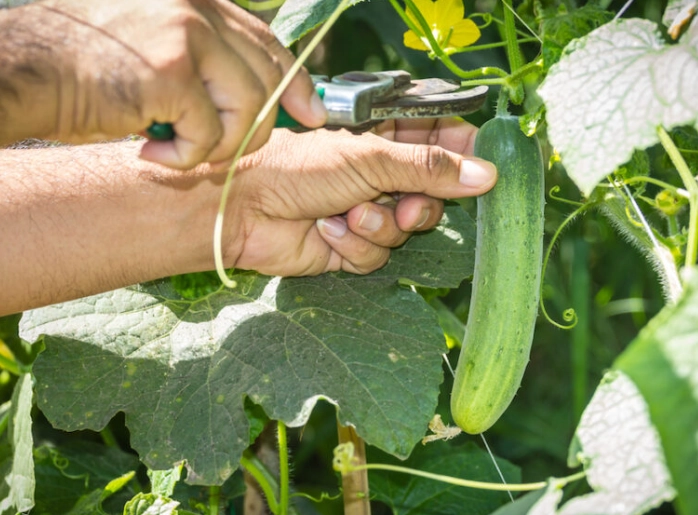
Pick too early, and the cucumber hasn't developed its full flavor or size. It might be bland or oddly textured. Pick too late, and you're in for a world of problems. Overripe cucumbers become seedy, puffy, and often incredibly bitter. That bitterness comes from compounds called cucurbitacins, which increase as the fruit matures and the plant gets stressed.
But here's the subtle error most guides don't mention: a late-picked cucumber isn't just a waste. It tells the plant its job is done. The plant's goal is to produce mature seeds. Once you let a cucumber yellow and its seeds mature on the vine, the plant thinks, "Mission accomplished," and starts shutting down flower production. Regular, timely harvesting is the single best way to trick your cucumber plant into thinking it needs to keep trying, resulting in a continuous harvest for weeks.
How to Tell When a Cucumber is Ready to Pick
Forget the calendar. The number of days on the seed packet is a rough estimate. Your eyes and hands are the best tools. Here’s what to look for, depending on the type you're growing.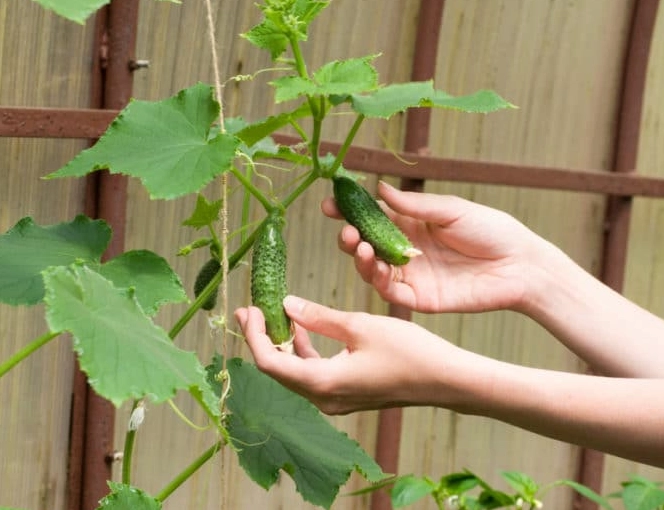
For Slicing Cucumbers (Like 'Marketmore', 'Straight Eight')
These are the classic cucumbers for salads and sandwiches. The ideal size is usually between 6 to 8 inches long, but the feel is more important than the tape measure.
- Color: A uniform, deep green. Any yellowing at the blossom end (the end opposite the stem) is a red flag for over-ripeness.
- Firmness: It should feel firm along its entire length. Gently squeeze it. If there's any softness or give, it's past its prime.
- Skin Texture: The skin should be smooth and slightly bumpy, but not wrinkled. A waxy feel is normal for many varieties.
For Pickling Cucumbers (Like 'Boston Pickling', 'National Pickling')
Size is critical here, depending on what kind of pickle you want.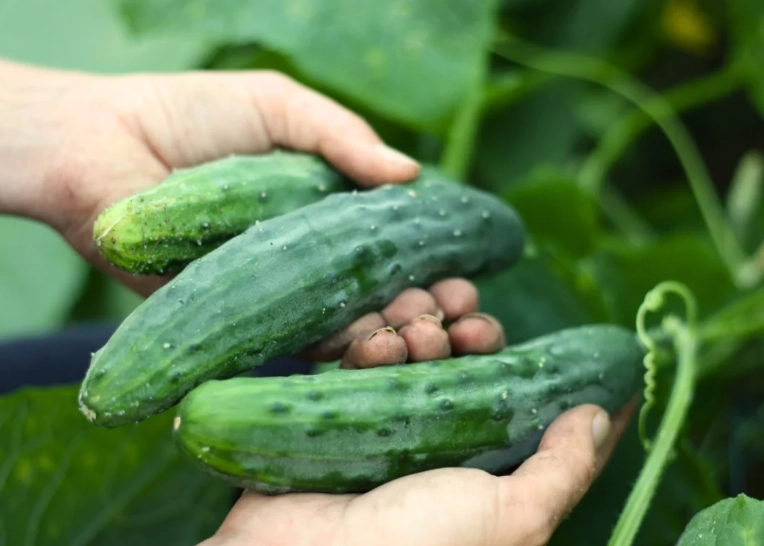
| Desired Pickle | Ideal Length | Notes |
|---|---|---|
| Gherkins / Cornichons | 2-4 inches | Very crisp, small seeds. |
| Dill Pickle Spears | 4-5 inches | Best balance of crunch and flesh. |
| Hamburger Chips | 1-2 inches (diameter) | Pick when fat but before seeds harden. |
The key for all picklers is to harvest them before the seeds become large and hard. They should be a bright green, never dull or yellowish.
For Long English or Greenhouse Cucumbers
These are typically seedless and have thinner skin. They can grow quite long—up to 12 inches or more—but are best harvested when they are a consistent diameter from end to end and have a vibrant green color. If they start to develop a curved shape or a bulbous end, they’ve been on the vine too long.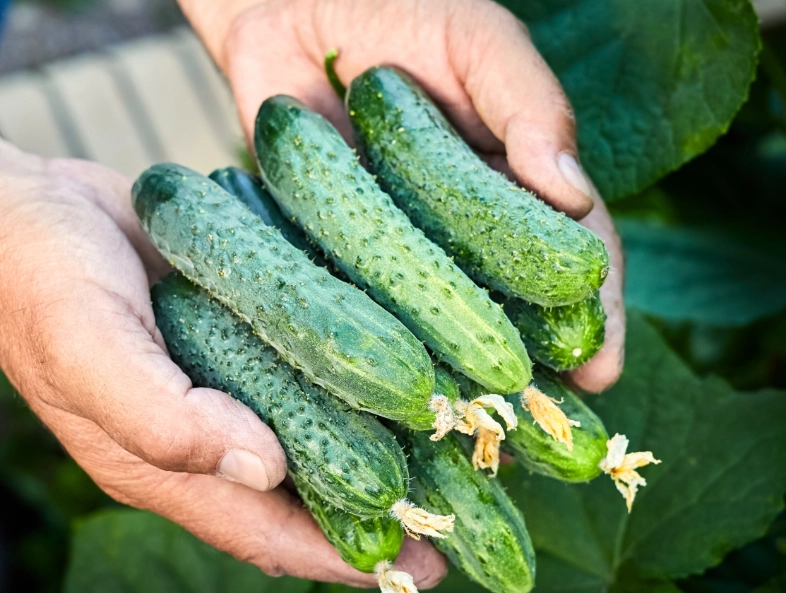
The Right Way to Harvest (Without Hurting the Vine)
This is where you can do real damage. Yanking or twisting can rip a section of the vine off, opening it up to disease and killing future fruits on that section.
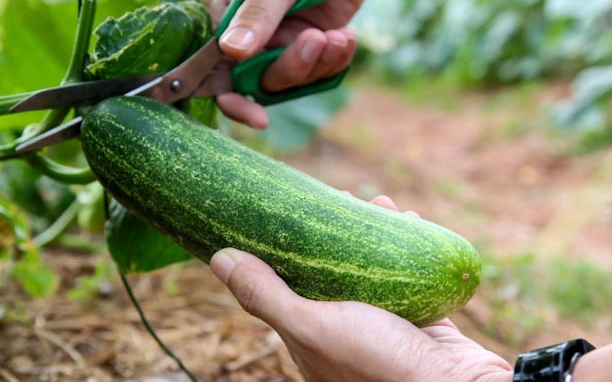
Use the right tool: A pair of clean, sharp garden shears or pruners is non-negotiable. Scissors can work in a pinch, but they often crush the stem. Don't use a knife; it's too easy to slip and cut yourself or the vine.
The technique:
- Hold the cucumber gently in one hand.
- With your shears in the other hand, locate the stem about a quarter to half an inch above where it connects to the cucumber.
- Make a clean cut. Leave that small piece of stem attached to the fruit. This "handle" isn't just for looks—it helps seal the end and slows moisture loss, keeping your cucumber fresher longer. If you tear it off flush, you create a wound that wilts quickly.
Harvest in the morning if you can. The fruits are full of water and the temperatures are cooler, which means they are crisper and will store better.
What to Do After You Pick Them
Your job isn't over at harvest. How you handle cucumbers post-pick determines their shelf life and taste.
Don't wash them yet. That thin, natural waxy coating helps protect them. Washing introduces moisture that can lead to rot. Just gently brush off any obvious dirt.
Cool them down, fast. Cucumbers are over 90% water. Getting them into a cool environment quickly is the secret to maintaining that legendary crunch. If you can't get them inside immediately, at least keep them in the shade.
Storage is simple but specific:
- Where: In the crisper drawer of your refrigerator.
- How: Place them in a perforated plastic bag or wrap them loosely in a slightly damp paper towel. This maintains high humidity without causing condensation that leads to slime. The University of California's Postharvest Technology Center recommends storing cucumbers at 45-50°F (7-10°C), which is often a bit warmer than the average fridge setting, so the crisper is perfect.
- What to avoid: Never store cucumbers next to tomatoes, bananas, or melons. These fruits release ethylene gas, which accelerates ripening and decay in cucumbers, making them soft and yellow prematurely.
For best quality, try to use them within a week. They're at their peak within the first 2-3 days.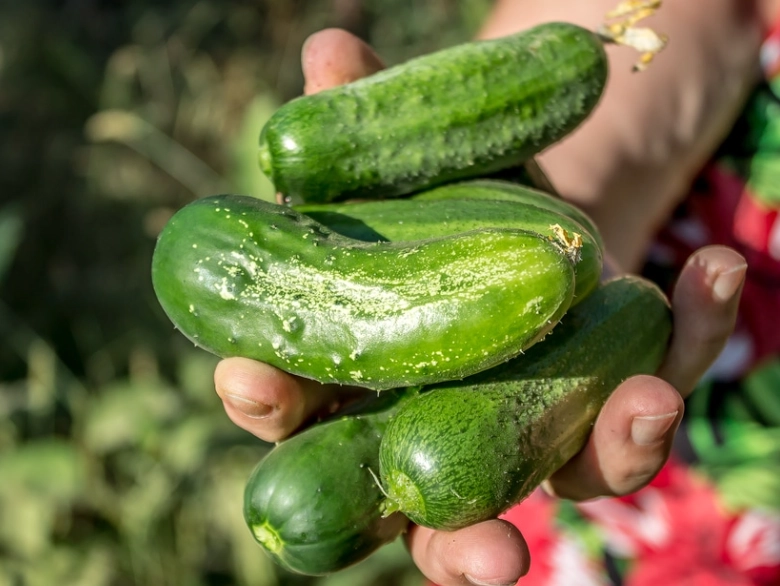
Your Cucumber Picking Questions, Answered
Picking cucumbers perfectly isn't about following a rigid rule. It's about daily observation, gentle hands, and understanding that you're in a partnership with the plant. Pick regularly to keep it producing, handle the fruits with care, and you'll be rewarded with the crisp, refreshing taste of summer right from your own garden.
Reader Comments