Let's be honest. Split pea soup doesn't win any beauty contests. It's a humble, earthy-looking bowl of green or yellow mush. But if you judge it by its cover, you're missing out on one of the most nutritionally dense, budget-friendly, and satisfying meals you can make. Forget the bland, institutional versions you might remember. A well-made split pea soup is a flavor bomb and a legitimate nutritional powerhouse. I've been making it for years, tweaking recipes, and I'm still impressed by what a simple bag of dried peas can deliver. This isn't just food for a cold day; it's fuel for a healthy body.
What's Inside This Bowl?
The Raw Numbers: A Nutritional Breakdown
To understand why this soup is so good for you, we need to look at the star ingredient: the split pea. According to the USDA FoodData Central, dried split peas are a nutritional concentrate. When cooked into a standard one-cup serving of soup (about 250ml), you're getting a remarkable profile. Here’s a look at what a typical homemade batch, made with carrots, onions, celery, and a ham bone for flavor, delivers per serving.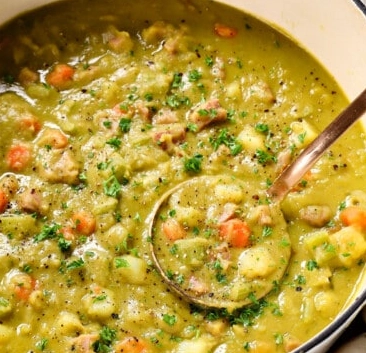
| Nutrient | Approximate Amount per Serving | % Daily Value (DV)* |
|---|---|---|
| Calories | ~180-220 | 9-11% |
| Protein | 12-15g | 24-30% |
| Dietary Fiber | 8-12g | 28-43% |
| Iron | 2.5-3mg | 14-17% |
| Potassium | ~600mg | 13% |
| Folate (Vitamin B9) | ~80mcg | 20% |
| Manganese | ~0.6mg | 26% |
| Total Fat | 2-4g (mostly unsaturated) | Low |
| Sodium | Varies widely (see below) | - |
*Based on a 2,000 calorie diet. Percentages are estimates.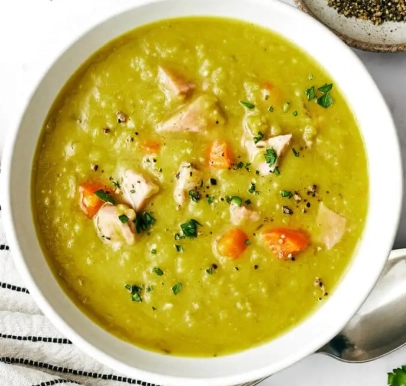
The protein and fiber numbers are the real headliners. Getting nearly a third of your daily fiber and a quarter of your protein from a single bowl of soup is exceptional. It's a combination rarely found in other convenience foods or even many restaurant meals.
Beyond the Numbers: Tangible Health Benefits
So what do these numbers actually do for you? Let's connect the dots.
Sustained Energy and Weight Management
The high fiber and protein combo is a secret weapon. Fiber slows down digestion, which means the carbohydrates in the peas are released as glucose slowly into your bloodstream. No sugar crash an hour later. The protein also promotes satiety—the feeling of fullness. I find a bowl for lunch keeps me going straight through to dinner without a hint of the 3 PM snack cravings. It's incredibly efficient for managing hunger and supporting a healthy weight.
A Friend to Your Heart and Blood Pressure
The soluble fiber in split peas is famous for its ability to help lower LDL (the "bad") cholesterol. It acts like a sponge in your digestive tract, binding to cholesterol and helping remove it from the body. The potassium content helps counteract the effects of sodium and supports healthy blood pressure levels. Just remember to keep that sodium in check during cooking for the full benefit.
Digestive Health and Gut Support
All that fiber is a prebiotic feast for the beneficial bacteria in your gut. A healthy gut microbiome is linked to everything from improved immunity to better mood. The resistant starch in cooked-and-cooled legumes (yes, leftover split pea soup!) acts as an even more potent prebiotic. Don't be afraid of leftovers; they might be even better for you.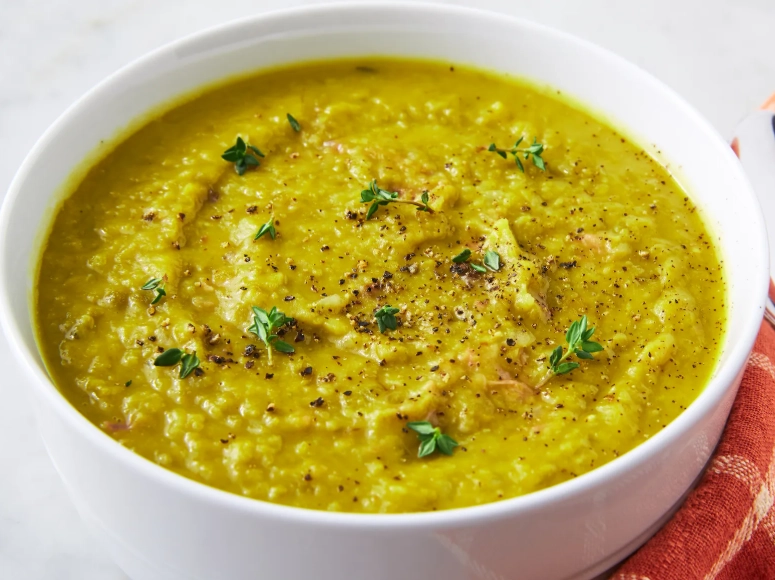
How to Maximize the Nutrition in Your Pot
Anyone can boil peas. Making a truly nutritious soup requires a bit of intention. Here’s what I’ve learned from trial and error.
Start with Aromatics, Not Fat. Sauté your onions, carrots, and celery in a splash of broth or water instead of a half-stick of butter. You'll develop the flavor base without unnecessary saturated fat.
Choose Your Protein Wisely. The classic ham bone adds flavor, but also fat and sodium. For a leaner option, try smoked turkey. For a plant-based powerhouse, skip the meat entirely and add umami with dried mushrooms, a strip of kombu seaweed (removed before serving), or a tablespoon of white miso paste stirred in at the end.
Boost the Veggies. The standard mirepoix is just the start. I almost always throw in a chopped sweet potato for extra vitamins and a touch of sweetness. Right before serving, stir in a few big handfuls of chopped spinach or kale. They'll wilt in the hot soup, adding color, texture, and a massive nutrient boost (vitamins K, A, C) with almost no extra calories.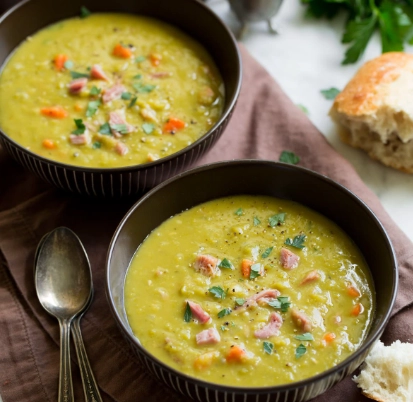
The Iron Absorption Hack. Plant-based iron (non-heme iron) isn't absorbed as easily as the iron from meat. Here's a pro tip: serve your soup with a side that's high in Vitamin C. A simple side salad with lemon juice in the dressing, or even a glass of orange juice with your meal, can significantly increase how much of that good iron your body actually uses.
Split Pea Soup in Your Diet Plan
Wondering if this soup fits your specific eating style? Let's break it down.
Vegetarian & Vegan: It's a perfect fit. Just omit the meat. Use vegetable broth and lean on the tips above for adding depth of flavor (mushrooms, smoked paprika, nutritional yeast). You've got a complete, high-protein meal.
Gluten-Free: Naturally gluten-free. Just double-check your broth brand to ensure no hidden gluten additives.
Low-Carb/Keto: This is where it gets tricky. A cup of soup contains about 20-25g of net carbs, primarily from the peas. It's too high for strict keto but could potentially fit into a more moderate low-carb plan as an occasional meal, focusing on its high fiber and protein.
Diabetic-Friendly: Surprisingly good. The high fiber content gives it a low glycemic load, meaning it has a minimal impact on blood sugar spikes when eaten in a reasonable portion. Pair it with a side salad for balanced blood sugar response.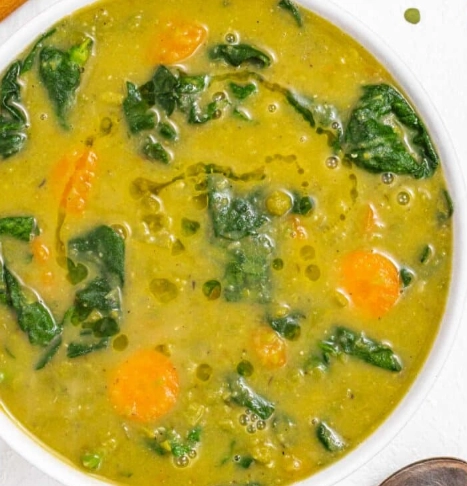
Your Split Pea Soup Questions, Answered
So, next time you see a bag of split peas on the shelf, don't just walk past. You're looking at an affordable, versatile, and incredibly nutritious foundation for a meal that truly nourishes. It’s proof that the simplest foods are often the most powerful.
Reader Comments