June is a magic month for fruit lovers. It's the sweet spot where spring's delicate offerings give way to summer's bold, juicy bounty. If you've ever bitten into a bland, mealy strawberry in December, you know the difference. Eating what's in season now isn't just a trendy slogan—it's the key to incredible flavor, better nutrition, and supporting your local food system. Let's cut through the noise and talk about exactly what you should be looking for at the market this month.
What's Inside This Guide?
What Fruits Are in Season in June?
This is the month your fruit bowl starts to look like a rainbow. The harvest shifts dramatically from week to week, but here’s your core lineup. I like to think of them in three groups: the delicate berries, the sturdy stone fruits, and the early summer surprises.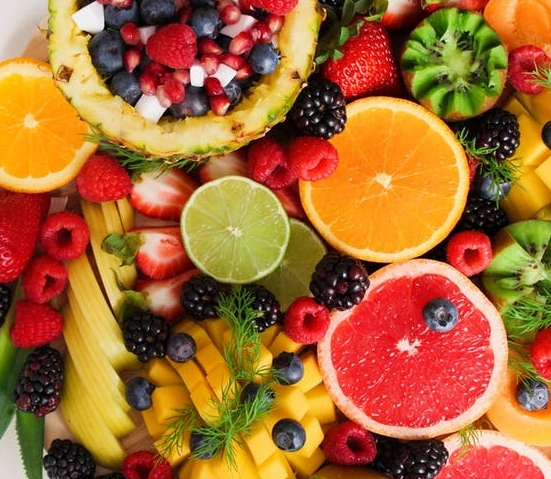
| Fruit | Key Varieties to Look For | Flavor Notes & Peak | Best For |
|---|---|---|---|
| Strawberries | June-bearing types (like Honeoye, Jewel). Day-neutral varieties extend the season. | Peak sweetness in early-mid June. A true, deep red color inside and out means best flavor. | Eating fresh, jams, shortcakes, macerating for sauces. |
| Cherries | Sweet: Bing, Rainier. Sour/Tart: Montmorency (for pies). | Sweet cherries arrive first. Rainiers (yellow-red) are super sweet. Look for firm, glossy stems. | Snacking, clafoutis, preserving in liquor, freezing for smoothies. |
| Blueberries | Highbush varieties start. Look for local "wild" or lowbush for intense flavor. | Flavor builds through the month. A dusty white "bloom" is natural and protective. | Pancakes, salads, compotes, freezing on a tray for year-round use. |
| Raspberries & Blackberries | Raspberries (red, golden). Blackberries (often later June/July, but early varieties appear). | Incredibly perishable. Buy local if possible—the flavor difference is night and day. | Eat immediately, coulis, swirl into yogurt or oatmeal, vinegar infusions. |
| Apricots | Blenheim is a gold standard for flavor. Often a short, glorious window. | Should yield slightly to gentle pressure and smell fragrant. Avoid green tinges. | Drying, jam (with a hint of almond extract), roasting with chicken. |
| Peaches & Nectarines | Early clingstone varieties (flesh clings to pit). Freestone comes later in summer. | Don't judge by color alone. Look for a subtle give and a sweet, peachy aroma. | Grilling, cobblers, salsa, slicing into salads, Bellinis. |
| Plums | Early Japanese varieties (like Santa Rosa). European plums (for prunes) come later. | Skin should be taut, not wrinkled. A slight give at the stem end indicates ripeness. |
One mistake I see every year? People buying rock-hard apricots or peaches and expecting them to ripen into something juicy. With stone fruit, if there's no fragrance at the stem end, it was picked too early and will never develop its full potential. It might soften, but it'll be bland and mealy. Trust your nose more than the color.
How to Select and Store June Fruits Like a Pro
Getting the best flavor home is half the battle. These fruits are living, breathing things, and how you handle them matters.
The Golden Rule: Don't Wash Until You're Ready to Eat
This is the number one tip to prevent mold and mushiness. Moisture is the enemy of freshness in your fridge. Bring berries and cherries home, pick out any damaged ones (they spoil the bunch), and store them dry in their original container or a breathable bowl lined with a paper towel.
Stone Fruit Ripening 101
If your peaches, nectarines, or apricots are firm, leave them on the counter in a paper bag. Adding a banana or apple to the bag speeds things up with ethylene gas. Check daily. Once they yield to gentle pressure and smell amazing, then refrigerate to slow down further ripening. They'll keep for a few more days cold.
Cherries are the exception—they don't ripen after picking. Refrigerate them immediately, unwashed, in a breathable bag. They can last over a week this way.
Beyond Raw: Creative Ways to Use Your June Haul
Okay, you've snacked. Now what? When you find a great deal at the farmers' market, here's how to make the most of it without getting bored.
The "Everything" Fruit Salad: Go beyond melon. Combine sliced strawberries, pitted cherries, blueberries, and diced apricots. Add a sprinkle of fresh basil or mint and a tiny drizzle of aged balsamic vinegar. It transforms the ordinary.
Grill It: Halve peaches or nectarines, brush with a little oil, and grill cut-side down until caramelized. Amazing with ice cream, grilled pork, or burrata cheese. Firm plums work too.
Make a Quick Compote or Sauce: Simmer any slightly soft berries or pitted cherries with a splash of water and a little sweetener until they break down. Strain for a smooth sauce for cheesecake or pancakes, or leave chunky for yogurt. A pinch of cinnamon or a few black peppercorns can add depth.
Preserve a Taste of June: You don't need to can. Make a small-batch freezer jam with strawberries or apricots. Or, macerate sliced strawberries in sugar and a splash of vinegar for a quick shrub syrup for cocktails and sodas.
Last summer, I bought a flat of slightly bruised but perfectly flavorful apricots for a song. I made two jars of jam, dried two trays in the oven, and froze the rest for winter oatmeal. Not a single one was wasted, and the flavor in January was a revelation.
Reader Comments