Let's talk about strawberry poppy seed dressing. You've probably tasted it at a nice salad chain or seen the bottle at the store. That perfect balance of sweet berry, a tangy kick, and those little crunchy poppy seeds. It turns a boring bowl of greens into something you actually look forward to. But here's the thing most recipes won't tell you: the store-bought versions are often loaded with sugar, stabilizers, and a price tag that's hard to swallow for what's essentially blended fruit and oil. Making it yourself isn't just cheaper; it's a game-changer in flavor and versatility. I've been making this dressing for a decade, and I'll show you how to nail it every time, plus some tricks you won't find on the back of a bottle.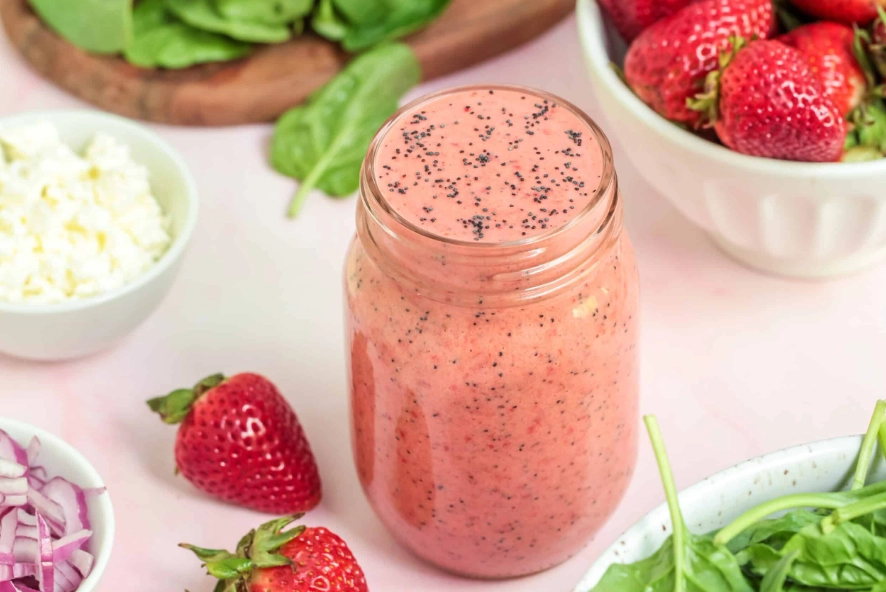
What You'll Find in This Guide
The Master Recipe & Step-by-Step
This is my go-to, foolproof base. It's balanced, emulsifies well, and works as a springboard for all your customizations.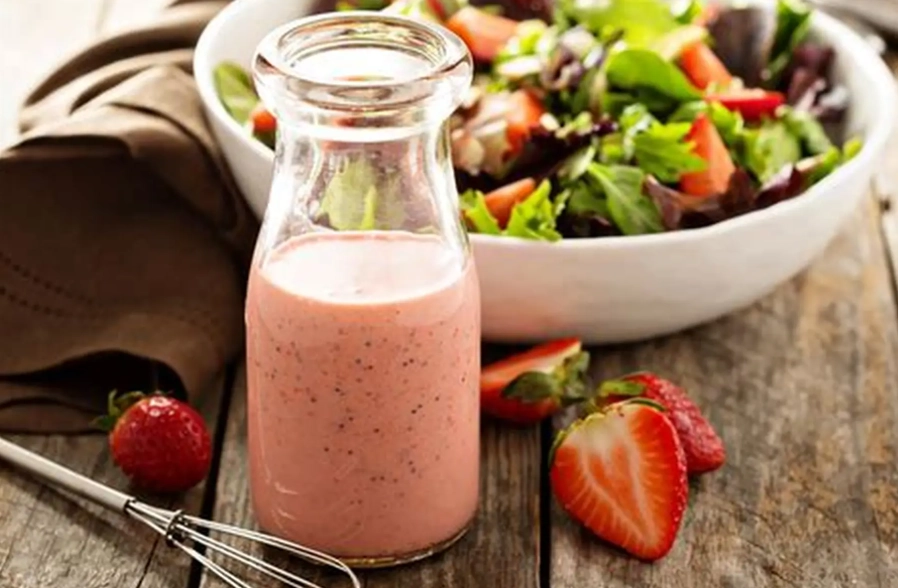
Classic Strawberry Poppy Seed Dressing
Yield: About 1 ½ cups | Prep Time: 10 minutes | No cooking required.
Ingredients:
- Fresh Strawberries: 1 cup, hulled and roughly chopped (about 8-10 medium berries). Frozen work in a pinch, see FAQ.
- Neutral Oil: ½ cup. I prefer avocado oil for its mild flavor and health profile. Grapeseed or a light olive oil works too.
- Apple Cider Vinegar: 3 tablespoons. This is my secret for depth. White wine vinegar is a fine substitute.
- Honey or Maple Syrup: 2 tablespoons. Adjust to your sweetness preference.
- Dijon Mustard: 1 teaspoon. The unsung hero of emulsification and tang.
- Poppy Seeds: 1 tablespoon.
- Salt: ¼ teaspoon.
- Black Pepper: A few cracks.
- Optional: 1 small shallot (minced) for bite, or a pinch of onion powder.
Instructions:
- Blend the Base: In a blender, combine the strawberries, vinegar, honey, Dijon mustard, salt, and pepper. Blend on high until completely smooth, about 30 seconds. Scrape down the sides if needed.
- Emulsify: With the blender running on medium speed, slowly drizzle in the oil. I mean slowly—a thin, steady stream. This is the key to a creamy, non-separating dressing. The mixture will thicken as you go.
- Finish: Pour the dressing into a jar or bowl. Stir in the poppy seeds by hand. Taste it. This is crucial. Want it sweeter? Add a touch more honey. More tang? A splash of vinegar. Adjust now.
- Rest & Serve: Let it sit for at least 15 minutes before using. This allows the flavors to marry and the poppy seeds to soften slightly. Store in an airtight jar in the fridge.
See? Not rocket science. But the magic is in the details. Let's break down why each piece matters.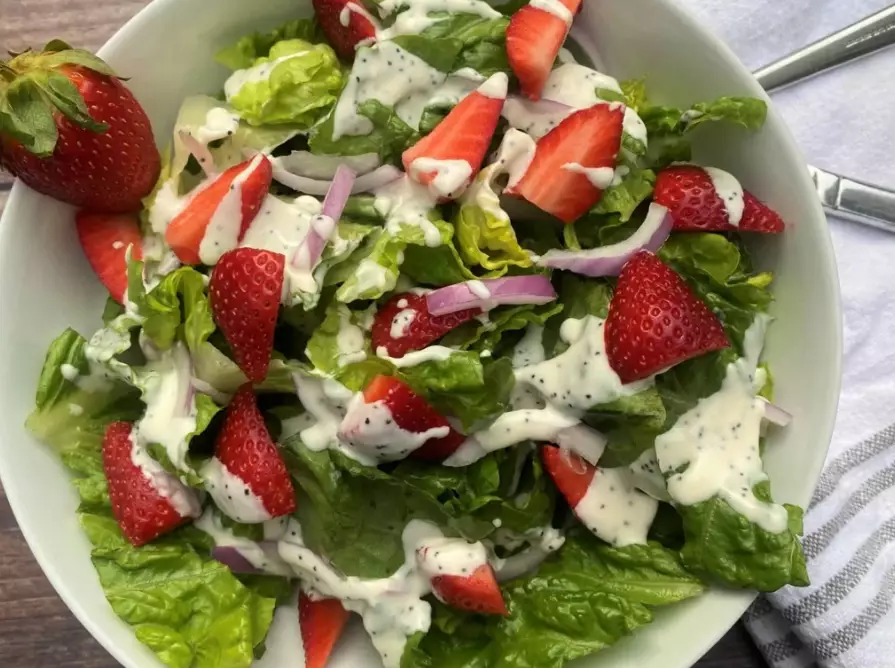
The Ingredient Deep Dive: Why Each One Matters
Swapping ingredients willy-nilly is where homemade dressings fail. Understanding the role of each component lets you adapt with confidence.
Strawberries: Fresh vs. Frozen & The Ripeness Factor
Fresh, ripe strawberries are ideal. They have the brightest flavor and natural sweetness. Under-ripe berries are tart and pale. A common mistake? Using giant, watery, off-season strawberries. They dilute flavor. If that's all you have, consider reducing the oil slightly or adding a teaspoon of strawberry jam to boost the berry essence.
Frozen strawberries are a legitimate backup. Thaw them completely and drain the excess liquid, or you'll end up with a watery dressing. The flavor can be more concentrated, sometimes even better than off-season fresh.
The Oil: Your Dressing's Body and Backbone
Extra virgin olive oil can be overpowering here, muting the strawberry. A neutral oil like avocado, grapeseed, or a light "pure" olive oil lets the fruit shine. The oil isn't just fat; it's what gives the dressing its luxurious, coating mouthfeel. Skimp on it, and you get a vinaigrette. Embrace it, and you get a creamy emulsion.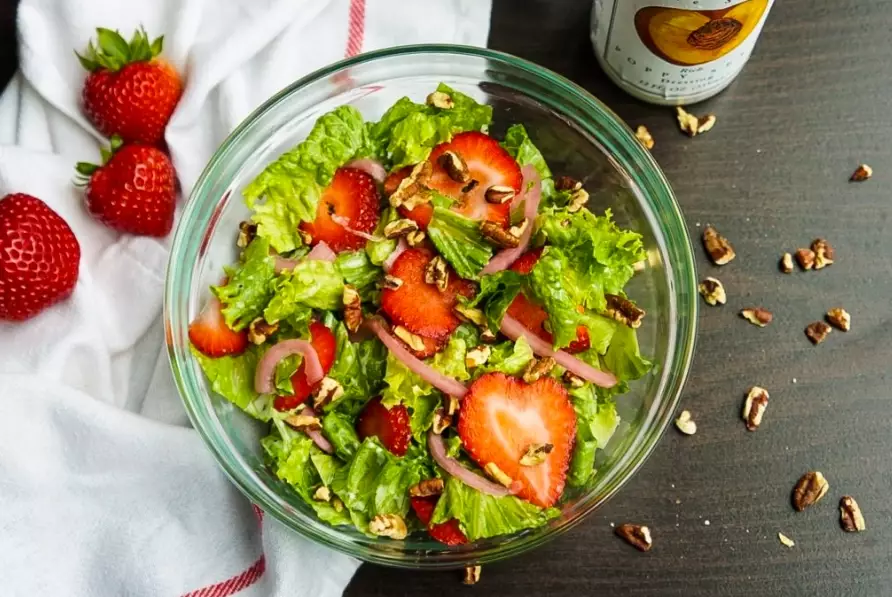
The Sweet-Tang Balance: Vinegar & Sweeteners
Apple cider vinegar has a fruity acidity that complements strawberries beautifully. White wine vinegar is cleaner. Avoid plain white vinegar—it's too harsh. Balsamic can be delicious but will turn your dressing brown.
Honey and maple syrup dissolve easily and add flavor complexity. Granulated sugar can leave a gritty texture unless you blend for a very long time. Agave is a fine neutral alternative. The goal is balance, not cloying sweetness. The tang should still poke through.
Poppy Seeds: Texture and Nuance
They're not just for looks. They provide a subtle nutty flavor and that iconic, delicate crunch. Always add them after blending. If you blend them in, you'll just get gray specks and lose all texture. Toasting them lightly in a dry pan for 30 seconds can enhance their nuttiness, but it's an extra step I often skip for simplicity.
How to Customize Your Dressing (Fix Common Mistakes)
Your first batch might not be perfect. That's fine. Here's how to course-correct.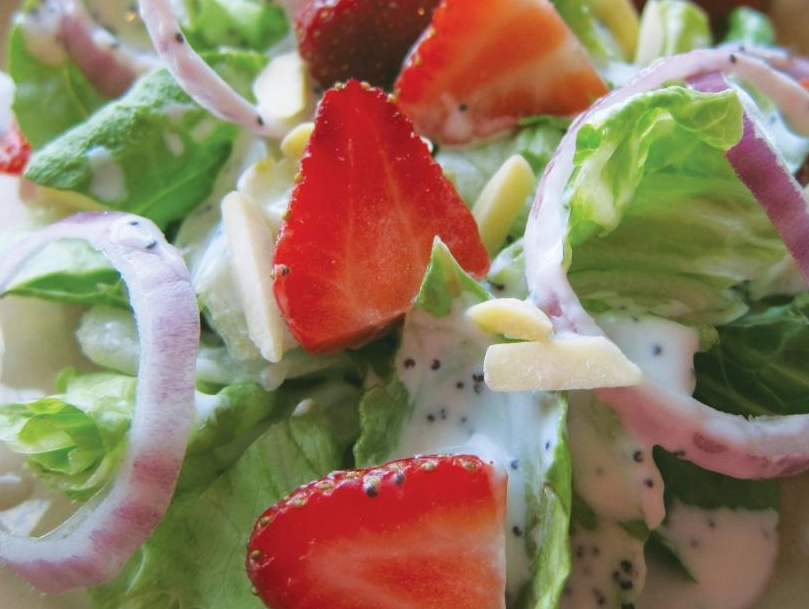
Too thin/runny? You likely added the oil too fast or didn't have enough emulsifiers (the Dijon and strawberry pulp). Fix: Blend in another ½ teaspoon of Dijon mustard or a tablespoon of Greek yogurt. Alternatively, just shake well before each use—homemade dressings often separate.
Too thick/gluey? Over-blending or using too much strawberry pulp can do this. Thin it out with a teaspoon of water or more vinegar until it reaches a pourable consistency.
Not sweet enough? Add sweetener a half-tablespoon at a time, whisking or blending briefly to incorporate.
Lacking punch? A pinch of salt can miraculously brighten flavors. Also, try a tiny bit of lemon zest or a minced shallot blended in from the start.
Beyond the Salad Bowl: Unexpected Uses
If you only use this on spinach salad with goat cheese, you're missing out. Its sweet-tangy profile is incredibly versatile.
As a Marinade: It's fantastic for chicken, especially grilled chicken breasts or thighs. The acidity helps tenderize, and the sugars create a beautiful glaze. Marinate for 1-4 hours.
As a Dipping Sauce: Think outside the box. It's a killer dip for crispy tofu nuggets, sweet potato fries, or even as a drizzle over a cheese board alongside brie and crackers.
For Grain Bowls: Toss it with quinoa, farro, or couscous. Add some grilled vegetables, chickpeas, and feta for an instant lunch.
On Fruit Salad: Sounds redundant, but a light drizzle over a mix of melon, berries, and mint is surprisingly refreshing.
With Dessert: A small pool under a slice of pound cake or pavlova? Yes, please. It's a fruit sauce in disguise.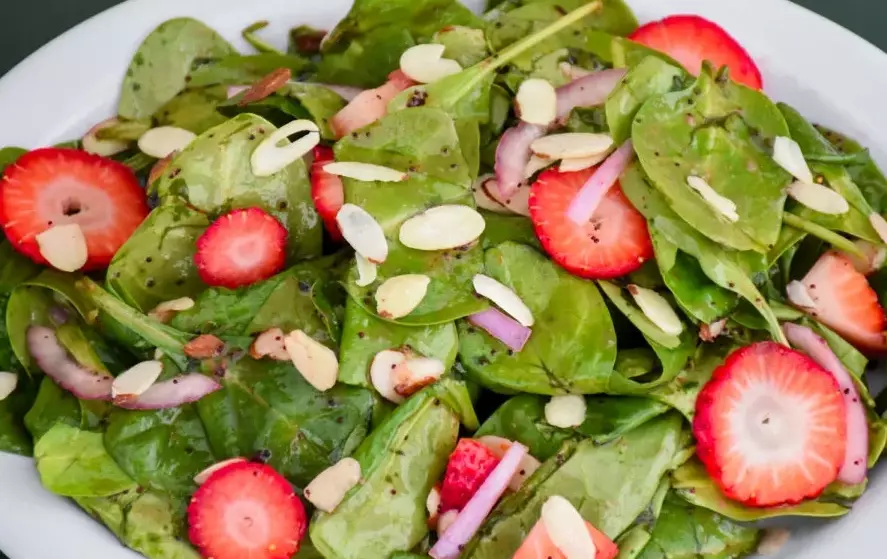
Store-Bought Alternatives: A Quick Comparison
Sometimes you just need convenience. If you're buying, here’s what to look for based on my tastings. I'm not a fan of most—they're too sweet and lack fresh berry flavor—but a few stand out.
| Brand | Price Point | Key Notes & My Take | Best For |
|---|---|---|---|
| Brianna's Homestyle | Mid-Range | Widely available. Creamy, quite sweet, decent poppy seed texture. Tastes more like a sweet dressing than fresh strawberries. Contains soybean oil, sugar. | If you want a classic, sweet restaurant-style taste and aren't concerned with a clean label. |
| Annie's Naturals | Mid-to-High | Organic, simpler ingredient list. Less sweet than Brianna's, with a more pronounced tang. Berry flavor is still a bit "preserved." A solid supermarket organic choice. | Those prioritizing organic ingredients and a less sugary profile. |
| Girard's | Mid-Range | Often found in nicer grocery stores. Has a brighter, fruitier note, possibly from using concentrate. Still contains corn syrup and stabilizers. | A slightly more "gourmet" tasting bottle when homemade isn't an option. |
| Local/Farmers Market Brands | High | Varies greatly. Sometimes you find gems with real fruit and honey. Read the label—if strawberries are first, it's promising. Price is the main barrier. | Supporting local and finding the closest thing to homemade without the work. |
The bottom line? Even the best store-bought dressing can't match the vibrant, fresh flavor of a homemade batch you whiz up in 10 minutes. The bottled stuff is a backup plan.
Your Strawberry Poppy Seed Dressing Questions, Answered
My dressing separated in the fridge overnight. Did I do something wrong?
Not necessarily. Most oil-and-water-based emulsions separate when cold. It's completely normal. Just give the jar a good shake or stir before using. To improve stability, ensure you're drizzling the oil slowly during emulsification and using the Dijon mustard, which acts as an emulsifier. A tiny pinch of xanthan gum (like 1/16 teaspoon) blended in will keep it perfectly united, but it's not necessary.
Can I use frozen strawberries straight from the freezer?
I don't recommend it. The ice crystals will water down your dressing significantly, and the cold can prevent proper emulsification. Thaw them completely in a strainer over a bowl. Use the drained berries and discard (or drink) the flavorful juice that collects. That juice is potent—you could add a teaspoon back in if the dressing seems too thick.
 How long does homemade strawberry poppy seed dressing actually last?
In a clean, airtight jar in the fridge, 5 to 7 days. The fresh fruit is the limiting factor. You'll notice the color may darken slightly and the flavor mellow after day 4. It won't necessarily "go bad," but the bright, fresh taste diminishes. It does not freeze well—the texture becomes grainy and separated upon thawing.
I'm out of poppy seeds. Can I just leave them out?
Absolutely. You'll have a delicious strawberry vinaigrette. The texture will be different, but the flavor core remains. If you want some crunch, a teaspoon of toasted sesame seeds or finely chopped almonds can be a fun, non-traditional substitute.
This dressing made my salad soggy after a few hours. How do I pack it for lunch?
This is a classic lunch-packing fail. The dressing, especially a fruit-based one, wilts greens quickly. The solution is simple: pack the dressing separately in a small container or reusable pouch. Toss it with your salad just before you eat. For meal prep, store the dressing in the jar and the dry salad ingredients (greens, nuts, cheese, etc.) in your main container. Combine at mealtime.
So, there you have it. More than just a recipe, a full toolkit for mastering strawberry poppy seed dressing. It’s one of those simple kitchen skills that pays off every time you make it. You control the sugar, you celebrate the fresh fruit, and you get to put your own spin on it. Give the master recipe a try this week. I bet you won't go back to the bottle.
Reader Comments