Your Fig Season Roadmap
- So, When Exactly Is Fig Season? (It's Trickier Than You Think)
- The Art of Picking the Perfect Fig: A Tactile Guide
- The Eternal Struggle: How to Store Fresh Figs So They Don't Die Overnight
- Okay, I Have Perfect Figs. Now What Do I Do With Them?
- Fig Season FAQs: Your Burning Questions, Answered
- Wrapping Up: Embrace the Impermanence
Let's be honest, fig season feels like a secret club. You see them at the farmer's market for what seems like two minutes, and if you blink, you miss it. One week they're hard as rocks, the next they're a pile of mush. It's frustrating. I remember the first time I bought a beautiful basket, only to find half of them fermented into jam inside the fridge two days later. Total heartbreak.
But it doesn't have to be that way. Once you get the rhythm of fig season down, it's one of the most rewarding times of the year for a food lover. The flavor of a perfectly ripe, sun-warmed fig picked at its peak is unlike anything you can buy in a store off-season. This guide is everything I wish I'd known years ago—a mix of practical know-how, some hard-learned lessons, and a whole lot of excitement for this brief, glorious window.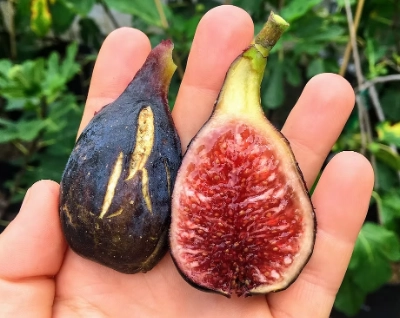
The Core Idea: Fig season isn't a single date on a calendar. It's a shifting timeline dictated by your local climate, the fig variety, and that year's weather. The goal is to sync your kitchen with that natural rhythm.
So, When Exactly Is Fig Season? (It's Trickier Than You Think)
Ask ten people and you might get ten answers. "Late summer!" "Early fall!" The truth is, it's a range, and pinning it down is the first step to fig success.
For most of the United States, the primary fig season runs from late August through early October. But that's a massive oversimplification. In warmer climates like California or the Deep South, you might get the first ripe Black Mission or Brown Turkey figs as early as July. In cooler, northern areas, you might be waiting until September, and the season may only last a few precious weeks.
It's a short window. That's why they feel so special.
There's even a phenomenon called the "breba" crop. Some fig varieties produce a small, early harvest in late spring or early summer on the previous year's growth. These breba figs are often less prolific and sometimes not as sweet as the main crop, but hey, they're an early preview! The main event, the big harvest, comes later on the new growth. The California Fig Advisory Board has great details on which varieties are known for good breba crops.
Fig Season by Variety (A Rough Timeline)
Not all figs ripen at once. Here’s how some common types usually stack up:
| Fig Variety | Color/Description | Typical Peak Ripeness | Flavor Notes |
|---|---|---|---|
| Black Mission | Purple-black skin, pink flesh | Early to Mid-Season (Often first) | Classic, rich, berry-like, very sweet |
| Brown Turkey | Copper-brown skin, amber flesh | Mid-Season | Milder, nuttier, less sweet, great for cooking |
| Kadota | Greenish-yellow skin, amber flesh | Mid to Late Season | Sweet but less intense, often used in dried figs/canning |
| Calimyrna | Greenish-gold skin, light flesh | Late Season | Distinctively nutty and honey-like (Note: Often requires pollination) |
| Tiger Fig (Panache) | Green with dark stripes, red flesh | Late Season | Exceptionally sweet, raspberry-like flavor |
See? If you only look for "figs" in August, you might miss the late-season stars. This variety schedule is why visiting a good farmer's market regularly during the fig season span is key—you'll see the cast of characters change.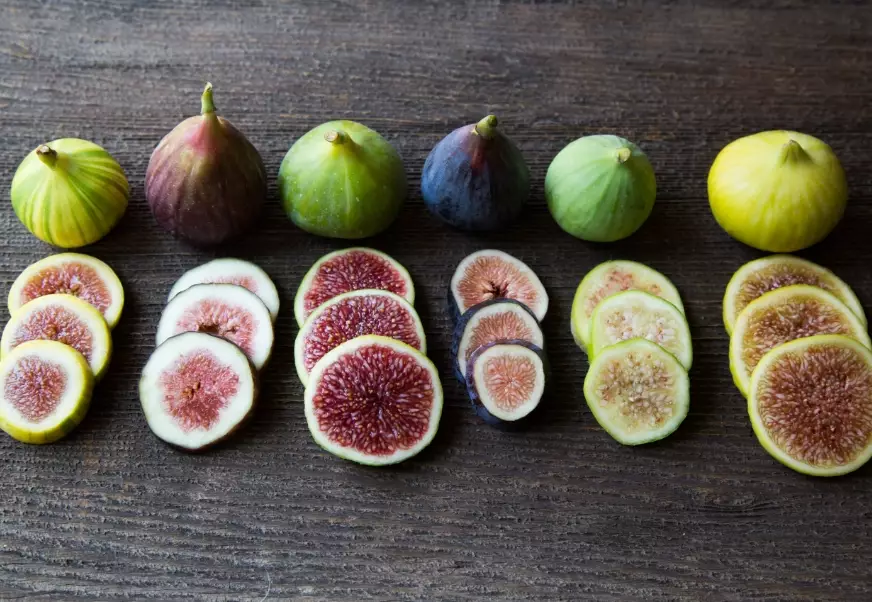
The Art of Picking the Perfect Fig: A Tactile Guide
Forget the squeeze test you use for avocados. A ripe fig is a subtle creature.
Look: The color should be deep and rich for its variety. A Green Kadota will be a warm yellow-green, not a bright grass green. The skin might show small cracks or tears near the stem when it's supremely ripe and sugary—that's a good sign! Avoid figs with large, open bruises or ones leaking excessively.
Feel: This is the most important part. A ripe fig should yield to gentle pressure, like a barely-inflated balloon. It should feel tender, not firm, but also not mushy. The neck (stem end) should be soft, not rigid. If it feels hard, it was picked too early and won't develop more sweetness. If it feels like a water balloon, it's over the hill.
The Stem Test: If you're picking your own (lucky you!), a ripe fig will droop on its branch, and the stem should break easily with a slight bend. If you have to tug, it's not ready.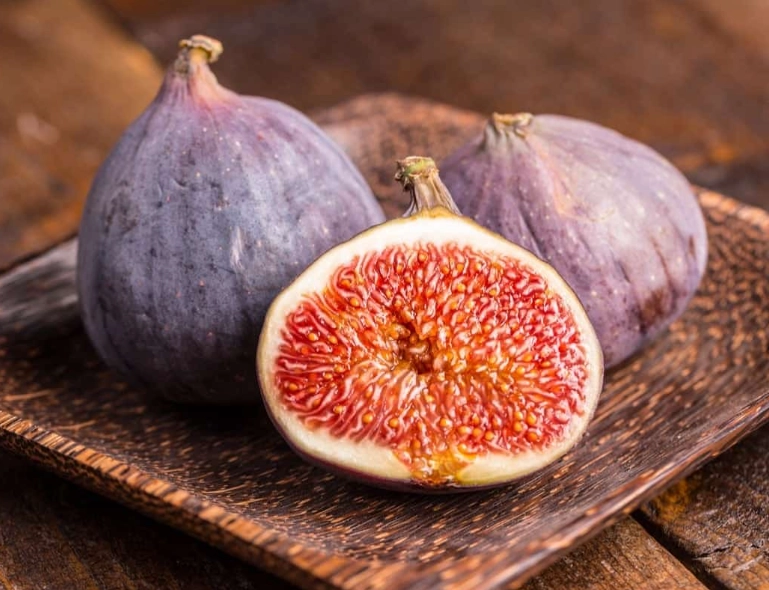
Watch Out for Sap: Freshly picked figs, especially from the stem end, can ooze a milky latex sap that can irritate skin. It's a natural defense for the tree. Some people are more sensitive than others. I learned this the itchy way. Washing your hands after handling or wearing gloves is a smart move.
What about the white "bloom" on some figs? That's a natural, powdery wax called pruinose. It's a sign of freshness, like on grapes. Don't wash it off until you're ready to eat.
The Eternal Struggle: How to Store Fresh Figs So They Don't Die Overnight
This is the biggest pain point, right? You bring home these precious gems and they turn against you in 48 hours. Figs are basically ripe fruit with a very short shelf life. They're not meant to be stored for long.
The Golden Rule: Don't Wash Them Until You're Ready to Eat. Moisture is the enemy of freshness here.
- For Immediate Use (1-2 days): Place them in a single layer on a plate or shallow bowl. Don't pile them up! They bruise each other. Leave them at cool room temperature, out of direct sun. A ripe fig's flavor is often best at room temp.
- To Extend Life Slightly (2-3 days): Put that single layer on a paper towel-lined tray or container and place it in the coldest part of your refrigerator (usually the back, not the door). The crisper drawer can work if it's not too humid. The paper towel absorbs excess moisture.
The fridge is a last resort, not a long-term solution. It dulls flavor and texture.
What NOT to do: Don't store them in an airtight plastic bag or sealed container. They'll sweat, get slimy, and mold faster. That sealed clamshell from the grocery store? Take them out as soon as you get home.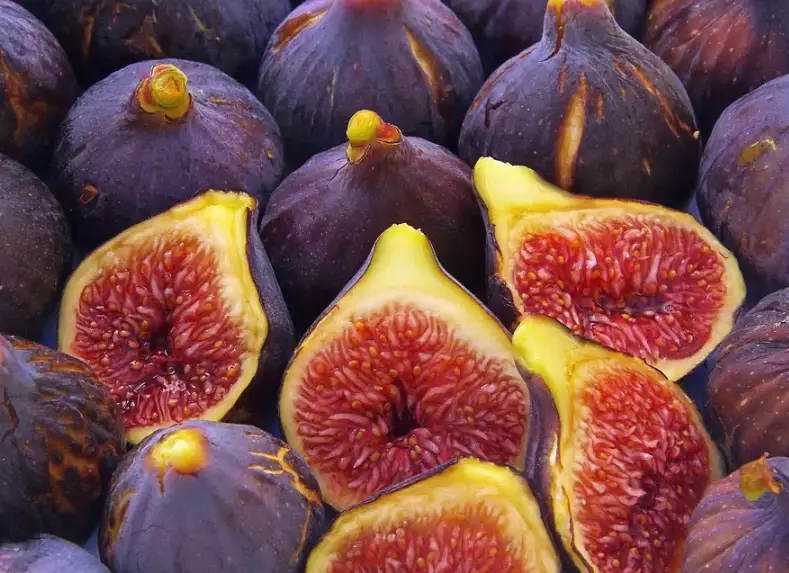
What If You Have Too Many? Preservation is Key.
A bountiful fig season means you need a game plan. Here are your best bets, ranked by my preference:
- Freezing: Surprisingly effective for later use in cooking. Wash, dry thoroughly, and cut off stems. You can freeze them whole on a parchment-lined tray, then transfer to a freezer bag. Or, slice or quarter them first. They'll be mushy when thawed but perfect for jam, sauces, or baking into muffins.
- Drying/Dehydrating: The classic method. You can sun-dry them (in low-humidity climates), use a dehydrator, or a very low oven. Dried figs are a fantastic snack and pantry staple. The USDA's food safety guidelines are worth a quick check for safe drying temperatures.
- Making Jam or Chutney: This is where figs shine. Their high pectin content means they set beautifully. A simple fig jam with a little lemon is a taste of summer in January.
- Pickling: Sounds weird, tastes amazing. Pickled figs with spices like star anise and black pepper are an incredible cheese board accompaniment.
Pro-Tip: If your figs are slightly underripe or bland, roasting them concentrates their sugars and transforms them. Toss with a tiny bit of honey and thyme, roast at 400°F until caramelized. Game changer.
Okay, I Have Perfect Figs. Now What Do I Do With Them?
Beyond eating them out of hand (which is always the first right answer), figs are incredibly versatile.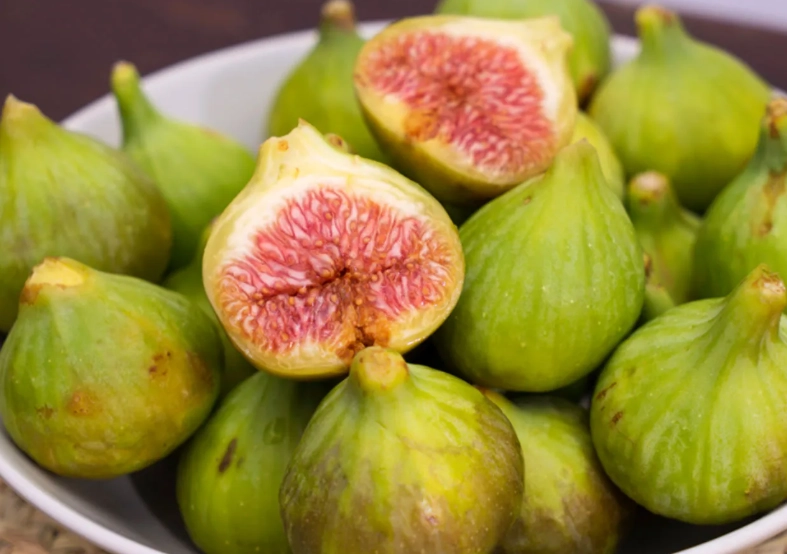
The Simple Classics:
- Halved on toast with ricotta and a drizzle of honey.
- Wrapped in prosciutto or serrano ham.
- Sliced into a salad with bitter greens (arugula, endive), nuts, and a sharp cheese (goat cheese, blue cheese).
- As a topping for yogurt or oatmeal.
A Step Further:
- Grilled: Cut in half, brush with oil, grill cut-side down for 2-3 minutes. Amazing with grilled meats or on a burger.
- In Savory Sauces: Chopped figs add a sweet depth to pan sauces for pork, chicken, or duck. Deglaze the pan with red wine or balsamic vinegar, add figs, let them break down.
- Fig & Onion Compote: Cook down thinly sliced onions with figs, a splash of vinegar, and herbs. Perfect with sausages or on a sandwich.
Baking with fresh figs is wonderful, but remember they have a lot of moisture. Tossing them in a little flour before folding into cake or muffin batter can help prevent a soggy bottom.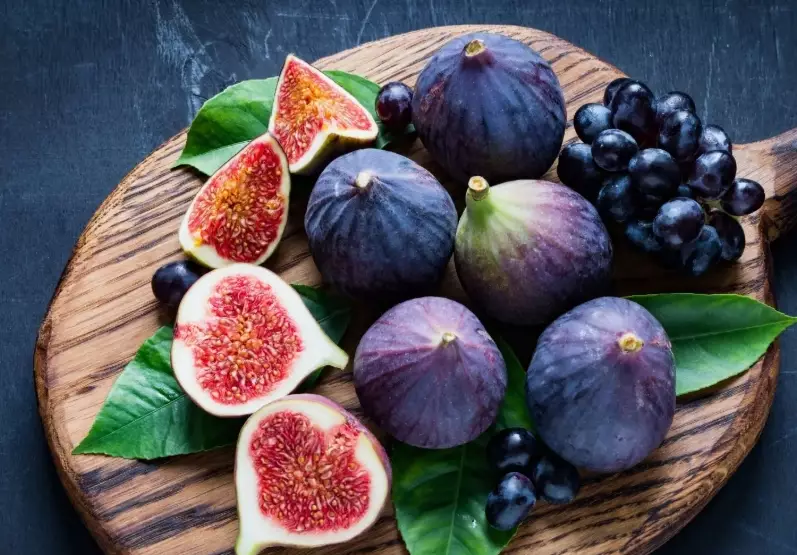
Fig Season FAQs: Your Burning Questions, Answered
Let's tackle the stuff you're actually searching for.
Can figs ripen off the tree?
This is the big one. Unlike bananas or avocados, figs are non-climacteric. This means they won't get significantly sweeter or develop new flavors after picking. They may soften (which feels like ripening), but the sugar content is set. So no, a rock-hard fig will never become a sweet, luscious one. Always pick or buy figs that are already showing signs of ripeness.
Why are my figs dry or not sweet?
Could be a few things. Lack of water during the final swelling phase can lead to dry figs. Extreme heat can cause them to ripen too fast before sugars fully develop. Sometimes, it's just the variety—some are milder. Or, they were picked way too early. A dry, pithy interior is often a sign of premature picking.
Are fresh figs good for you?
Absolutely. They're a good source of dietary fiber, potassium, calcium, and contain various antioxidants. They're naturally fat-free, cholesterol-free, and while they have natural sugars, they're a whole food with benefits. The USDA's FoodData Central has the full nutritional breakdown if you're curious about specifics.
What's the white stuff inside/on my fig?
Inside, it's just the natural, edible seeds—hundreds of tiny, crunchy seeds that are part of the texture. On the outside, as mentioned, it's the natural bloom (pruinose).
Can I grow my own figs to extend the season?
You can! Many varieties are surprisingly hardy and can be grown in containers if you're in a colder zone. Having your own tree is the ultimate way to control your fig season access. You can pick them at the absolute perfect moment. Do some research on cold-hardy varieties like 'Chicago Hardy' or 'Celeste' if you're in a northern climate.
Wrapping Up: Embrace the Impermanence
Fig season teaches you to be present. To not wait for "later." To use what you have when you have it. That pressure to eat them or preserve them now is part of the ritual. It connects you to the reality of how food grows—in bursts and waves, not in a constant, sterile stream.
So this year, when late summer rolls around, keep an eye out. Visit your local market. Ask the grower what variety they have and when they picked them. Buy a basket, don't pile them on top of each other, and don't shove them in the back of the fridge. Let them sit on the counter where you can see them. Eat one, maybe with some cheese. Make a small batch of jam. Freeze a handful for a winter reminder.
Celebrate the fleeting, glorious fig season while it's here. Because before you know it, it'll be gone, and you'll be waiting another year for that perfect, honeyed bite.
Reader Comments