I killed my first indoor bell pepper plant. It was a sad, leggy thing that never flowered, and I almost gave up. But after a decade of trial and error—and a lot of dead plants—I've cracked the code. Growing bell peppers indoors isn't just possible; it can be more productive than outdoor gardening if you get the details right. This guide cuts through the fluffy advice and gives you the hard-earned insights you need for year-round, pesticide-free peppers.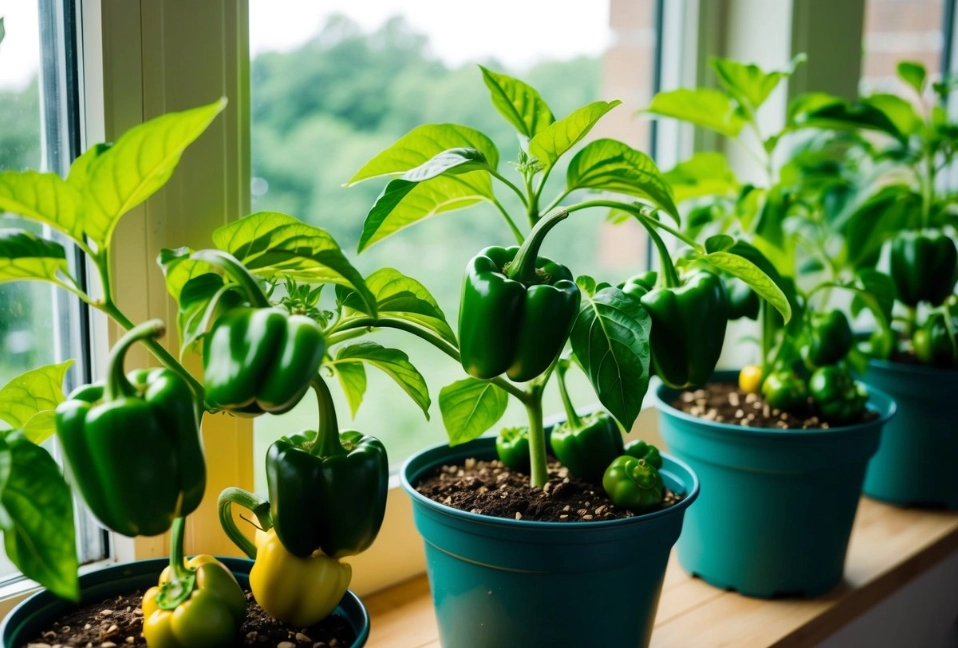
What You'll Learn
- Why Grow Bell Peppers Indoors? The Real Benefits
- Picking the Perfect Pepper: Varieties That Actually Thrive Inside
- Setting Up Your Indoor Pepper Garden: The Non-Negotiables
- The Day-to-Day Care: Watering, Feeding, and Pruning Like a Pro
- When Things Go Wrong: A No-Nonsense Troubleshooting Guide
- Harvest Time: Picking and Using Your Homegrown Peppers
- Frequently Asked Questions (Answered by an Experienced Gardener)
Why Grow Bell Peppers Indoors? The Real Benefits
Most guides tout the obvious—year-round harvests, no pests—but they miss the subtle perks. Indoor growing lets you control every variable. Light, temperature, humidity. You're not at the mercy of weather. I've had peppers fruit in December in Chicago, something my outdoor garden could never do.
But here's the kicker: indoor peppers often taste better. Without soil-borne diseases or pollution, the flavors are cleaner. Plus, you save money. A single plant can yield 10-15 peppers over a season. At store prices, that's a decent return on a $3 seed packet.
Picking the Perfect Pepper: Varieties That Actually Thrive Inside
Not all bell peppers are created equal for indoor life. Standard varieties like 'California Wonder' can work, but they get bulky. Dwarf or compact types are your best bet. They're bred for containers and lower light.
Dwarf vs. Standard: What Most Beginners Get Wrong
Everyone recommends dwarfs, but here's the truth: some standard varieties outperform dwarfs if you prune aggressively. I've grown 'Mini Bell' hybrids that flopped because they lacked vigor. It's about growth habit, not just size.
My Top 3 Picks After Years of Testing
These are the varieties that consistently deliver for me and other indoor gardeners I've consulted.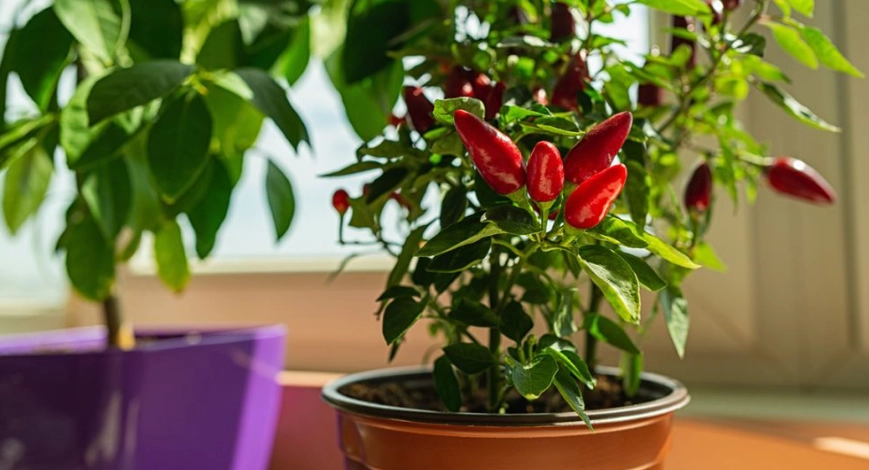
| Variety | Type | Days to Maturity | Why It Works Indoors | Potential Yield |
|---|---|---|---|---|
| Lunchbox Red | Dwarf Hybrid | 65-70 days | Compact, high yield, tolerates lower light | 20-30 peppers per plant |
| California Wonder 300 | Standard Heirloom | 75 days | Robust flavor, responds well to pruning | 10-15 peppers if managed |
| Purple Beauty | Compact Hybrid | 70-75 days | Colorful, disease-resistant, moderate size | 15-20 peppers |
Lunchbox Red is my go-to for small spaces. It's almost foolproof. California Wonder requires more attention but rewards with classic bell pepper taste. Purple Beauty adds visual appeal—kids love it.
Setting Up Your Indoor Pepper Garden: The Non-Negotiables
Skip this section, and your plants will struggle. I learned this the hard way with a cheap setup that led to spindly growth.
Light: The Make-or-Break Factor Everyone Overcomplicates
Peppers need light. Lots of it. A south-facing window might work in summer, but in winter, it's often insufficient. Grow lights are non-negotiable for consistent yields.
But here's a non-consensus view: full-spectrum LED panels beat fluorescent tubes hands down. They're more energy-efficient and produce less heat. I use a 600W equivalent LED about 12 inches above the plants for 14-16 hours daily. According to the Royal Horticultural Society, peppers require at least 6 hours of direct light, but indoors, aim for 12+ with supplements.
I tried a windowsill-only approach once. The plants stretched toward the light, became weak, and produced two pathetic peppers. Never again.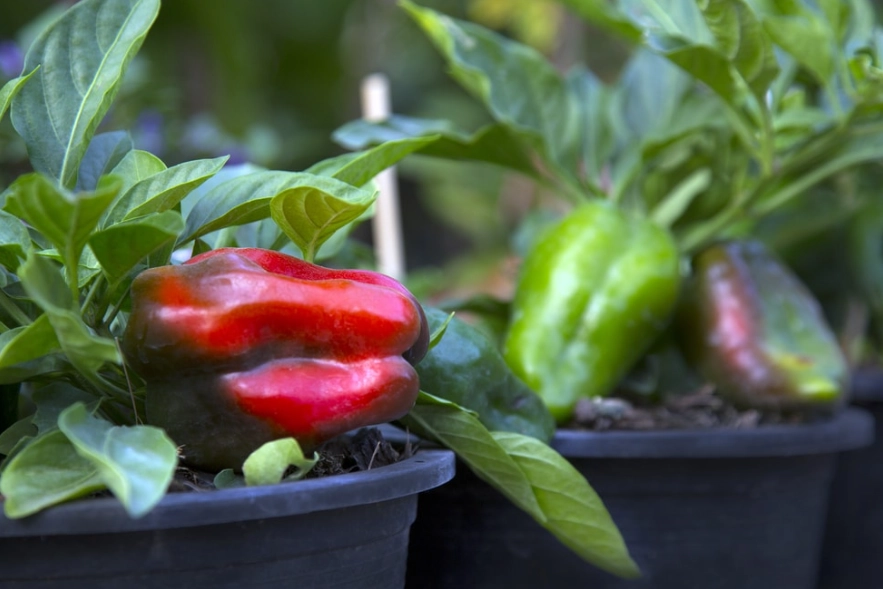
Soil and Containers: Where Most Indoor Gardens Fail
Don't use garden soil. It compacts and harbors pests. A well-draining potting mix is crucial. I mix my own: 2 parts peat moss, 1 part perlite, 1 part compost. It's light and retains moisture without waterlogging.
Containers matter more than you think. A 5-gallon pot is the minimum for standard varieties. Dwarfs can manage in 3-gallon ones. Ensure drainage holes—I've seen roots rot in decorative pots without them. Fabric pots are excellent for aeration, but they dry out faster.
The Day-to-Day Care: Watering, Feeding, and Pruning Like a Pro
This is where experience trumps theory. Most guides give rigid schedules, but plants don't read calendars.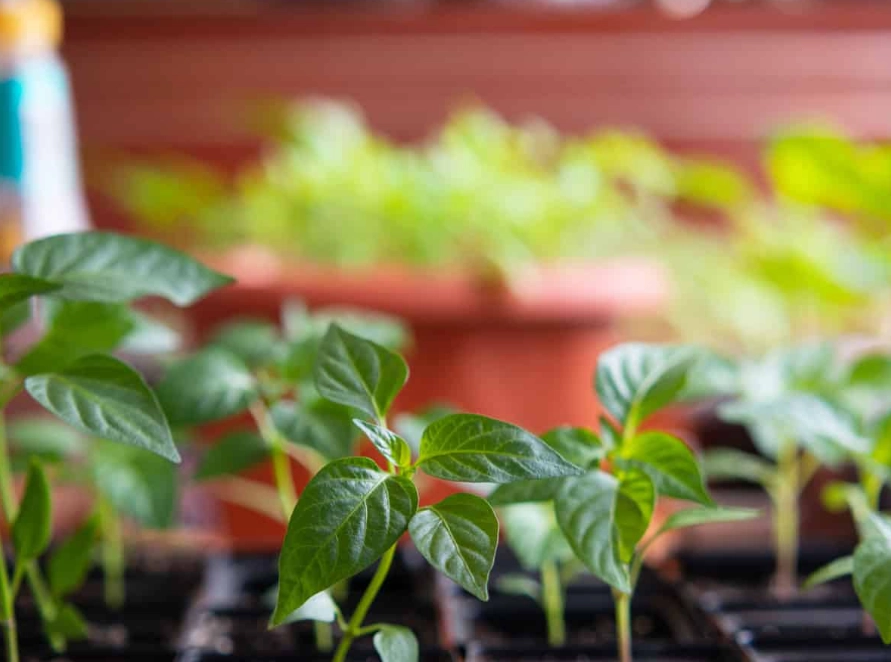
Watering: The Fine Line Between Love and Drowning
Overwatering is the #1 killer of indoor peppers. Stick your finger an inch into the soil. If it's dry, water thoroughly until it runs out the bottom. If damp, wait. In winter, I water every 7-10 days; in summer, every 4-5 days. It varies with humidity and pot size.
I use room-temperature water to avoid shocking the roots. Cold tap water can stunt growth.
Fertilizer: What, When, and How Much
Peppers are heavy feeders. A balanced fertilizer (10-10-10) works, but during flowering, switch to one higher in potassium (like 5-10-10). I feed every two weeks during the growing season. Organic options like fish emulsion are great, but they can smell—not ideal for living rooms.
Here's a mistake I made: over-fertilizing. It leads to lush leaves but no fruit. Follow the label, but dilute to half-strength for indoor plants to avoid burn.
Pruning: Why Most People Do It Wrong
Pruning isn't just about shaping; it's about directing energy. Pinch off the first few flowers to encourage bushier growth. Once the plant is 12 inches tall, trim the top to promote lateral branches.
But don't go overboard. I've seen gardeners prune so much that the plant never recovers. Remove only dead or crossing branches, and always use clean shears.
When Things Go Wrong: A No-Nonsense Troubleshooting Guide
Problems will arise. Here's how to fix them without panic.
Yellow Leaves? Here’s What It Really Means
Yellow leaves can signal overwatering, underwatering, or nutrient deficiency. Check the soil first. If it's soggy, cut back on water. If dry, water more. If neither, it might be nitrogen deficiency—add a balanced feed.
In my experience, yellowing lower leaves are often natural aging. Remove them to focus energy on new growth.
No Flowers or Fruit? Let’s Fix That
This is common indoors. Causes: insufficient light, too much nitrogen, or temperature swings. Peppers need temps between 70-85°F during the day and above 60°F at night. If your room is cooler, consider a heat mat.
Hand-pollinate flowers by gently shaking the plant or using a small brush. Indoor air lacks wind and insects, so this step is crucial. I do it every morning during flowering.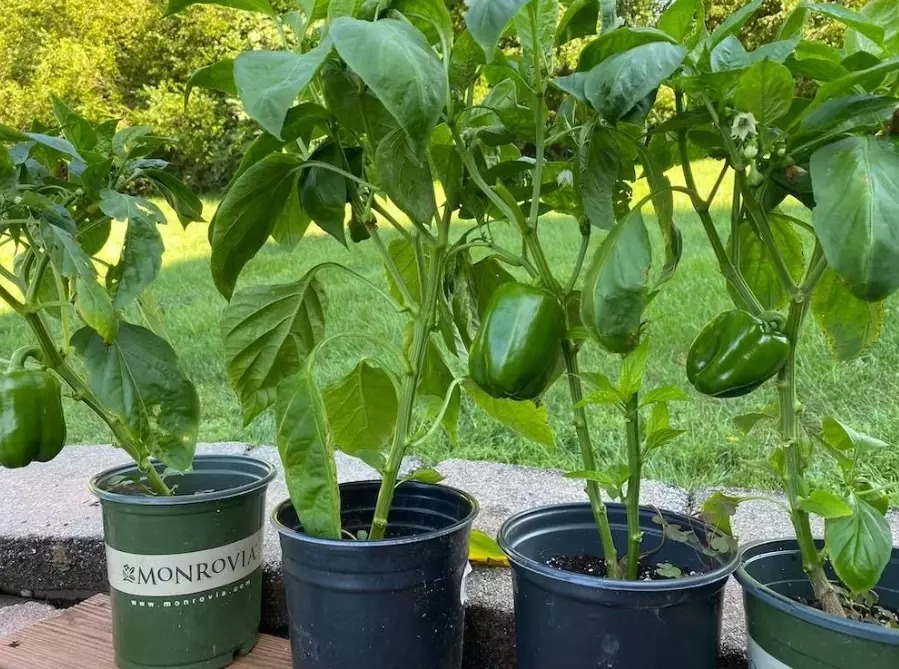
Harvest Time: Picking and Using Your Homegrown Peppers
Harvest when peppers are firm and fully colored. For green varieties, that's when they reach size; for colored ones, wait for the hue to deepen. Use scissors to cut, don't pull, to avoid damaging the plant.
Storage: They last weeks in the fridge. I also freeze chopped peppers for cooking. The flavor is intense compared to store-bought.
Since this guide falls under 'spring recipes' (the season for starting plants), here's a quick idea: slice your homegrown peppers into a fresh spring salad with olive oil and herbs. Nothing beats it.
Frequently Asked Questions (Answered by an Experienced Gardener)
 How often should I repot my indoor bell pepper plant?
Growing bell peppers indoors is a journey. You'll have failures, but each one teaches something. Start small, learn from mistakes, and soon you'll enjoy fresh peppers regardless of the weather outside. Happy gardening!
Reader Comments